



Decorative Asian Wall Dishes
Decorative asian wall dishes bring intricate hand-painted porcelain and complex cloisonne metalwork into modern interiors.
Decorative Asian Wall Dishes
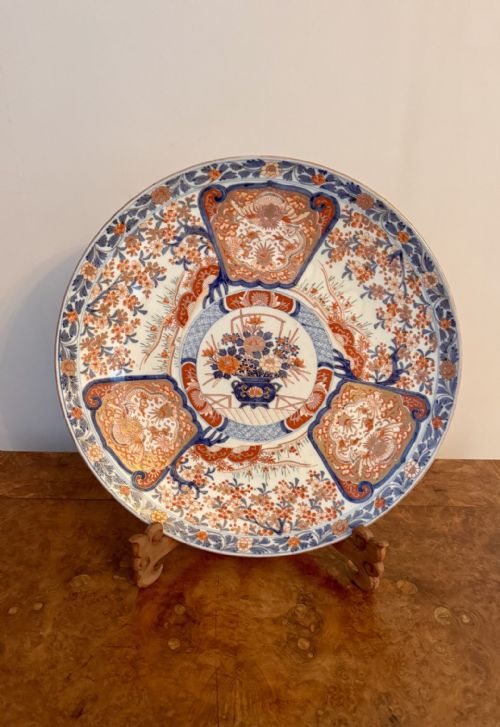
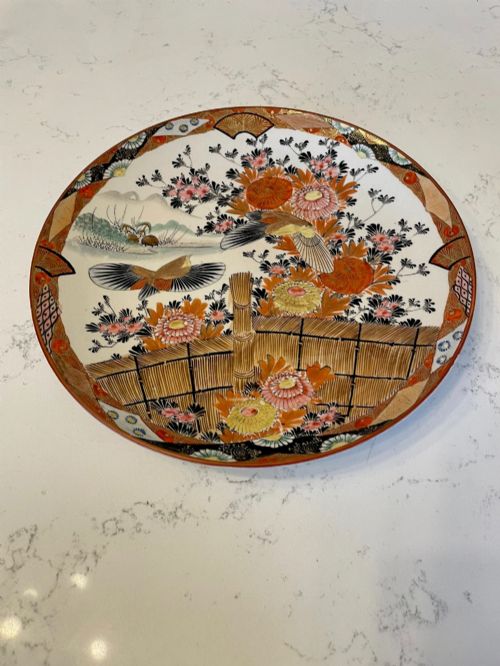
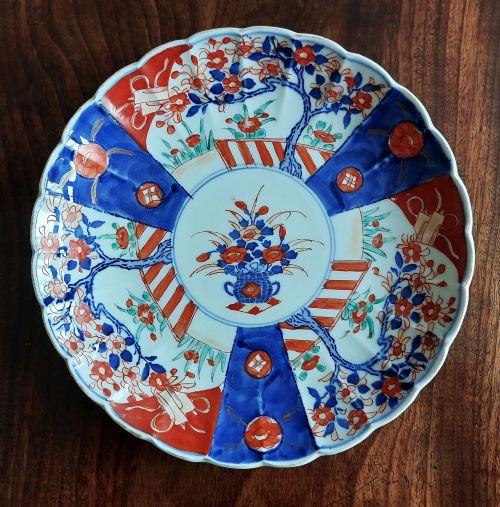
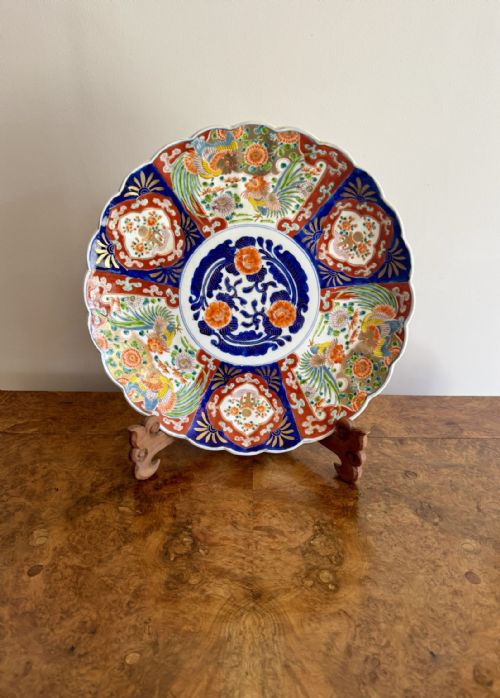
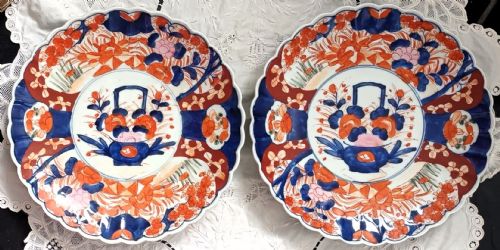
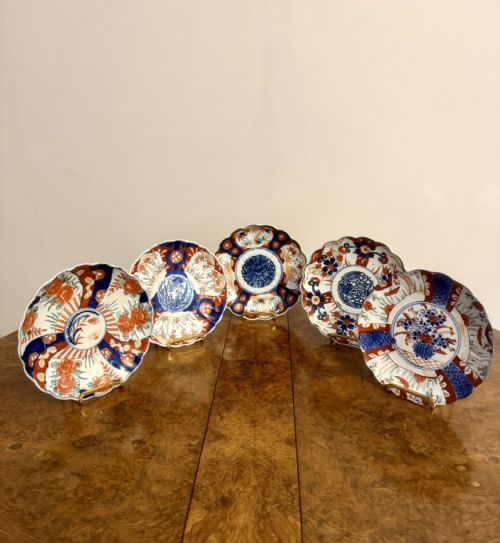
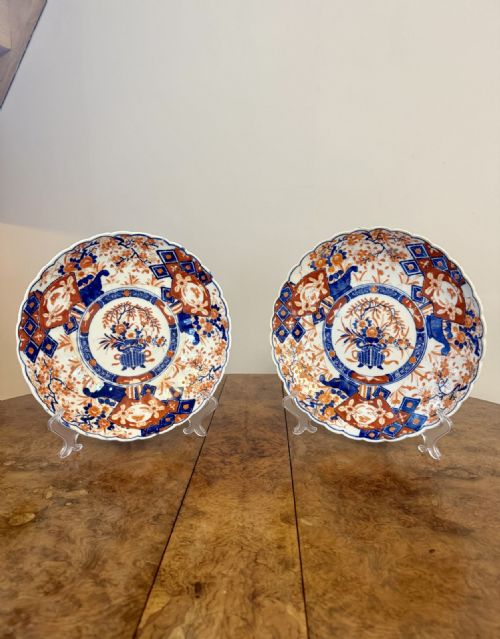
Decorative asian wall dishes include large porcelain chargers and metal plates produced during the nineteenth and early twentieth centuries. These pieces encompass Japanese Imari porcelain, Kutani ware, Satsuma pottery, and Chinese export ceramics alongside metalwork plaques. The selection relies heavily on Japanese Meiji period manufacture and domestic export traditions from around eighteen eighty to nineteen twenty.
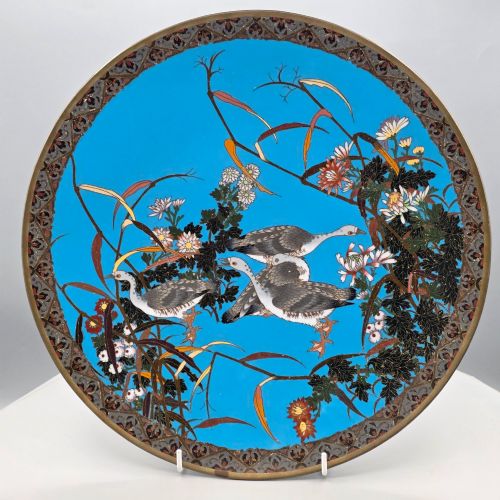
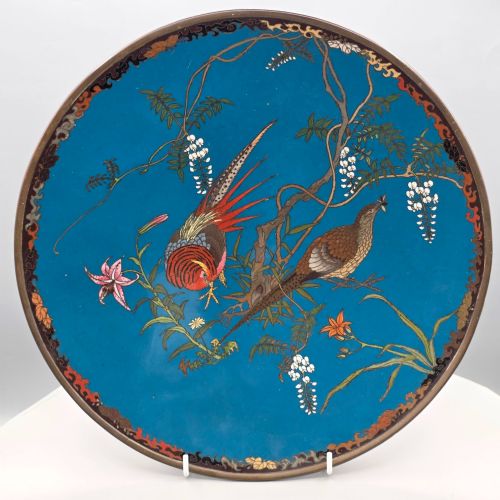
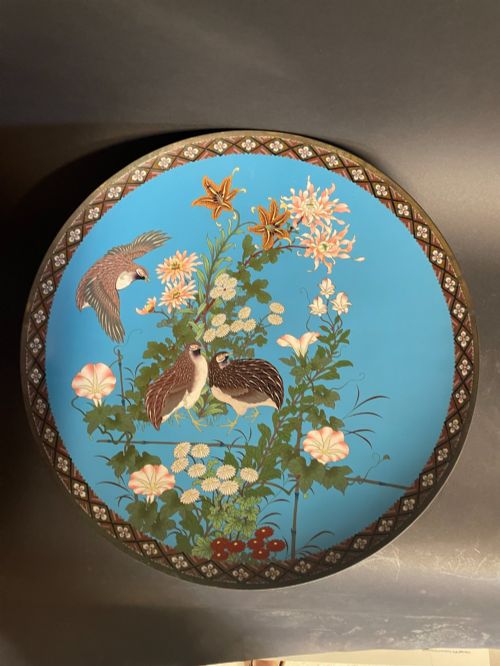
Buyers encounter substantial ceramic chargers painted in cobalt blue and iron red alongside wire-inlaid cloisonne enamel pieces depicting birds, dragons, and landscapes. The forms range from small plates intended for display stands to large copper-based platters fitted with hanging mounts. Most examples originate from Japanese kilns and workshops active during the late Victorian and Edwardian eras.
How they were made
Porcelain items begin as shaped clay bodies fired at high temperatures before receiving underglaze blue and overglaze enamel painting. Artisans apply gold leaf and coloured glazes by hand before secondary low-temperature firings to fix the palette. Chinese and Japanese potters utilise mineral pigments to achieve the dense patterns characteristic of Imari and Satsuma wares.
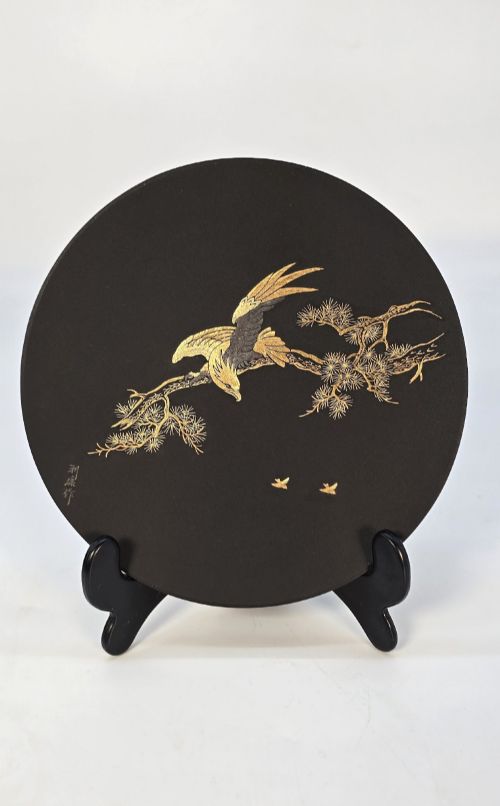
Cloisonne enamel dishes employ thin copper or brass bases onto which flat metal wires form delicate cellular compartments. Workers fill these partitions with vitreous coloured pastes before repeated kiln firings and surface polishing. Iron and bronze plaques incorporate patinated finishes augmented with gold and silver inlay techniques.
Certain nineteenth-century copper chargers depict unexpected avian residents, pairing fierce owls and startled geese alongside mythical phoenixes and Mount Fuji.
What varies in quality
The precision of the enamel work and the complexity of the subject matter separate standard production from superior pieces. Fine cloisonne displays microscopic wire cells and perfectly smooth polished surfaces without pitting or clouding in the glaze. Painted porcelain relies on the crispness of the brushwork and the vibrancy of the cobalt and iron-red pigments.
Compositional balance and the inclusion of specialised motifs such as dragons, phoenixes, or samurai figures dictate collector interest. Pieces bearing maker signatures or originating from recognised workshops command greater attention due to documented artistic provenance. The physical weight and gauge of the underlying metal or porcelain body also indicate production standards.
Koshida·Meizan
The Decorative Asian Wall Dishes Glossary
- Imari
- A style of Japanese porcelain featuring a palette of underglaze blue, iron red, and added gold highlights. These wares were widely exported to Europe from the seventeenth century onward.
- Cloisonne
- A decorative metalwork technique where fine wires form raised barriers on a metal base to hold coloured enamel pastes. The entire surface is subsequently fired and polished flat.
- Charger
- A large decorative plate traditionally utilised for formal display rather than dining purposes. They provide an expansive canvas for elaborate pictorial scenes.
- Satsuma
- A type of Japanese earthenware characterised by a crackled ivory glaze and detailed polychrome enamel decoration often enriched with gold. It gained significant popularity during the Meiji period.
- Meiji Period
- The era in Japanese history spanning from eighteen sixty-eight to nineteen twelve, marked by extensive international trade and exceptional decorative arts production.
Decorative Asian Wall Dishes: Frequently Asked Questions
How do I hang antique wall dishes safely?
Displaying heavy porcelain or cloisonne chargers requires specialised brass spring hangers that distribute weight evenly across the rim. Ensure the wall fixing secures directly into solid masonry or a stud rather than relying on standard plasterboard anchors.
Period plates often feature integrated foot ring perforations or aftermarket wire attachments designed for secure vertical presentation. Regular inspection of the mounting hardware prevents accidental slips.
How do I distinguish Imari from Satsuma?
Imari pieces consist of hard-paste porcelain displaying a distinctive blue and red colour scheme accented with gold leaf. They present a resonant ring when lightly tapped and feature smooth glazed undersides.
Satsuma items utilise an earthenware body covered in a finely crackled creamy glaze beneath dense multi-figure enamel paintings. The aesthetic leans towards matte textures and heavily gilded pictorial panels rather than translucent porcelain.
What is a mon on these plates?
A mon is a traditional Japanese heraldic emblem or badge representing a family, clan, or institutional lineage. Artisans incorporated these crests into the decorative borders of high-status export wares.
Identifying a mon offers clues regarding the original commissioning patron or the cultural context of the piece. These small circular motifs often appear alongside floral tendrils and avian subjects.
How do I clean antique enamel dishes?
Dust cloisonne and patinated metal surfaces gently using a soft, dry artist brush to prevent particulate accumulation within the wire cells. Avoid chemical solvents, abrasive cloths, or liquid immersion which can compromise vulnerable copper bases or historic patinas.
Porcelain chargers tolerate careful wiping with a damp microfiber cloth followed immediately by dry buffing. Keeping pieces away from direct sunlight preserves the fugitive overglaze enamels and gold leaf highlights.