




Decorative Charger
When you search for a decorative antique charger, you find large display plates crafted to hang on walls or anchor sideboard arrangements.
Decorative Charger
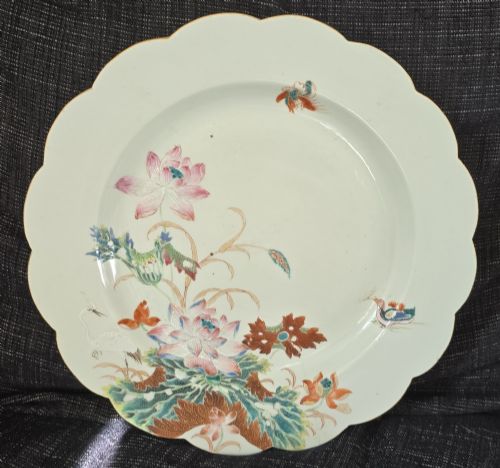
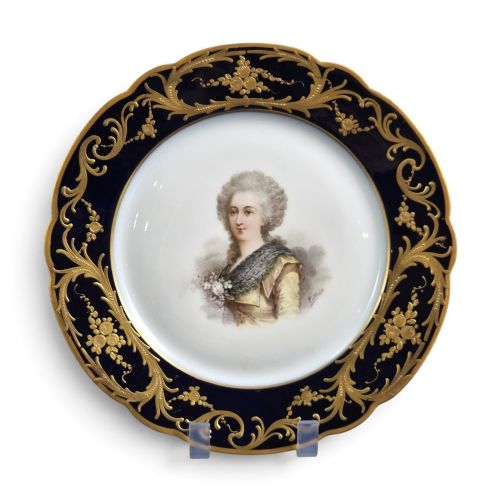
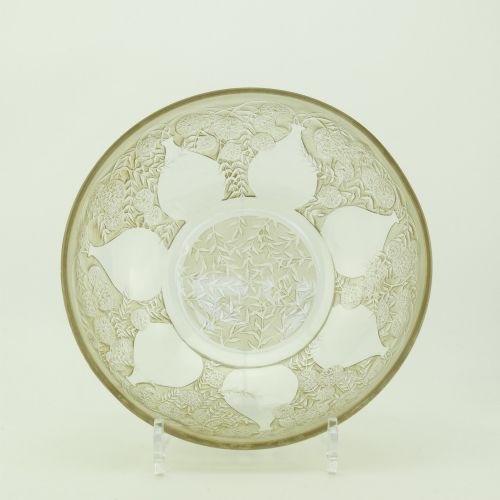
A decorative antique charger is a wide, shallow display plate designed primarily for visual impact rather than domestic service at table. The examples met on this page span several centuries, reaching from eighteenth-century Delft earthenware to nineteenth-century Japanese Imari porcelain and copper repoussé work.
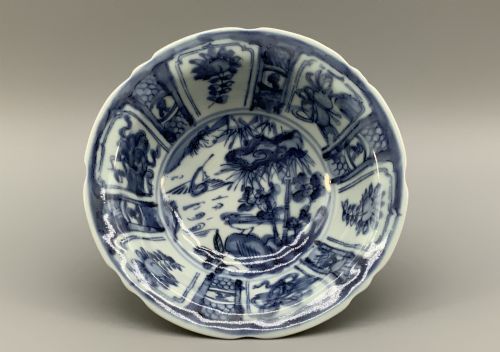
The objects take various shapes, including circular dishes with scalloped edges, deep porcelain bowls, and heavy metal wall plaques. European centres such as France and England produced fine painted porcelain and transferware, while continental makers contributed tin-glazed faience and maiolica in distinct regional styles.
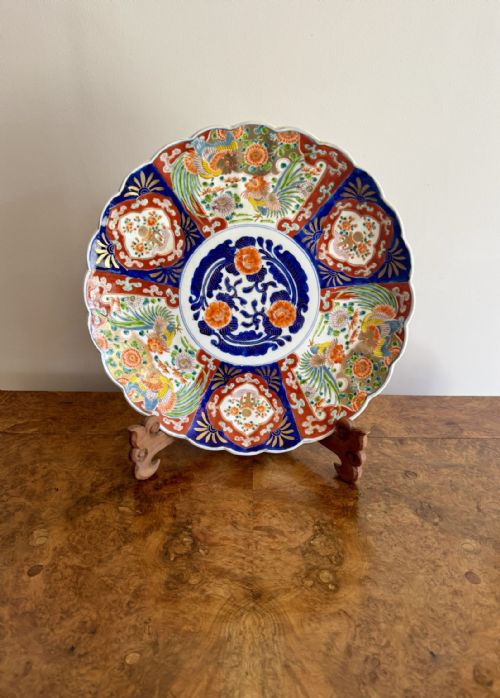
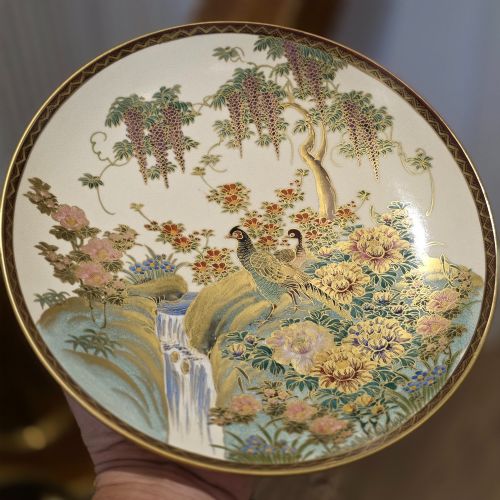
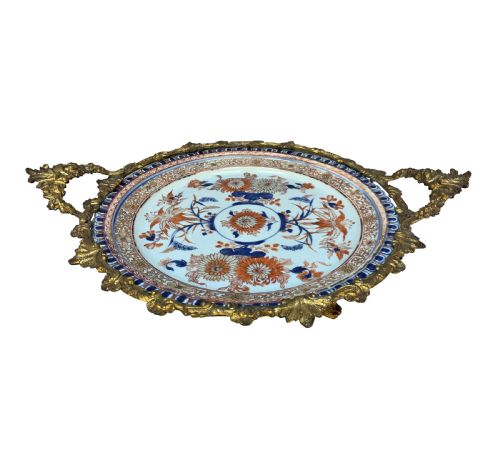
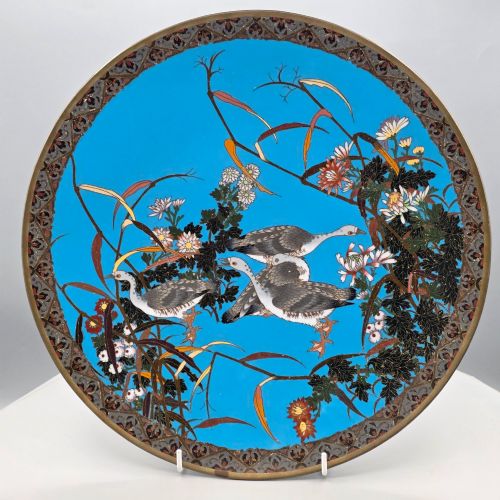
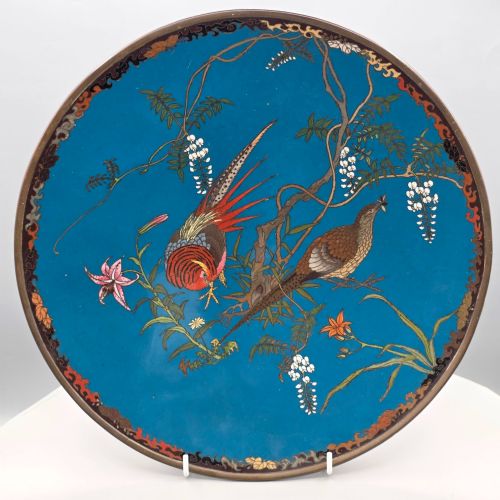
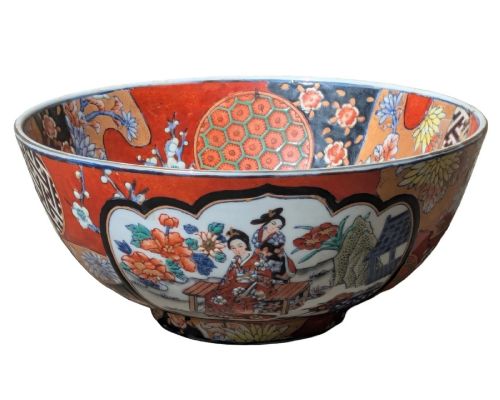
Japanese export wares also feature strongly among these items, particularly Meiji period cloisonné enamel chargers and Arita Imari porcelain plates decorated in iron red and cobalt blue. These diverse origins reflect a shared history of ambitious decorative arts produced for display across international markets.
Materials and Techniques
Pottery items rely on ceramic bodies formed from earthenware, soft-paste porcelain, or ironstone, finished with rich glazes and hand-painted pigments. Cobalt blue, manganese, and polychrome enamels appear frequently across both European Delft and Oriental porcelain pieces.
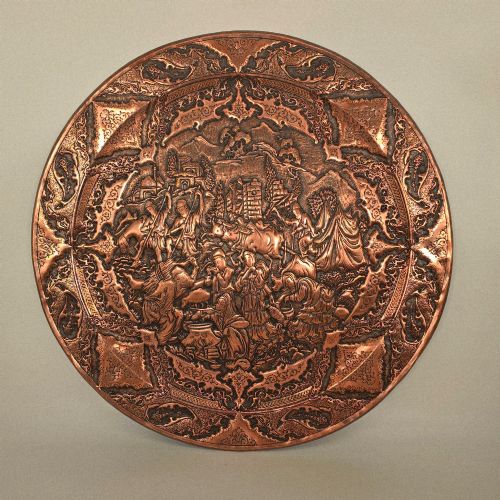
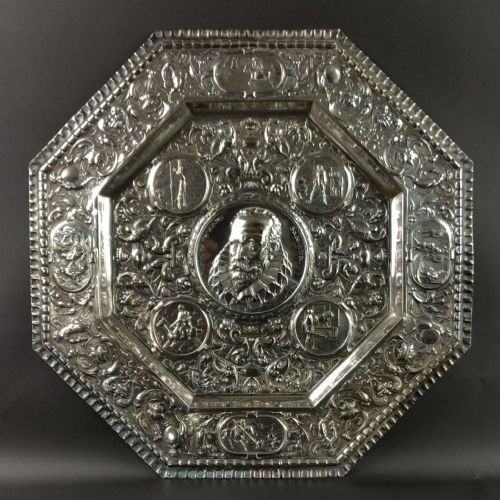
Metalwork chargers utilise copper, brass, iron, and mixed metal alloys shaped through repoussé hammering, engraving, or patination. Artisans applied surface embellishments including silver and gold inlay, or fused glass wires to copper fields in intricate cloisonné designs.
Listings feature ceramics, metalwork, and cloisonné enamel across periods spanning the eighteenth, nineteenth, and early twentieth centuries.
Assessing Quality
Quality rests upon the ambition of the design and the precision of the hand execution visible across the surface. Painted portraits, botanical studies, and complex avian scenes require exceptional brushwork control, separating standard production wares from masterworks.
Depth of relief in metalwork and the clarity of cloisonné wire compartments dictate the standard of physical pieces. Firings that achieve vibrant, stable enamel colours without pitting or distortion show superior kiln mastery by the maker.
Royal Crown Derby·Royal Worcester·John Davenport of Longport
The Decorative Charger Glossary
- Charger
- A large decorative plate or dish intended for wall display or sideboard decoration rather than dining use. These substantial pieces measure wider than standard dinner plates.
- Cloisonné
- An enamelwork technique where thin metal wires form raised partitions on a metal base, filled with coloured glass paste before firing. This method creates detailed pictorial designs in vibrant colours.
- Delft
- Tin-glazed earthenware originating from Dutch potteries, often decorated in blue and white with European or Chinoiserie motifs. Similar tin-glazed ceramics produced elsewhere are termed faience or maiolica.
- Imari
- Japanese export porcelain decorated in underglaze blue, iron red, and gilt, produced in Arita from the Edo period onwards. European factories frequently copied these distinctive palettes.
- Repoussé
- A metalworking technique where the artisan hammers the reverse of a sheet of copper, brass, or iron to form a raised design in relief on the front.
Decorative Charger: Frequently Asked Questions
How were antique chargers displayed?
These large plates were designed primarily to be hung on walls or stood upright on sideboards and dressers to showcase wealth and taste.
Their substantial size made them natural focal points in formal dining rooms and reception spaces.
What is the difference between porcelain and earthenware chargers?
Porcelain pieces are fired at higher temperatures from refined white clay, resulting in a vitrified, non-porous body that often rings when struck.
Earthenware items, such as Delft and maiolica, use coarser clay bodies covered in an opaque tin glaze to provide a white surface for painting.
How do I identify a Japanese Imari charger?
Japanese Imari chargers typically combine underglaze cobalt blue and iron-red enamel over a white porcelain body, frequently accented with gold leaf.
They often feature complex floral or panelled motifs influenced by traditional textile designs.
Can metal wall chargers be polished?
Metal chargers made from copper, brass, or mixed metals often develop a dark historical patina that highlights engraved or repoussé details.
Aggressive cleaning removes this aged surface layer and can diminish the visual depth of the metalwork.