



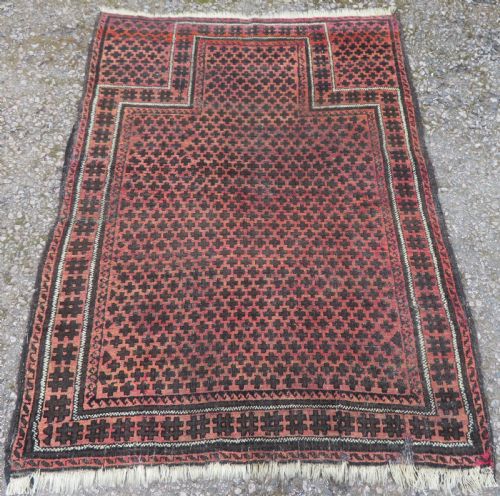
Dark Wool Persian Rug
A dark wool persian rug brings depth and tactile warmth to a floor, offering centuries of tribal craftsmanship and rich natural colour.
Dark Wool Persian Rug
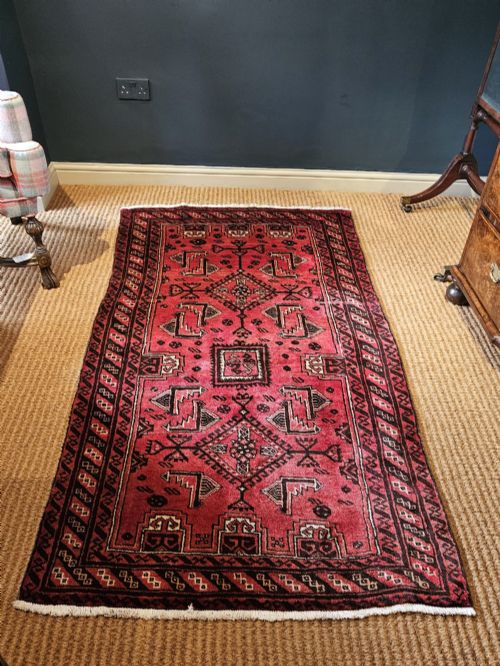
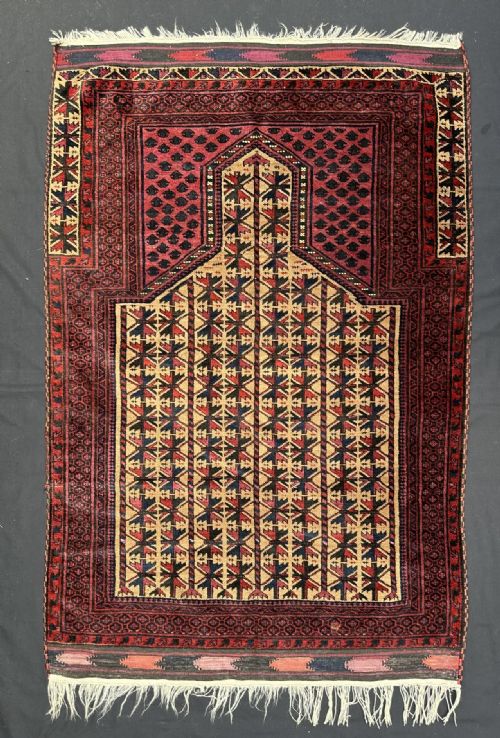
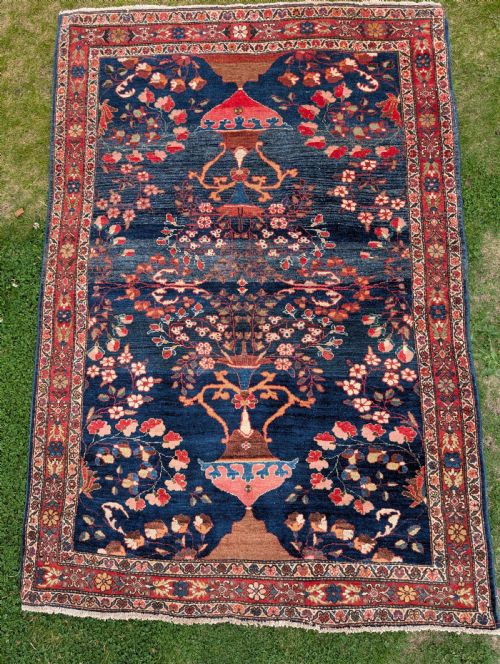
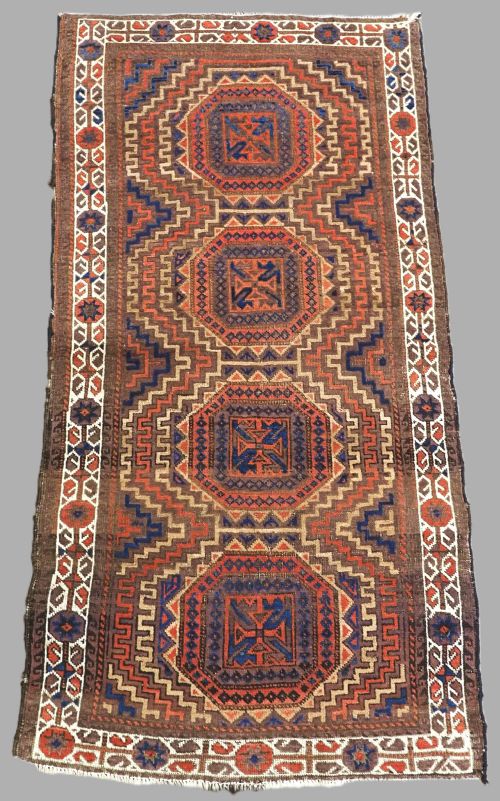
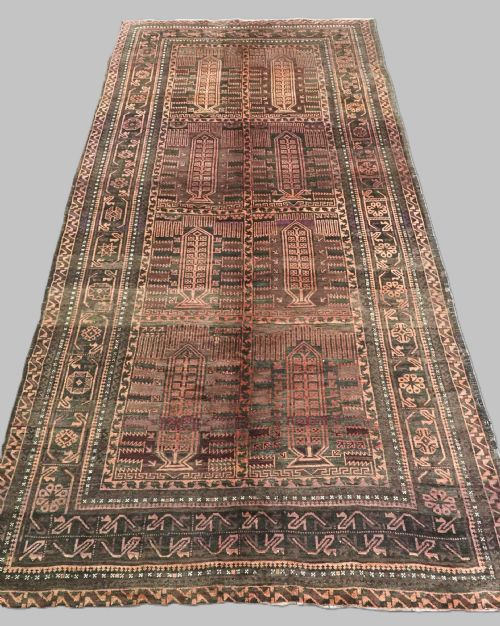
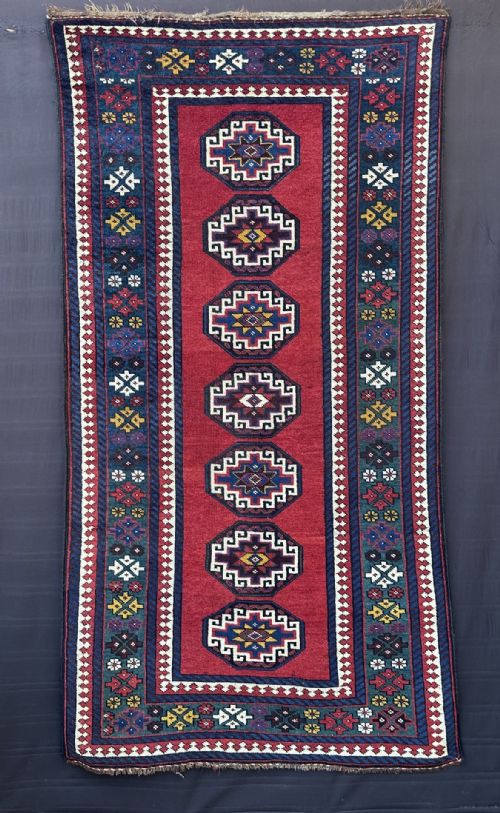
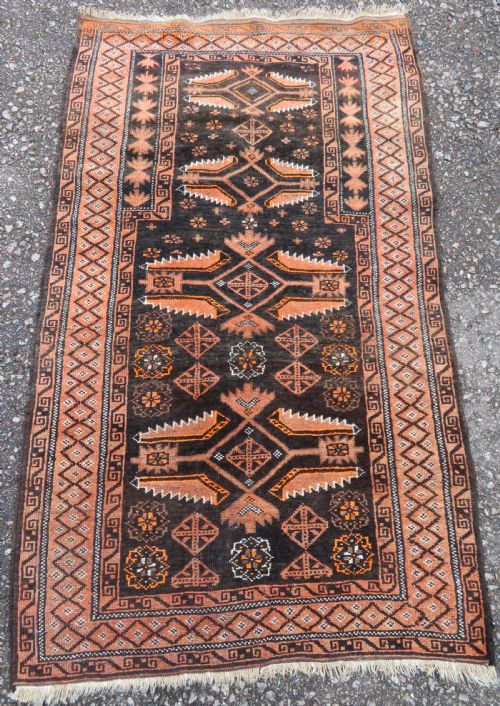
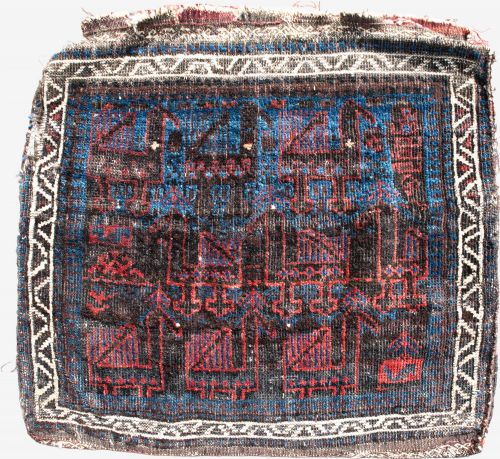
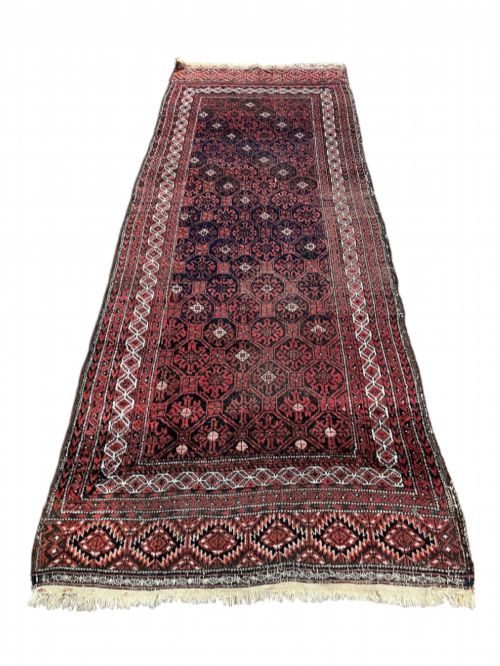
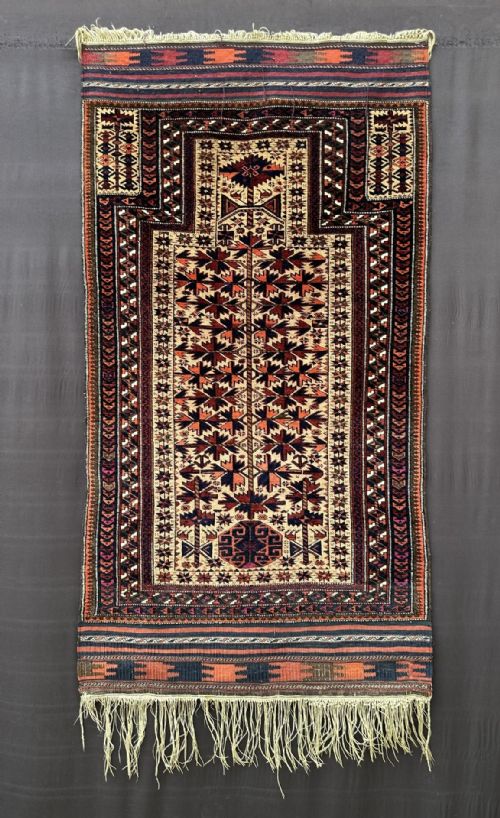
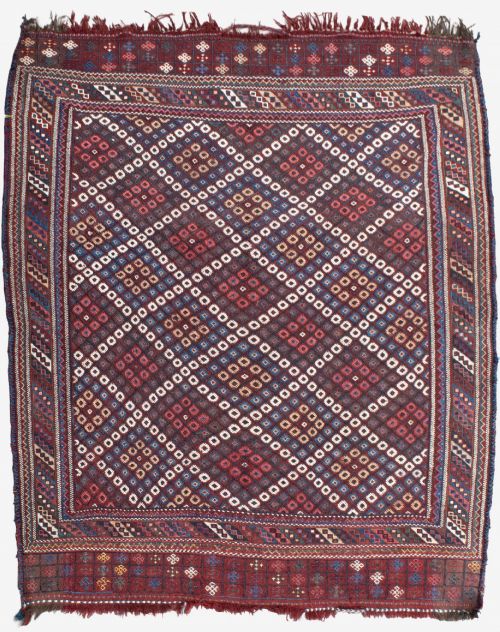
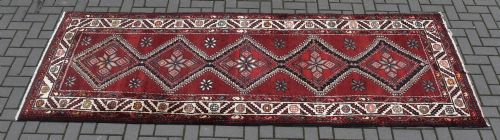
When searching for a dark wool persian rug, a buyer encounters handwoven textiles rooted in nomadic and village traditions across Persia and the borderlands. These pieces encompass room-sized carpets, runners, prayer rugs, and smaller utilitarian items like bag faces and sofreh.
The selections available span from the late nineteenth century into the early decades of the twentieth century. Common stylistic threads include tribal motifs, large guls, and geometric arrangements originating from groups such as the Baluch, Timuri, Afshar, and Kurdish weavers.
How They Were Made
The construction relies heavily on wool and hand-spun wool, often paired with cotton foundations to give the textiles structural stability. Natural dyes provide the enduring palette, yielding deep indigo, madder, and earthy tones that age with considerable character.
Weavers knot the pile by hand onto warp and weft threads, incorporating techniques that produce durable surface textures. Specific pieces integrate decorative elements like cowrie shells into utilitarian forms such as vanity bags and saddle bags.
What Varies in Quality
Quality rests in the precision of the knotting and the handling of the wool, which dictates how well the pile holds its definition over decades of use. Tighter foundations and well-balanced proportions separate standard village pieces from finer tribal work.
The depth and saturation of the natural dyes also distinguish the weaving, as skilled dyers achieve complex tonal variations across a single field. The crispness of geometric designs and the integrity of the original edges further define the standard of the piece.
The Dark Wool Persian Rug Glossary
- Gul
- A repeating medallion or octagonal motif often found in tribal and nomadic weaving. These graphic elements form the primary pattern across many Baluch and Afghan pieces.
- Sofreh
- A flatwoven or pile-woven spread used traditionally for dining or preparing bread. These rectangular textiles often display striking geometric fields.
- Pushti
- A small mat or rug designed for sitting or leaning against. They share the intricate patterns of larger carpets in a compact format.
- Kelleh
- A long, narrow format of rug traditionally suited for specific room proportions. They typically feature extended fields flanked by detailed borders.
Dark Wool Persian Rug: Frequently Asked Questions
How do I clean a wool rug?
Gentle surface brushing and occasional professional cleaning designed for antique textiles maintain the wool pile safely.
Avoid harsh chemical treatments and excessive water immersion to protect the natural dyes.
Where were these rugs made?
Production centres span regional villages and nomadic territories across Persia and neighbouring Afghan borderlands.
Specific tribes such as the Baluch, Afshar, and Timuri contributed distinct regional designs.
Can I use runners in high traffic areas?
The dense wool construction provides natural resilience suited for hallways and transitional spaces.
Using a quality underlay prevents sliding and reduces friction against the floorboards.
How do I date an antique rug?
Dating relies on assessing the palette of natural dyes, the style of the weave, and structural materials.
Comparative analysis of tribal motifs and regional structures helps place pieces within the nineteenth and early twentieth centuries.