


Navy Blue Tribal Runner
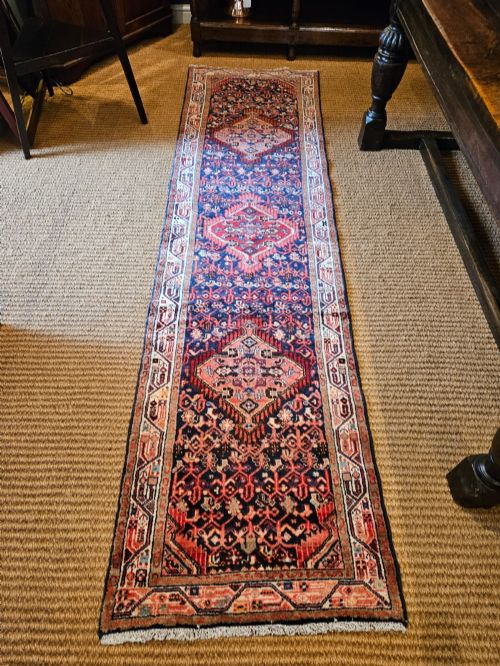
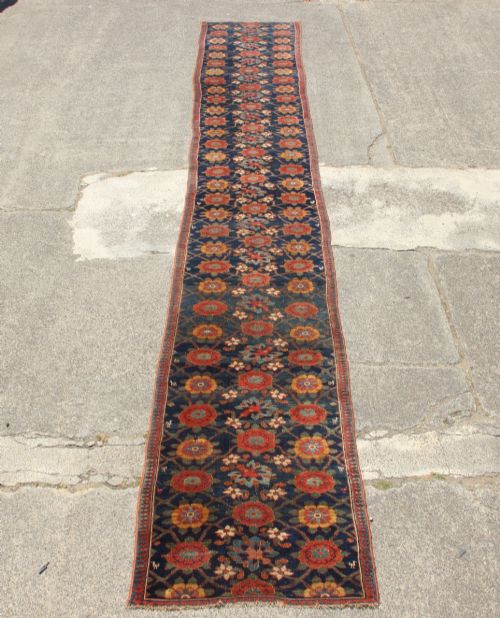
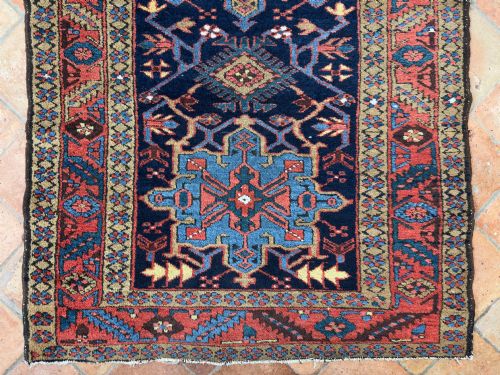
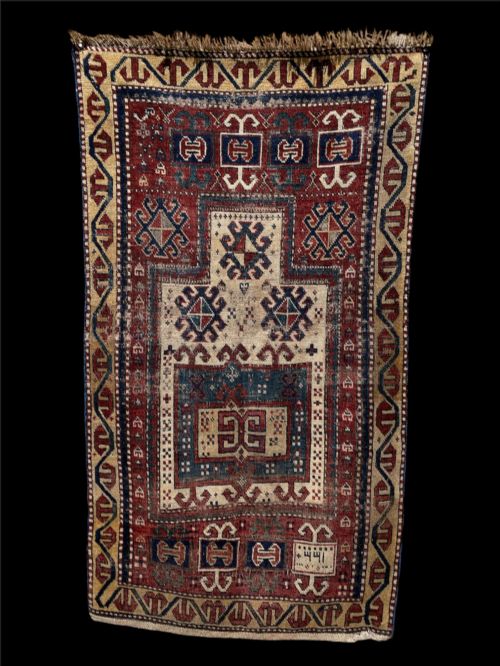
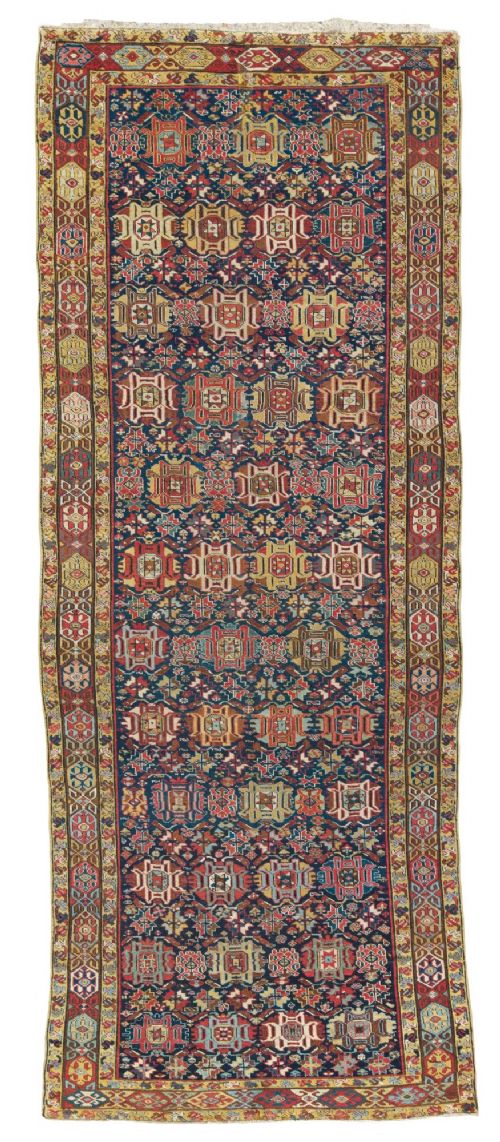
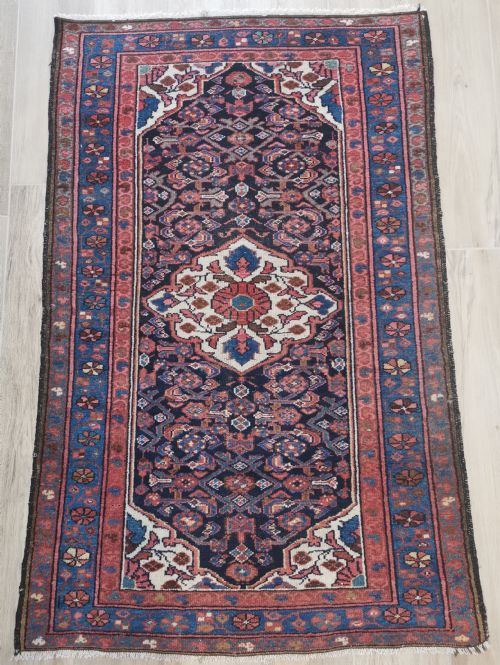
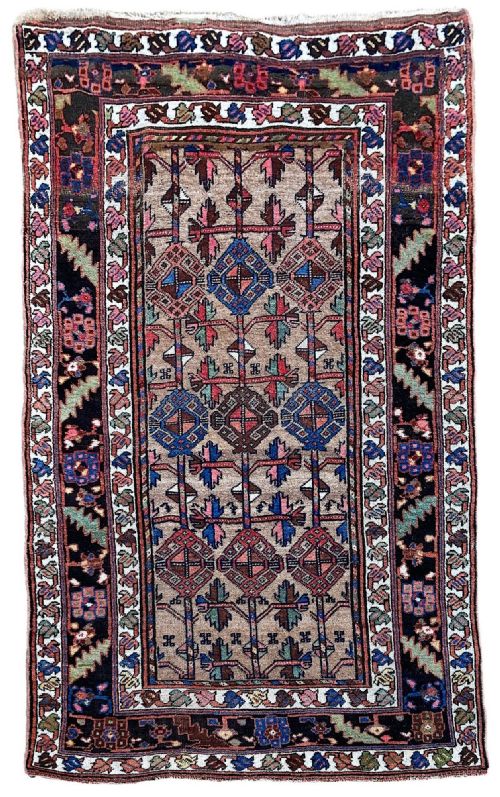
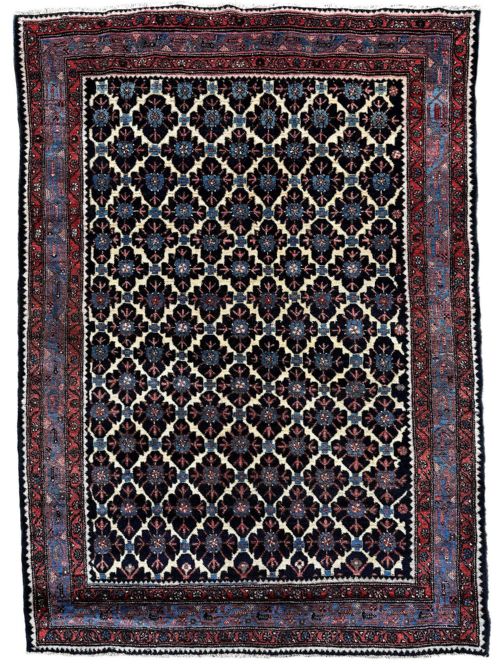
A navy blue tribal runner brings centuries of nomadic weaving skill into a hallway, offering deep indigo tones and geometric patterns.
Navy Blue Tribal Runner
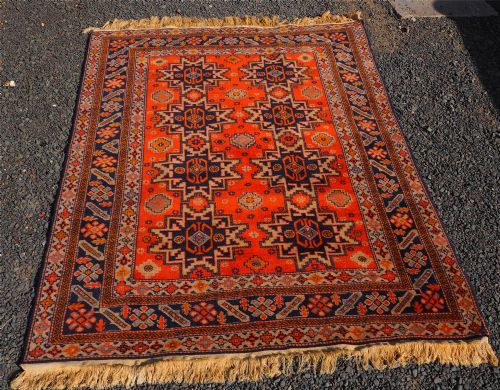
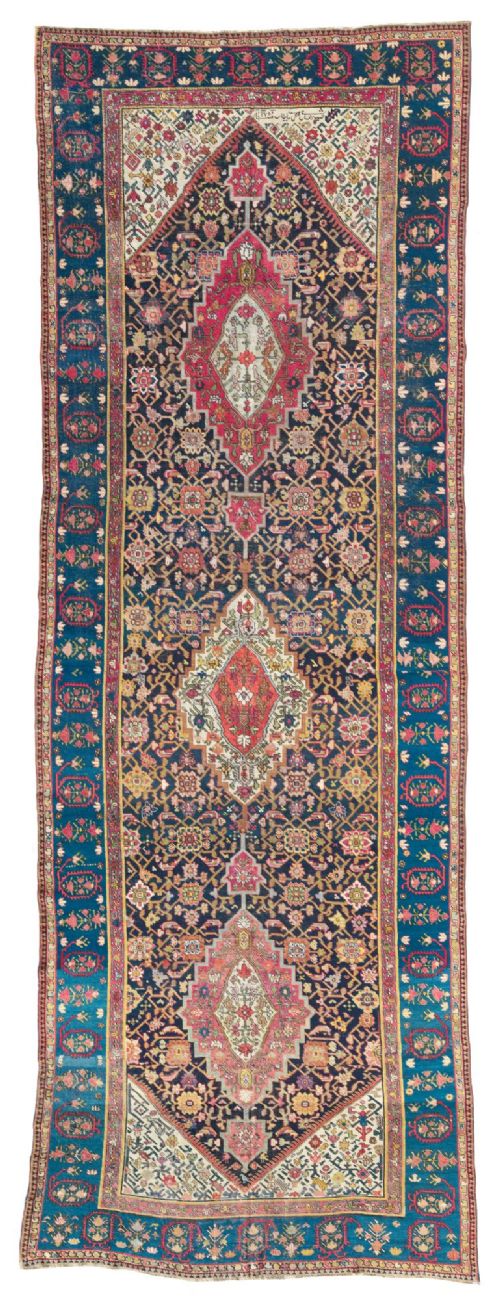
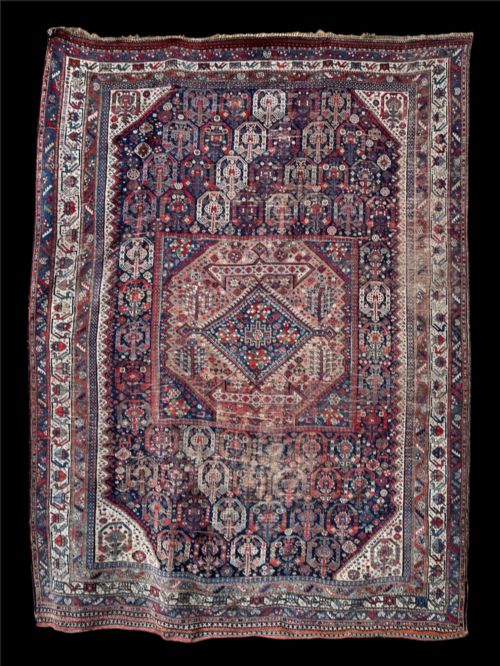
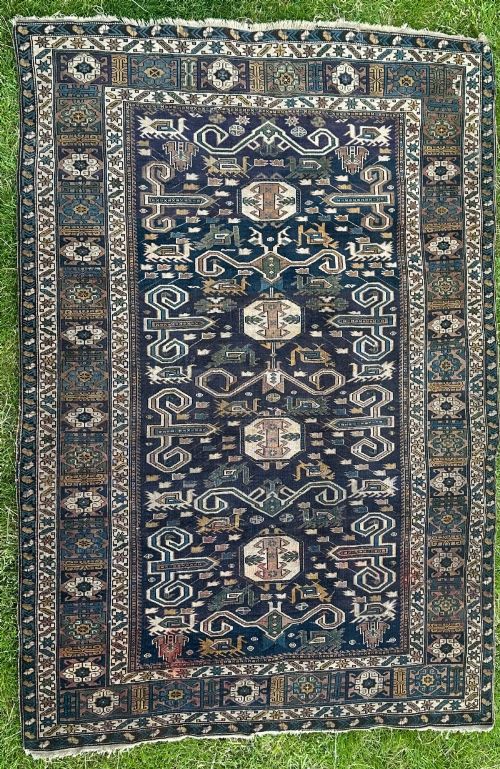
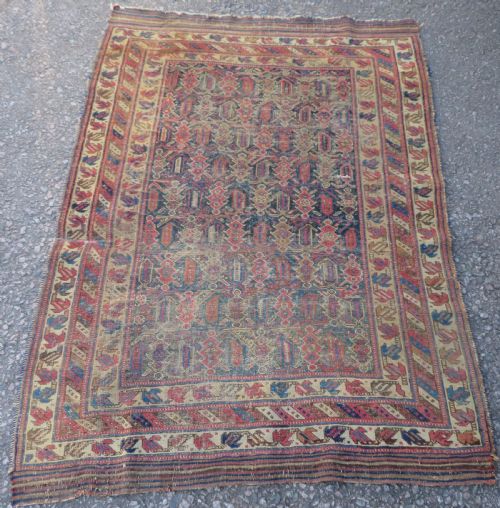
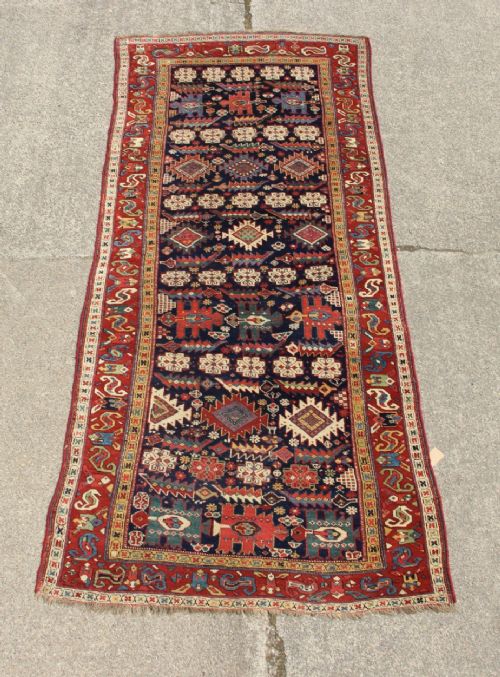
A navy blue tribal runner search directs attention toward elongated floor coverings designed by village and nomadic weavers from Persia and the Caucasus. These textiles emerge from periods spanning the late nineteenth century into the early decades of the twentieth century.
The inventory on this page contains specific regional formats such as Kurdish, Hamadan, Bakhtiar, and Shirvan long runners. Each piece reflects the utilitarian weaving traditions of tribal groups working with wool and cotton foundations.
Buyers encounter narrow formats suited for hallways alongside broader kelis and carpet formats, carrying traditional motifs like the Mina Khani pattern and geometric guls.
Materials and construction
Weavers constructed these runners using hand-spun wool for the pile, utilising natural dyestuffs that achieved deep indigo and navy blue hues. The warp and weft foundations typically consist of durable wool or cotton fibres.
Nomadic and village artisans knotted these textiles by hand on vertical or horizontal looms, resulting in dense structures intended to withstand heavy domestic foot traffic in hallways and living spaces.
The listings span production dates from the mid-nineteenth century through the 1930s, utilising hand-spun wool and cotton materials across Persian and Caucasian weaving traditions.
Evaluating quality
Quality rests upon the fineness of the knotting and the crispness of the geometric design execution. Tighter knot counts allow complex motifs like Mina Khani patterns and tribal guls to render with greater clarity.
The integrity of the wool pile and the stability of the cotton or wool foundation determine structural longevity. Superior examples maintain even wear across the runner length and retain the vibrancy of their original indigo dyes.
The Navy Blue Tribal Runner Glossary
- Runner
- A long, narrow carpet format specifically proportioned for corridors, staircases, and hallways. This shape directs movement through domestic spaces.
- Kelleh
- A large rectangular carpet format, typically longer than it is wide, originating from Persian and Caucasian weaving traditions. These pieces function well as primary floor coverings in larger rooms.
- Gul
- A repeating medallion or floral-octagon motif found across tribal rugs and carpets. These symbols often denote specific nomadic clans and weaving lineages.
- Sofreh
- A flatwoven or piled cloth utilised historically for dining, food preparation, or grain storage among nomadic tribes. These textiles frequently feature distinctive tribal iconography.
- Warp
- The vertical foundation threads stretched tightly on a loom before knotting begins. The visible ends of these threads often form the fringed edges of the rug.
Navy Blue Tribal Runner: Frequently Asked Questions
Where should I place a runner?
These narrow formats suit hallways, corridors, and narrow passageways where linear floor coverings soften timber or stone flooring.
They also function effectively beside beds or in galley kitchens, provided foot traffic remains balanced across the wool pile.
How do I care for antique wool runners?
Regular gentle vacuuming without a rotating brush roll prevents dust accumulation within the wool pile. Professional specialist cleaning ensures natural dyes remain stable and fibres avoid damage.
Using a suitable underlay prevents slip and cushions the foundation against hard flooring surfaces.
What indicates a tribal origin?
Tribal pieces display asymmetrical geometric layouts, memory-driven village motifs, and saturated natural indigo blues rather than rigid court-factory symmetry.
Variations in wool texture and hand-spun inconsistency point directly to nomadic or village production methods.
How do I distinguish regional styles?
Hamadan and Kurdish pieces often employ distinct geometric guls and heavier wool foundations, whereas Caucasian runners like Shirvan feature crisper, sharper polygons.
Palette choices also help, with specific indigo depths and secondary accent colours varying by regional workshop or tribal confederacy.