

Dark Wood Server Cabinet
These dark wood server cabinet designs span centuries of dining room storage, offering substantial timber surfaces and deep cupboards for modern homes.

Dark Wood Server Cabinet
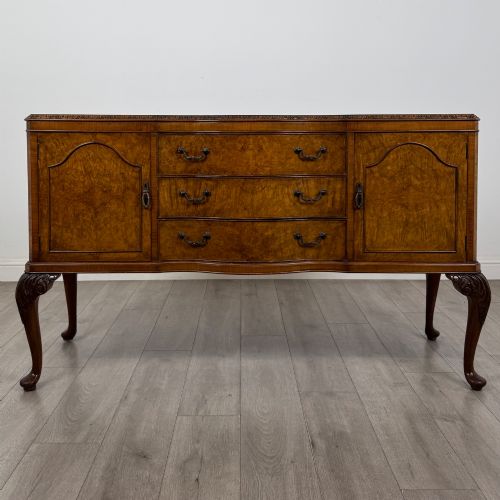
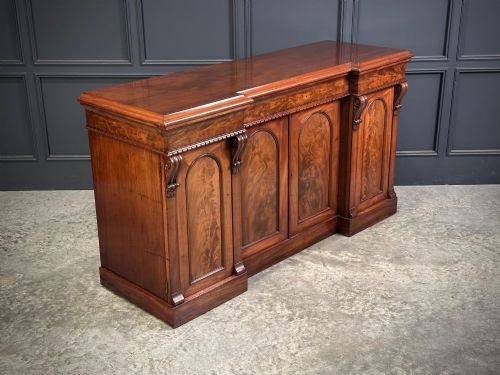
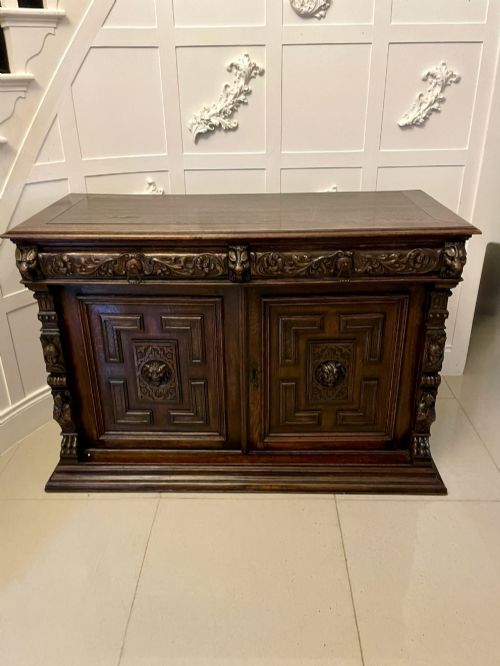
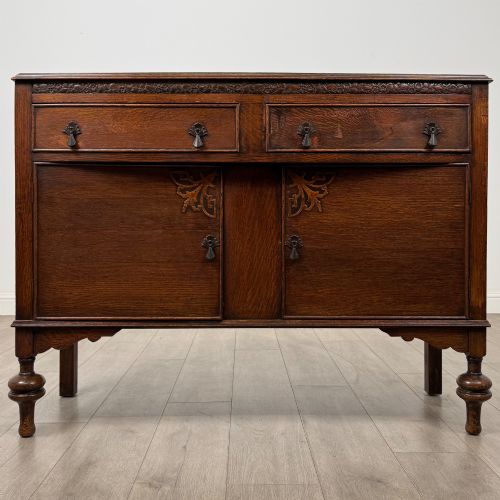
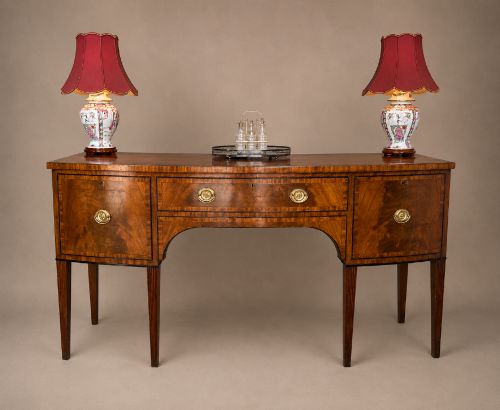
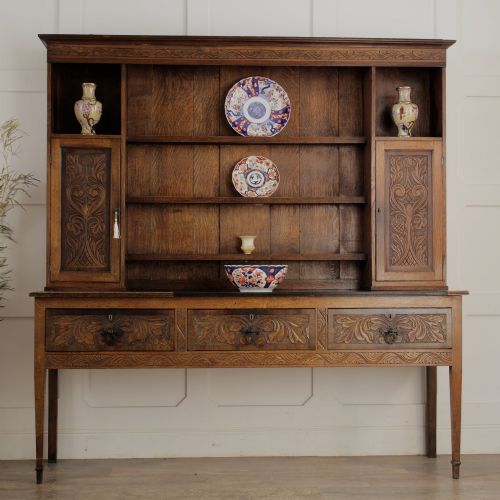
A dark wood server cabinet encompasses sideboards, chiffoniers, buffet units, and dresser bases originating from the eighteenth, nineteenth, and early twentieth centuries. These large storage pieces appear in robust oak, rich mahogany, and patterned rosewood.
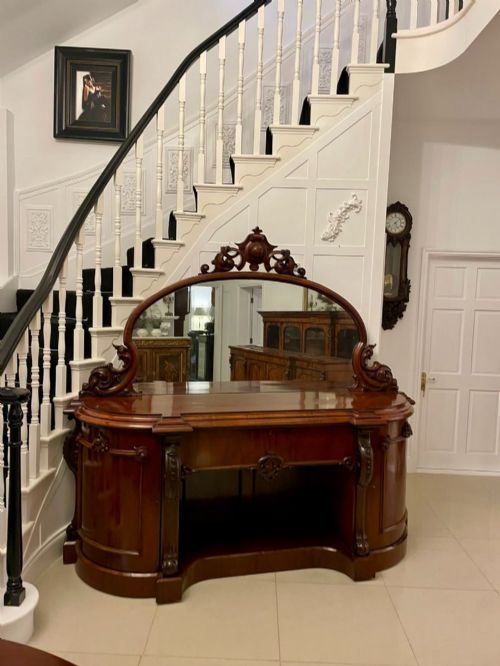
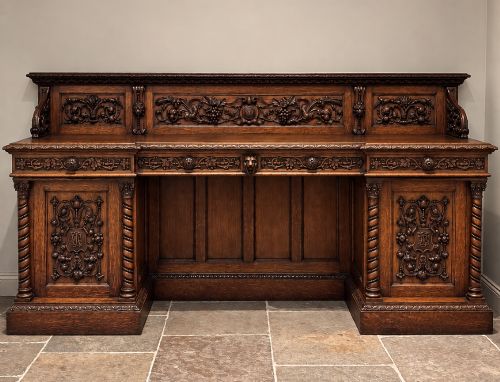
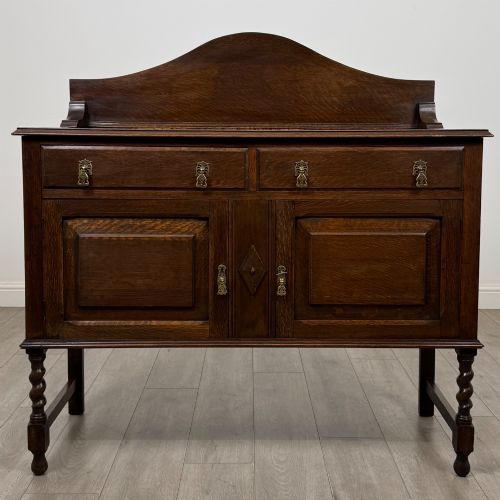
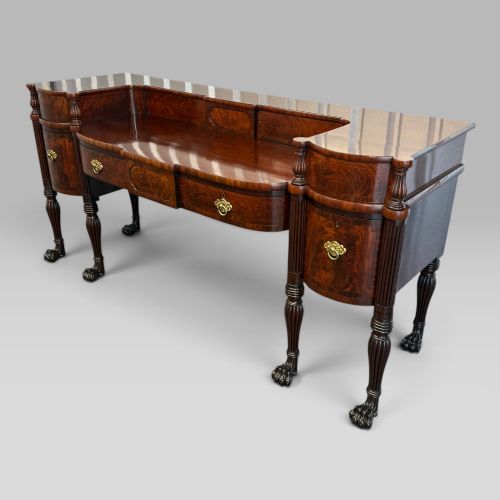
Victorian and Edwardian iterations dominate the selection, bringing heavy carved ornamentation, mirrored backs, and barley twist supports into dining spaces. Earlier Georgian and eighteenth-century examples lean towards simpler lines, often featuring inlaid details and serpentine fronts.
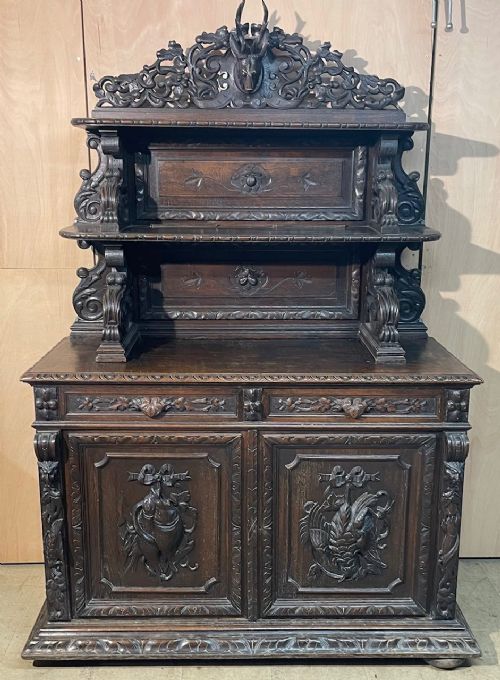
Buyers encounter everything from Scottish oak buffets in a Gothic taste to French hunting sideboards and Anglo-Indian carved cabinets. Smaller bow-front cupboards and side cabinets provide compact storage alternatives for contemporary rooms.
Markers of distinction and craftsmanship
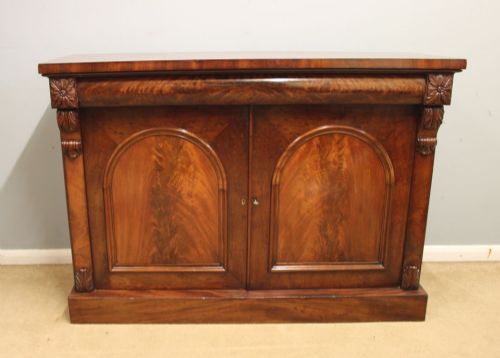
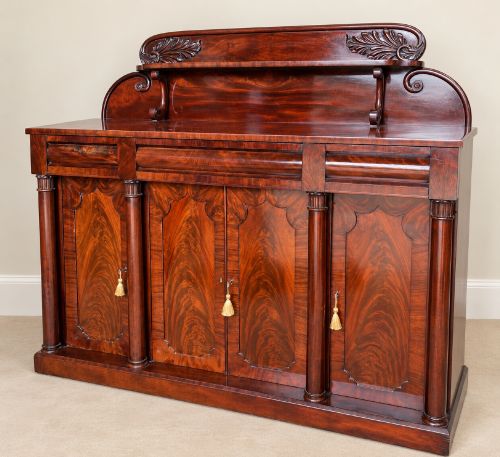
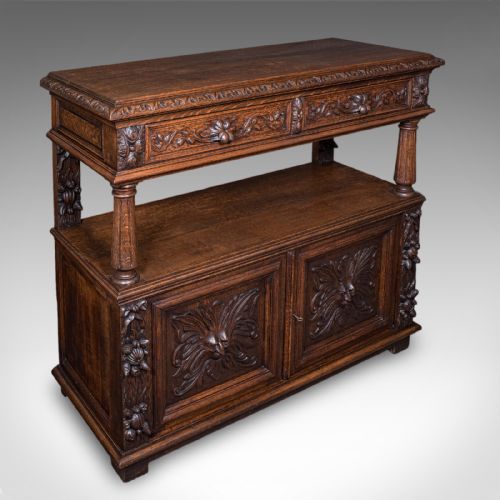
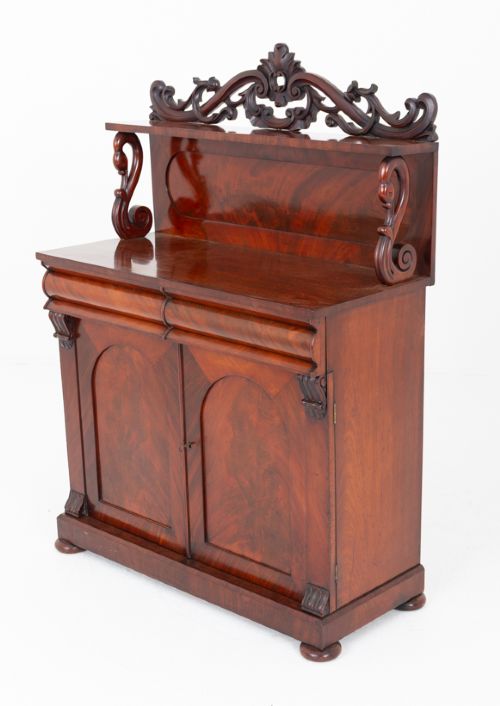
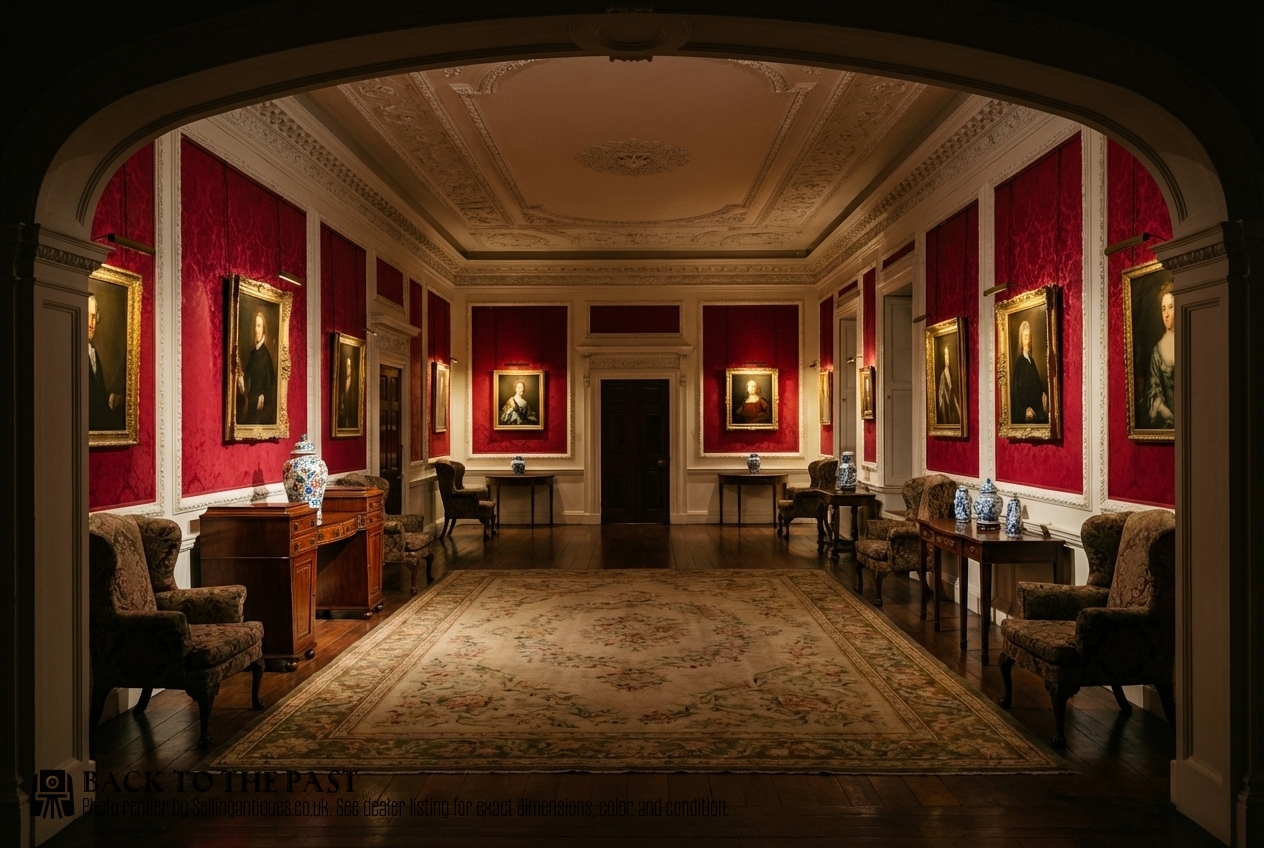
The degree of hand carving and the selection of timber figure heavily dictate the distinction between standard examples and exceptional works. Flame mahogany veneer displays vibrant grain patterns that require expert book-matching, while heavily carved oak displays deep relief work executed by skilled hands.
Proportion and hardware integration also set pieces apart, from inlaid serpentine fronts to structural additions like mirror backs and barley twist columns. Original brass fittings and stable joinery indicate superior workshop standards from their respective periods.
Dark Wood Server Cabinet Retail Price Guide 2026
Typical asking prices for dark wood server cabinet among the pieces listed under this phrase on Sellingantiques today, from the lower quarter to the upper quarter. They describe what is for sale here now, not the wider market.
Listings feature mahogany, oak, and rosewood constructions spanning the Georgian, Victorian, and Edwardian periods.
The Dark Wood Server Cabinet Glossary
- Chiffonier
- A low sideboard or cabinet, typically featuring shelves or a small mirror on the upper section. These pieces gained popularity during the nineteenth century for drawing room and dining room storage.
- Dresser Base
- A heavy wooden table structure featuring drawers and cupboards beneath the main surface. Earlier country pieces often combine oak and elm construction.
- Flame Mahogany Veneer
- A thin slice of mahogany timber cut from the fork of the tree to create a distinctive flickering flame pattern. Cabinet makers applied this over a secondary wood base.
- Serpentine Front
- A furniture facade curved in a wave shape, presenting a convex centre flanked by concave ends. This technique required advanced woodworking skill.
- Barley Twist
- A turned wooden column resembling the spirals of a barley stalk. This decorative turning style appears frequently on Edwardian oak supports.
Dark Wood Server Cabinet: Frequently Asked Questions
How do I style a dark wood server cabinet?
Position the piece against a main dining room wall to anchor the space and provide a surface for serving food or displaying ceramics. The deep cupboards and drawers store heavy tableware, linens, and bottles.
Balance the dark timber tones with lighter wall colours, or pair the unit with matching dining furniture from the Victorian or Edwardian periods for a cohesive interior scheme.
What is the difference between a sideboard and a server?
Sideboards and servers both provide storage and surface area in dining spaces, though servers generally lean towards slightly more compact dimensions designed for presenting dishes. In historical listings, these terms often overlap with buffets and chiffoniers.
Larger variations feature mirror backs and extensive cupboards, while smaller side cabinets offer similar function in restricted spaces.
How do I identify the wood type?
Examine the grain patterns and colour variations across the cabinet surfaces to distinguish between oak, mahogany, and rosewood. Mahogany displays a reddish-brown hue that deepens with age, sometimes enhanced by flame veneer figuring.
Oak presents a pronounced open grain with characteristic medullary rays, while rosewood exhibits dark streaks against a rich brown background.
Can these cabinets fit in modern homes?
These storage units adapt easily to contemporary interiors by serving as functional credenzas in living rooms, hallways, or dining areas. Their deep cupboards conceal modern electronics, media equipment, or dinnerware while adding historical character.
Selecting smaller bow front cupboards or low side cabinets ensures the furniture suits apartments or rooms with limited floor space.