

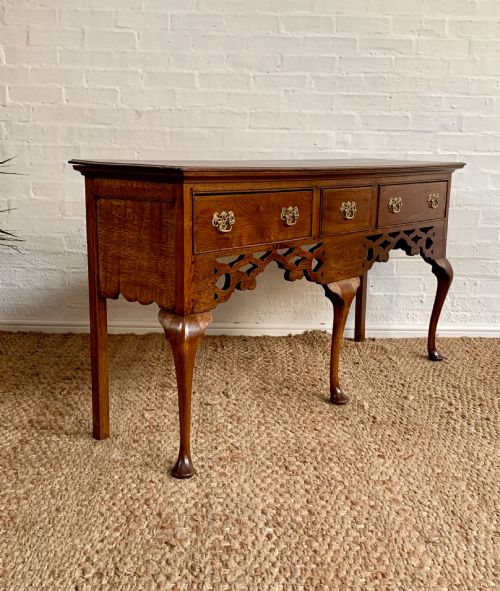
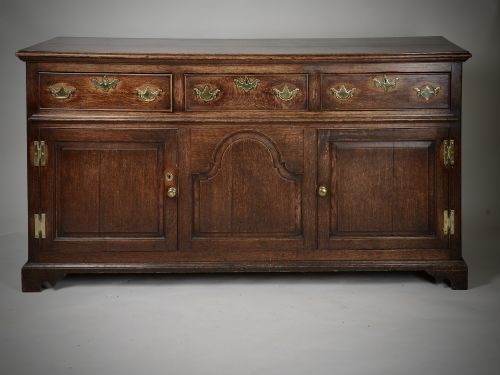
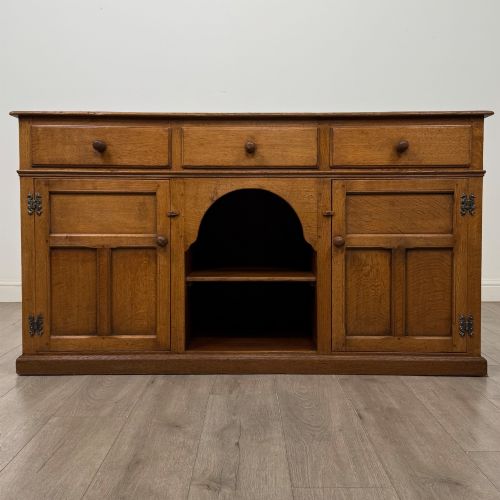
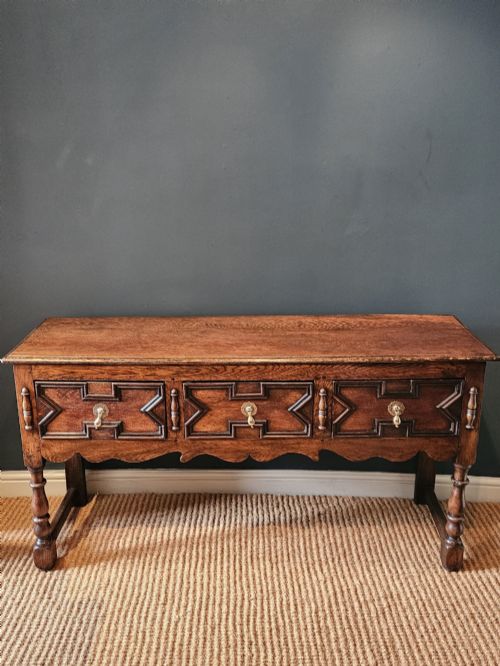
Three Drawer Sideboard
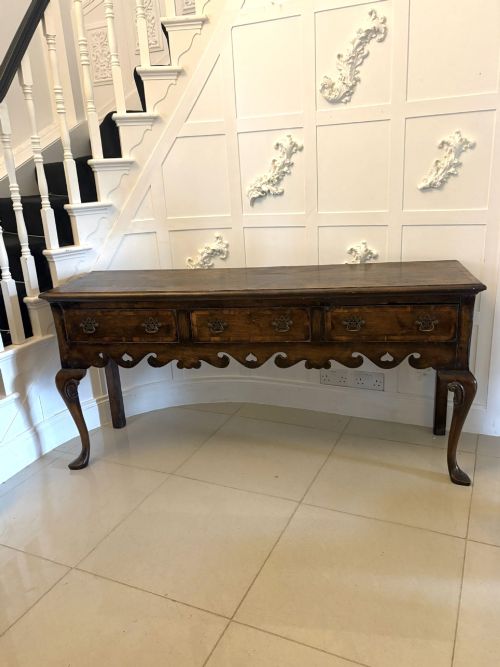
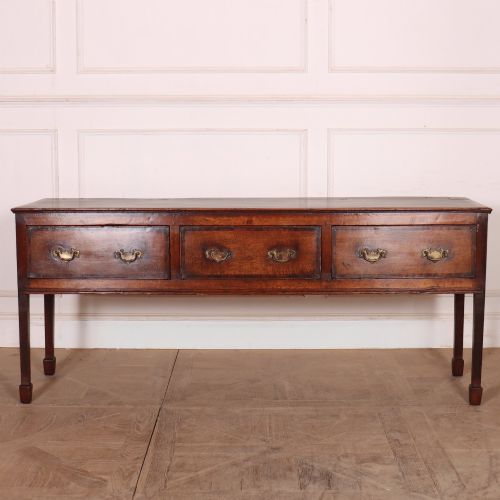
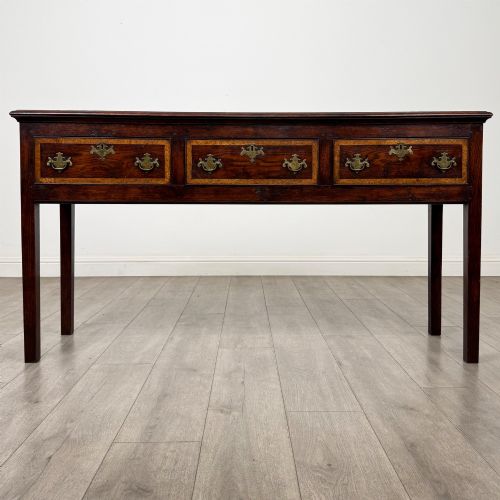
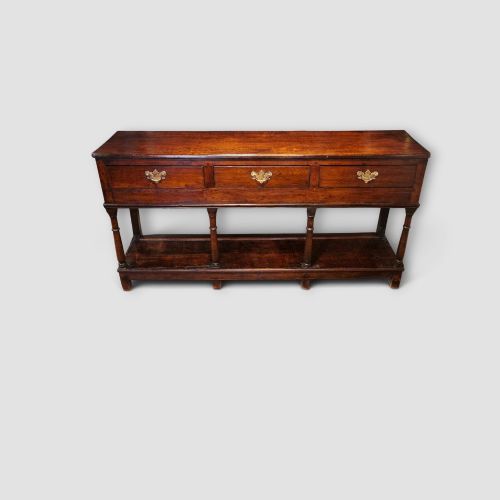
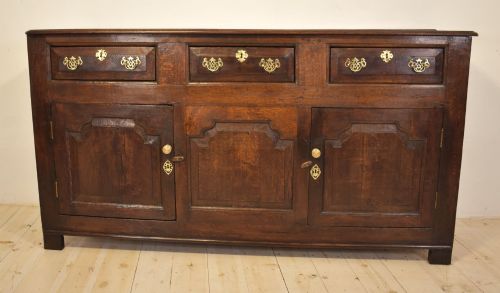
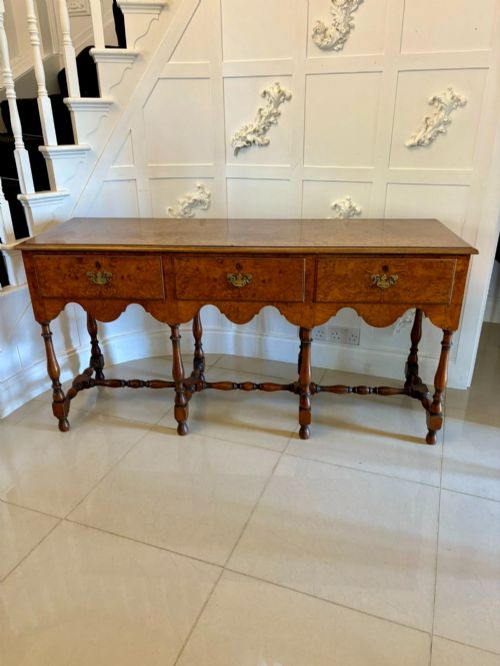
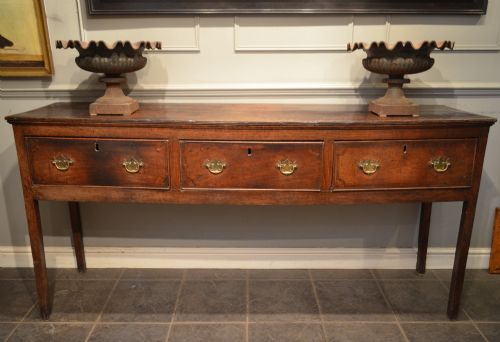
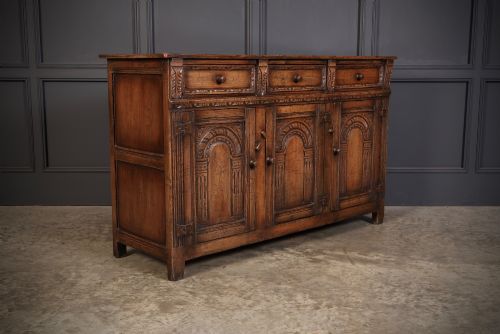
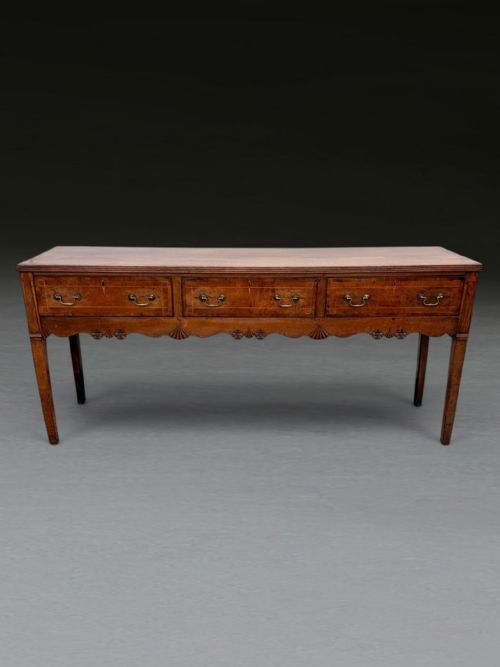
A three drawer sideboard provides generous storage beneath a long timber surface, appearing most often as a sturdy oak dresser base from the eighteenth century.

Three Drawer Sideboard
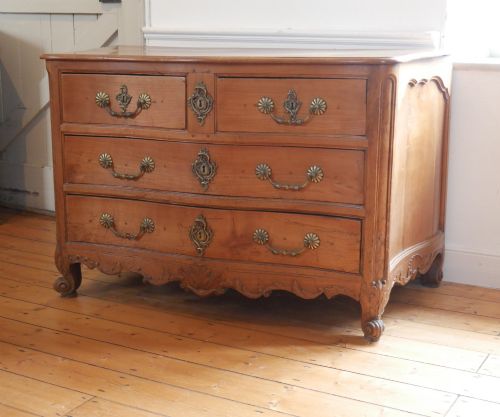
When you search for a three drawer sideboard, you encounter low timber serving pieces, dresser bases, and commodes designed for utility and display in dining rooms and kitchens. The earliest examples date to the eighteenth century, constructed primarily in regional English and Welsh workshops to hold domestic provisions and tableware.
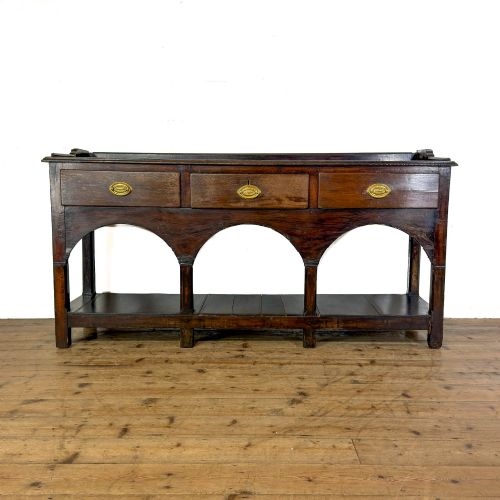
You are most likely to meet an oak dresser base on this page, often featuring a low potboard shelf beneath the drawers for storing heavy crockery. These foundational forms bridge the gap between open servers and enclosed cupboards, maintaining a low profile that suits modern living spaces just as well as historic interiors.
How they were made
Makers relied heavily on solid oak, pine, and walnut, selecting timber for its strength and grain rather than decorative veneer. Boards were joined using traditional mortise and tenon construction, while drawer fronts frequently incorporated hand-cut dovetails to withstand daily pulling.
Surfaces were finished with natural wax, oil, or early paint layers that accrued patination over centuries of cleaning and handling. Iron and brass drop handles, often mounted on brass backplates, secured the drawer fronts and added subtle metallic contrast to the dark wood.
Listings feature eighteenth and nineteenth-century oak, walnut, and pine pieces, spanning Georgian, Victorian, and Edwardian periods.
What varies in quality
The distinction between ordinary utility furniture and superior cabinet work rests on the selection of timber and the crispness of the joinery. Finer pieces display carefully chosen grain patterns across the drawer tiers and retain their original brass hardware, whereas utilitarian examples utilise simpler pine carcases and replaced fittings.
Proportion and architectural detail also separate standard regional pieces from exceptional examples. A well-balanced base with clean geometric mouldings, cabriole legs, or an integrated potboard demonstrates a higher level of workshop skill than a plain, heavy-handed construction.
The Three Drawer Sideboard Glossary
- Dresser base
- The lower portion of a traditional kitchen or dining dresser, comprising a long counter surface above multiple drawers and sometimes a lower shelf. These pieces functioned as standalone servers long before modern sideboards became common.
- Potboard
- An open slatted or solid lower shelf positioned between the legs of a dresser base, traditionally used to store pots, pans, and heavy crockery. This lower platform provides structural stability to the entire frame.
- Commode
- A low piece of furniture featuring multiple tiers of drawers, originating in France and typically constructed from finer cabinet timbers like walnut or kingwood. They often incorporate marble tops and refined serpentine fronts.
- Geometric moulding
- Raised wooden decoration applied to drawer fronts or panels in angular, repeating patterns. This technique adds architectural depth and visual rhythm to seventeenth and eighteenth-century case pieces.
- Cabriole leg
- A furniture leg that curves outward in a convex shape at the top and tapers inward in a concave curve toward the foot, terminating in a pad or scroll. This organic form gained popularity during the Georgian period.
Three Drawer Sideboard: Frequently Asked Questions
What is a three drawer sideboard?
A three drawer sideboard is a low storage unit featuring a horizontal surface for serving above a tier of three drawers. They often take the form of eighteenth-century oak dresser bases or nineteenth-century commodes.
These pieces were built to organise household dining equipment, linens, and provisions while offering a sturdy surface for food preparation or display.
How were dresser bases used?
Dresser bases served as the primary workhorses in country houses and farm kitchens, holding heavy dishes, cutlery, and cooking ingredients. The top surface acted as a counter for plating meals before they entered the dining room.
Lower shelves held bulky pots, while the drawers kept smaller implements secure and out of sight during daily domestic life.
How do I style a wooden sideboard?
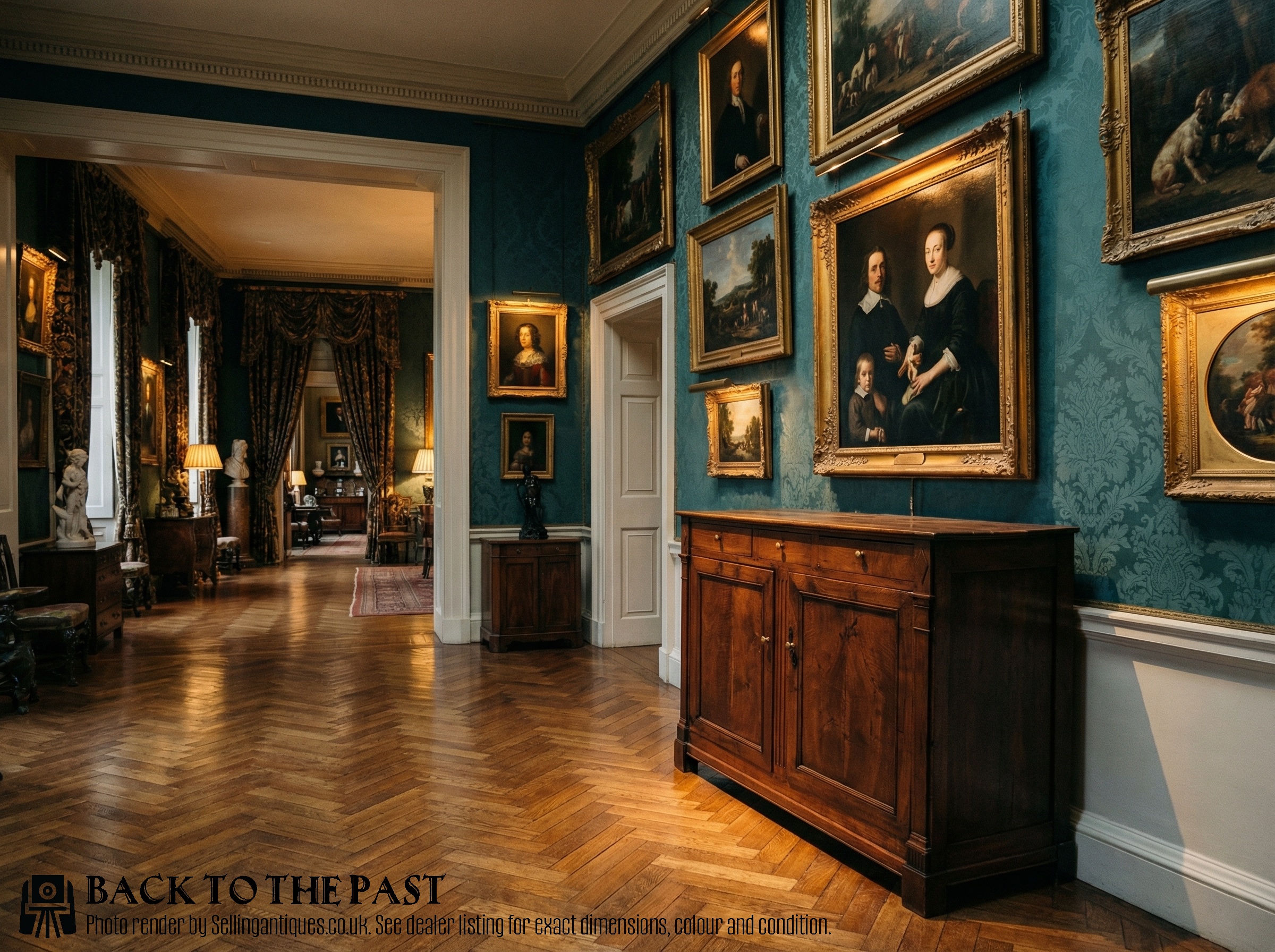
A wooden sideboard anchors a room naturally when paired with contrasting textures like ceramic lamps, linen runners, or framed artwork hung above. The warm tones of aged oak or walnut complement both traditional and modern living spaces.
Utilising the drawers for everyday storage keeps tabletops clear, allowing the grain and patination of the historic timber to remain the focal point.
How do I date an antique sideboard?
Dating relies on examining construction methods, such as hand-cut dovetails on the drawers, tool marks on the timber, and the style of the hardware. Eighteenth-century pieces generally feature pegged mortise and tenon joints and heavy oak carcases.
Later Victorian and Edwardian examples often incorporate machine-sawn elements, softer pine linings, or different secondary woods that reflect industrial manufacturing shifts.