




Antique Chestnut Furniture
Antique chestnut furniture brings warmth and robust character to a room, offering sturdy utility shaped by regional European traditions.

Antique Chestnut Furniture
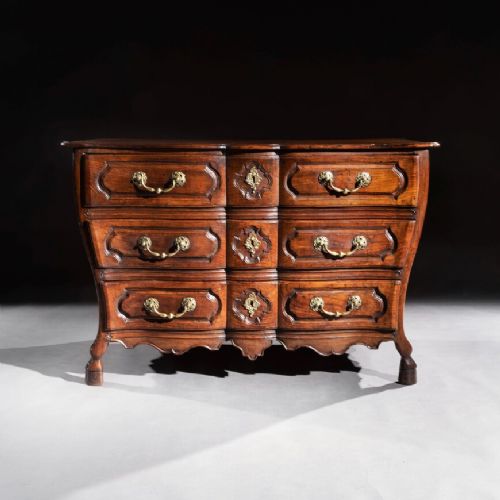
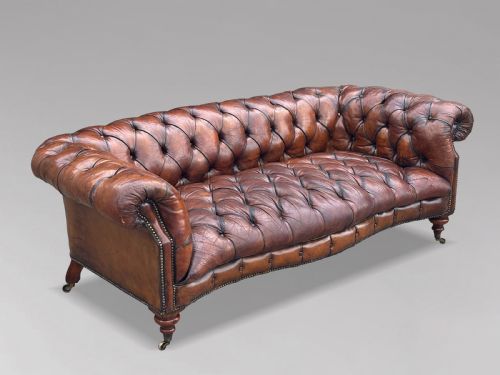
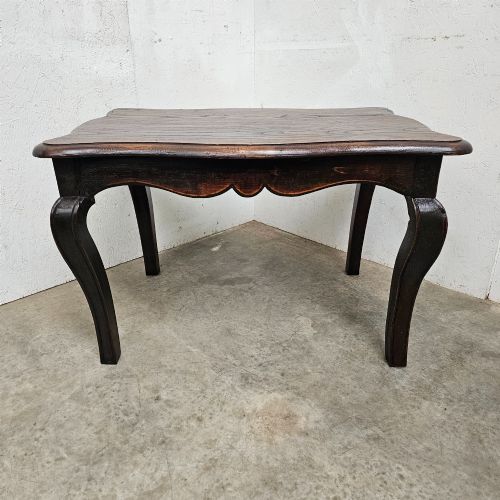
The most common forms on this page include storage pieces like armoires, cupboards, dressers, and commodes, alongside seating such as settles and benches. Low tables and farmhouse tables also appear, constructed from solid chestnut timbers.
Makers utilised the dense, durable nature of chestnut to build utilitarian furniture for provincial homes. Over time, exposure and use have given these surfaces a rich patina that defines their appeal.
Materials and construction
Craftsmen built these pieces using solid chestnut, occasionally pairing the wood with secondary timbers like oak, yew, or mahogany in transitional styles. Iron and brass hardware, including hinges and drawer pulls, fasten and reinforce the wooden elements.
Joinery methods rely on traditional panelled construction, hand-carved details, and pegged joints designed to withstand heavy daily use. Surfaces often show the marks of hand tools, reflecting the provincial workshops where they originated.
Antique Chestnut Furniture Retail Price Guide 2026
Typical asking prices for chestnut furniture among the pieces listed under this phrase on Sellingantiques today, from the lower quarter to the upper quarter. They describe what is for sale here now, not the wider market.
Some nineteenth-century cabinets on this page started life as enclosed wooden sleeping berths in rural Brittany.
Factors that determine quality
Quality rests in the integrity of the timber and the depth of the surface patina developed through age and use. Finer examples retain their original structural joinery and untouched surface finishes without excessive modern intervention.
Carved decoration varies from simple regional folk art motifs to more sophisticated provincial styling. Pieces that retain their original brass or iron hardware and unblemished panel work sit at the higher end of the range.
The Antique Chestnut Furniture Glossary
- Commode
- A low chest of drawers or cabinet, often featuring shaped fronts in provincial French pieces.
- Settle
- A wooden bench with a high back and solid arms, designed to block drafts in older homes.
- Armoire
- A large cupboard used primarily for hanging clothes or storing household linens.
- Lit-clos
- A traditional enclosed box bed from Brittany, the fronts of which are sometimes adapted into cabinets.
- Patina
- The surface sheen and colour developed over decades through handling, polishing, and natural ageing.
Antique Chestnut Furniture: Frequently Asked Questions
How do I care for chestnut furniture?
Keep wooden pieces away from direct heat sources and sudden humidity changes to prevent the timber from splitting. Feed the wood occasionally with a suitable wax to maintain the finish.
Avoid using harsh chemical polishes that can strip the natural patina. A soft, dry cloth is sufficient for regular dusting.
Where was this furniture made?
Most pieces originate from regional European workshops in France, Spain, and Britain. Rural makers used locally available timber to supply sturdy domestic items.
Styles often reflect specific provincial traditions, such as Breton folk art or French provincial cabinet making.
Is chestnut similar to oak?
Chestnut shares a similar strength and heavy grain with oak, making it equally durable for large storage pieces and tables. It tends to take on a warmer, softer tone as it ages.
Carpenters frequently utilised both woods interchangeably in regional furniture construction.
How do I date a piece?
Dating relies on examining the construction methods, tool marks, and style of the hardware. Hand-cut joints and original fixings provide clues to the century of manufacture.
Comparing the form to known regional types helps narrow down the production period.