



Antique French Buffet Base
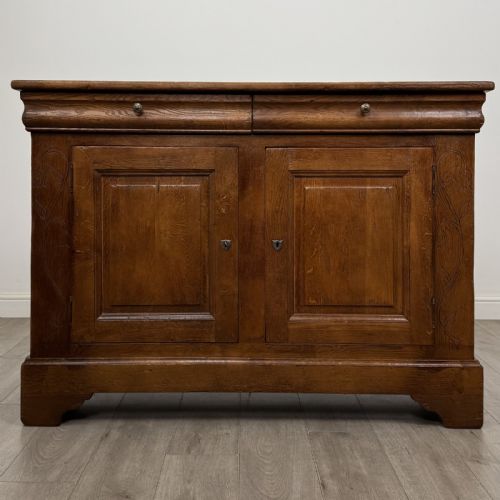
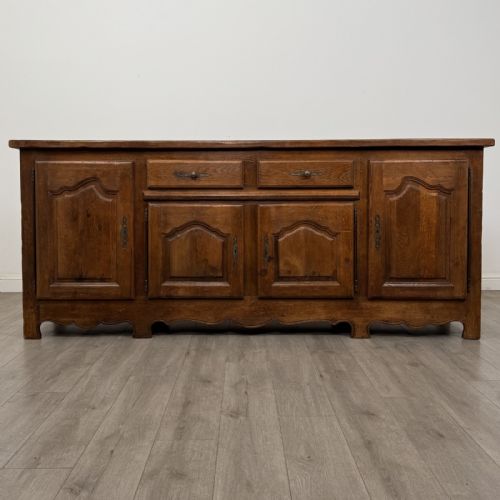
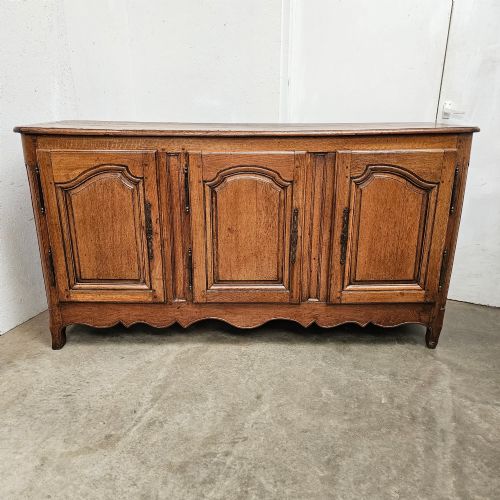
An antique french buffet base grounds a room with sturdy storage and undeniable regional character, offering practical surface space alongside time-worn timber.

Antique French Buffet Base
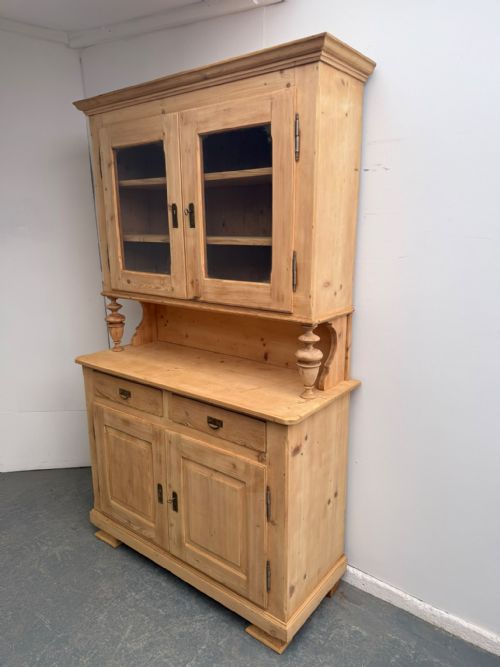
An antique french buffet base encompasses substantial country sideboards, low dressers, and storage cupboards originating from various European regions and domestic settings. Buyers searching for an antique french buffet base will encounter solid timber forms designed for daily utility, often featuring two or three doors alongside useful drawer configurations. These low storage pieces date from the eighteenth century through the nineteenth century, reflecting regional cabinet-making traditions that prioritise accessible surface space and heavy storage capacity.
The material selection on this page ranges widely across domestic hardwoods, featuring examples built from oak, cherrywood, fruitwood, elm, and chestnut. Many pieces display simple provincial panelled construction suited to country interiors, while others adopt formal styling such as Louis XV or Empire forms. Housekeepers' cupboards, dressers, and enfilades also appear within the selection, showing how rural households stored provisions and tableware across generations.
Materials and construction methods
Cabinet makers utilised durable regional timbers like solid oak, fruitwood, and cherrywood to build frames that endured heavy domestic use. Traditional joinery methods secured panelled doors and thick tops, often relying on pegged joints and hand-planed surfaces rather than machine production. Iron and brass hardware such as hinges and locks provided both structural reinforcement and functional closure for large doors and drawers.
Surfaces received straightforward treatments including wax polishing or traditional paint finishes that protected the wood while developing a deep patina over decades of service. Elm and chestnut timbers offered stability and distinct grain patterns, which makers selected specifically for prominent doors and drawer fronts.
Antique French Buffet Base Retail Price Guide 2026
Typical asking prices for french buffet base among the pieces listed under this phrase on Sellingantiques today, from the lower quarter to the upper quarter. They describe what is for sale here now, not the wider market.
Housemaids and housekeepers stored daily kitchen provisions inside these heavy timber cupboards, leaving centuries of honest wear on the locks.
Differentiating quality across pieces
Quality in these low storage units rests primarily on the selection of timber and the integrity of the original construction. Superior examples exhibit tightly grained hardwoods, well-balanced proportions, and minimal structural alterations over time. The crispness of panel moulding and the smooth operation of heavy timber drawers further distinguish finer workshops from utilitarian domestic pieces.
The presence of original iron or brass hardware contributes significantly to a piece's integrity, as replacement handles or hinges alter the historical balance. Furthermore, depth of patina and the survival of early wax or painted surfaces indicate how respectfully a buffet base has been maintained through its working life.
The Antique French Buffet Base Glossary
- Enfilade
- A long sideboard featuring three or more doors in a continuous line, commonly found in larger French dining rooms. This form provides expansive surface area and considerable interior shelving.
- Fruitwood
- Timber harvested from fruit-bearing trees such as pear or apple, prized by provincial cabinet makers for its fine grain and warm tone. It was frequently used alongside oak in regional furniture.
- Dresser Base
- The lower section of a kitchen dresser, functioning as a standalone sideboard with drawers and cupboards beneath a solid wooden top. These items served as central work surfaces in traditional country kitchens.
- Patina
- The deep sheen and surface alteration developed on wood and metal through decades of handling, polishing, and exposure to light. Collectors value this visual evidence of age above newly applied finishes.
Antique French Buffet Base: Frequently Asked Questions
What is an antique french buffet base used for?
These low cabinets serve as practical storage units in dining rooms, hallways, and kitchens, holding tableware, linens, and dry goods.
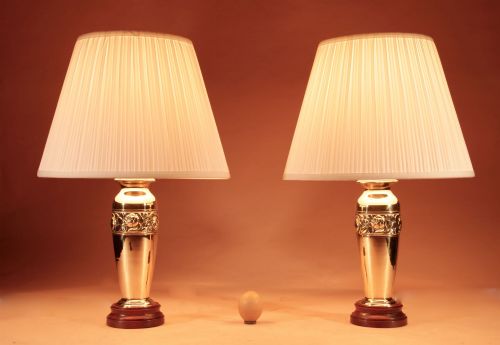
The flat timber top also provides a generous surface for displaying lamps, ceramics, or decorative objects while anchoring the surrounding wall space.
How do I date an antique french buffet base?
Dating relies on examining the construction methods, tool marks, timber species, and style indicators such as panel shapes and hardware.
Eighteenth-century examples typically show hand-split boards and pegged joinery, whereas nineteenth-century pieces often incorporate standardised sawn timber and different hinge types.
Are these buffet bases made of solid wood?
The pieces listed utilise solid regional hardwoods such as oak, cherrywood, elm, chestnut, and fruitwood throughout their primary structures.
Provincial cabinet makers relied on thick timber planks for tops, sides, and doors to ensure longevity in domestic environments.
How should I care for a wooden buffet base?
Maintenance involves applying natural beeswax periodically to nourish the dry hardwood and protect the surface from moisture.
Keep the furniture away from direct heat sources and sudden temperature fluctuations to prevent the timber from splitting.