






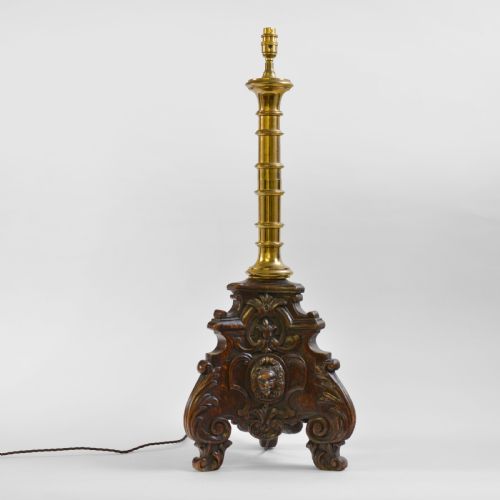

Dark Wood Mask
Dark wood mask examples bring together rich timber and carved character, offering a distinct focal point for a room.
Dark Wood Mask
A dark wood mask search phrase leads collectors to carved wooden faces and sculptural representations originating from various regions and periods. These range from African tribal art examples such as Baule and Gouro pieces to Himalayan and Indonesian works.
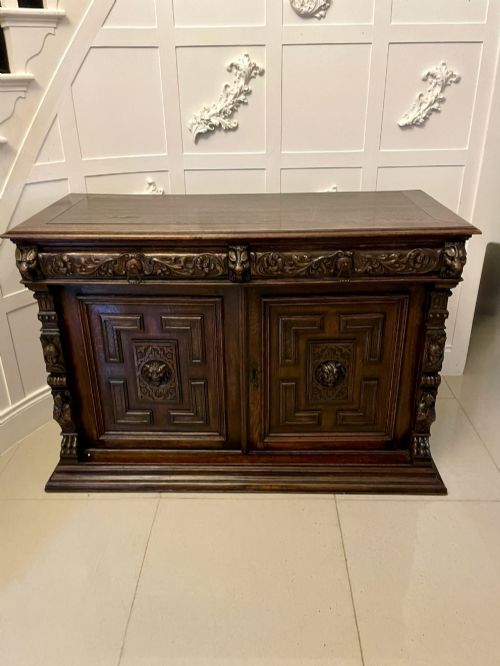
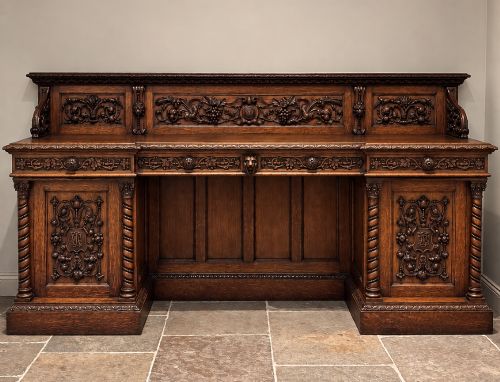
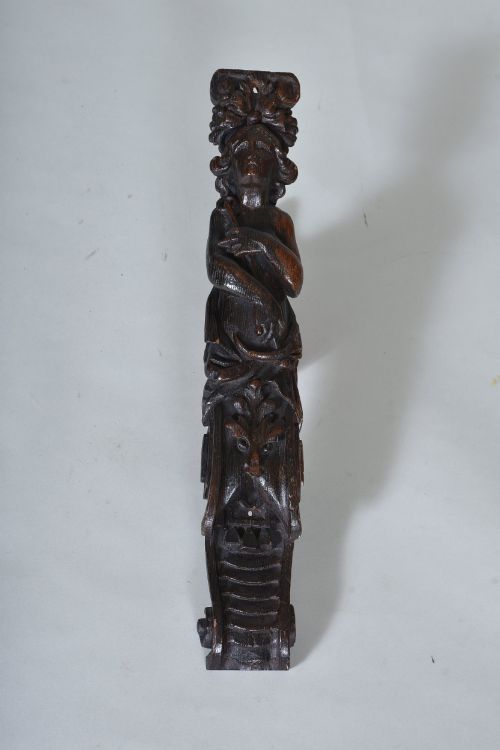
The items found here span the nineteenth century and earlier, taking the form of wall masks, tribal items, and architectural elements. Each piece displays distinct cultural carving traditions rendered in rich timber.
Buyers encounter regional diversity, with items originating from the Ivory Coast, Nepal, Tibet, and Indonesia. This variety ensures that every piece carries specific traditional carving methods.
Materials and construction
Craftsmen utilised dense timbers such as mahogany, walnut, oak, rosewood, and general hardwood to carve these masks and sculptural heads. These durable materials allowed for intricate detail work and deep relief carving.
Assessing quality in carved masks
Condition and originality dictate the standing of a piece, with undisturbed surfaces and authentic tribal or regional wear holding higher regard among collectors. The integrity of the timber without modern repairs preserves the historical character.
The Dark Wood Mask Glossary
- Hardwood
- Timber from broad-leaved deciduous trees, offering dense and durable qualities suitable for detailed carving.
- Tribal art
- Cultural artefacts originating from indigenous communities, encompassing traditional masks and ceremonial objects.
- Patina
- The surface sheen and coloration developed through age, handling, and exposure to the elements over time.
- Treen
- Small handmade wooden domestic objects and decorative carvings collected for their material and age.
Dark Wood Mask: Frequently Asked Questions
How are dark wood masks displayed?
These pieces typically mount directly onto walls as sculptural focal points or rest on specialised stands. Proper placement highlights the carved contours and grain.
Ensure they are kept away from direct heat sources to protect the timber from drying out and splitting over time.
How do I care for wooden masks?
Maintain the surface by dusting gently with a dry, soft cloth rather than using liquid polishes that can build up in carved recesses. Stable room humidity prevents the timber from warping.
Minimal handling preserves the natural patina built up over decades of existence.
Where do these masks originate?
The inventory includes items from West Africa, the Himalayas, and Southeast Asia, reflecting distinct regional artistic traditions. Each geographic area utilised local timber species.
Carving styles correlate directly to the cultural practices of the makers.
How can I date a wooden mask?
Dating relies on examining tool marks, timber shrinkage, and the nature of the surface patina. Nineteenth-century examples show specific wear patterns consistent with their age.
Comparison with documented regional styles helps confirm the period of origin.