
Dark Wood Column Stand
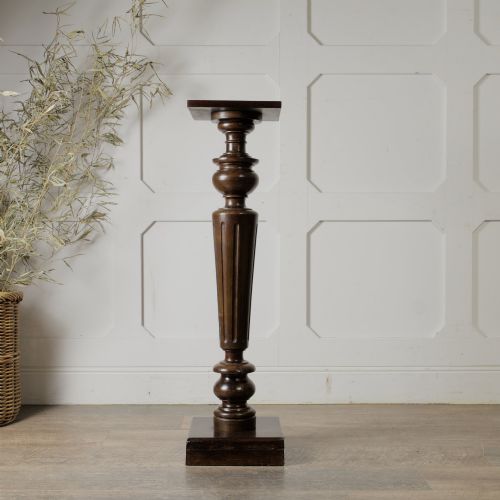
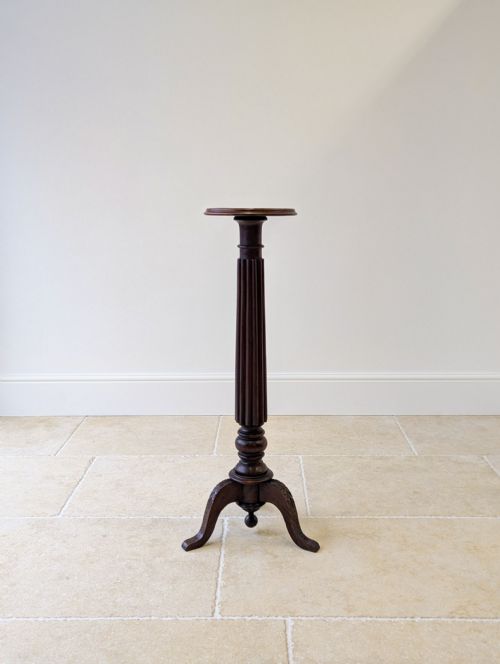
A dark wood column stand brings vertical presence to a corner, lifting plants, sculpture or lighting with quiet architectural authority.
Dark Wood Column Stand
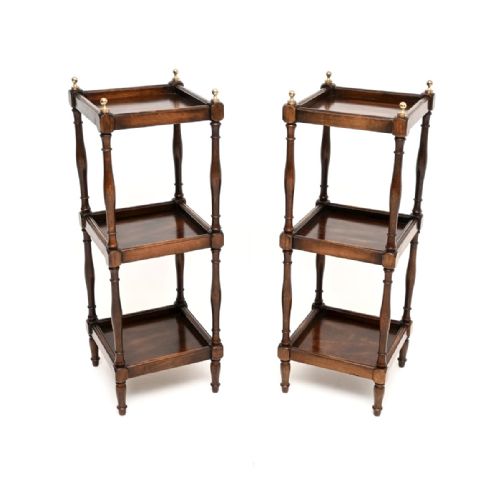
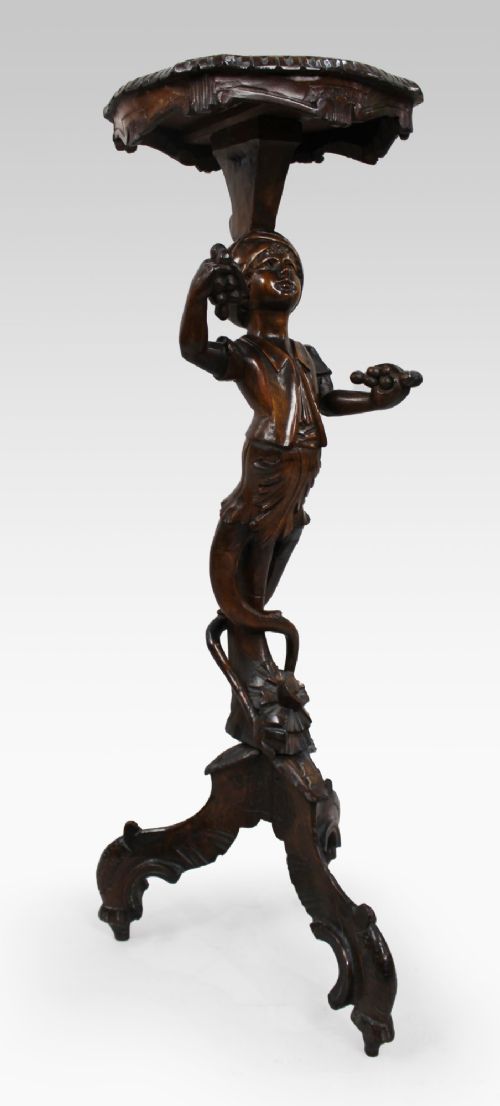
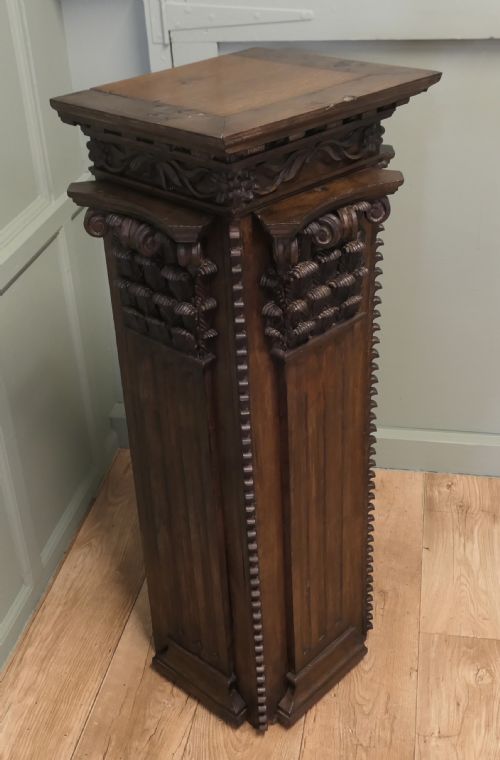
These pieces encompass a varied group of upright supports and display surfaces, frequently encountered here as torchères, pedestals, plant stands and multi-tiered whatnots originating from the Georgian, Regency and Victorian periods.
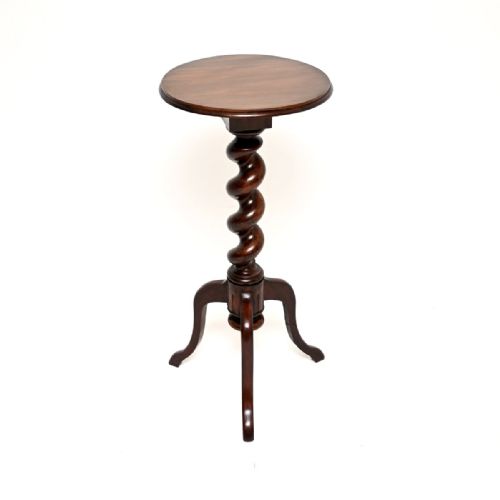
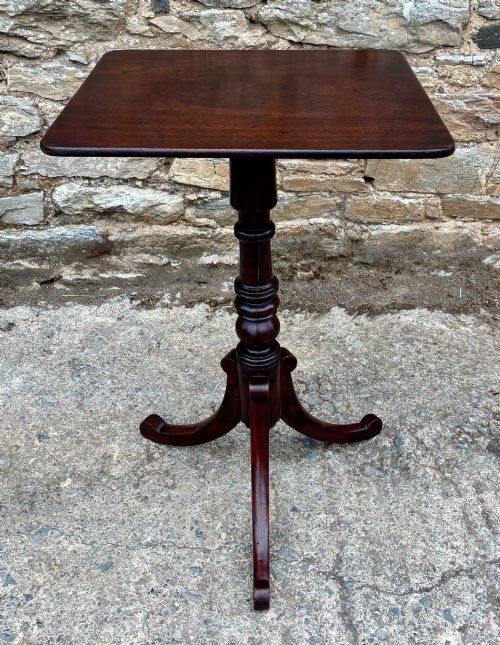
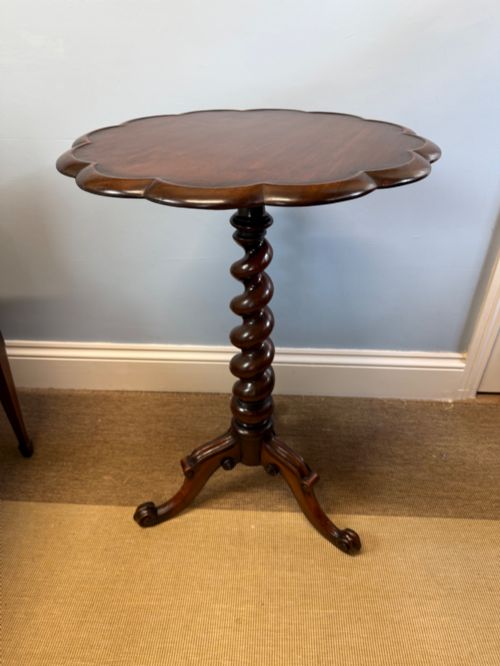
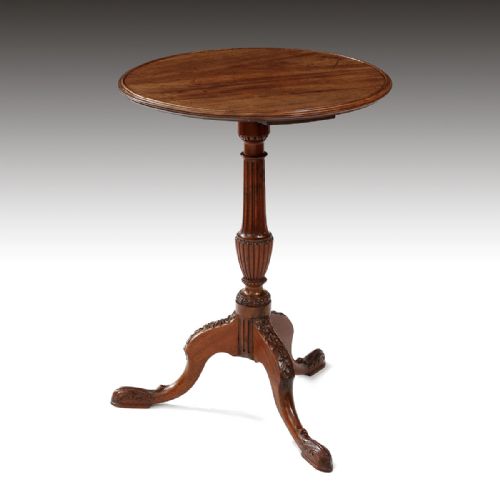
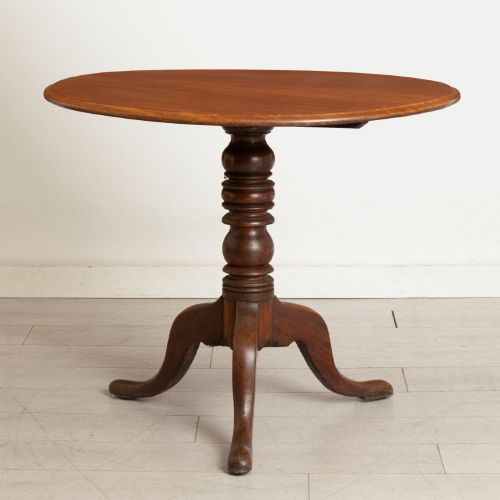
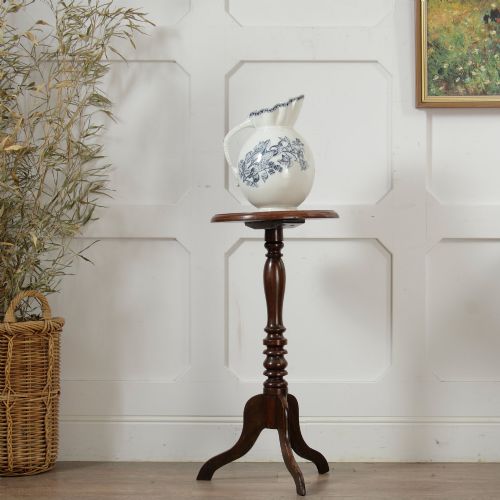
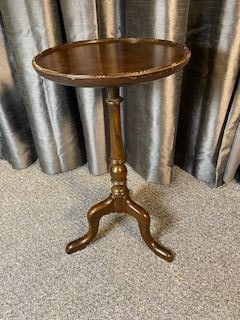
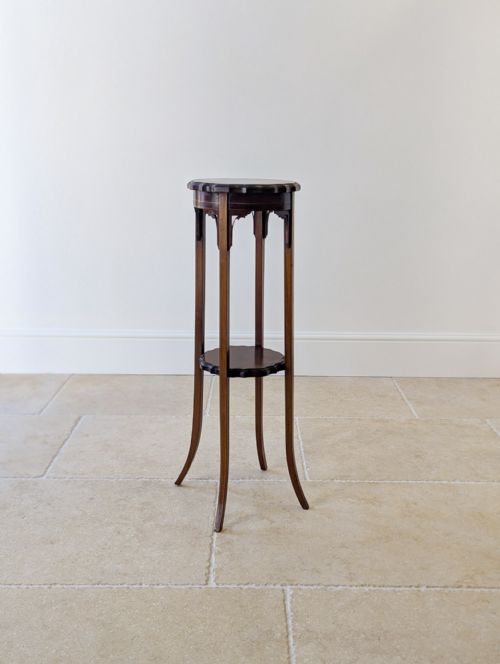
Buyers searching for a dark wood column stand typically discover solid timbers and veneered surfaces configured as tall narrow plinths, tripod wine tables or column-supported display tiers.
Originating largely from the nineteenth century, these upright pieces serve practical functions in domestic interiors while introducing formal architectural lines through turned columns and carved shafts.
Materials and construction methods
Cabinetmakers utilised dense timbers such as mahogany, rosewood, walnut and oak, often combining solid turned columns with finely figured veneers across table tops and plinth bases.
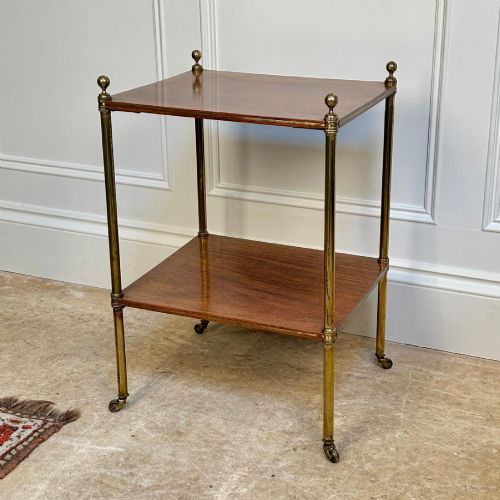
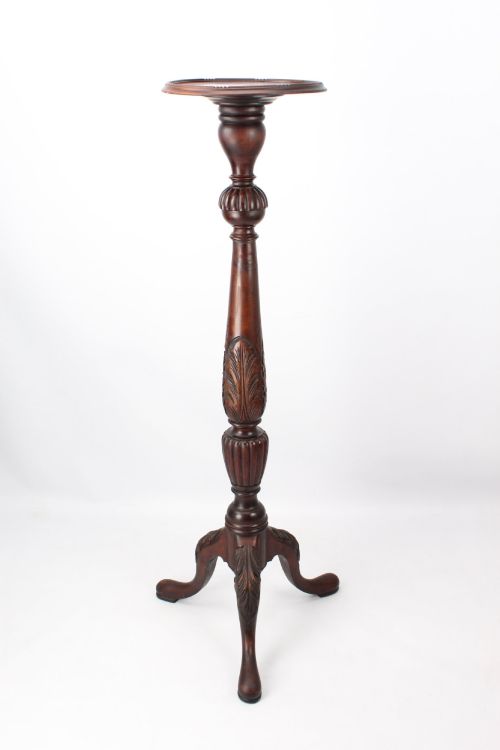
Structural embellishment relied upon hand-carved figural elements, brass mounts, satinwood inlay and turned joinery to assemble stable tripod bases and multi-tiered etag eres.
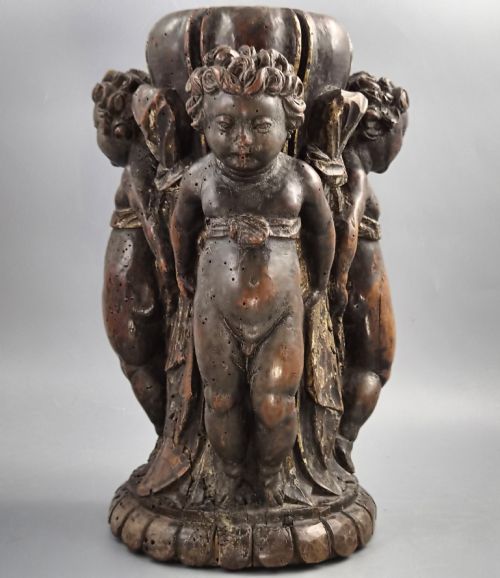
Several stands double as silent floor attendants, gripping marble tops or holding carved putti aloft for centuries.
Distinguishing fine examples
Superior execution shows in the crispness of turned wood columns, the stability of heavy tripod or plinth bases, and the harmonious figuring of mahogany or rosewood surfaces.
The degree of hand-carving on figural pedestals and torcheres separates standard utility pieces from masterworks designed for formal country house interiors.
Gillow
The Dark Wood Column Stand Glossary
- Torchere
- A tall ornamental stand designed specifically to support a lamp, candle or small sculpture. These upright pieces frequently feature slender columns and carved tripod bases.
- Whatnot
- A piece of furniture consisting of multiple open shelves or tiers used for displaying ornaments. They appear in slender columnar forms from the Regency and Victorian eras.
- Tripod table
- A small occasional table supported by a central pillar resting on three legs. This construction ensures stability on uneven floor surfaces.
- Etagere
- A set of open shelves for displaying small objects. These tiered stands developed prominence during the Regency and Edwardian periods.
- Plinth
- The heavy base or square foundation supporting a column or statue. It provides essential counterweight for tall display stands.
Dark Wood Column Stand: Frequently Asked Questions
What is a torchere stand?
A torchere is a tall, slender stand historically designed to hold a light source such as a candle or oil lamp. Today they serve mainly to display plants, urns or sculptural busts.
These pieces rely on a vertical column supported by a weighted base or three legs to maintain stability despite their height.
How do I use a column stand at home?
Column stands fit naturally into unused corners, framing doorways, or flanking fireplace mantels where vertical height draws the eye upward. They provide an elevated platform for trailing plants, ceramic vases or reading lamps.
Matching the period timber of the stand to surrounding furniture anchors the piece within a traditional or eclectic interior scheme.
How do I tell Regency from Victorian stands?
Regency stands generally display restrained classical proportions, architectural reeding, and influences from ancient Greek and Roman design prevalent in the early nineteenth century. Victorian examples often introduce heavier carved ornamentation, turned walnut, and more exuberant revival styles.
Examining the turning techniques and timber selection helps distinguish the crisp linearity of the earlier period from later decorative elaboration.
What timber was used for antique stands?
Mahogany dominates the selection of antique stands, prized for its strength, rich grain patterns, and deep warm tones. Cabinetmakers also turned to rosewood, walnut, and oak depending on the prevailing fashion of the period.
Secondary woods often appear beneath veneers, while decorative details frequently incorporate contrasting satinwood inlay or cast brass mounts.