




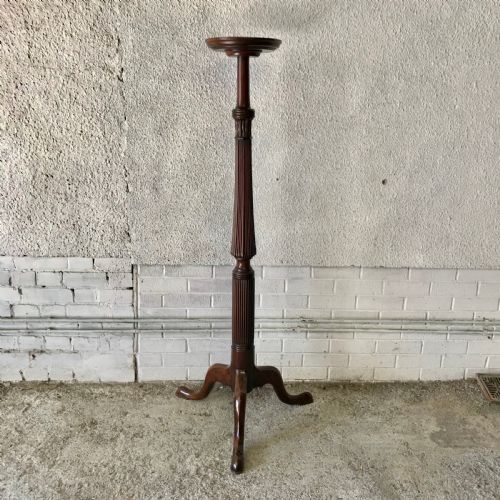

Victorian Fluted Torchere
These Victorian fluted torchere stands are striking tall supports designed to elevate lamps, busts or plants with genuine period presence.
Victorian Fluted Torchere
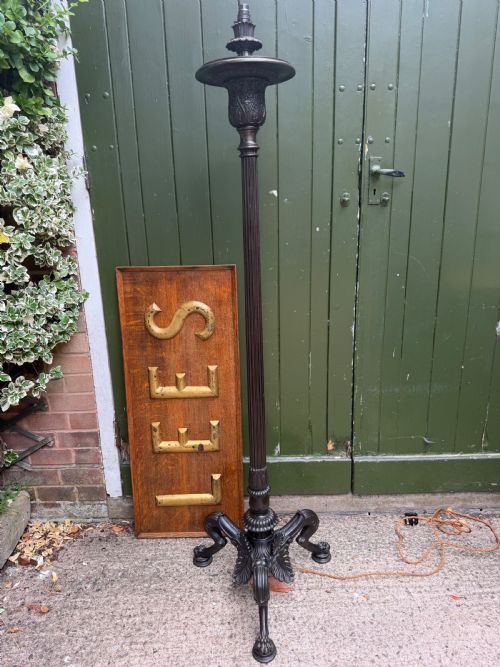
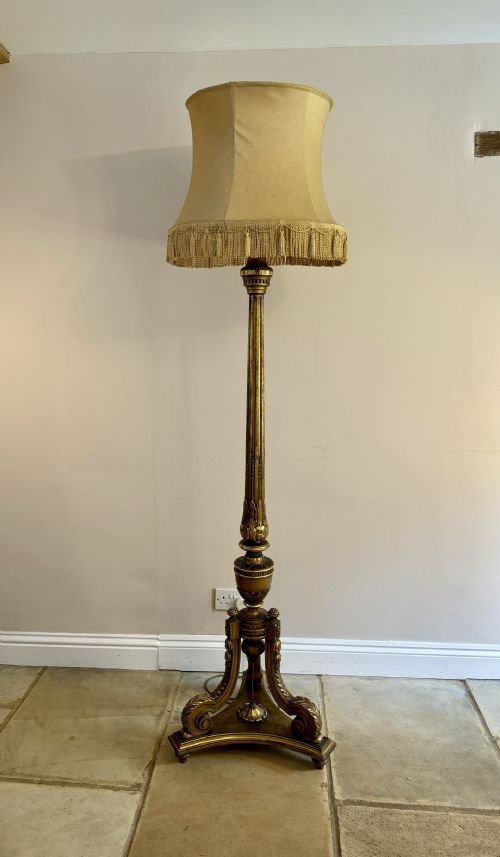
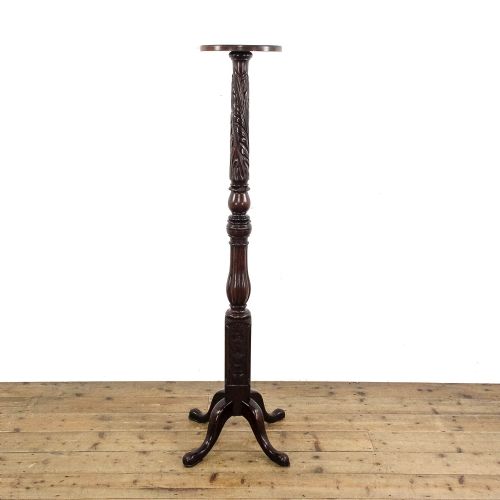
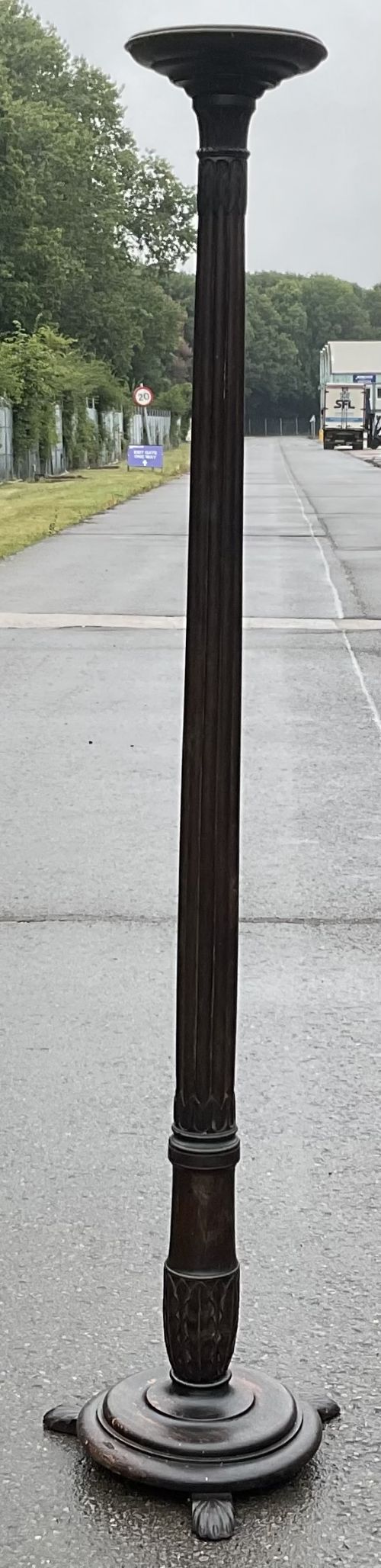
When you search for a victorian fluted torchere, you encounter tall stands and pedestals designed primarily to hold lighting, classical busts or decorative plants in a principal room. The selection here spans the nineteenth century, drawing heavily on Victorian taste alongside earlier Regency influences and later Adam revival designs.
You are most likely to meet mahogany examples featuring characteristic turned and fluted columns, standing alongside cast-iron standard lamps with bronze patination and pieces finished in gilded wood. Forms range from tripod bases to tall column stands and jardiniere supports, reflecting diverse decorative purposes across domestic interiors.
How they were made
Cabinet makers and metalworkers utilised rich timber and durable cast metal to construct these tall supports, turning mahogany and rosewood on lathes to create slender, fluted stems. Other pieces rely on cast iron finished with a bronze patina or employ carved gilded wood to achieve opulent surface effects.
Construction techniques balanced stability with decorative elegance, securing tall columns to tripod or weighted bases so the stands could safely support heavy bronze lamps, marble elements or potted plants.
The site listings feature materials spanning mahogany, cast iron, rosewood, marble, fabric and gilded wood across the Victorian period.
What varies in quality
The distinction between standard examples and the finest pieces lies in the crispness of the carving and the ambition of the design, such as elaborate French gilded work or precise classical Grecian detailing. Timbers selected for the column and base show greater depth of grain in superior items.
Proportion and structural harmony also separate ordinary stands from exceptional ones, where the balance between a slender fluted shaft and a sturdy footing is executed with absolute precision.
The Victorian Fluted Torchere Glossary
- Torchere
- A tall stand designed to carry a light or a decorative object. These pieces lift lamps and ornaments to eye level.
- Fluted
- Having parallel shallow grooves carved vertically along a column or stem. This decorative technique adds vertical emphasis and classical proportion.
- Jardiniere
- An ornamental pot or stand for plants or flowers. These vessels often integrate directly into tall pedestals.
- Tripod
- A three-legged support base providing stability for tall columns. This configuration appears frequently on nineteenth-century stands.
Victorian Fluted Torchere: Frequently Asked Questions
What is a torchere used for?
These tall stands served traditionally to hold lighting, elevating candles or oil lamps to illuminate dark corners of a Victorian drawing room.
Today they function equally well supporting floor lamps, sculptural busts or large indoor plants to create height variation in an interior scheme.
How do I identify a Victorian torchere?
Look for characteristic nineteenth-century timber choices such as mahogany and rosewood, alongside styles referencing classical revivals like Adam and Regency.
Key indicators include turned and fluted columns, tripod bases and traditional joinery methods typical of the period.
Where should I place a torchere stand?
Their tall, narrow profile makes these stands ideal for filling empty corners, framing doorways or standing beside heavy furniture in principal reception rooms.
Ensure they occupy stable flooring where their height will not be disrupted by daily movement.
Are these stands suitable for modern lighting?
Many examples adapted over time function effectively as standard lamps, carrying wired fittings while retaining their antique columns.
They offer a traditional alternative to standard contemporary floor lighting while maintaining a distinct historical character.