
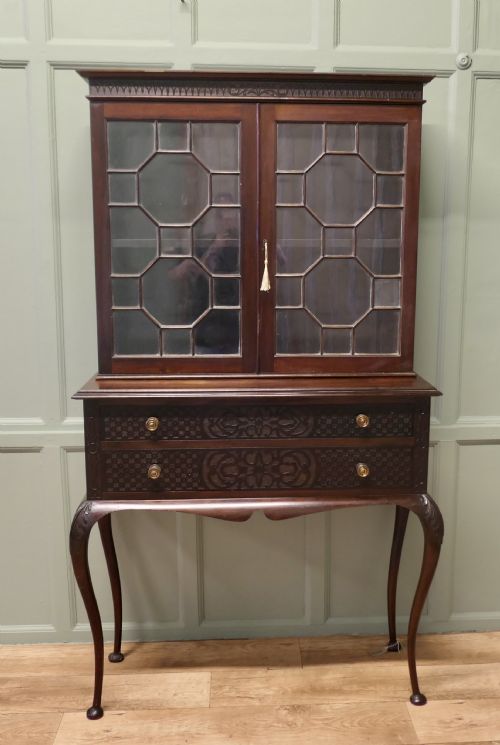
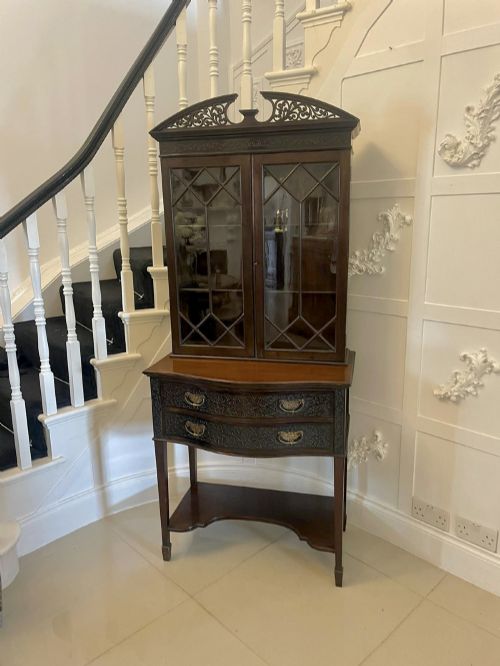
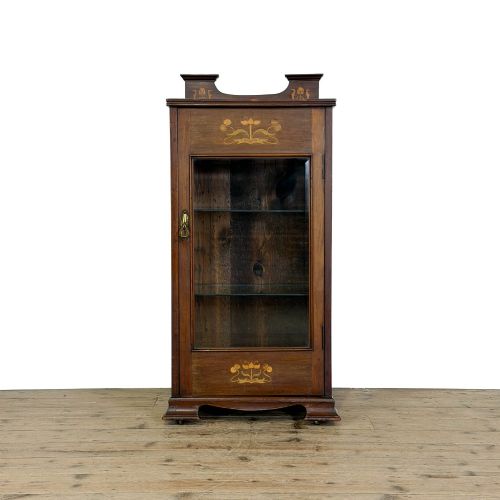
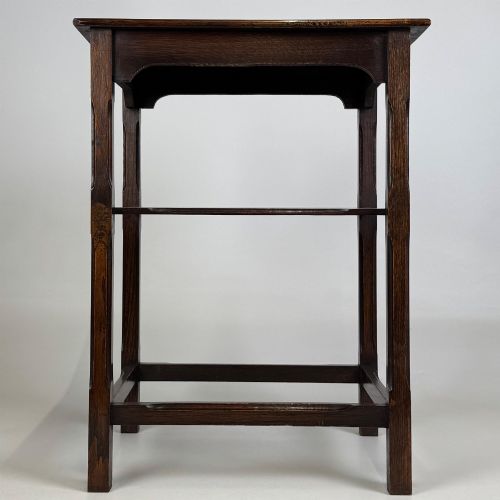


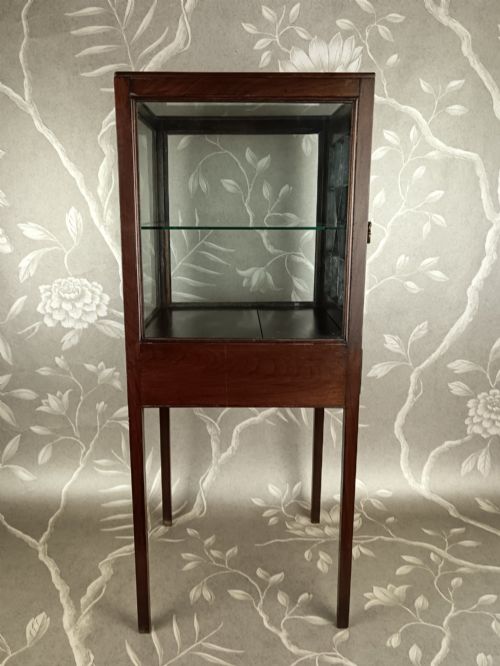
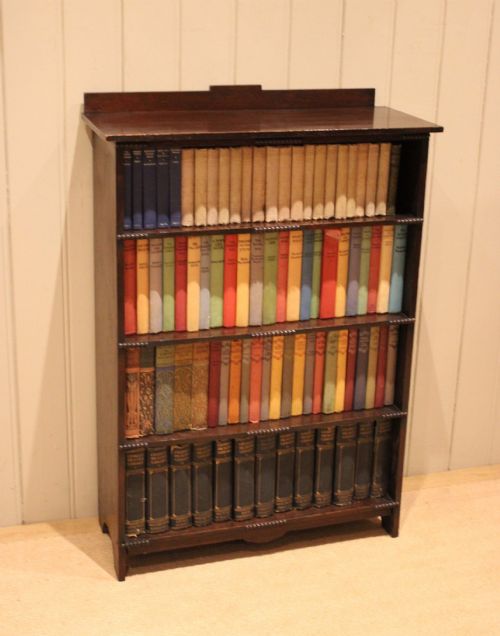
Dark Wood Cabinet on Stand
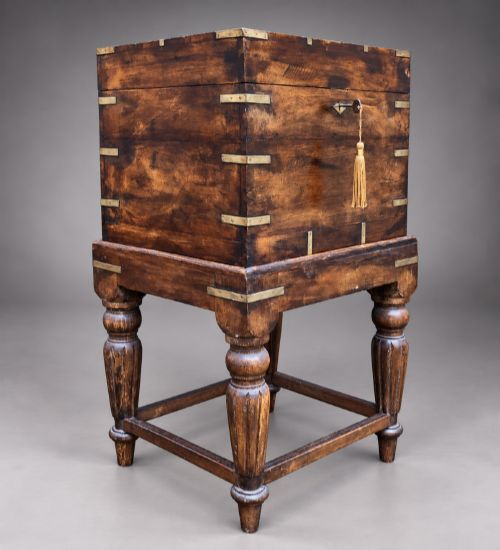
A dark wood cabinet on stand brings structured elegance and rich grain to a room, offering elevated storage grounded by distinct legs.
Dark Wood Cabinet on Stand
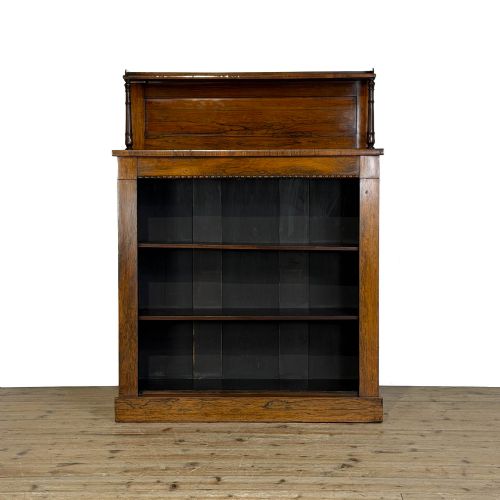
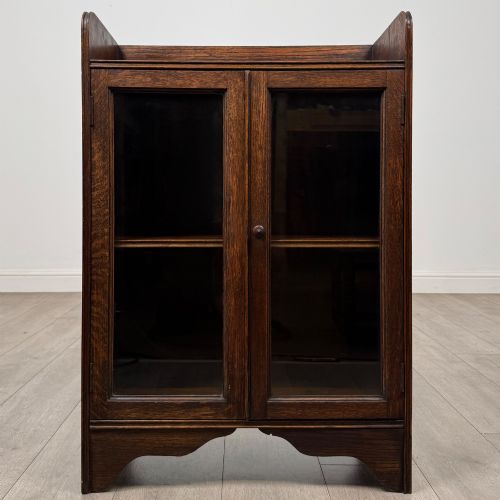
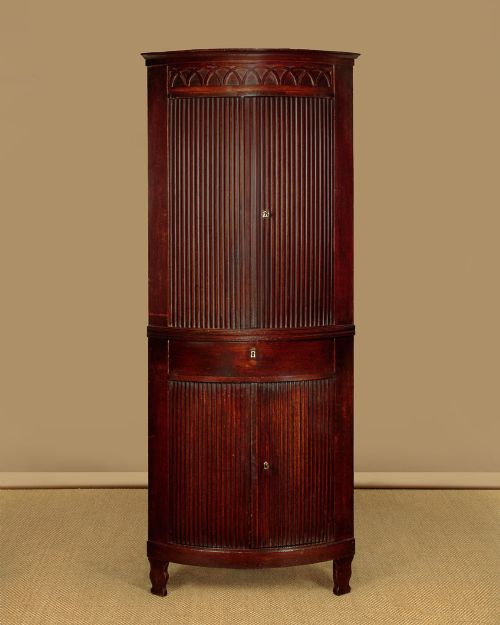
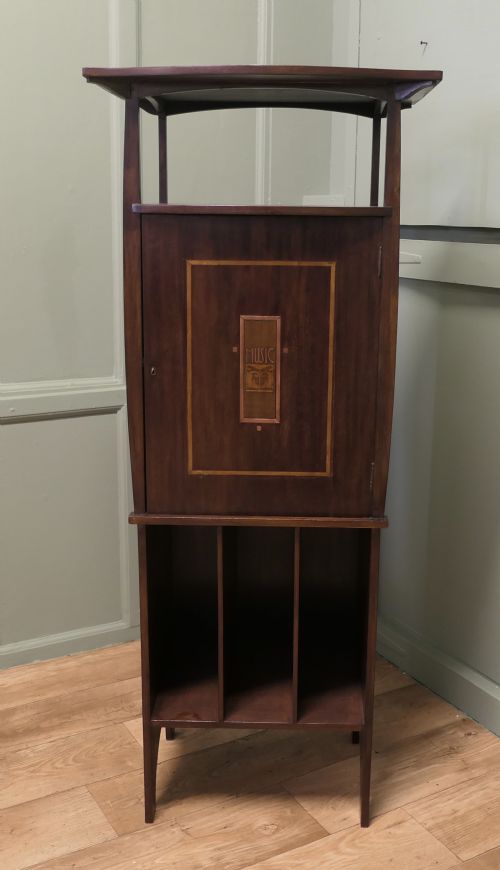
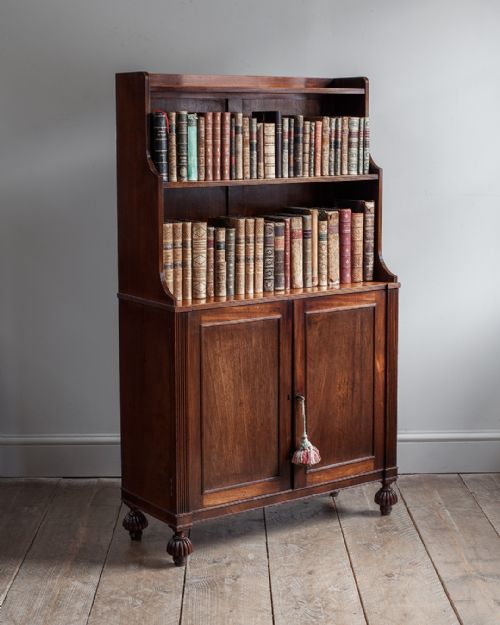
Buyers searching for a dark wood cabinet on stand encounter raised storage pieces primarily spanning the Georgian, Victorian, and Edwardian periods, alongside early twentieth-century examples. These elevated forms include cabinets, cupboards, and chests raised upon legs or stands, utilising rich timbers such as mahogany, walnut, and rosewood.
The selection ranges from eighteenth-century Georgian corner cupboards and stands to nineteenth-century display cabinets and bedside tables. Makers from various eras utilised these elevated designs to keep contents away from damp floors while displaying prized timber grains at eye level.
Materials and construction methods
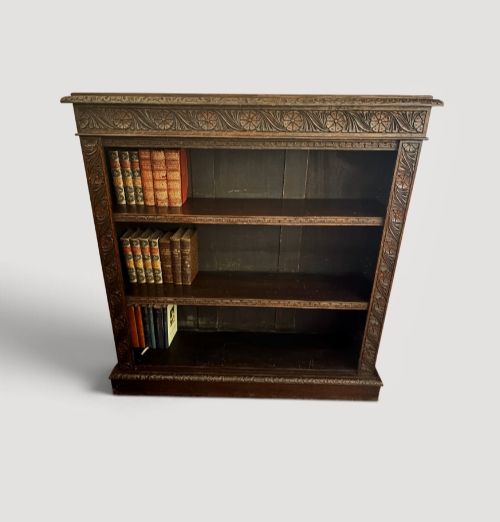
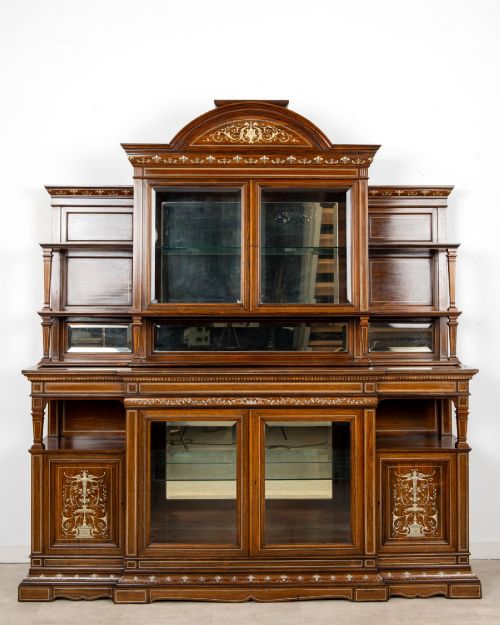
Construction relies heavily on dense hardwoods like mahogany, oak, walnut, rosewood, and padouk, selected for structural strength and deep colour. Cabinetmakers shaped these timbers using traditional joinery, often incorporating decorative elements such as brass fittings, glass panels, and intricate bone or wood inlay.
Surfaces frequently showcase finely figured veneers or solid carved timber, finished to highlight the natural grain patterns. Structural integrity in these raised pieces depends on sturdy leg frames or stands joined securely to the main cabinet body.
Some nineteenth-century makers cleverly incorporated concealed compartments inside stands to hide private correspondence from prying eyes.
Distinctions in craftsmanship and finish
Quality separates pieces through the selection of timber grain, such as highly figured walnut or richly grained mahogany, and the precision of the joinery. Superior examples exhibit seamless inlay work, original brass hardware, and finely carved details rather than mechanical shortcuts.
The integration between the cabinet and its stand dictates structural refinement, where finer pieces maintain proportion and stability without heavy or clumsy framing. Original glass, clean interior shelving, and well-fitted doors further elevate a piece above standard utility items.
GM Elwood for JS Henry·Gabriel Viardot·Collinson & Lock
The Dark Wood Cabinet on Stand Glossary
- Stand
- A supporting frame of legs raised from the floor, elevating a cabinet or chest to a convenient height.
- Inlay
- A decorative technique where contrasting materials such as bone, brass, or different woods are inserted into hollowed recesses in the timber surface.
- Vitrine
- A glass-fronted display cabinet designed to exhibit porcelain, books, or small collections.
- Figure
- The natural pattern or grain configuration visible in wood, prized for its aesthetic movement and depth.
- Corner cupboard
- A specialised storage unit built or shaped to fit neatly into the angle of a room.
Dark Wood Cabinet on Stand: Frequently Asked Questions
Where should I place a cabinet on stand?
These elevated pieces suit reception rooms, hallways, or corners where floor space is limited but vertical presence is desired. Their raised legs create an airy feel beneath the main storage body.
Keep them away from direct sunlight and strong heat sources to protect the polished wood finishes and prevent timber warping over time.
How do I care for antique dark wood?
Dust the timber regularly with a soft, dry cloth to prevent particulate buildup on the carved details and delicate veneer surfaces. Avoid silicone-based sprays that can penetrate the pores of older woods.
Apply a traditional beeswax polish occasionally to nourish the grain and maintain a natural, protective sheen across the surface.
How do I tell a Georgian piece from a Victorian one?
Georgian pieces generally emphasise architectural proportion, clean classical lines, and disciplined mahogany or walnut construction. Victorian examples often display heavier carving, more elaborate glazing bars, and a wider variety of exotic woods.
Examine the interior secondary woods and backboards, as joinery methods and fastener types shifted noticeably between the eighteenth and nineteenth centuries.
What items were originally stored in these stands?
Depending on the specific form, these cabinets held books, writing implements, ceramic collections, or precious textiles kept safely away from damp floorboards. Tall stands kept contents conveniently at hand without requiring deep bending.
Bedside versions kept night-time necessities enclosed, while display variations showcased luxury ornaments brought back from global travels.