
Dark Wood Buffet
A dark wood buffet provides serious dining room storage, bringing together rich timber tones and practical surface space.
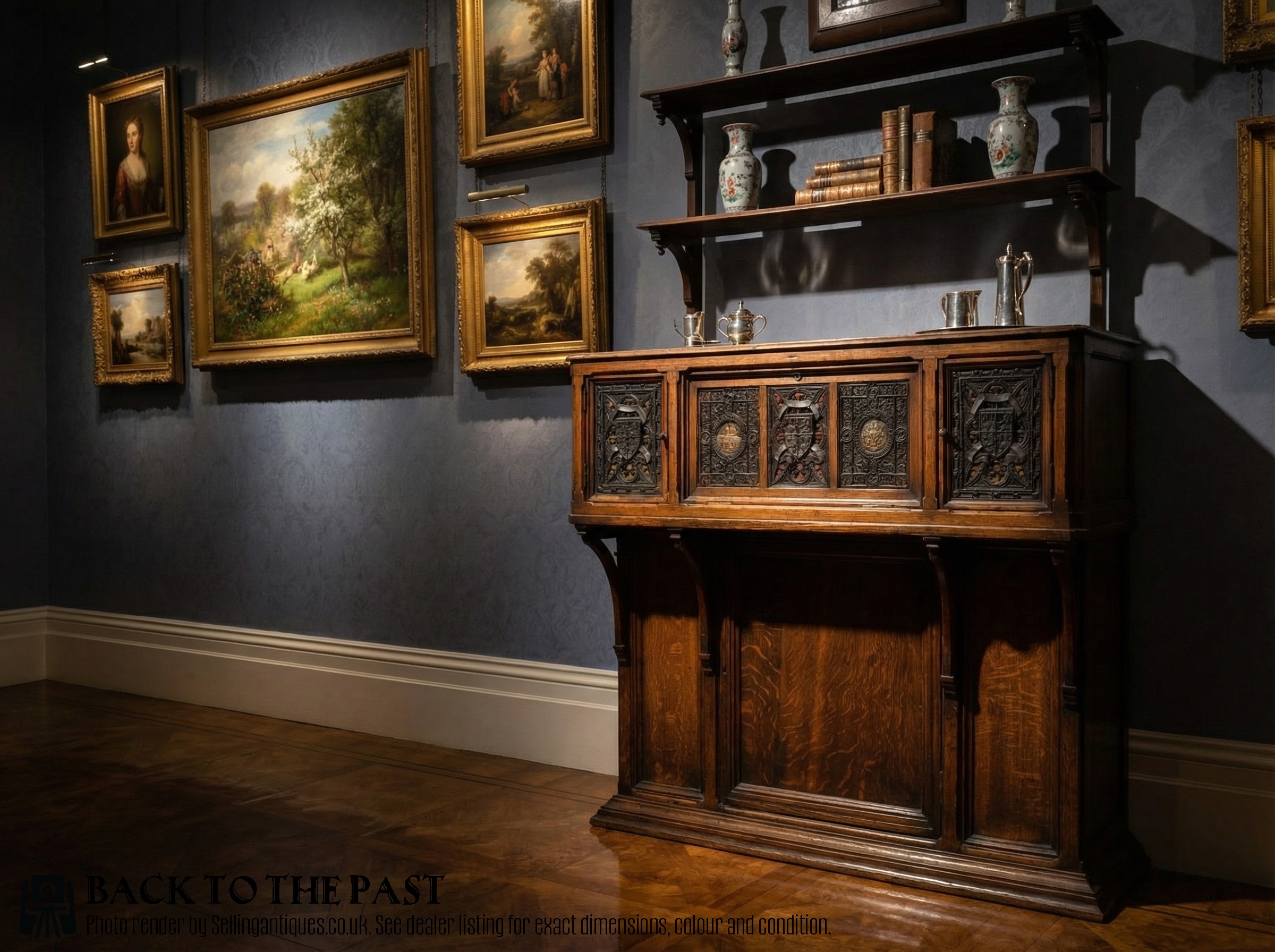
Dark Wood Buffet
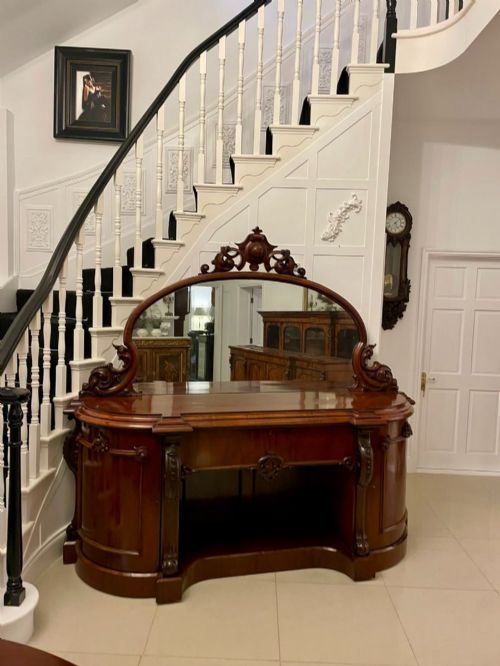
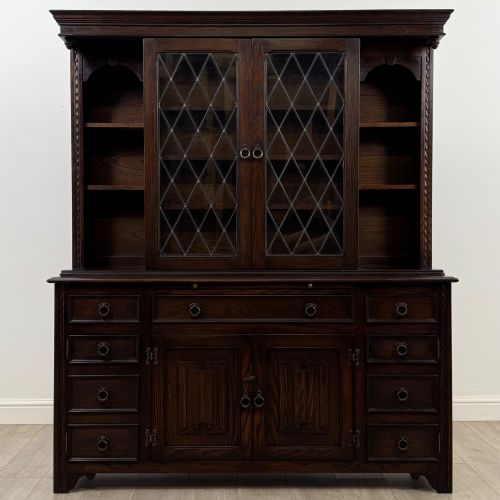
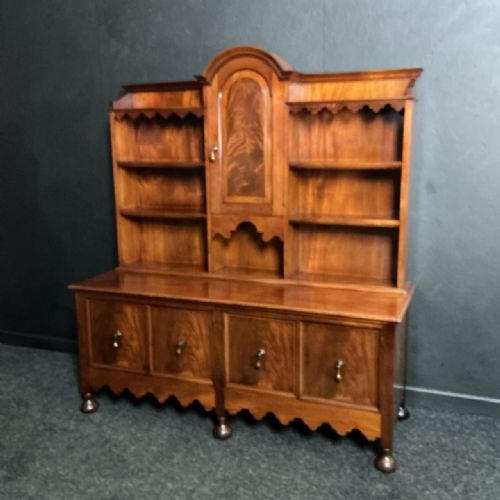
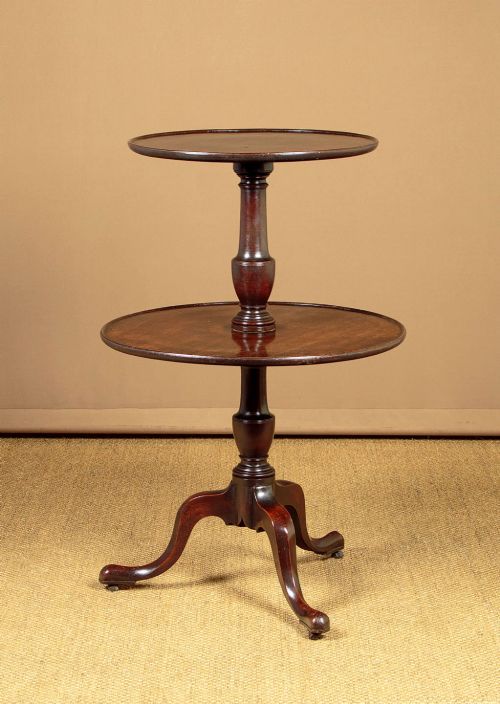
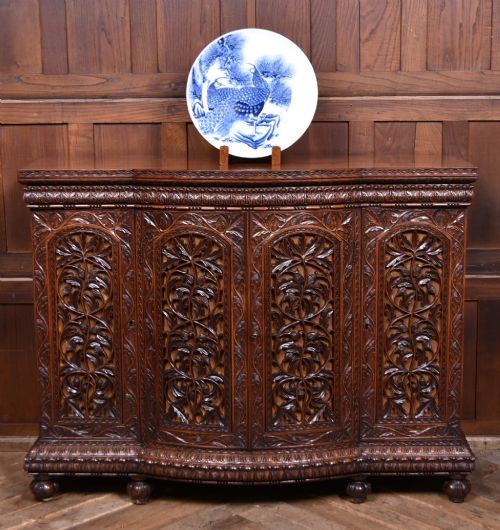
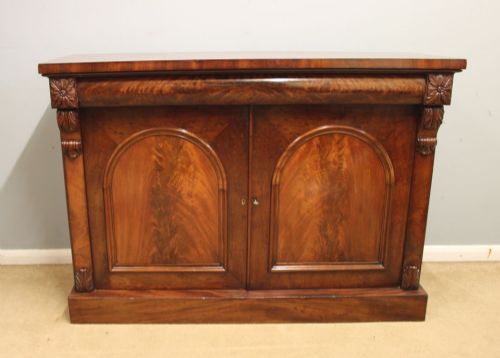
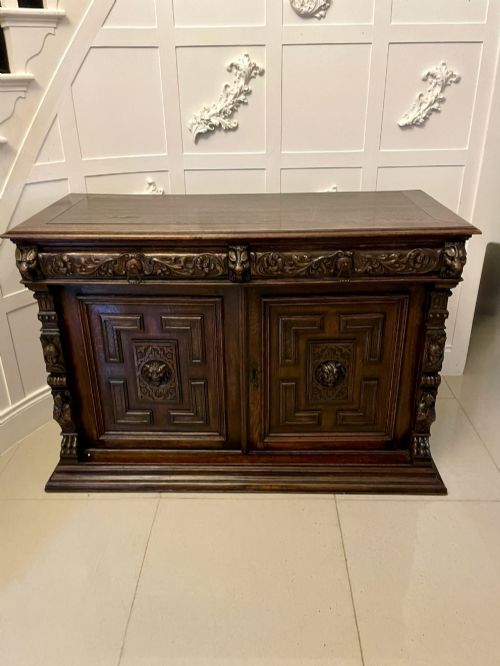
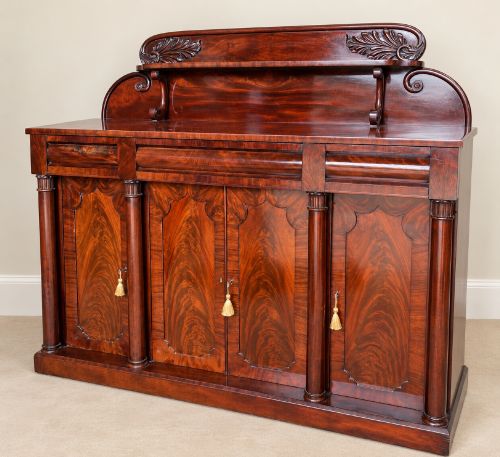
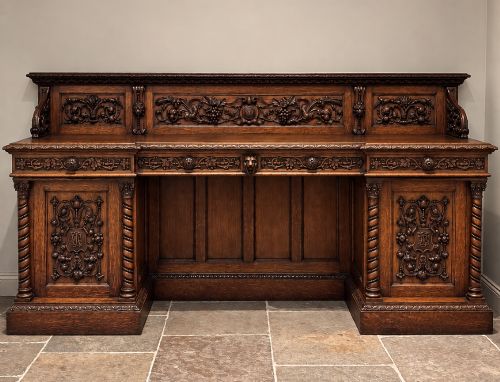
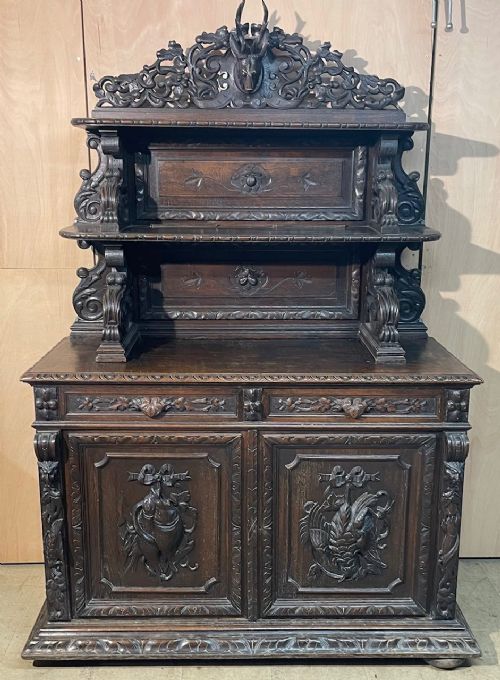
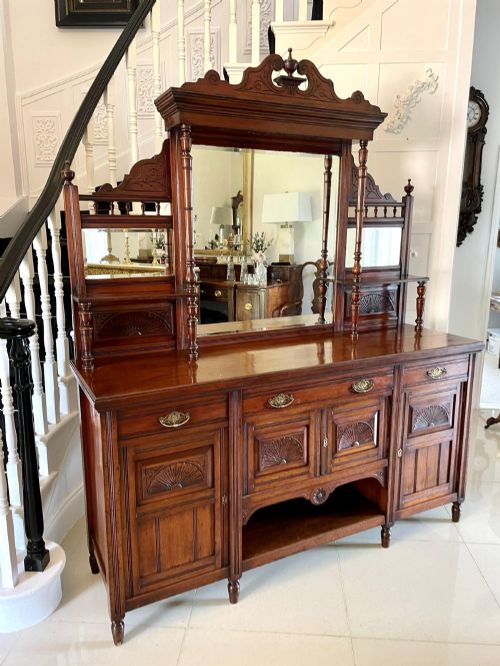
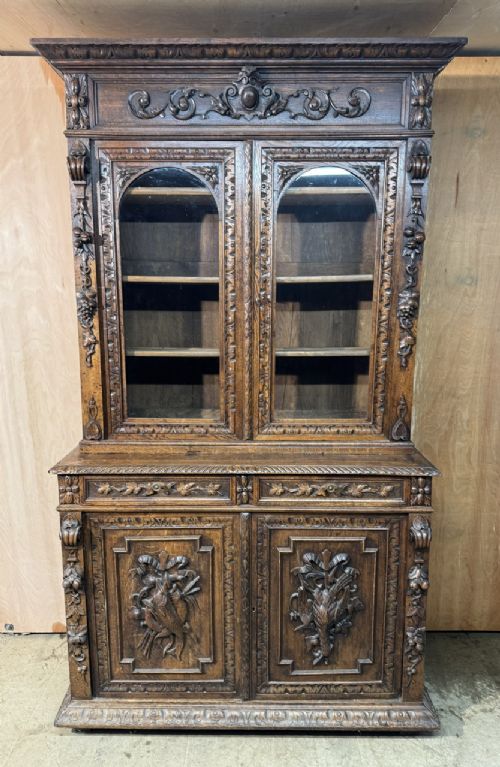
When you search for a dark wood buffet, you are looking at substantial timber serving pieces and storage units designed for dining rooms. The selection includes sideboards, credenzas, dressers, and chiffoniers spanning several centuries of cabinet making. You will encounter formal Georgian mahogany pieces alongside heavily carved Victorian oak designs and Edwardian iterations.
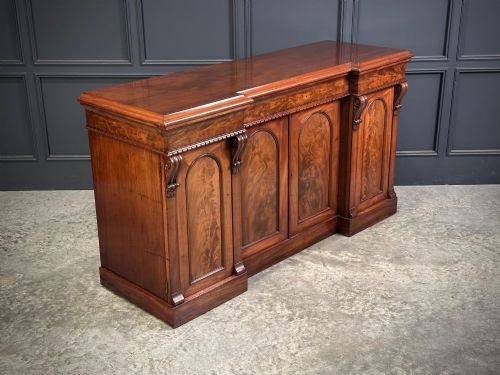
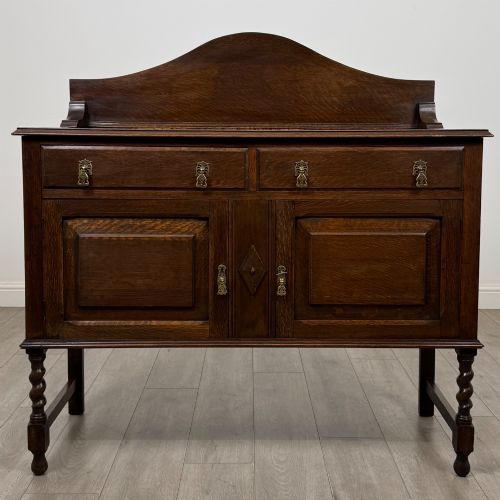
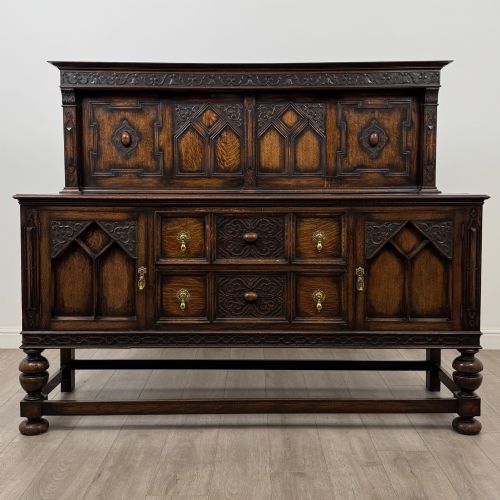
The most common versions met on this page are nineteenth-century and Edwardian sideboards in oak and mahogany. These range from simple two-door cupboards to large breakfront servers with mirror backs and display cabinets. Forms vary from straight-fronted practical units to serpentine shapes and pieces featuring barley twist supports.

Materials and construction
Cabinet makers utilised dense hardwoods, predominantly oak and mahogany, often enhanced by flame mahogany veneer for figured grain patterns. Secondary timbers like pine appear in internal construction and glazed top sections. Rosewood and padouk also feature in select nineteenth-century pieces, providing deep reddish-brown tones.
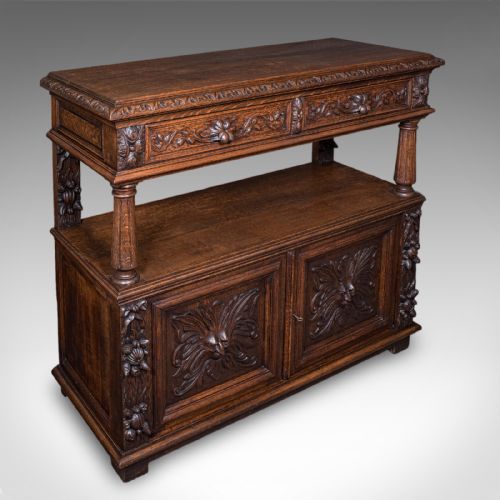
Construction techniques rely heavily on traditional joinery, incorporating solid timber framing and panelled doors. Carving is frequently executed by hand, particularly on Victorian and Gothic Revival examples featuring deep relief work. Hardware typically includes brass handles, hinges, and occasional inlaid details in contrasting woods.
Dark Wood Buffet Retail Price Guide 2026
Typical asking prices for dark wood buffet among the pieces listed under this phrase on Sellingantiques today, from the lower quarter to the upper quarter. They describe what is for sale here now, not the wider market.
Lion paw feet stand ready to hold your dining room floor.
What distinguishes quality
The standard of a dark wood buffet rests upon the selection of timber and the crispness of any carved decoration. Pieces utilising highly figured flame mahogany or dense, quarter-sawn oak sit higher in the range than plain or utilitarian carcases. Superior examples display thoughtful grain matching across drawer fronts and doors rather than random timber alignment.
Execution of detail separates fine cabinet work from standard production. Well-fitted drawers with hand-cut joints, substantial brass hardware, and intricate relief carving indicate superior workshop origin. The integration of structural elements like lion paw feet or mirrored backs with bevelled glass further elevates the piece.
The Dark Wood Buffet Glossary
- Chiffonier
- A compact nineteenth-century sideboard, often featuring enclosed shelving beneath and a raised shelf or mirror on top.
- Flame mahogany
- A veneer cut from the fork of a mahogany tree to produce a distinctive, flamy, light-reflecting grain pattern.
- Breakfront
- A piece of furniture where the central section projects forward from the flanking outer cabinets.
- Barley twist
- A turned wooden furniture leg or support resembling the spiral shape of a twisted barley sugar stick.
Dark Wood Buffet: Frequently Asked Questions
What is a dark wood buffet used for?
These pieces serve primarily as dining room storage for crockery, glassware, and linens, while the top surface functions as a serving area during meals.
Historically, they evolved to meet the demands of formal entertaining, providing centralized access to dining accessories.
How do I identify a Victorian dark wood buffet?
Victorian examples often display heavy proportions, rich dark finishes, and deep hand-carving in oak or mahogany. Many incorporate mirror backs or raised shelf structures above the main serving surface.
Stylistic influences range from Gothic Revival to French Renaissance, resulting in ornate detailing and substantial brass hardware.
Are Edwardian dark wood buffets different?
Edwardian pieces tend to draw on earlier Georgian and Adam revival styles, featuring lighter proportions and refined inlay work. You will frequently find mahogany sideboards with serpentine fronts or delicate stringing.
Oak versions from this period often incorporate popular motifs like barley twist legs and simpler Arts and Crafts influences.
How do I care for a dark wood buffet?
Maintain the timber by dusting regularly with a soft, dry cloth and avoiding placement near direct heat sources or strong sunlight. Periodic treatment with appropriate furniture wax helps preserve the finish and nourish the wood.
Avoid using silicone-based polishes, which can build up a residue and damage antique French polish over time.