





Dark Wood Bench
A dark wood bench brings solid timber and practical seating into a hallway, bedroom or living space.
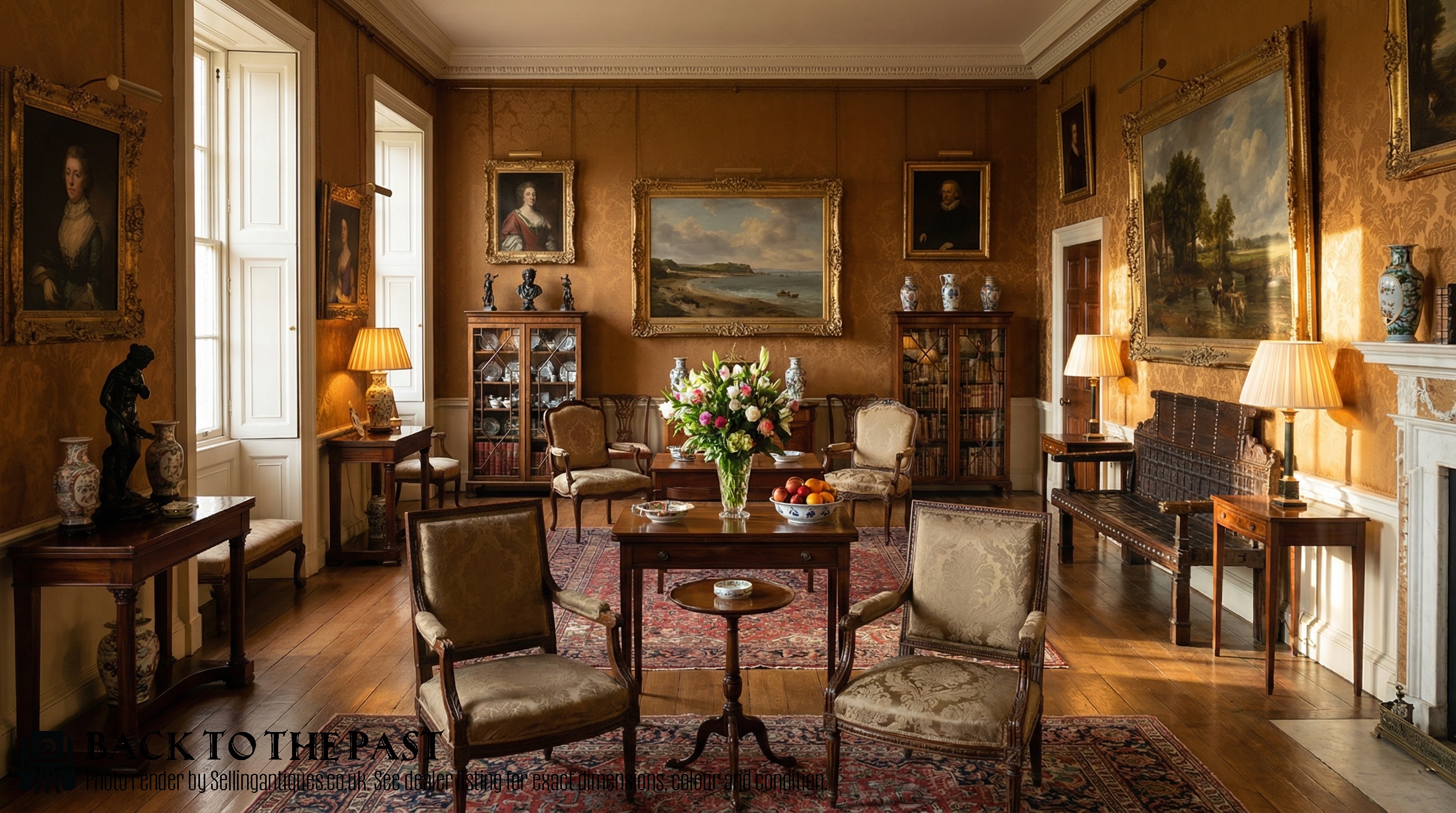
Dark Wood Bench
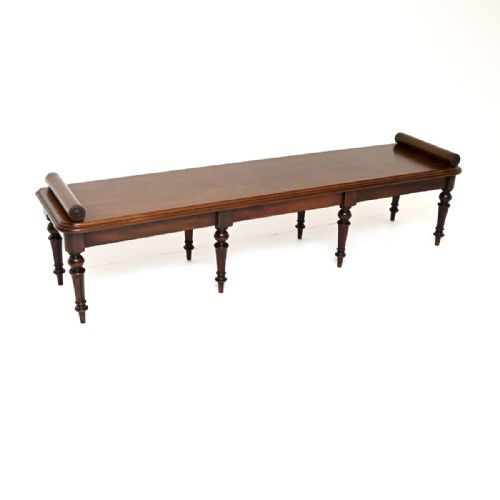
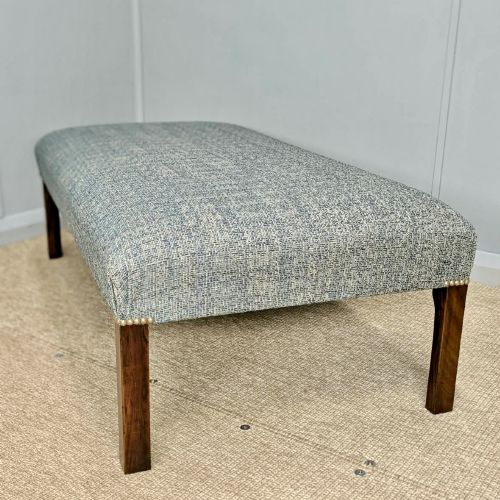
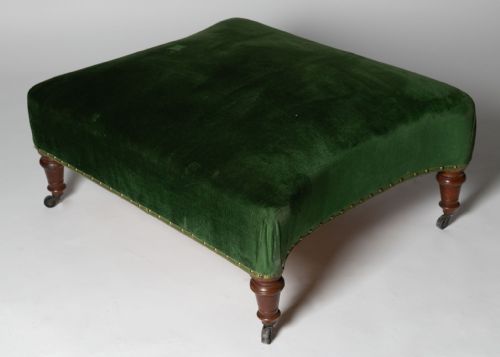
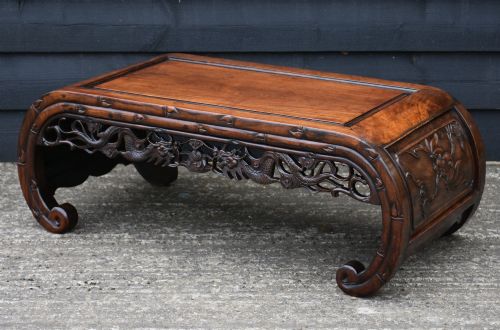
A dark wood bench encompasses a broad variety of sturdy seating, from hall benches and window seats to settles and luggage stands produced across the seventeenth, eighteenth, nineteenth, and early twentieth centuries. These pieces serve functional purposes in entranceways and living spaces while showcasing the deep tones of traditional timbers.
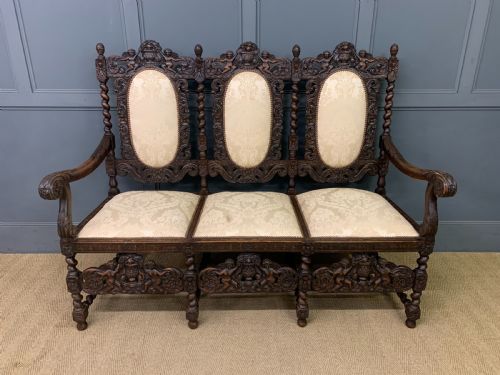
The selections span distinct regional designs and revival styles, including Edwardian oak frames, Regency mahogany window seats, and rustic elm country pieces. Buyers frequently encounter Edwardian and Victorian iterations, alongside earlier oak examples featuring panelled construction and carved details.
Assessing quality and craftsmanship
Quality rests in the selection of the timber and the precision of the joinery rather than surface ornamentation alone. Superior examples display dense, well-figured grain matching across prominent surfaces, with tight joints that remain stable without modern mechanical reinforcement.
The sophistication of the carving and the integrity of the original hardware distinguish finer workshops from standard production. Pieces retaining their structural stability and patinated timber surfaces command greater appreciation among collectors.
Dark Wood Bench Retail Price Guide 2026
Typical asking prices for dark wood bench among the pieces listed under this phrase on Sellingantiques today, from the lower quarter to the upper quarter. They describe what is for sale here now, not the wider market.
Listings feature structural timbers including oak, mahogany, rosewood, elm, and hardwood across multiple centuries.
James Shoolbred and Co·Charles Nosotti
The Dark Wood Bench Glossary
- Settle
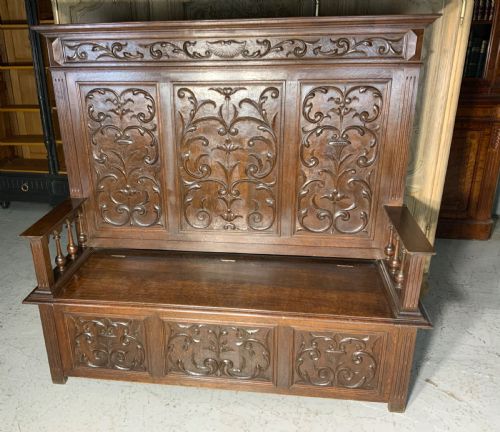
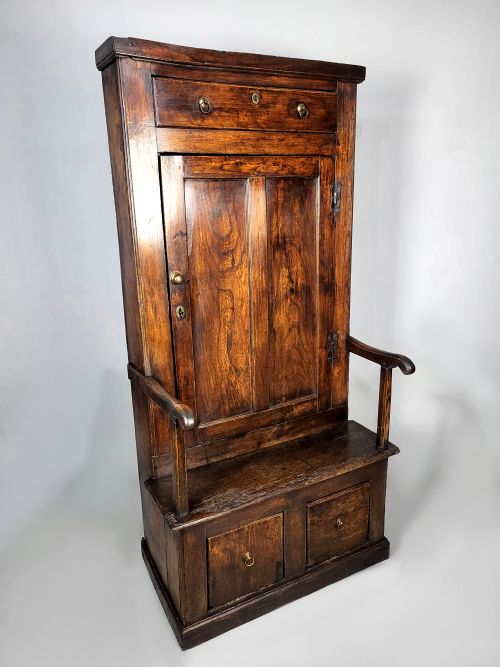
- A wooden bench featuring high backs, solid arms, and often an enclosed box seat beneath the cushion. This form provided effective protection from draughts in older domestic interiors.
- Luggage stand
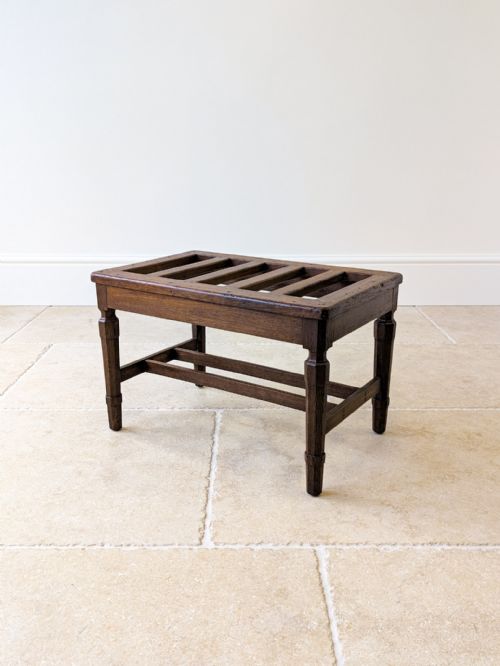
- A low folding or rigid rack fitted with fabric webbing or wooden slats designed for resting suitcases at a convenient height. These appear frequently in Edwardian and late nineteenth-century bedrooms.
- Window seat
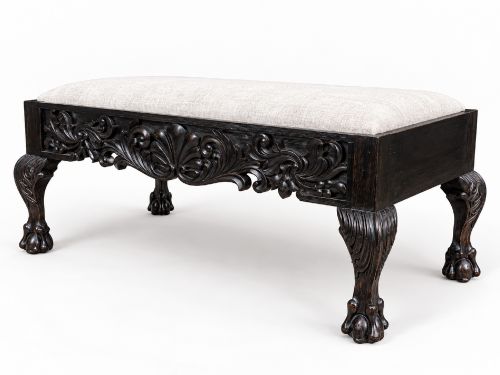
- A long, narrow bench constructed to fit the width of a domestic window recess. Regency and Victorian examples often feature scrolled ends and upholstered drop-in pads.
- Box stool
- A compact seat with a hinged lid revealing a concealed storage compartment beneath the top. Early versions utilise heavy oak panels joined with visible pegs.
- Faux bois
- An artistic technique rendering concrete, iron, or plaster to imitate the natural texture and grain of timber. This treatment appears on nineteenth-century garden benches.
Dark Wood Bench: Frequently Asked Questions
Where should I place a dark wood bench?
These benches suit narrow entrance halls, foot of beds, or long corridors where surface space is limited. Their sturdy construction handles daily seating and transitional storage.
Lighter elm or oak variants fit rustic country settings, while polished mahogany and rosewood suit formal drawing rooms or period libraries.
What is the difference between a settle and a hall bench?
A settle incorporates a high back and solid wooden sides designed to block cold air in historic rooms, frequently including a box compartment beneath the seat. Hall benches tend to have open backs and lighter frames suited for temporary seating.
Both forms utilise dense hardwoods like oak or mahogany to withstand heavy household traffic.
How do I care for antique hardwood furniture?
Maintain the timber by keeping pieces away from direct heat sources and sudden temperature shifts that cause wood to split. Regular dusting with a soft cloth preserves the historic surface finish.
Apply occasional appropriate wax polish sparingly to nourish the grain without building up heavy residue.