
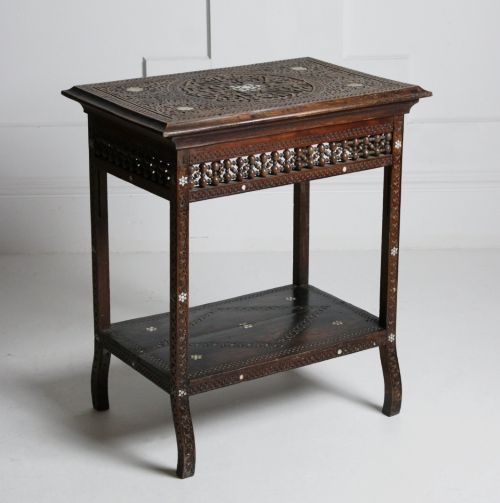

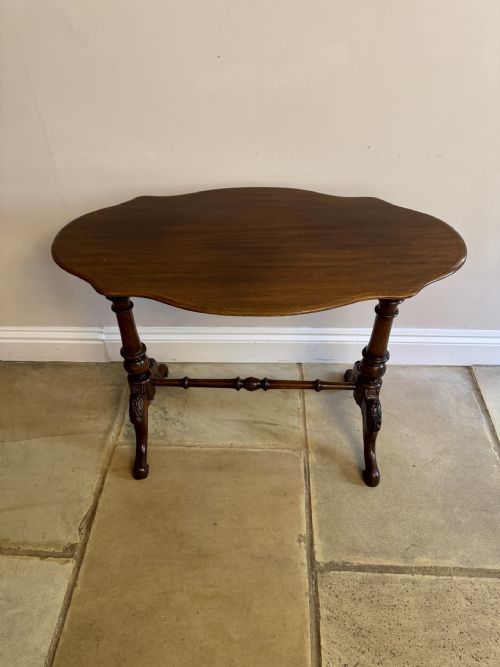
Dark Walnut Occasional Table
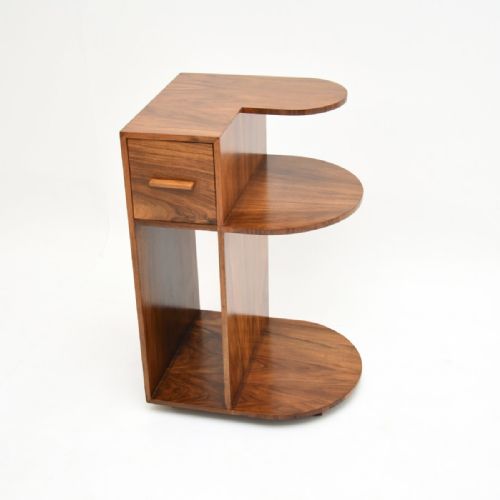
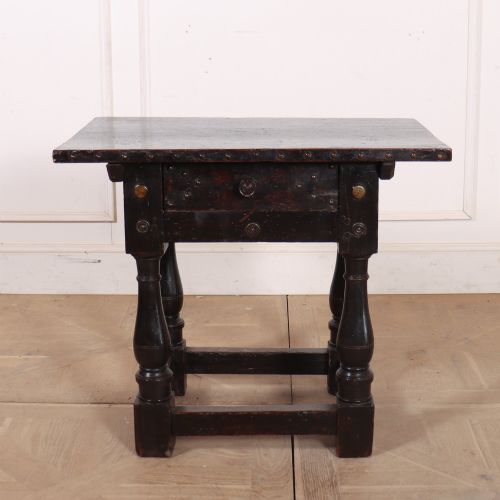
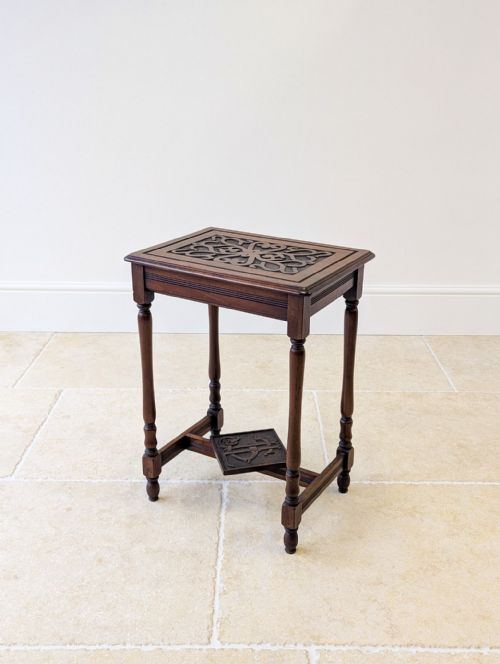
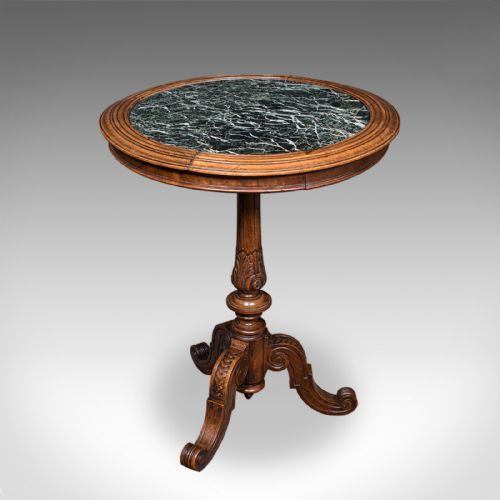
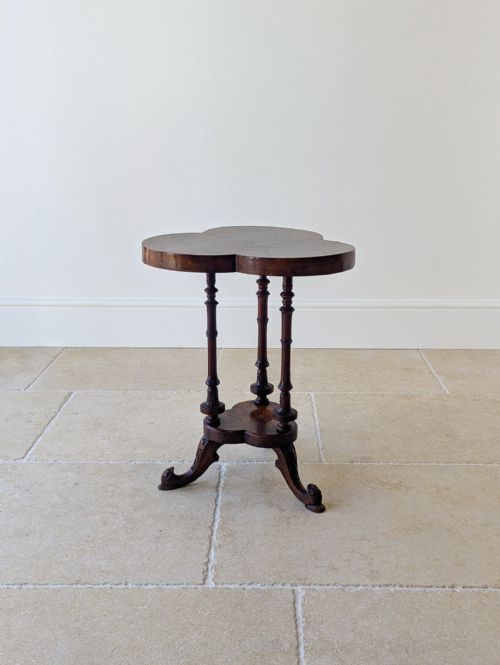
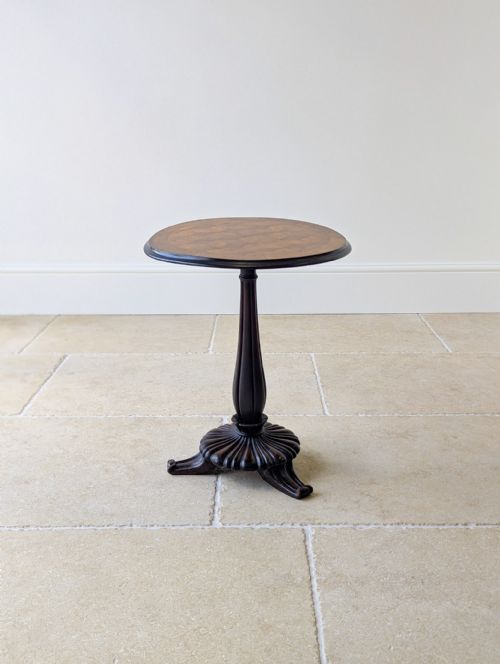
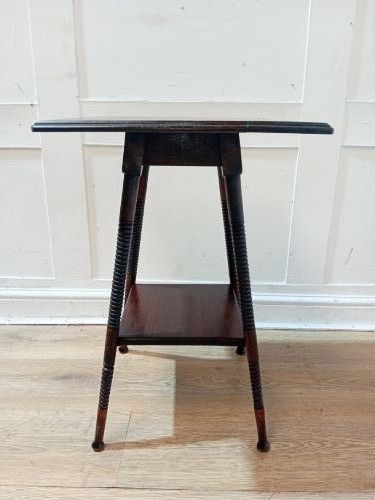
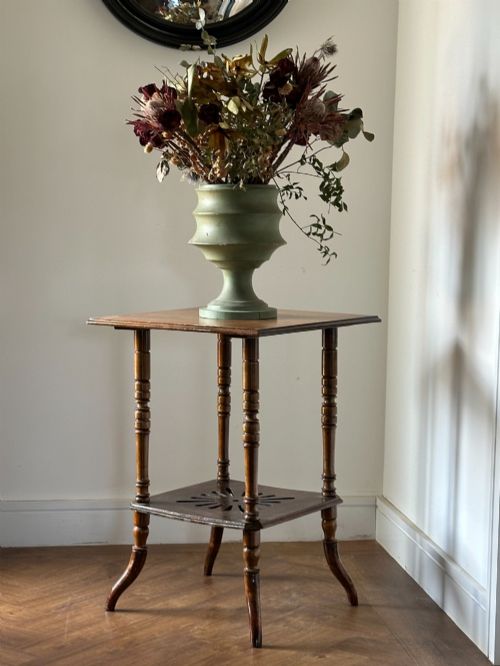
A dark walnut occasional table offers a compact surface with deep grain movement, showing up most frequently in Victorian forms across this selection.
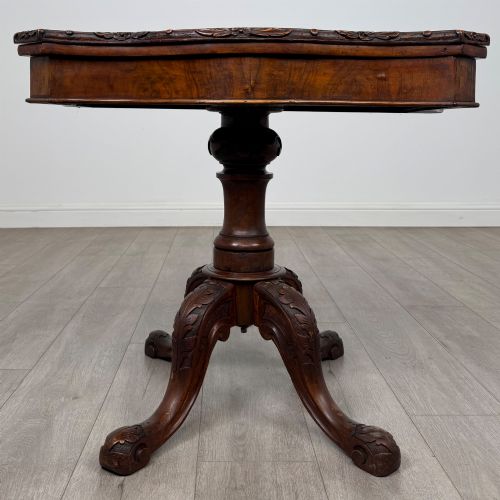
Dark Walnut Occasional Table
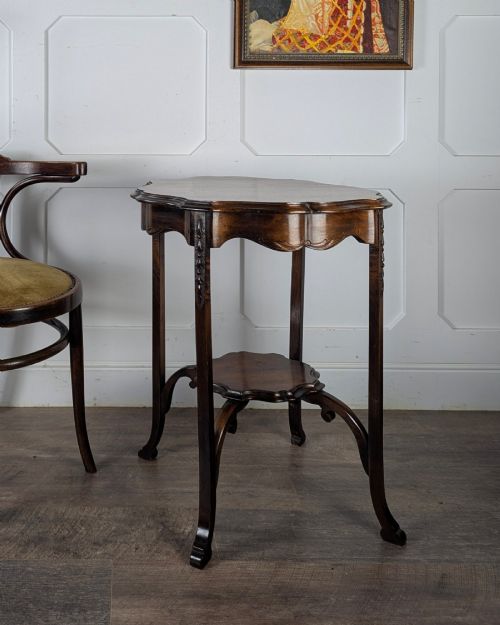
A dark walnut occasional table bridges practical utility and decorative presence, appearing in formats ranging from simple side stands to multi-tiered umbrella or lamp tables. These pieces emerge predominantly from the nineteenth century, encompassing Victorian and Arts and Crafts iterations alongside earlier eighteenth-century French and Italian examples.
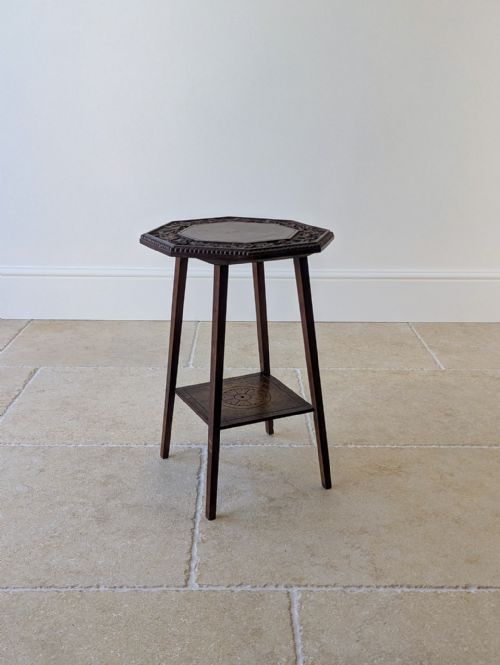
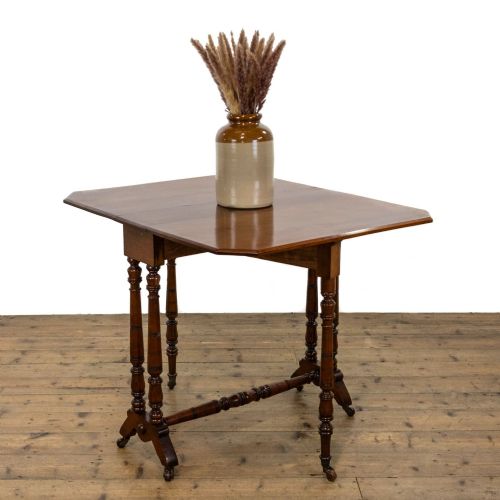
Buyers will encounter various incarnations including trefoil tops, Sutherland drops, and octagonal surfaces, often constructed with secondary woods like mahogany. The selection leans heavily toward British and continental workshop traditions, reflecting domestic sitting room habits of the past.
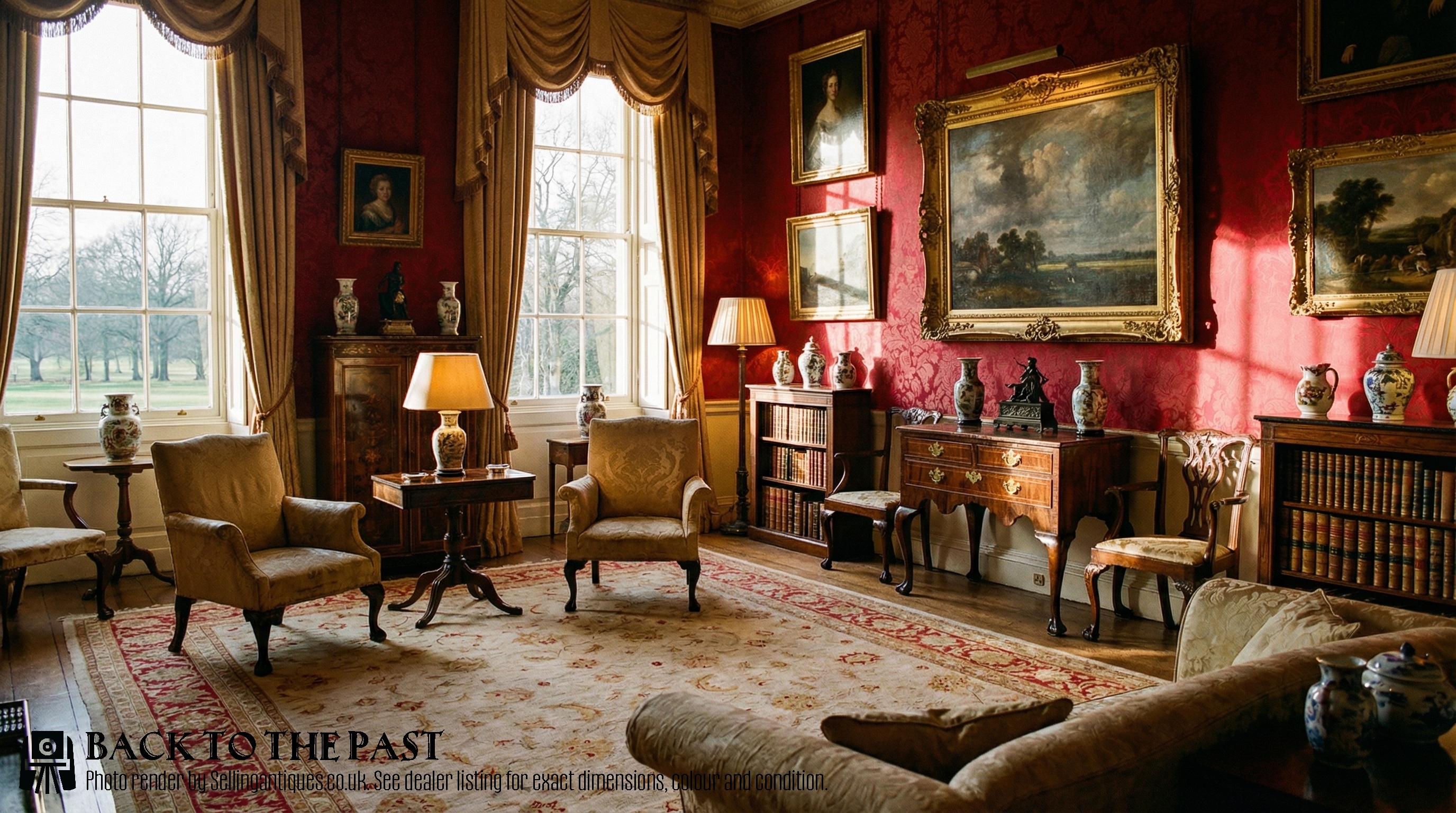
Materials and construction methods
Cabinetmakers utilised solid walnut and decorative burr walnut veneers laid over stable secondary timbers such as oak and mahogany to achieve rich surface patterns without warping. Turning, barley twisting, and hand carving shaped the structural supports and legs.
Inlaid details incorporated brass, ceramic, mother-of-pearl, and marble inserts, securing decorative elements directly into the timber tops. Joints relied on traditional pegged mortise and tenon construction alongside stable adhesive bonds suited to domestic use.
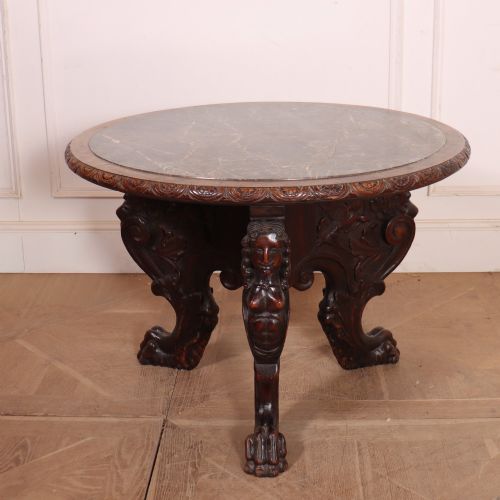
One late nineteenth-century piece serves a dual purpose as a table top mounted over a carved wooden bust stand.
Distinctions in construction and finish
The degree of figuration in the walnut veneer distinguishes standard production from superior pieces, with burr sections requiring exceptional skill to lay symmetrically across a small surface. Crispness in carved details and the retention of original patination indicate higher workshop standards.
Structural integrity depends upon the tightness of tripod joints and the original mechanism of drop-leaf or swivel tops. Finer examples maintain untouched timber finishes without excessive modern intervention.
LIBERTY of LONDON·WILLIAM BIRCH·Shoolbred
The Dark Walnut Occasional Table Glossary
- Burr walnut
- A prized veneer taken from the gnarled growth on a walnut tree, yielding complex, swirling grain patterns. It requires expert sawing and laying.
- Sutherland table
- A narrow drop-leaf table with hinged flaps that fold almost vertically, designed to save space when not in use.
- Marquetry
- The art of applying decorative pieces of veneer to a structure to form intricate patterns, often utilising contrasting woods.
- Tripod table
- A small freestanding table supported by a pillar above three spreading legs, common in parlour settings.
- Trefoil
- A three-lobed shape resembling a clover leaf, frequently utilised for the perimeter tops of nineteenth-century occasional stands.
Dark Walnut Occasional Table: Frequently Asked Questions
What rooms suit a dark walnut occasional table?
These compact pieces fit easily beside seating in a drawing room, study, or hallway, serving as a stable surface for lamps, books, or drinks.
Their varied heights and footprints allow them to occupy awkward corners or function centrally as small display stands.
How do I identify a Victorian walnut table?
Victorian examples often display rich, dark timber tones, turned or barley-twist legs, and sometimes marquetry inlay on the top surfaces.
Construction details such as hand-cut joints and secondary timbers like mahogany help confirm the nineteenth-century origin.
What is the difference between a side table and an occasional table?
Side tables typically stand permanently against a wall, whereas occasional tables are lighter and designed to be moved around a room as needed.
Both serve similar functional roles for display and holding small objects within a domestic interior.
How should I care for antique walnut wood?
Keep the timber away from direct heat sources and strong sunlight to prevent the natural oils from drying out and the veneer from lifting.
Apply occasional natural wax and buff gently with a soft cloth to maintain the surface sheen and protect the patina.