
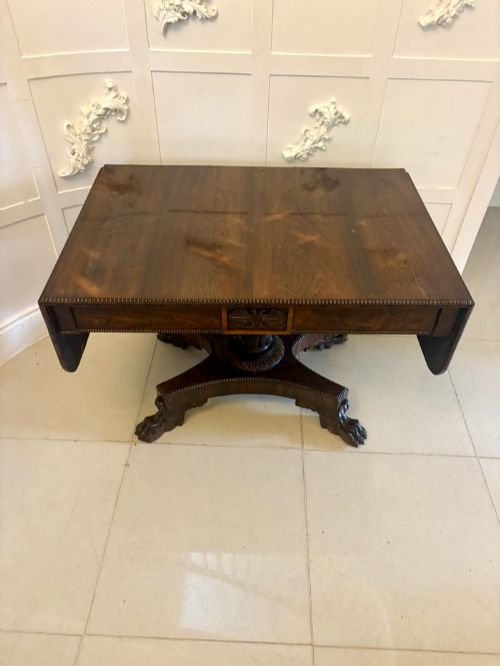
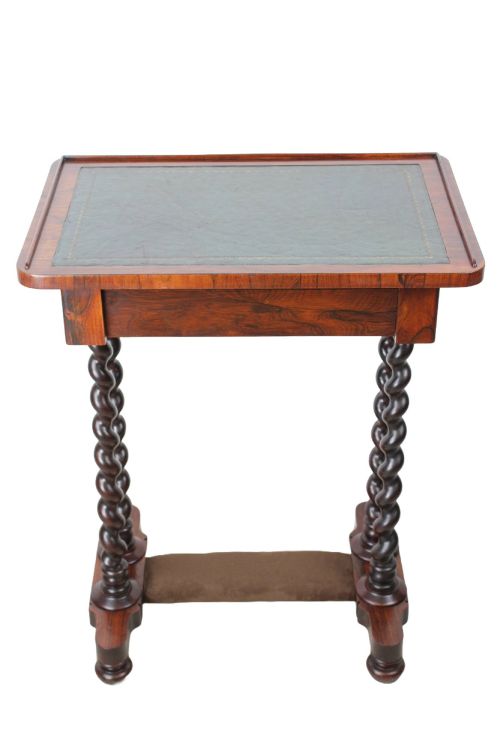
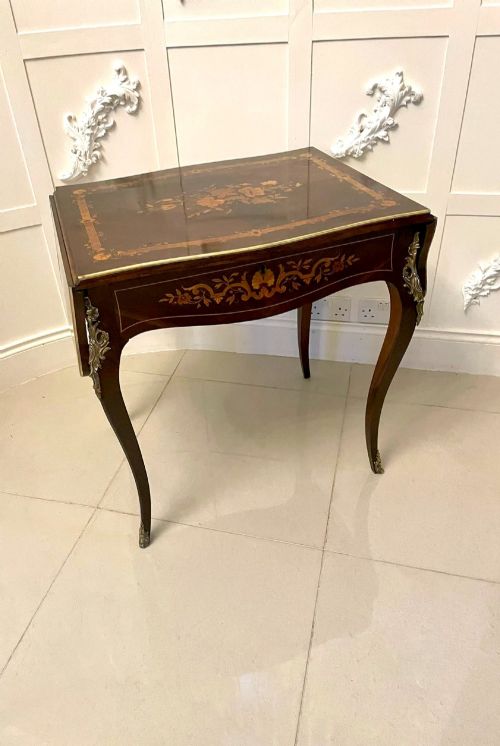
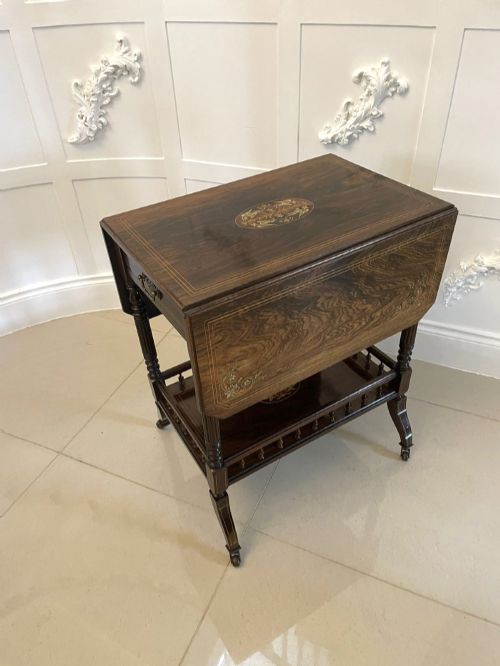
Dark Rosewood Occasional Table
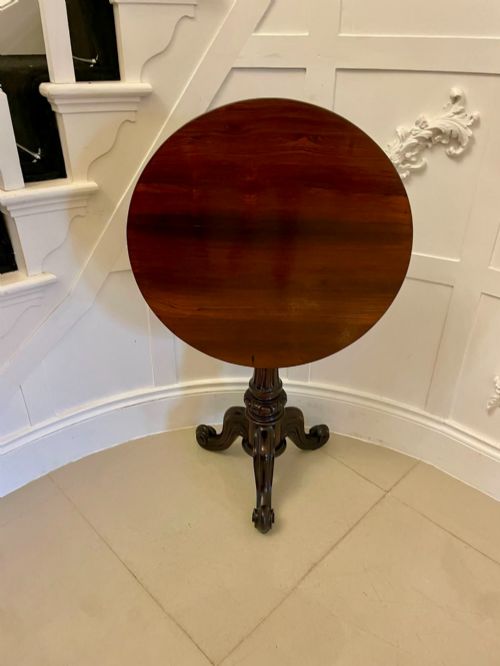
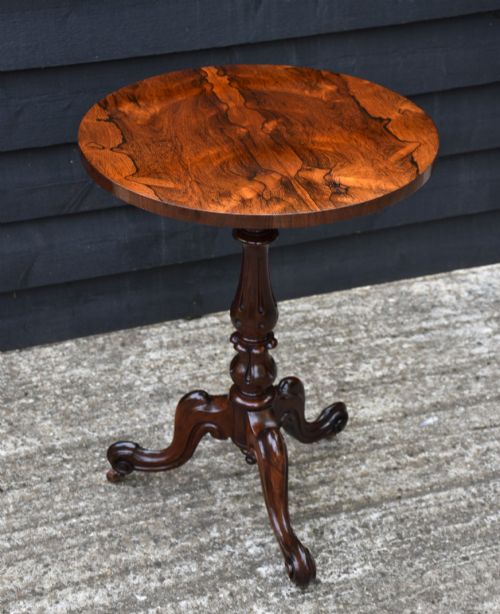
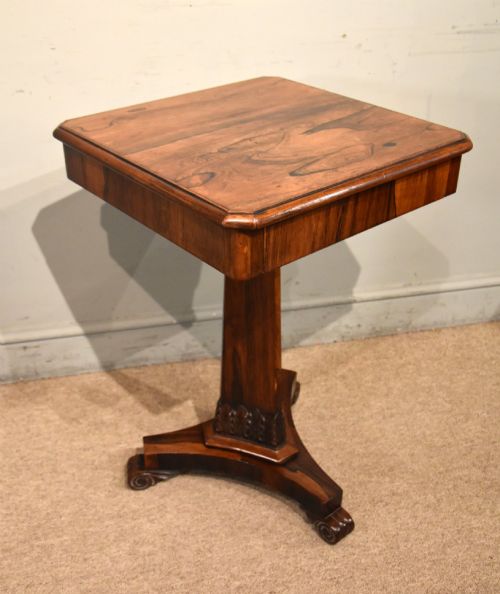
A dark rosewood occasional table brings rich, dense grain and a compact surface to a room, functioning as a practical stand or a centrepiece.
Dark Rosewood Occasional Table
A dark rosewood occasional table is a moveable surface designed for specific tasks around a room, spanning forms such as side tables, sofa tables, wine tables, and nests of tables. Buyers searching this phrase meet pieces originating from the nineteenth century onward, encompassing Regency, Victorian, Edwardian, and William IV periods.
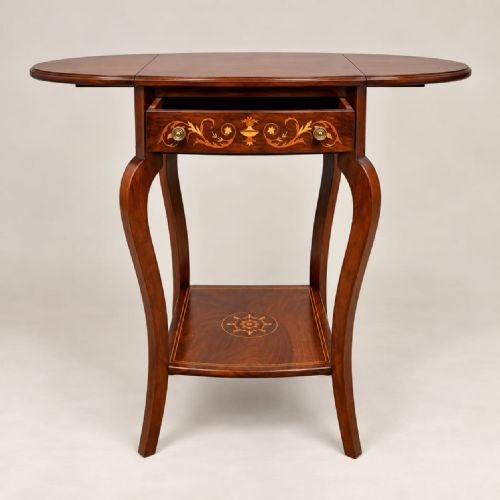
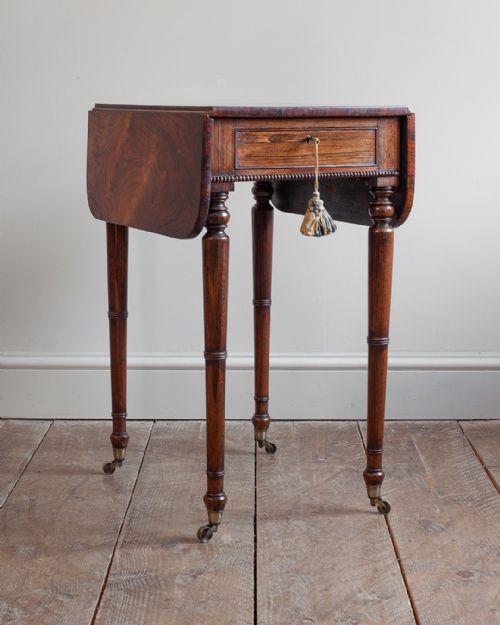
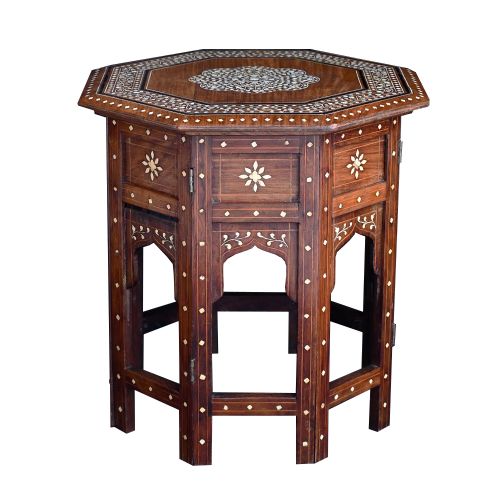
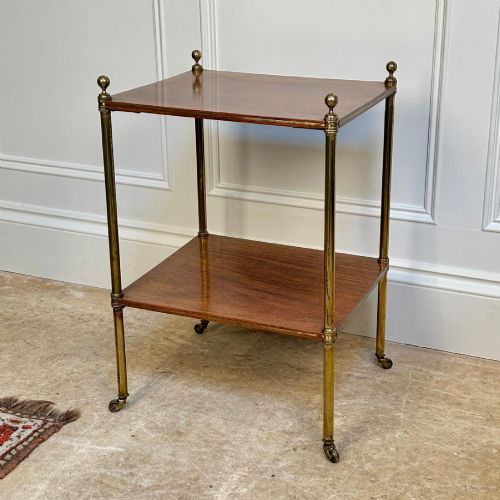
The selection ranges from small circular lamp tables and drop-leaf designs to multi-tiered etageres and games tables. Alongside standard English furniture, the category includes regional variants such as Anglo-Indian Hoshiarpur pieces and Chinese export tables.
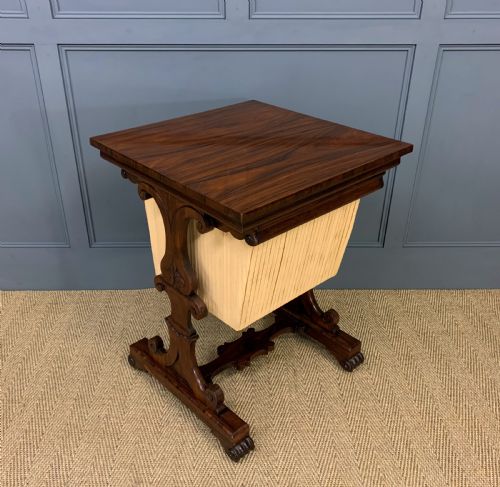
These tables serve utilitarian and decorative roles, shifting from reading stands and work tables to larger freestanding centre tables. The common thread among them is the use of dense tropical timber scaled for convenience rather than grand dining.
How they were made
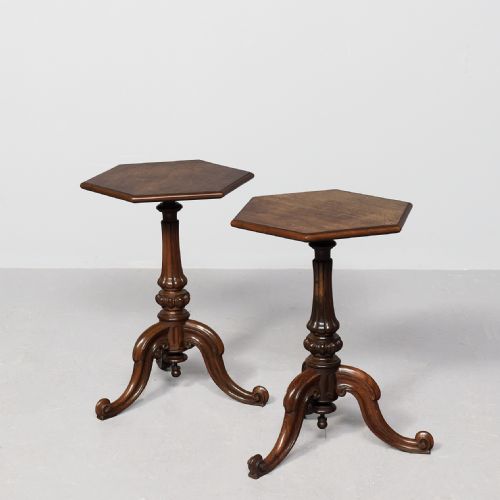
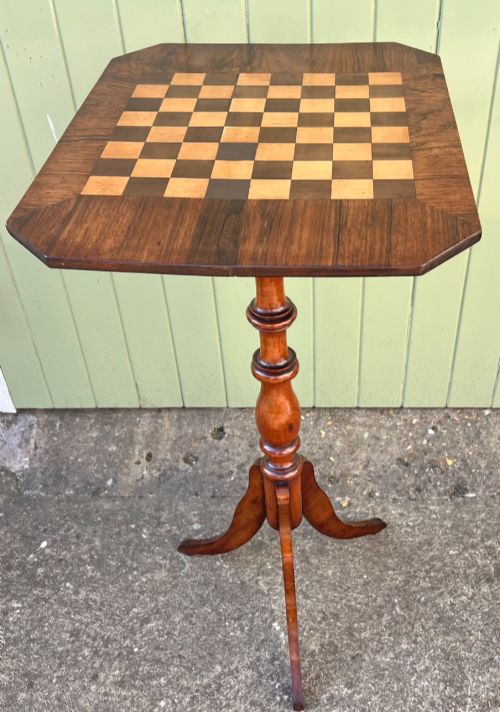
Makers utilised solid rosewood and applied veneers over secondary timbers, often selecting stock for deep colour and prominent grain. Construction methods combined traditional joinery with turned pedestals, tripod bases, and folding leg frames.
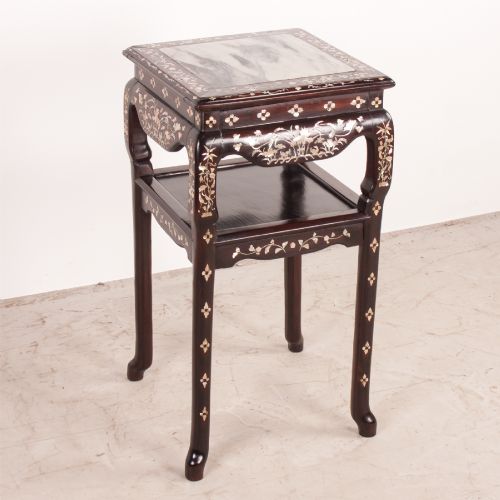
Decoration frequently involved contrasting inlays and mounts, incorporating brass stringing, mother of pearl, bone inlay, satinwood, and ormolu. Certain pieces received hand-carved surface details, particularly within Anglo-Indian and Victorian workshops.
Finishes were applied to highlight the natural dark tones of the wood, using shellac polishes or oils to build a smooth, reflective surface over the timber and its decorative inlays.
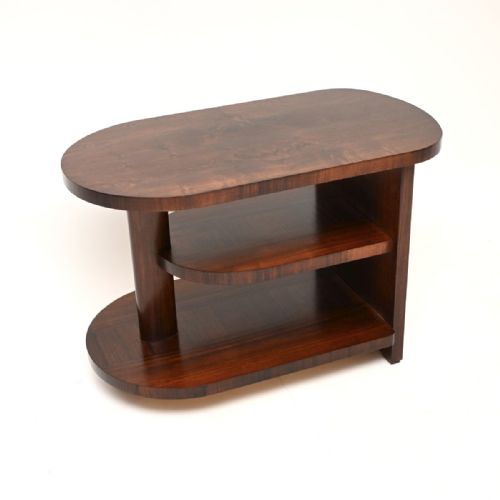
Listings for a dark rosewood occasional table span the nineteenth century, including Regency, William IV, and Victorian periods, alongside later twentieth-century pieces.
What varies in quality
The calibre of a dark rosewood occasional table depends upon the selection of the timber and the precision of its grain matching. Superior examples display carefully chosen veneers with uninterrupted flow across the top, whereas lesser items rely on uniform, plain boards.
Detailing separates standard production from exceptional work. Finely cast brass mounts, crisp hand-carved foliage, and accurately fitted bone or marquetry inlays indicate skilled labour, whereas coarse cutting and loose joints suggest hurried manufacture.
Proportion and stability dictate overall success. A well-designed table maintains balance across its supports, whether a tripod base, a pedestal, or four slender legs, without sacrificing structural rigidity for decoration.
Liberty and Co·Gillows
The Dark Rosewood Occasional Table Glossary
- Occasional table
- A small, moveable table intended for specific, non-permanent use in a room. These pieces include lamp tables, wine tables, and side tables.
- Sofa table
- A rectangular occasional table traditionally placed in front of or beside a sofa, often featuring drop leaves and drawers.
- Quartetto
- A set of four graduated nesting tables designed to slide one beneath another. They appear frequently in Regency furniture.
- Hoshiarpur
- A style of woodwork originating from India, characterised by intricate bone, brass, or shisham inlay covering the entire surface. Pieces from this tradition often feature dense botanical or animal motifs.
- Tearoom table
- A low or standard-height surface intended for serving beverages, though the evidence here centres on broader occasional and centre table forms.
- Tripod table
- A small table supported by a central pillar resting on three feet. They are frequently tilt-topped for storage.
Dark Rosewood Occasional Table: Frequently Asked Questions
What is a dark rosewood occasional table?
A dark rosewood occasional table is a moveable wooden stand produced in various forms like side tables, tea tables, and reading stands. These pieces utilise dense tropical hardwood and date predominantly from the nineteenth and early twentieth centuries.
They were built to serve specific domestic functions while adding a rich, dark surface to a room. Their designs range from simple tripod wine tables to elaborate inlaid folding stands.
How were these tables used historically?
Historically, these tables fulfilled varied daily requirements in drawing rooms, morning rooms, and libraries. Specific forms accommodated needlework, chess playing, reading, or the serving of tea.
Because they were light and moveable, servants or residents could shift them around the house as needs changed throughout the day. Their adaptability made them essential furnishings in homes of the period.
How do I identify a Regency table?
Regency tables typically exhibit classical proportions influenced by Greek and Roman design, often featuring brass inlay, rosewood veneers, and sabre legs. They date from the early nineteenth century and prioritize clean architectural lines.
Cabinetmakers of this era frequently combined dark rosewood with contrasting brass stringing or ormolu mounts. The hardware and structural joinery match the prevailing manufacturing techniques of that precise decade.
How do I care for a rosewood table?
Rosewood tables require stable indoor humidity and protection from direct sunlight to prevent the timber from drying or fading. Regular dusting with a soft, dry cloth maintains the finish without stripping the polish.
Avoid placing damp items or extreme heat directly onto the wood surface. Gentle application of appropriate wax polish periodically helps nourish the vintage finish.