



Colonial Bone Inlay Furniture
Colonial bone inlay furniture brings dense, intricate craft into a room, offering patterned surfaces made for striking visual impact.
Colonial Bone Inlay Furniture
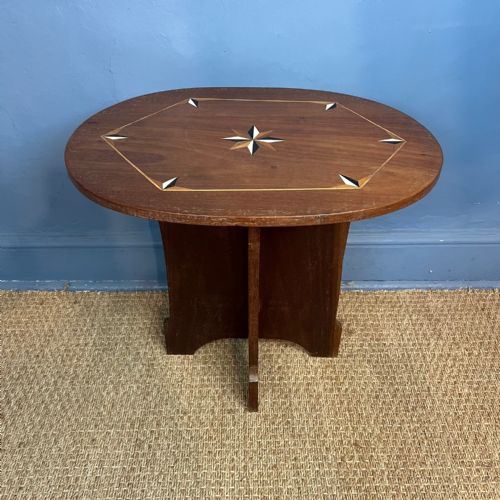
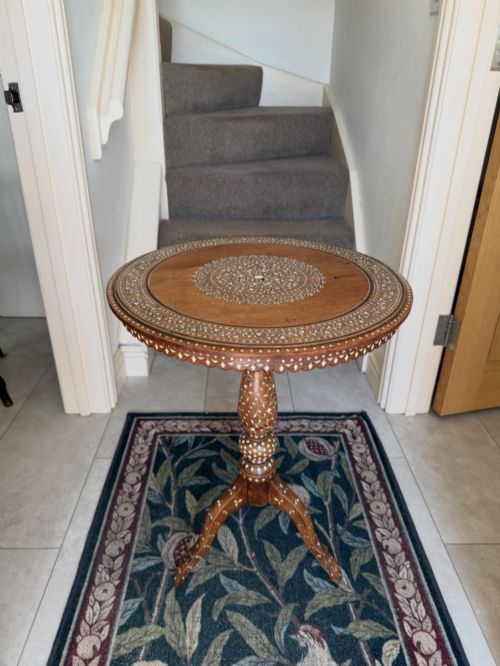
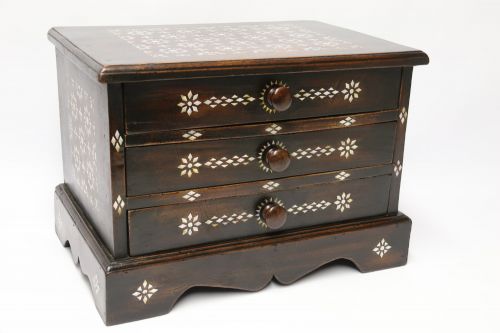
When you search for colonial bone inlay furniture, you are looking at items shaped by cross-cultural design, blending European forms with South Asian and Iberian techniques. These pieces range from octagonal occasional tables and pedestal tables to collector chests, cabinets on stand, and settees.
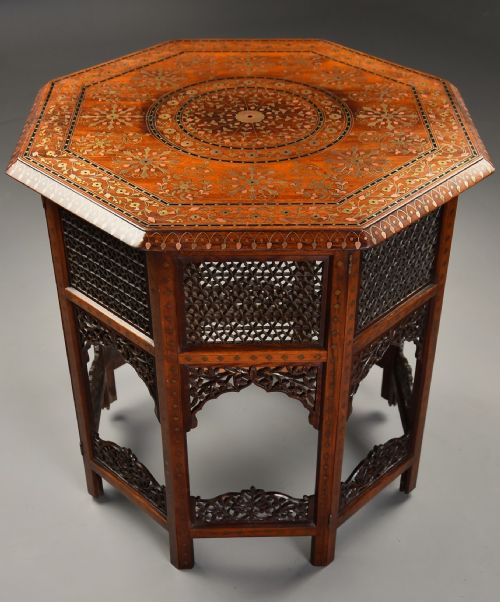
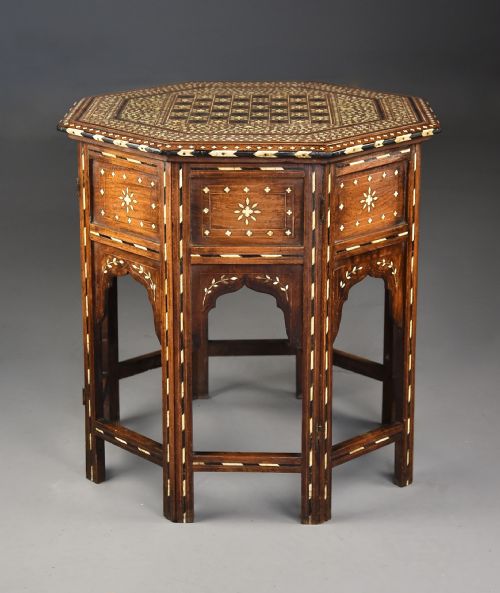
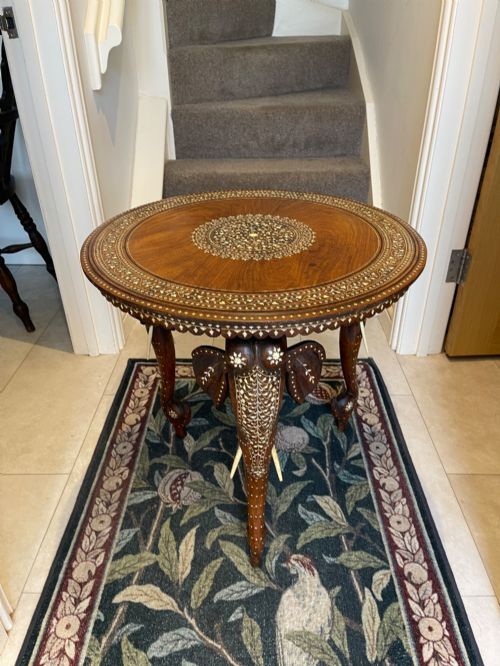
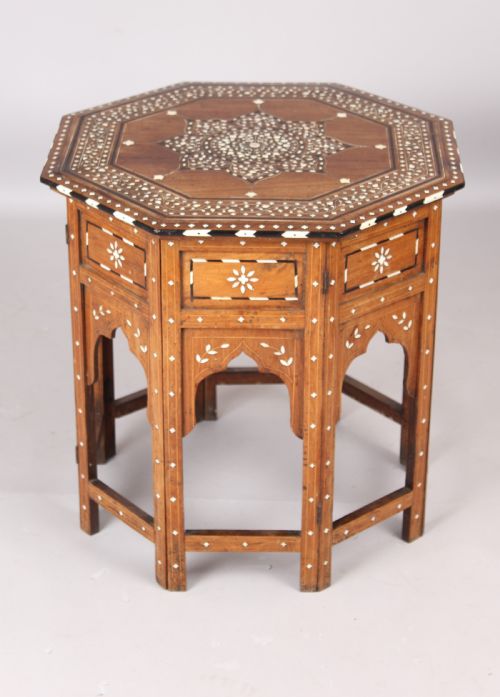
You are most likely to meet 19th century Anglo-Indian Hoshiarpur tables featuring detailed inlay work alongside Portuguese Baroque and Spanish Renaissance forms. These functional objects served as display surfaces and storage items in colonial homes, carrying centuries of ornamental tradition.
The styles recorded in these listings span Anglo-Indian, Portuguese Baroque, Anglo-Indian Colonial, and Spanish Renaissance aesthetics. Each object combines specific regional woodworking traditions with imported or local decorative motifs.
How they were made
Makers constructed these pieces using dense timbers such as teak, rosewood, ebony, and general hardwoods as a stable foundation for decoration. Artisans then set shaped pieces of bone into hand-carved recesses across the wooden surfaces.
Inlay work relied on meticulous hand-cutting of bone alongside structural joinery suited to tropical timbers. Additional details sometimes incorporated ebony inlay and tortoiseshell elements to contrast against the pale bone patterns.
Colonial Bone Inlay Furniture Retail Price Guide 2026
Typical asking prices for colonial bone inlay furniture among the pieces listed under this phrase on Sellingantiques today, from the lower quarter to the upper quarter. They describe what is for sale here now, not the wider market.
Object forms span side tables, occasional tables, collector chests, cabinets on stand, and sofas.
What varies in quality
The distinction between tiers of quality rests on the density and precision of the surface decoration. Pieces displaying tightly packed, complex geometric or figurative patterns require significantly greater time at the workbench than sparse designs.
Proportion and the preservation of the underlying timber structure dictate the architectural success of a piece. Finer examples maintain crisp edges around the bone inserts and retain harmony between the carved woodwork and the inlaid panels.
The Colonial Bone Inlay Furniture Glossary
- Bone inlay
- A decorative technique where small pieces of carved bone are set into wooden surfaces to create intricate geometric or floral patterns. This method defines the primary visual characteristic of these items.
- Hoshiarpur
- A Punjabi city renowned for its woodcarving and inlay traditions, particularly associated with octagonal tables and occasional furniture produced during the nineteenth century. Pieces from this centre often feature dense floral and animal motifs.
- Papillero
- A small tabletop cabinet or chest designed for storing documents, letters, or valuables, frequently elevated on a stand. These items emerged in Spanish and Portuguese colonial contexts.
- Vargueno
- A traditional Spanish cabinet with a drop-front writing surface concealing numerous small drawers and compartments. When mounted on a decorated stand, it forms a striking architectural furniture piece.
- Octagonal
- Having eight sides and eight angles, a common geometric format for Hoshiarpur occasional tables. This shape allows artisans to display symmetrical inlay patterns across multiple facets.
Colonial Bone Inlay Furniture: Frequently Asked Questions
What is colonial bone inlay furniture?
Colonial bone inlay furniture comprises tables, chests, and cabinets made in regions under European influence, particularly India and the Iberian colonies. These items combine native woodworking skills with imported or adapted European forms.
Artisans decorated the wooden foundations with hand-cut bone, creating intricate patterns that reflect both local traditions and colonial tastes.
How do I identify Hoshiarpur tables?
Hoshiarpur tables are typically characterised by octagonal or tripod designs covered entirely in carved wooden details and bone inlay work. They often feature floral motifs, geometric borders, or figural elements such as elephants.
The woodwork underneath usually consists of dense regional timbers like teak or shisham, providing a sturdy base for the intricate surface ornamentation.
Where were these pieces used?
These items functioned as display tables, writing desks, and storage chests in colonial residences, administrative offices, and merchant homes. Their decorative surfaces were designed to catch the eye in reception rooms and parlours.
Today, they serve similar decorative functions as focal points in contemporary interiors, functioning well as side tables or occasional surfaces.
How do I care for bone inlay?
Bone inlay benefits from stable indoor humidity and protection from direct sunlight, which can dry out the timber or discolour the bone. Regular dusting with a soft, dry cloth preserves the intricate surface texture.
Avoid using liquid polishes or harsh chemical cleaners that might seep into the microscopic gaps between the bone and the surrounding wood.