






Dark Red Runner Carpet
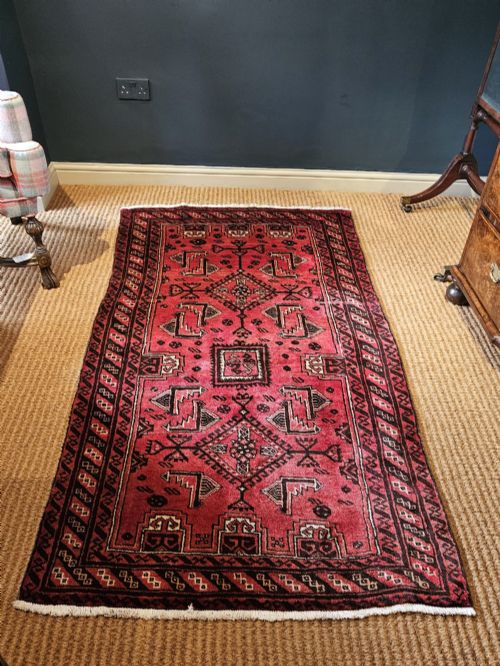
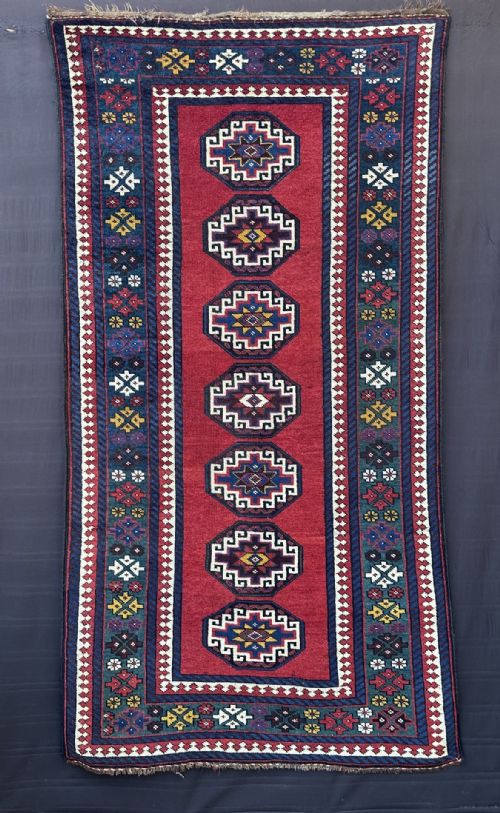
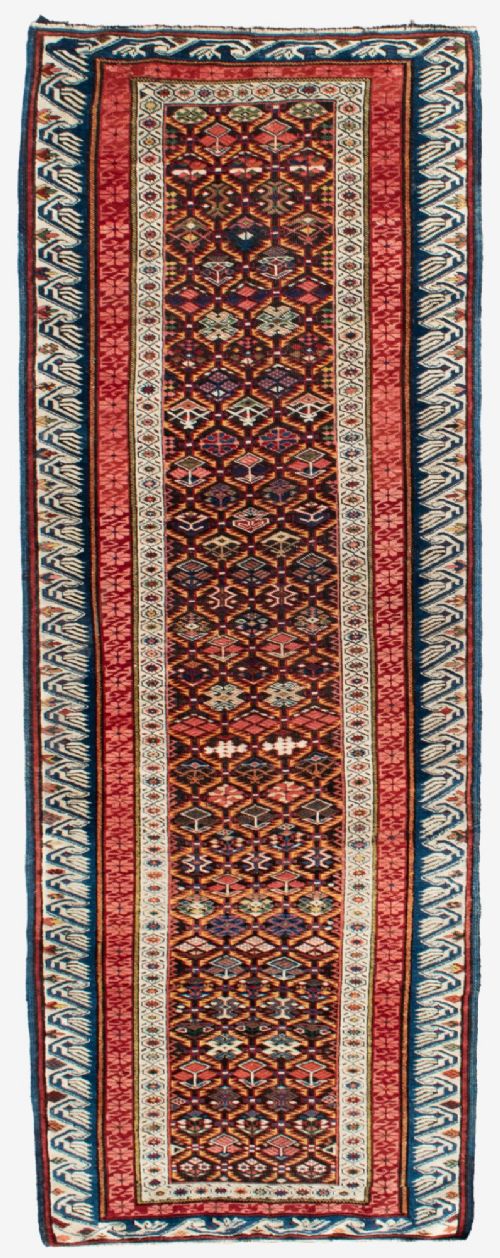
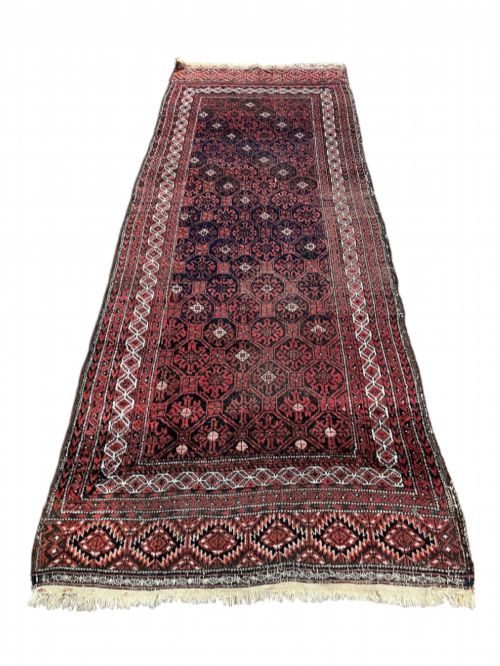
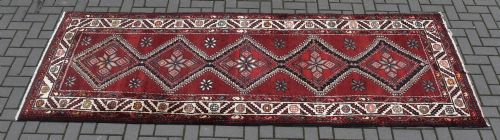
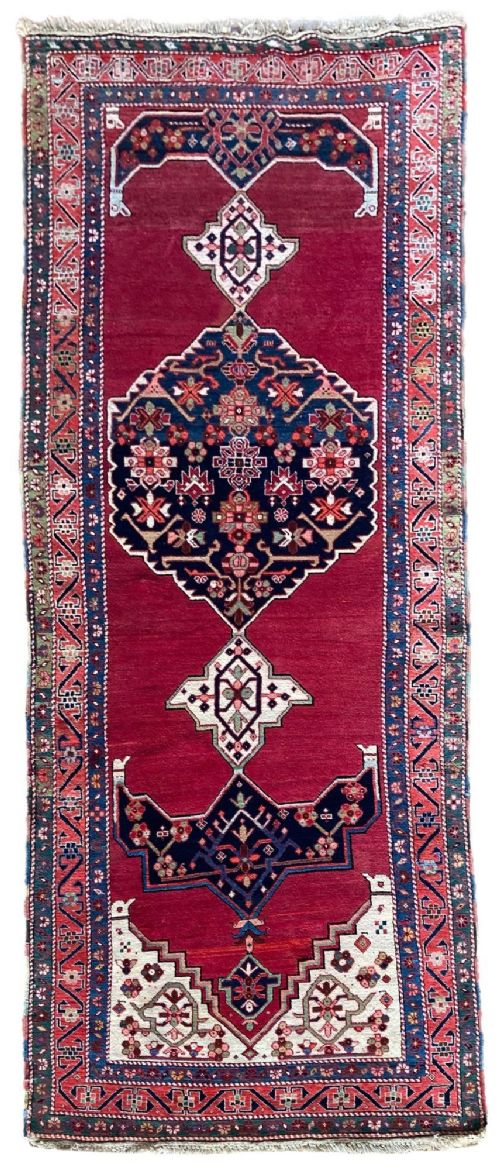
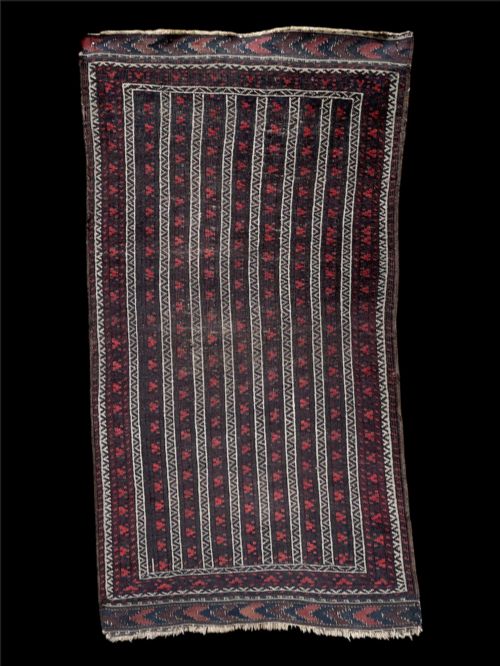
A dark red runner carpet brings deep, grounded colour and tribal pattern to a narrow hallway or corridor.
Dark Red Runner Carpet
A dark red runner carpet typically takes the form of a narrow, elongated antique rug woven by tribal or village makers across Persia, Afghanistan, and the Caucasus. When searching for a dark red runner carpet, buyers encounter pieces originating from the nineteenth and early twentieth centuries, spanning periods from the eighteen-eighties to the nineteen-thirties.
The selection on this page centres heavily on tribal traditions, particularly Baluch, Afghan, Kurdish, and Ersari Turkmen weaving. These examples display characteristic geometric motifs, prayer mihrabs, and medallion layouts rendered in rich madder-based and natural red tones.
Runners and long rugs designed for corridors form the core of these listings, often combining narrow proportions with durable village construction. They serve the practical purpose of bridging spaces while displaying traditional nomadic design vocabulary.
How they were made
Makers utilised hand-spun wool and pure wool for the pile, frequently paired with cotton foundations to create resilient, flexible floor coverings. Goat hair also appears in the construction, adding structural toughness to the outer edges and selvedges.
Natural dyes provided the enduring palette, yielding deep crimson, madder red, and dark terracotta hues that define the visual weight of these carpets. Traditional handweaving techniques tied dense knots over sturdy warps and wefts, producing textiles meant to withstand generations of daily foot traffic.
The listings on this page span several decades, featuring pieces dated from eighteen-eighty through nineteen-thirty, alongside nineteenth-century examples.
What varies in quality
Quality rests upon the fineness of the knotting and the crispness of the geometric design work. Tighter, more precise execution in the lattice, gul, or mihrab motifs indicates a higher grade of tribal weaving.
The purity and depth of the natural dyes also set examples apart. Richer variations in the dark red tones and the stability of the wool foundation separate standard village work from the finest nomadic pieces.
The Dark Red Runner Carpet Glossary
- Runner
- A long, narrow carpet specifically suited for hallways, corridors, and stairs. These pieces balance length with restricted width.
- Mihrab
- A niche design motif often found in prayer rugs, pointing toward Mecca. It typically appears as an arched shape at one or both ends of the rug.
- Torba
- A small Turkmen tribal bag face or hanging piece, woven with intricate guls and geometric patterns. They were traditionally used for storage inside nomadic tents.
- Gul
- A medallion or repeating octagonal floral motif characteristic of Turkmen and Baluch tribal weaving. Each tribe utilised distinct gul variations to signal heritage.
- Madder
- A natural dye derived from the root of the Rubia plant, producing lasting red and terracotta shades. It forms the foundation of the dark red palette seen across these rugs.
Dark Red Runner Carpet: Frequently Asked Questions
Where should I place a runner carpet?
A narrow runner carpet fits naturally into hallways, corridors, and long entryways where floor space is restricted. It adds warmth and structural interest to transitional areas of the home.
These pieces also function well alongside kitchen islands or beside beds, bringing concentrated tribal pattern and deep red colour into smaller domestic zones.
How do I care for an antique wool rug?
Vacuuming with standard suction, avoiding the use of rotating brush bars, protects the delicate wool pile and hand-spun foundations. Regular rotation ensures even wear across the length of the carpet.
Professional cleaning tailored for antique textiles preserves the natural dyes and structural integrity of the wool. Spot cleaning should be approached with caution to avoid water damage.
What is a Baluch rug?
Baluch rugs are woven by nomadic and semi-nomadic tribes originating from the borderlands of Persia and Afghanistan. They are easily recognised by their dark colour palettes, heavy use of wool, and geometric prayer designs.
These pieces frequently incorporate rich red and indigo tones, featuring motifs like the tree of life or repeating star patterns.
How can I tell the age of these carpets?
Age is determined by evaluating the materials, natural dye variations, and structural wear patterns specific to nineteenth and early twentieth-century production. Hand-spun wool and specific tribal weaving structures offer clear chronological markers.
Changes in palette and stylistic shifts from tribal geometry to village production help place pieces within specific decades between eighteen-eighty and nineteen-thirty.