





Dark Patinated Bronze Faun
A dark patinated bronze faun brings neoclassical mythology straight into a room, offering the tactile weight of nineteenth-century foundry work.
Dark Patinated Bronze Faun
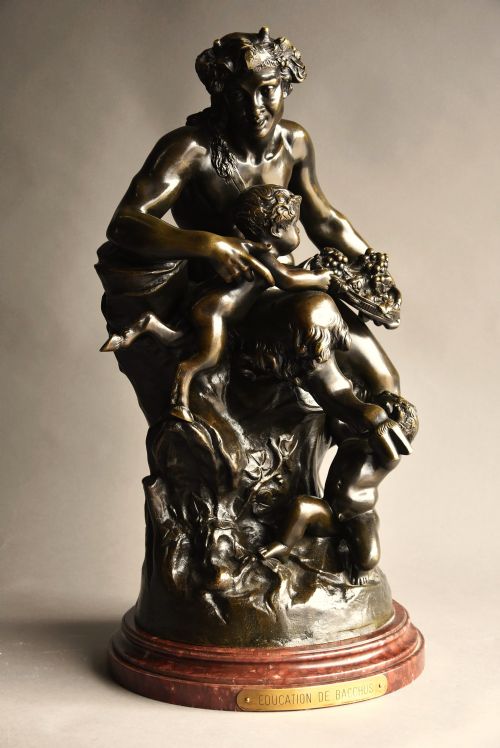
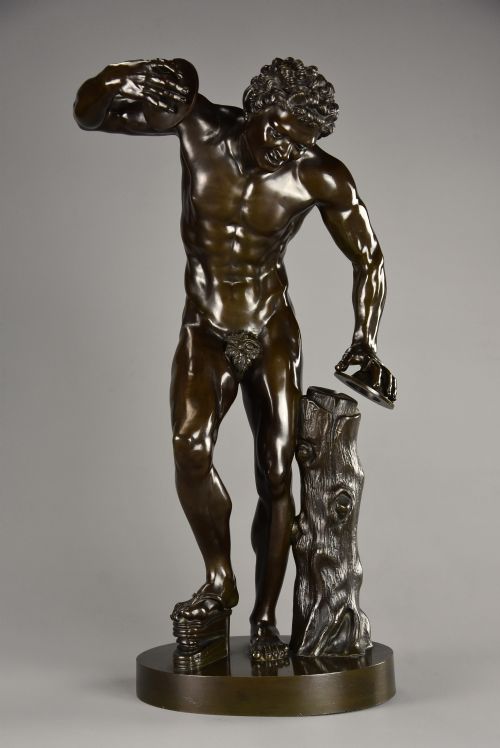
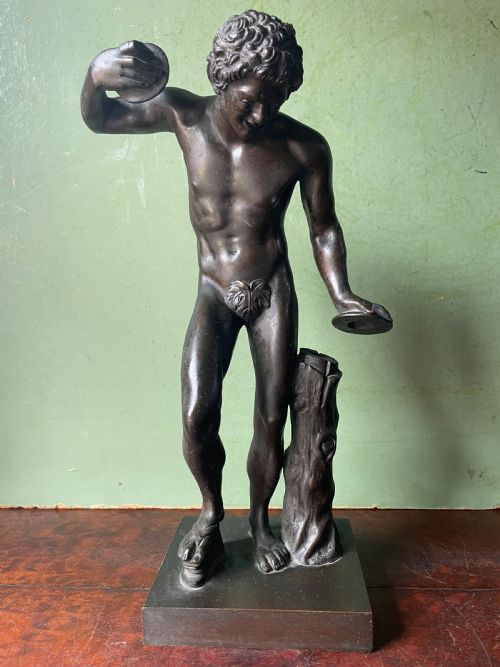
A dark patinated bronze faun captures mythological subjects inspired by ancient excavations, particularly the famous discoveries at Pompeii. These sculptures appear as standing or dancing figures, often holding cymbals, clappers, or pipes alongside related satyr groups.
Most examples originate from the nineteenth century, including Victorian productions and specific Grand Tour souvenirs acquired by travellers in Italy. Sculptors and foundries frequently produced these after the antique, referencing canonical museum pieces.
While primarily cast in bronze with dark patinated surfaces, related iterations occasionally utilise plaster or marble elements. The forms range from cabinet-sized reductions up to substantial sculptural groups.
Materials and Casting Techniques
Applied chemical treatments created the dark patinated finish, ranging from deep brown to near-black tones. This patination protected the metal while accentuating muscle definition and drapery folds.
Certain pieces integrated stone bases, mounting the metal figures upon carved marble plinths. Plaster alternatives also occur, providing a lighter medium for classical studies.
Pan occasionally stops playing his pipes to serenade an appreciative fawn.
Assessing Sculptural Quality
Quality depends upon the crispness of the chase work executed after casting, where artisans sharpened hair strands, fingers, and instruments. Softer definition indicates a worn mould or hurried finishing.
The depth and consistency of the dark patinated surface distinguishes superior casts from flat, uniform industrial finishes. Subtlety in shading reveals closer attention to classical models.
Signatures, foundry stamps, or attribution marks provide tangible evidence of origin. Pieces bearing documented maker names or specific Italian foundry cachets demonstrate higher workshop standing.
Claude Michel Clodian·Duchemin·Augusto Rivalta
The Dark Patinated Bronze Faun Glossary
- Grand Tour
- A traditional travel itinerary undertaken by European elites through France and Italy to study classical antiquities. Souvenirs purchased along the way directly inspired these bronzes.
- Patinated Bronze
- A metal alloy treated with chemical agents to alter its surface colour. This process darkens the bronze to simulate age or highlight sculptural contours.
- Neoclassical
- An artistic movement reviving the styles of ancient Greece and Rome. Figures from this period emphasise balanced proportions and mythological themes.
- Reduction
- A smaller copy of a larger monument or sculpture. Foundries produced these scaled-down versions for domestic display.
Dark Patinated Bronze Faun: Frequently Asked Questions
What is a dark patinated bronze faun?
These sculptures represent mythological half-goat figures derived from ancient Roman statues excavated in Italy. Nineteenth-century foundries cast them as decorative works and travel souvenirs.
They capture classical subjects like the dancing faun of Pompeii using cast metal treated with dark chemical surfaces.
Where were these sculptures made?
The pieces originate primarily from nineteenth-century European workshops, particularly in France and Italy. Artisans produced them to satisfy demand from collectors touring classical sites.
Many bear direct stylistic links to antiquities housed in Neapolitan and Roman museums.
How do I care for a bronze faun?
Dust the surface gently with a soft, dry cloth to prevent particulate buildup. Avoid using liquid cleaners or polishes that might strip the dark patinated finish.
Keep the sculpture away from direct moisture and stable environmental conditions to preserve the metal.
How can I tell a nineteenth-century cast?
Examine the quality of the chasing, the depth of the metal patination, and any foundry stamps or signatures present on the base. Nineteenth-century examples often exhibit hand-finishing marks absent in modern reproductions.
Contextual clues like marble plinths and classical revival styling also point to this period.