


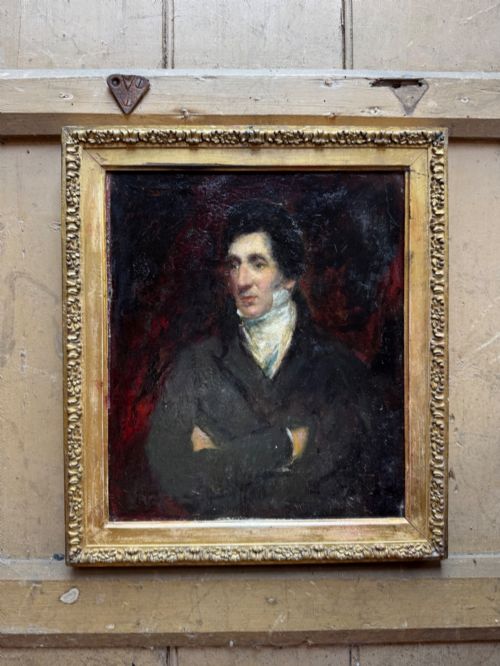
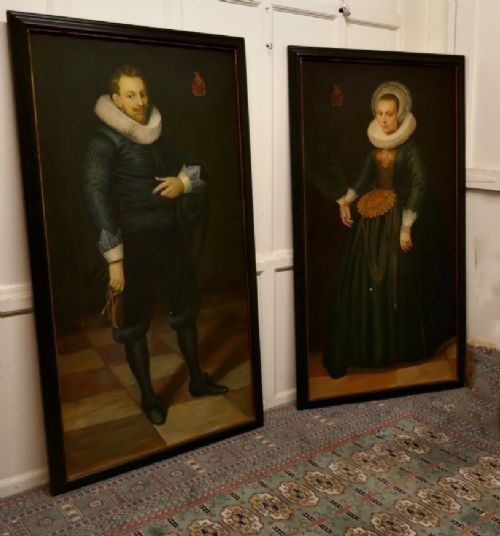
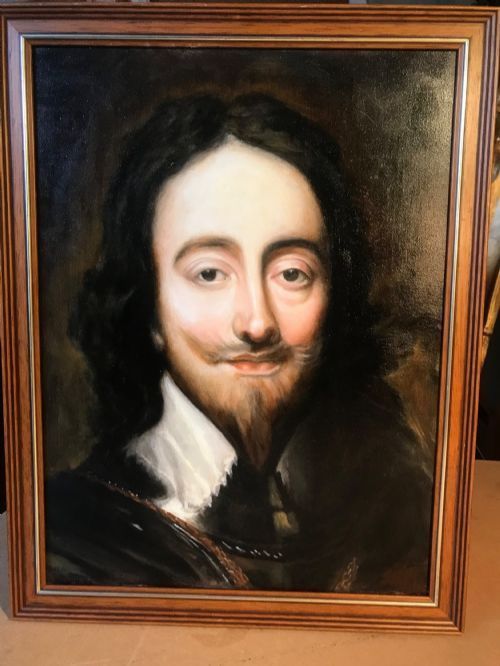
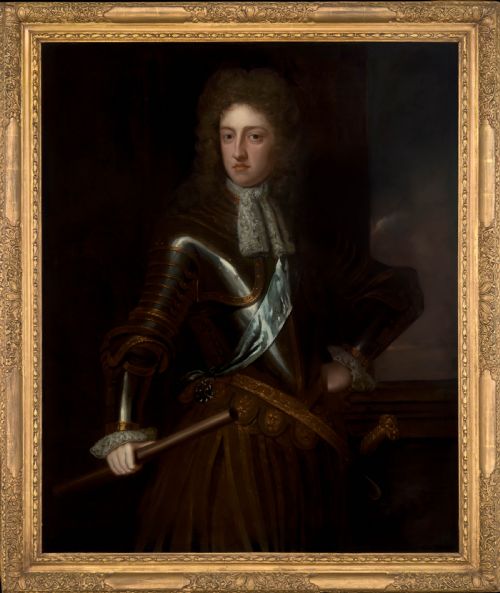
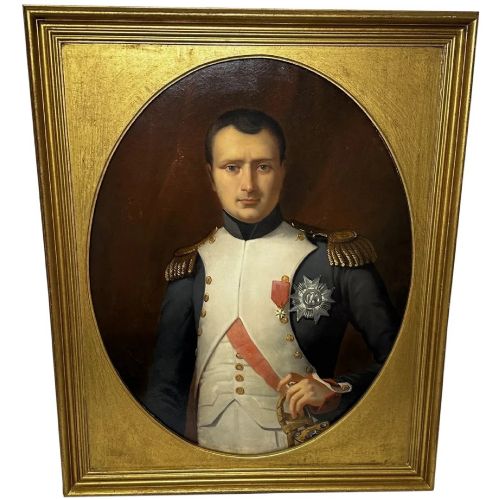
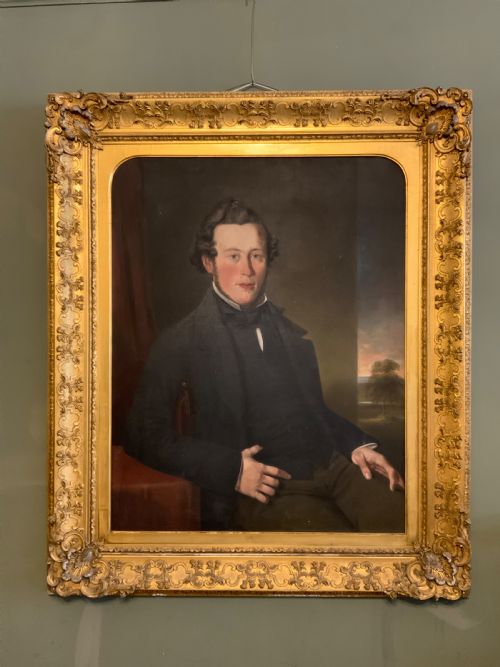
Dark Oil Canvas Portrait
These dark oil canvas portrait pieces bring profound historical presence into a room, offering genuine character captured by painters across several past centuries.
What a dark oil canvas portrait is
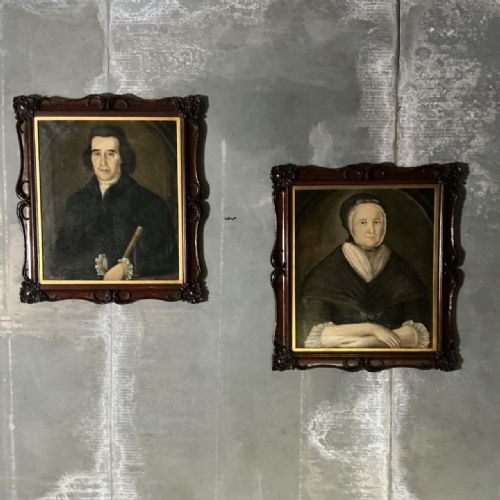
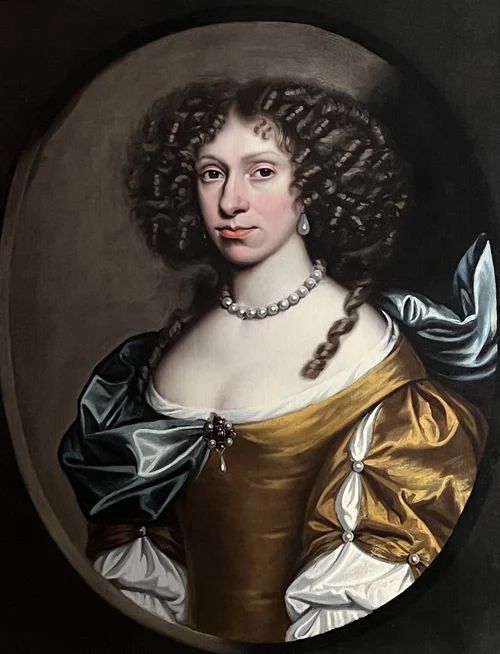
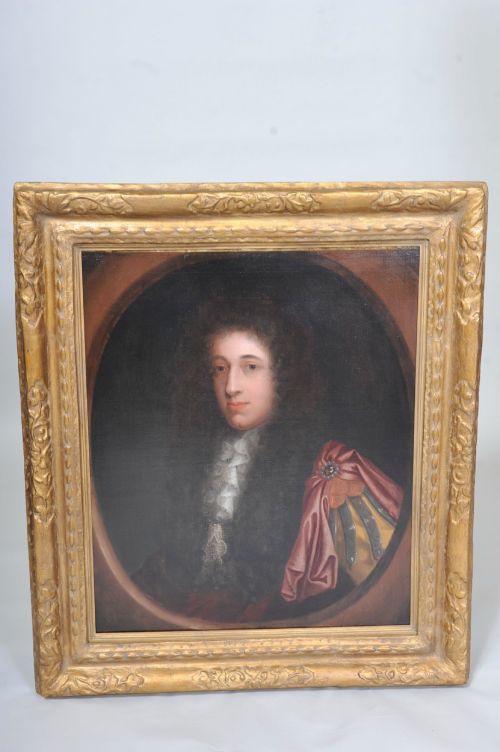
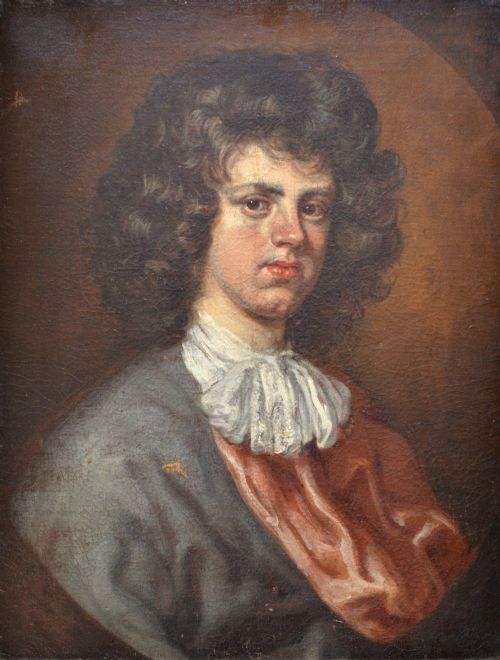
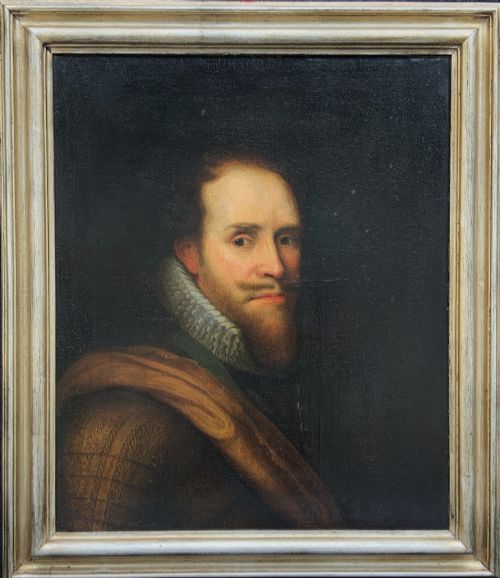
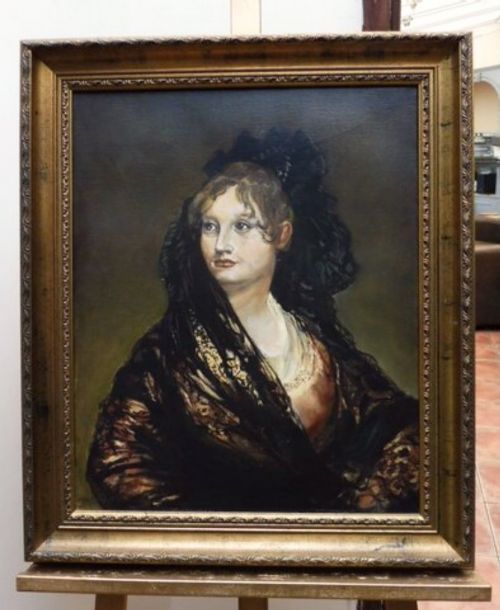
A dark oil canvas portrait represents a historical likeness painted on stretched fabric using traditional ground pigments. These works capture sitters ranging from named historical figures like Mary Anne Sykes and the Reverend Christopher Pitt to anonymous gentlemen and naval officers.
The pieces appearing on this page span the 17th century through the Victorian era, encompassing Flemish Baroque, Regency, and Georgian aesthetic movements. Buyers most frequently encounter 19th-century and Victorian examples alongside earlier seventeenth and eighteenth-century works.
Forms include single portrayals and matched pairs housed in contemporary or later wooden frames. Each piece serves as a direct link to historical portraiture traditions across different British and European schools.
How they were made
Surviving works are typically housed in frames constructed from wood and gesso, frequently finished with gilded wood surfaces that complement the dark palettes of the paintings. The combination of canvas, oil paint, and heavy wooden framing defines the physical structure of these fine art objects.
Retail Price Guide 2026
Typical UK retail prices for dark oil canvas portrait, calculated from the Sellingantiques database of over a million retail prices indexed since 2003. This retail price guide relies exclusively on Sellingantiques data; no external sources or auction records are used, so the figures do not describe the wider market.
Listings span five distinct historical periods, running from the 17th century through the Victorian era.
What varies in quality
The distinction between ordinary and superior works lies in the psychological depth of the sitter and the dexterity of brushwork in handling shadow and light. Master painters capture individual character and texture with economy and precision, whereas lesser hands produce stiff or formulaic likenesses.
Preservation of the original paint surface and the integrity of the canvas dictate the overall standard of a piece. Works retaining their untouched historic surface and original or period-appropriate wooden frames hold greater integrity than those with extensive later repainting.
George Dowdney·William Woodhouse
The Dark Oil Canvas Portrait Glossary
- Canvas
- A heavy woven fabric used as a support surface for painting. It provides the tensile strength necessary for large oil works.
- Gesso
- A plaster-like mixture applied to wooden frames before gilding or painting. It creates a smooth base for decorative mouldings.
- Flemish Baroque
- A Northern European artistic style known for dramatic lighting and rich colour. It produced highly textured and solemn portraiture.
- Regency
- An English stylistic period spanning the early nineteenth century. Portraiture from this era often displays refined neoclassical restraint.
Frequently Asked Questions
How do I date a dark oil canvas portrait?
Dating relies upon stylistic cues in the sitter's costume, hairstyle, and framing materials. Evidence from brushwork and canvas preparation also helps establish the probable period of execution.
Comparing known works by recorded painters or schools provides further chronological markers. Documented subjects with known lifespans offer a reliable baseline for dating.
Where should I hang a dark oil canvas portrait?
These works suit spaces with controlled ambient light to protect the oil paint from direct UV damage. Placing them away from direct heat sources prevents the canvas and wooden frame from warping.
Dark portraits pair effectively with traditional wall colours that echo their rich, sombre tones. Adequate wall space allows the heavy wood and gesso frames to hang securely.
What is the difference between Flemish Baroque and Victorian portraits?
Flemish Baroque works from the seventeenth century often employ dramatic chiaroscuro and intense psychological gravity. They reflect continental painting traditions distinct from later British Isles production.
Victorian portraits generally show softer realism and reflect nineteenth-century domestic values. Costume details and framing styles clearly separate these two eras.
How are paired portraits meant to be displayed?
Paired portraits of a lady and gentleman should hang side by side at eye level to maintain their visual dialogue. They were originally conceived as a matched set to represent both partners in a household.
Keeping the pair together preserves their historical narrative and aesthetic balance. Matching frames often reinforce their unity on the wall.