





Flemish School Oil Painting
These flemish school oil painting works capture centuries of portraiture, still life and landscape from the seventeenth to the mid-twentieth century.
Flemish School Oil Painting
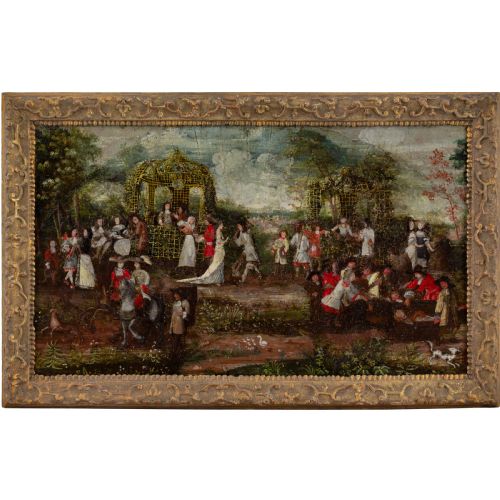
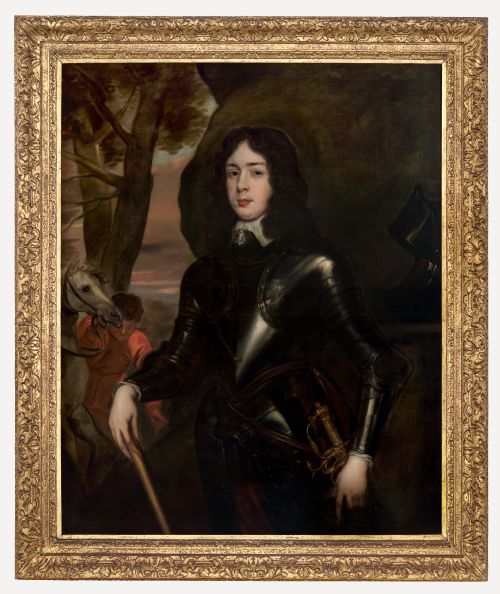
A flemish school oil painting spans centuries of artistic tradition, encompassing portraits, landscapes, still lifes and religious subjects originating from Flanders and its cultural sphere. When searching for a flemish school oil painting, buyers encounter works ranging from seventeenth-century baroque portraits of gentlemen and officers in armour to eighteenth-century floral still lifes and nineteenth-century interpretations in the manner of earlier masters.
Materials and Techniques
These works rely on oil paint applied to canvas or copper panels, utilising the rich layering techniques characteristic of the northern european tradition. Canvas provides a textured ground for expressive brushwork, while copper panels offer a smooth, stable surface that preserves fine detail in portraits and still lifes.
Frames fashioned from gilt wood and giltwood complement the canvases, employing traditional moulding and gilding methods to house the paintings securely. The combination of oil pigments and prepared supports ensures the depth of colour and tone seen in baroque and later compositions.
Among the historical portraits, one seventeenth-century gentleman shares space with figures skating briskly across a frozen Dutch lake.
Factors That Determine Quality
Quality in these works rests upon the precision of the draughtsmanship and the handling of light and shadow, particularly in facial expressions, armour and textile folds. Stronger examples display confident brushwork and anatomical clarity, whether depicting a gentleman in a justaucorps or a still life with grapes and foliage on a pewter platter.
The integration of the painting within its period frame and the stability of the canvas or copper panel also influence the standing of a piece. Works that retain their original character without heavy overpainting command greater attention from collectors.
Sir Anthony van Dyck·David Teniers The Younger·Ambrious Benson·Peter Paul Rubens·Louis Smets
The Flemish School Oil Painting Glossary
- Flemish Baroque
- A style of art associated with seventeenth-century Flanders characterised by drama, rich colour and dynamic composition. It is frequently seen in portraits of nobility and religious scenes.
- Manner of
- A term indicating that a painting is executed in the style or tradition of a specific master rather than by their own hand. This approach emulates the distinct subjects and techniques of established artists.
- Oil on Copper
- A technique where artists paint directly onto a prepared copper sheet, yielding a durable surface with high luminosity. This method was often favoured for cabinet-sized works and detailed portraits.
- Giltwood
- Wood that has been coated with a thin layer of gold leaf or powder, commonly utilised for ornate picture frames. It enhances the visual weight and period authenticity of historical artworks.
Flemish School Oil Painting: Frequently Asked Questions
What defines a flemish school oil painting?
A flemish school oil painting is an artwork originating from the Flemish tradition or produced in the stylistic manner of its historical masters. These pieces span portraits, still lifes and landscapes created across the seventeenth, eighteenth and nineteenth centuries.
The category includes works on canvas and copper panel, often reflecting baroque influences or later interpretations by subsequent artists working in northern Europe.
How should I care for an antique oil painting?
Antique oil paintings require stable environmental conditions away from direct sunlight, excessive heat and sudden humidity fluctuations. These precautions protect both the canvas support and the delicate oil pigments from cracking or fading over time.
Dusting should be undertaken gently with a soft, dry brush, avoiding any moisture or chemical cleaning agents on the painted surface or the giltwood frame.
What subjects appear in these paintings?
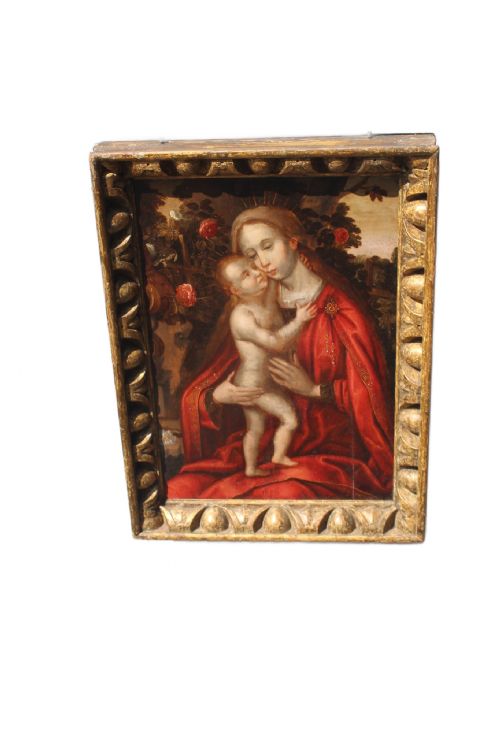
The subjects range widely from formal portraits of gentlemen, officers in armour and prelates to detailed still lifes featuring flowers, grapes and foliage. Landscapes with coastal views, winter scenes with skaters and tavern interiors also feature prominently.
Religious compositions, including scenes of the Madonna and child or depictions of Christ on the cross, represent another significant stream within the selection.
How do I identify the period of a work?
Period identification relies on examining the costume of portrait sitters, the style of the brushwork and the preparation of the canvas or panel. Seventeenth-century works often display baroque conventions, while eighteenth and nineteenth-century pieces may adopt lighter palettes or revive earlier manners.
Framing materials and construction techniques further assist in dating the piece to its original era of production.