




Dark Background Portrait Art
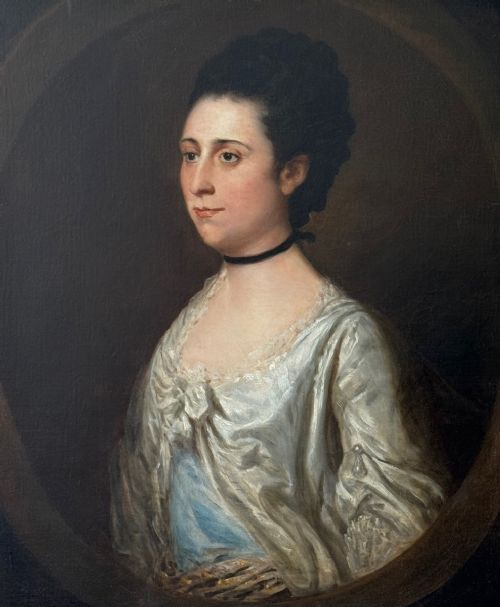
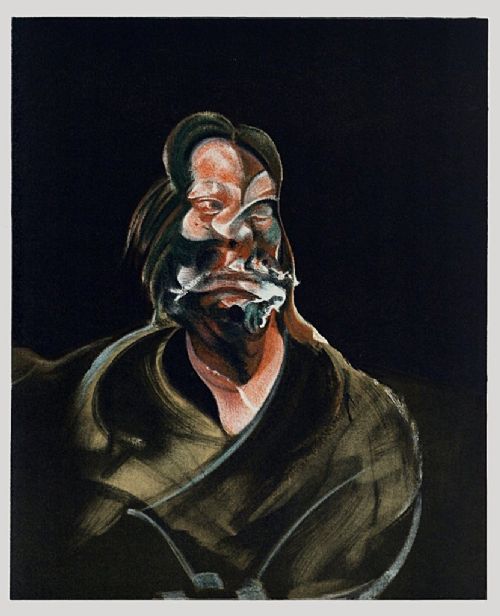
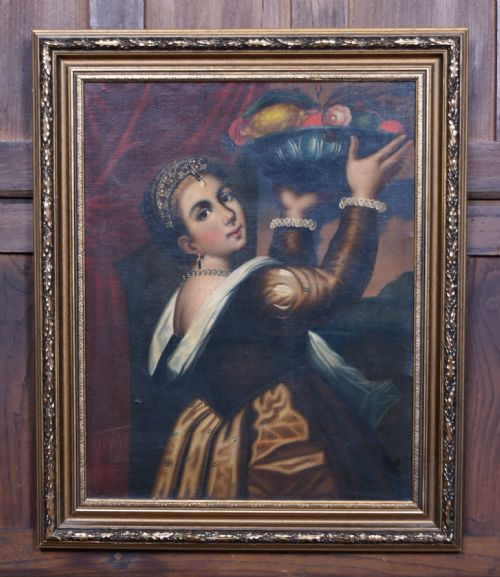
Dark background portrait art brings intensity and depth to interiors, focusing the eye on shadowed figures rendered in rich oil paint.
Dark Background Portrait Art
When you examine dark background portrait art, you encounter historical paintings where subjects emerge from deep, shadowy recesses. This selection relies heavily upon oil paintings on canvas and wood panel spanning from the seventeenth century through the nineteenth century.
The aesthetic draws on Baroque traditions, particularly Flemish and French schools, where tenebrism creates dramatic contrast between the illuminated face and the dark ground. You are most likely to meet nineteenth-century interpretations alongside earlier seventeenth-century works depicting nobility, clergy, and notable historical figures.
Materials and methods
Support structures varied between heavy timber panels for earlier pieces and stretched canvas for later periods, while framing often utilised gilded wood to complement the dark tones of the composition.
Listings span from the seventeenth century through the mid-twentieth century, featuring oil paint on canvas and wood panel.
Distinctions in quality
The handling of the dark background itself determines depth; skilled artists maintain luminosity within the shadows rather than applying flat, opaque black paint.
Thomas Beach·Margaret Sarah Carpenter·Hyacinthe Rigaud·Agnes Augusta Talboys·Sir Godfrey Kneller·John Raphael Smith·Edward Bird·John Irvine·Eden Upton Eddis·John Closterman·William Huggins·Lemuel Francis Abbott·Sir Oswald Hornby Joseph Birley·Henry Wyatt·Cowan Dobson
The Dark Background Portrait Art Glossary
- Tenebrism
- A style of painting using violent, contrasting shadows and a dark background to heighten the focal subject. This technique defines the visual weight of many seventeenth-century works.
- Wood Panel
- A rigid support base made from timber used predominantly for paintings predating widespread canvas adoption. It provides a stable surface for detailed brushwork.
- Giltwood
- Carved wood treated with gold leaf or gold paint to create a decorative frame. These frames frequently accompany formal oil paintings.
- School
- A group of artists sharing a similar style, region, or period under the influence of a master. Attributions often reference English, Italian, or Flemish schools.
- Oil on Canvas
- Pigment suspended in drying oil applied to a stretched woven fabric support. This medium became standard for portraiture from the seventeenth century onwards.
Dark Background Portrait Art: Frequently Asked Questions
How do I date an old portrait?
Dating relies upon the sitter's costume, hair style, and any visible inscriptions or dates within the paint surface. Stylistic clues in the framing and canvas preparation also assist in establishing the era.
Comparison with documented works by specific schools or known portraitists helps narrow the decade of creation.
Why are the backgrounds so dark?
The dark background isolates the sitter, drawing immediate attention to the face, hands, and costume details. This approach derives from Baroque lighting conventions.
Artists used deep shadows to create a sculptural, three-dimensional presence on a flat surface.
Where should I hang these paintings?
These works suit rooms with controlled lighting where directional lamps can catch the highlights on the canvas. Avoid direct sunlight to protect the oil pigments and varnishes.
Pairing them with traditional interiors enhances the depth and historical character of the artwork.
What is the difference between canvas and panel?
Panels provide a rigid, solid wooden base that was common in earlier centuries. Canvas offers a flexible woven support that became standard as paintings grew in scale.
Both materials require stable humidity and temperature to prevent cracking in the paint layer.