

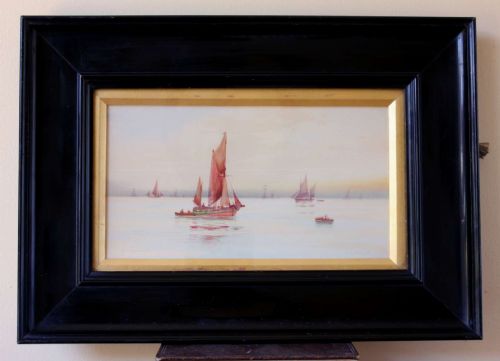
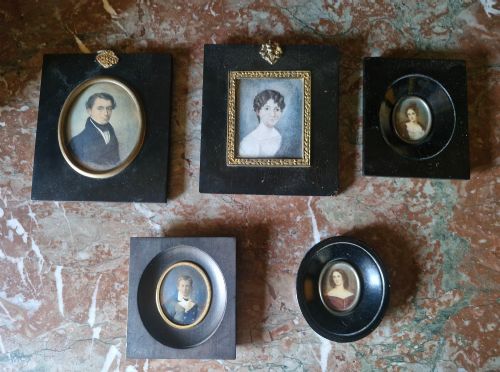
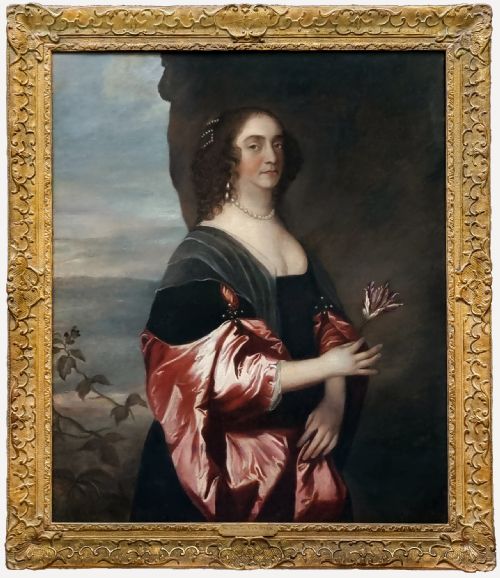
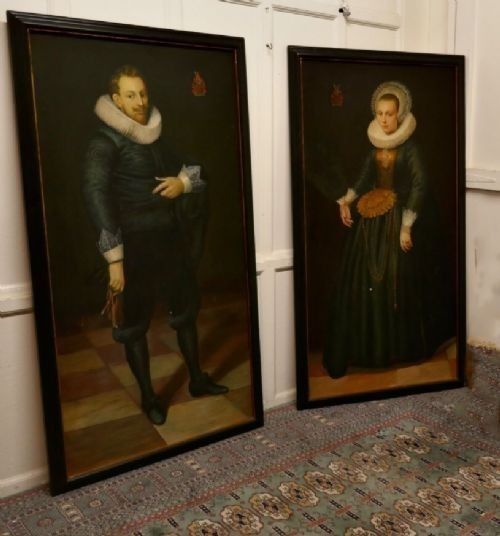
Black Framed Painting
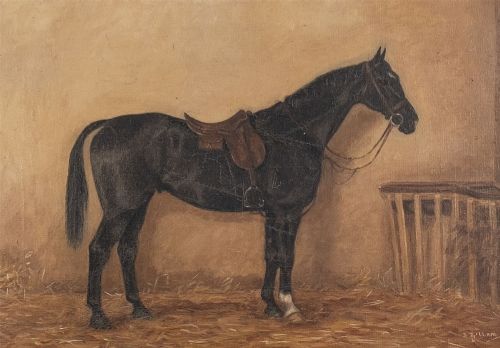
A black framed painting brings heavy contrast and historical weight to a wall, framing oils, watercolours and miniatures from centuries past.
Black Framed Painting
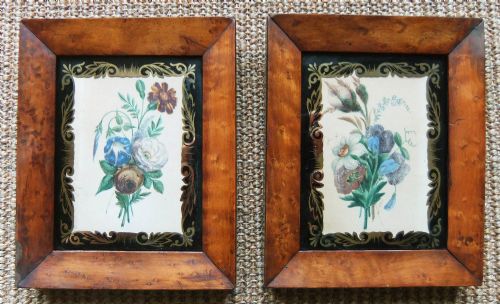
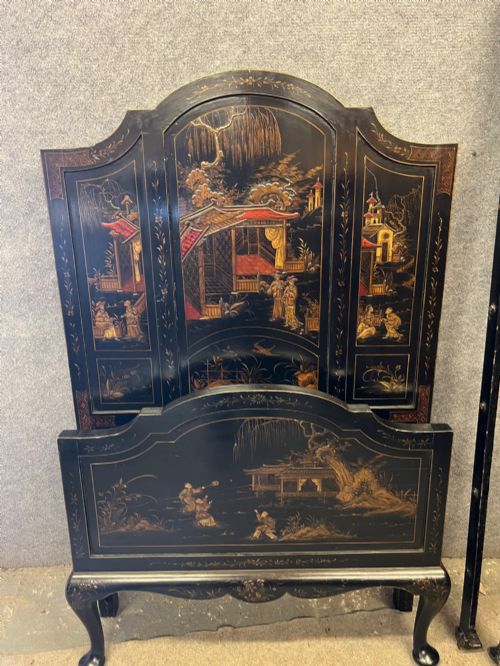
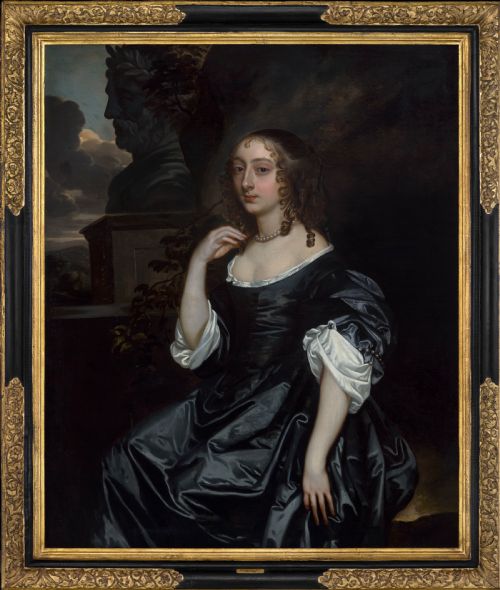
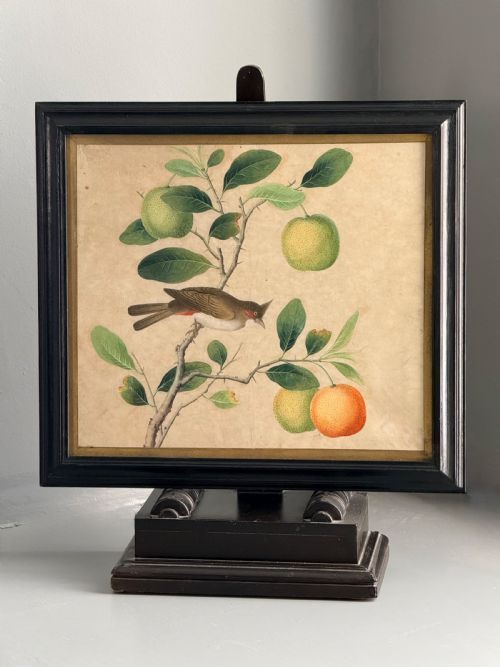
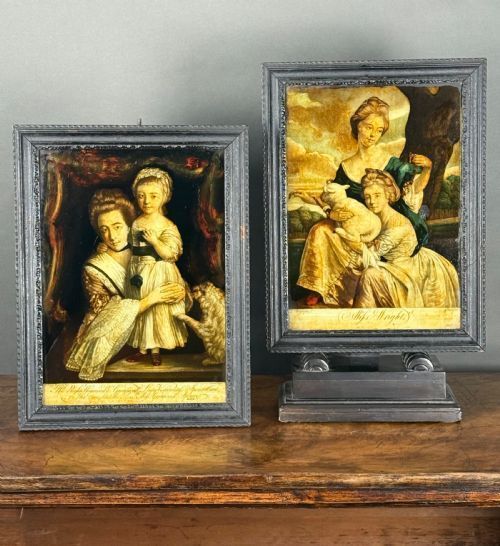
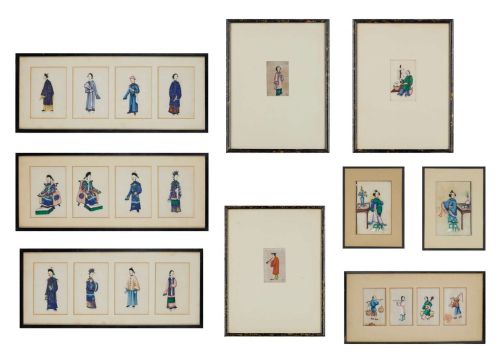
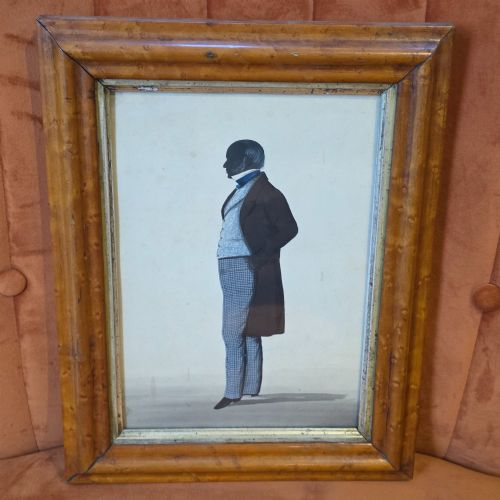
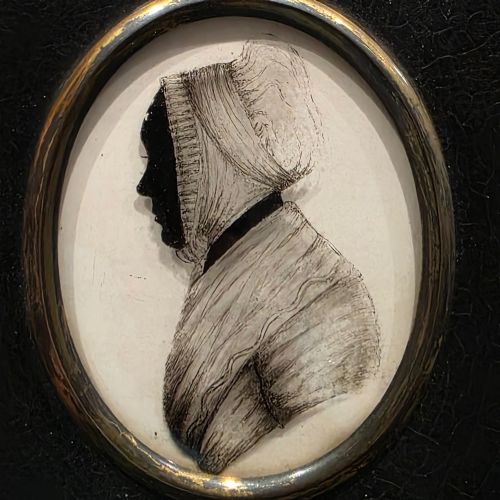
A black framed painting comprises works spanning the seventeenth century through to the mid-twentieth century, capturing portraiture, landscapes, and still life. Buyers searching for a black framed painting encounter oils on canvas, watercolours on paper, gouache on pith paper, and reverse glass mezzotints.
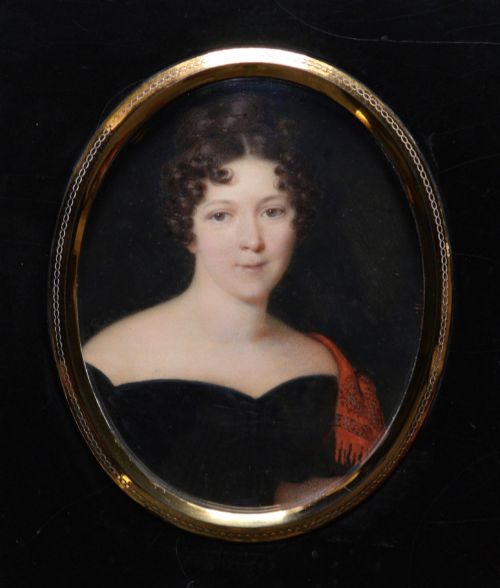
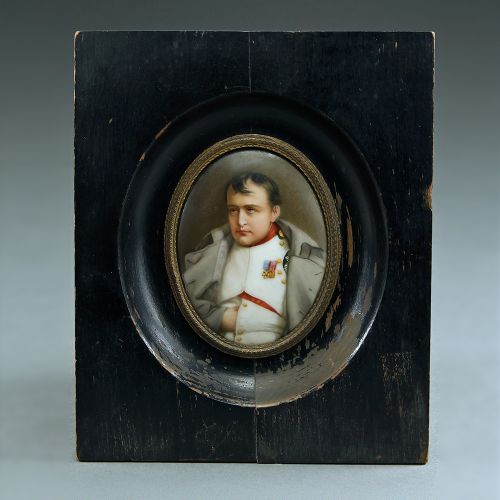
The selections include Dutch school portraits, English school flower studies, and Chinese silk paintings housed within dark surrounds. These items range from grand seventeenth-century nobility depictions to smaller nineteenth-century silhouettes and portrait miniatures.
The dominant offerings draw on Victorian, Georgian, and Regency aesthetics alongside Restoration Baroque and Mid-Century Modern pieces. Each artwork utilises the sombre strength of a dark border to anchor the painted subject within its visual field.
How they were made
Makers applied oil paint, watercolour, pastel, and gouache onto canvases, vinyl canvases, paper, silk, and pith paper. Artisans then enclosed these works behind glass or within timber housings, often incorporating gold leaf accents to highlight interior details.
Techniques range from classical oil painting and detailed miniature portraiture to reverse glass painting and hand-cut silhouettes. Historical pieces rely on traditional pigments and stretched canvas supports built to endure across centuries.
Several stubborn black Pekingese dogs gaze out from nineteenth-century pastels, quietly demanding equal wall space alongside seventeenth-century nobility.
What varies in quality
Execution and handling define the upper tier of works, where brushwork demonstrates precise control over facial expression, fabric drape, and light reflection. Lesser examples show stiff rendering and simplified proportions that lack individual character.
The integrity of the original support and the sympathetic pairing of the dark surround influence the overall standing of an artwork. Works retaining their initial housing maintain a stronger historical cohesion than those altered by later framing.
Sir Peter Lely·Cornelis Van Der Voort·Henri Fradelle·Pietro Fachetti·Gaspar Peeter Verbruggen
The Black Framed Painting Glossary
- Mezzotint
- A printmaking process where the copper plate is roughened to achieve rich tonal gradations and deep shadows. This technique allows for subtle transitions between light and dark areas.
- Pith paper
- A delicate material formed from the cellular pith of the Tetrapanax papyrifer plant, used primarily in nineteenth-century Chinese export painting. Artists applied fine gouache watercolours directly to its velvety surface.
- Portrait miniature
- A small, highly detailed painting on paper, vellum, or card, frequently carried as a personal token. These intimate works demand immense precision from the artist.
- Reverse glass painting
- An art form where the image is painted directly onto the back of a glass pane and viewed from the front. This method imparts a glossy, preserved finish to the colours.
- Gouache
- An opaque water-based medium composed of pigment, water, and a binding agent such as gum arabic. It dries to a matte finish with heavier coverage than traditional watercolour.
Black Framed Painting: Frequently Asked Questions
How do I hang a heavy oil painting safely?
Ensure your wall fixings engage directly with timber studs or masonry rather than relying solely on plasterboard. Use sturdy picture wire rated well above the weight of the piece.
Check that the hanging loops on the dark frame are securely fastened into the wood before lifting the work into position.
What lighting suits these dark framed works?
Position picture lights or adjustable spotlights to illuminate the canvas evenly without creating distracting reflections on the glass surface. Warm LED bulbs help reveal the subtle tones in older pigments.
Keep pieces away from direct sunlight to prevent fading in vulnerable watercolours and paper supports over time.
How should I clean the glass on antique frames?
Apply a mild glass cleaner to a soft microfibre cloth rather than spraying the liquid directly onto the frame. This prevents moisture from seeping under the edge into the painted surface.
Wipe gently across the glass while supporting the frame to avoid putting pressure on historical backing boards.
Can I mix different centuries on one wall?
Grouping seventeenth-century portraits alongside nineteenth-century watercolours creates a layered interior if the frames share a unifying dark tone. The consistent framing helps tie varied historical periods together.
Balance larger oil paintings with smaller silhouettes or miniatures to establish a varied rhythm across the display space.