


Classical Male Portrait Art
Classical male portrait art captures centuries of masculine likeness through oil on canvas, bronze and paper, offering direct contact with figures from history.
Classical Male Portrait Art
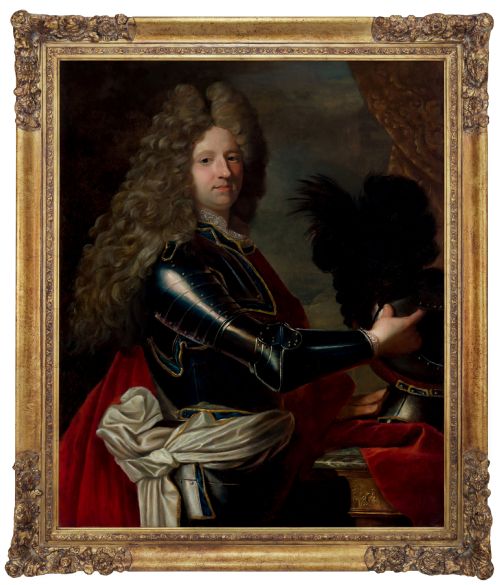
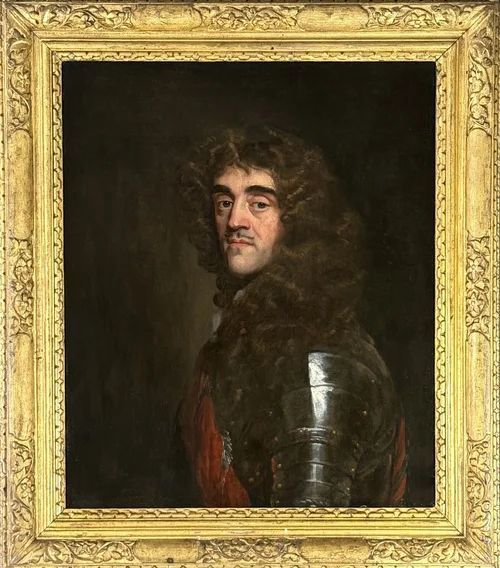
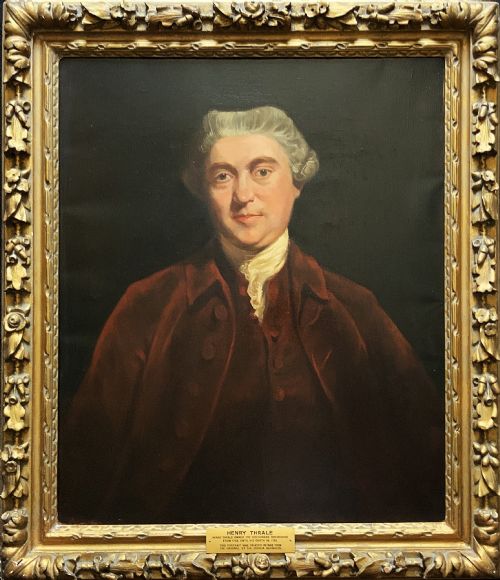
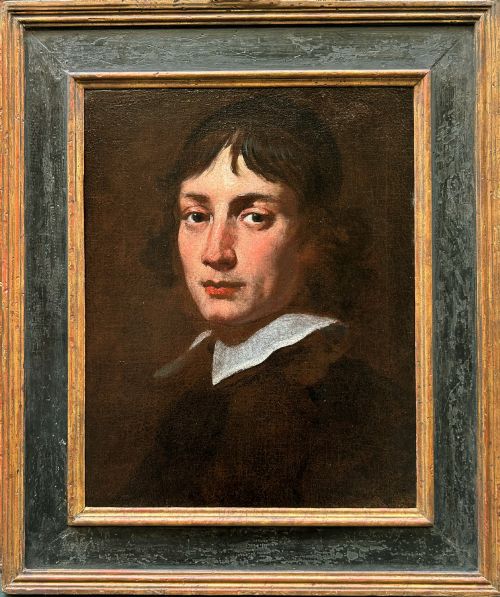
Classical male portrait art encompasses paintings, drawings and sculptures depicting men, most frequently rendered in oil on canvas during the seventeenth, eighteenth and nineteenth centuries. These works range from grand depictions of named historical figures and aristocrats to intimate studies of gentlemen, scholars and philosophers by British, French, Italian and Flemish schools.
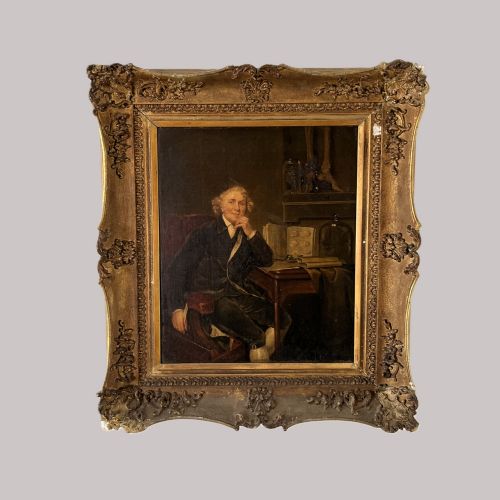
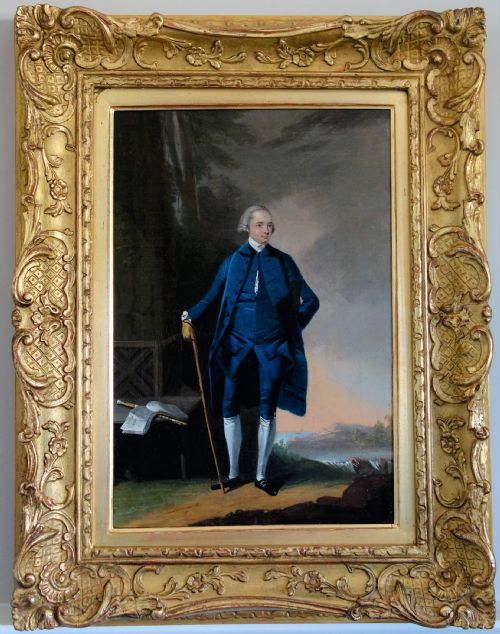
Buyers encountering this category will most commonly find nineteenth-century and eighteenth-century oil paintings framed in wood and giltwood, alongside bronze studies and paper prints after earlier masters. The subjects span named sitters such as John Hunter and James Stanley, as well as anonymous sitters recorded by regional European workshops.
Materials and methods of construction
Draftsmanship plays a distinct role in works executed on paper, employing ink or chalk to achieve preparatory studies or finished portraits. Framed wall art frequently pairs these canvases and papers with protective glass panes to preserve the delicate pigments against environmental degradation.
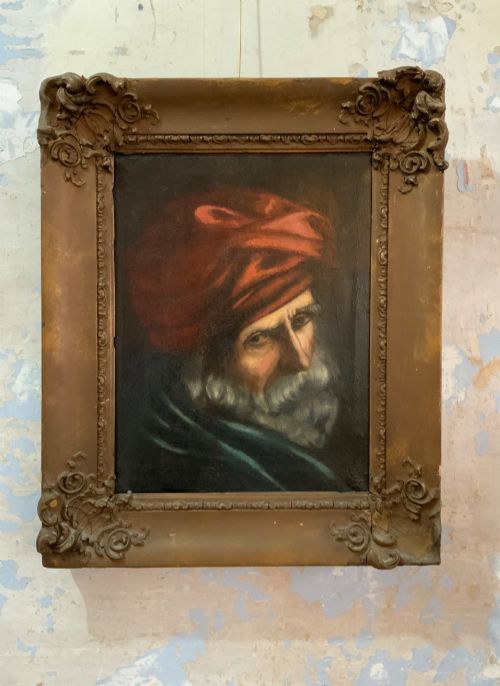
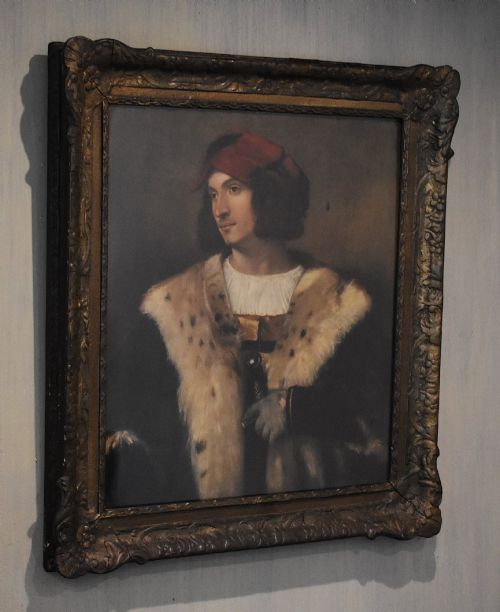
Several gentlemen in these portraits wear remarkably striking headwear, including a distinct red cap and seventeenth-century curling wigs.
Distinctions in quality and execution
The standard of classical male portrait art rests upon the anatomical precision of the facial rendering, the depth achieved in handling light and shadow, and the skill demonstrated by the brushwork or modelling. Works by identified hands or established European schools generally exhibit superior command of proportion and psychological presence compared to anonymous provincial output.
The integrity of the original materials, including the stability of the canvas and the preservation of the underlying pigment without excessive overpainting, determines the enduring merit of a piece. Additionally, the quality of the accompanying frame, particularly period giltwood surrounds, contributes significantly to the integrity of the object.
Sir Joshua Reynolds·Guillaume Courtois·John Hamilton Mortimer·Sir Thomas BROCK R A·Edward Alcock·Frans van der Mijn
The Classical Male Portrait Art Glossary
- Oil on Canvas
- A painting medium where pigments are bound with drying oils and applied to a woven fabric support. This combination allows for rich blending of tones and luminous skin textures.
- Giltwood
- Wood carved and surfaced with a thin layer of gold leaf. It frequently frames classical portraits from the seventeenth to nineteenth centuries.
- Old Master
- A term applied to European painters of skill working before the nineteenth century. These artists set the stylistic precedents emulated by later copyists.
- Bronze Study
- A small sculptural model cast in metal alloy. It captures the likeness of a sitter in three dimensions, often produced by academic sculptors.
- Flemish School
- A group of artists working in Flanders during the Baroque period. They are known for rigorous realism and deep chiaroscuro effects.
Classical Male Portrait Art: Frequently Asked Questions
How should I hang classical portrait art?
Position the artwork at eye level on a stable wall away from direct sunlight and drastic temperature fluctuations. This protects the canvas and frame from environmental stress.
Ensure the hanging hardware matches the weight of the framed piece, particularly for heavier oil paintings and giltwood frames.
What periods do these portraits cover?
The works span from the seventeenth century through to the Edwardian era and the mid twentieth century. Seventeenth and eighteenth-century examples often reflect Baroque or Georgian sensibilities.
Later nineteenth-century pieces demonstrate Victorian academic traditions, alongside revival styles that look back to Renaissance and Flemish masters.
Are these portraits of real people?
Many depict named historical figures, scientists, philosophers and aristocrats, while others represent anonymous gentlemen or studio models. Named sitters are frequently identified through inscriptions or historical records accompanying the piece.
Anonymous portraits often serve as archetypal studies of character rather than specific personal likenesses.
How do I care for antique oil paintings?
Keep the canvas away from excessive moisture and heat sources like radiators, which cause the wood and paint to crack. Dust the surface gently with a soft, dry brush without applying pressure.
Avoid using liquid cleaners or chemical solvents on the paint surface, as these can strip original glazes and varnishes.