
Antique Portrait Study
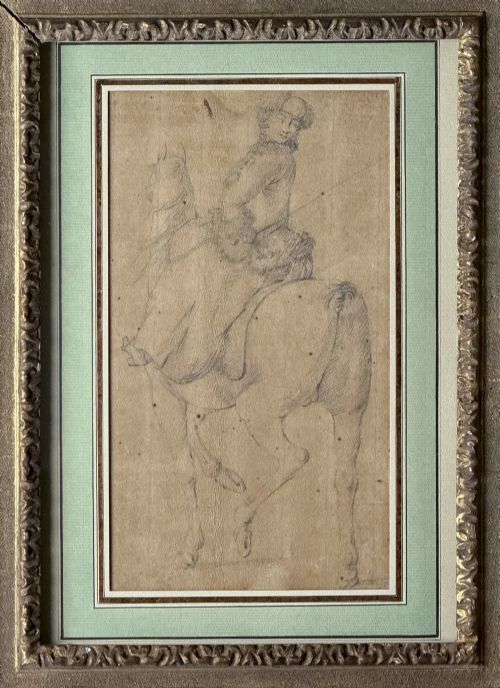
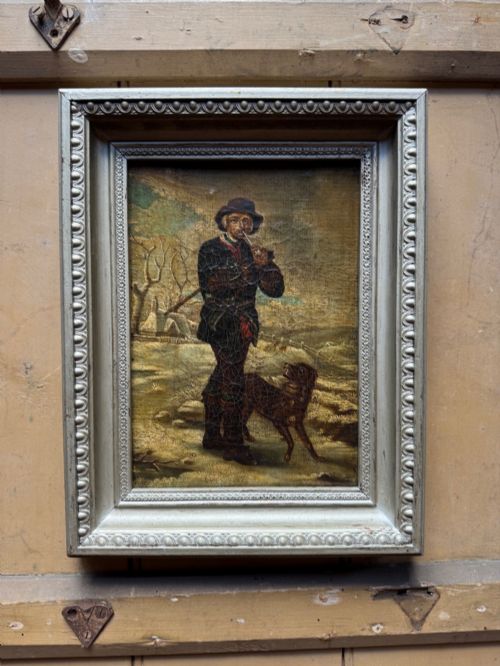
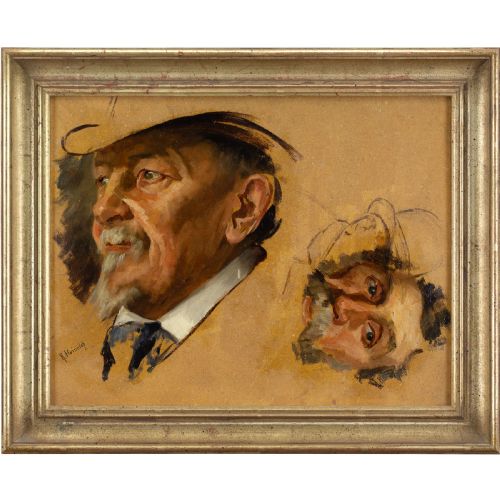
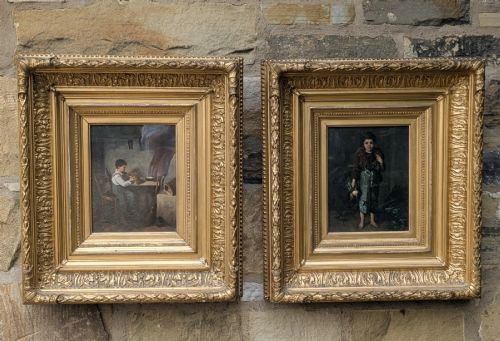
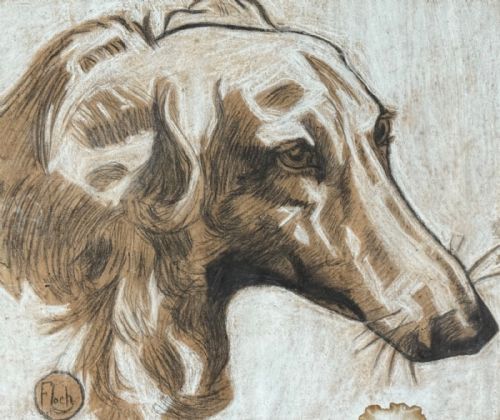
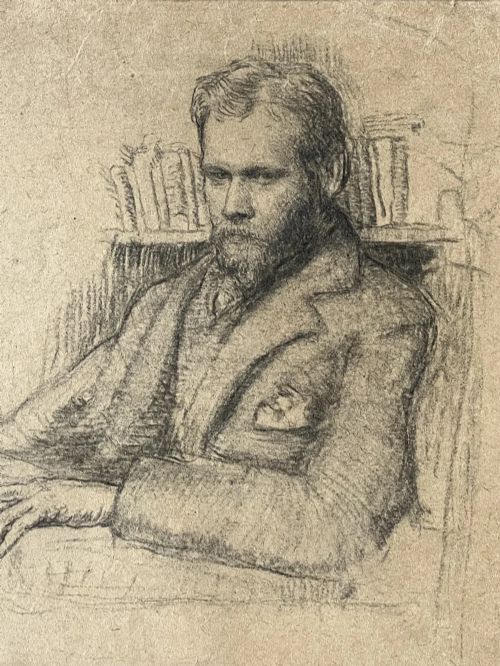
These antique portrait study pieces capture the immediate, unpolished execution of human and animal forms before they were worked into grand finished canvases.
Antique Portrait Study
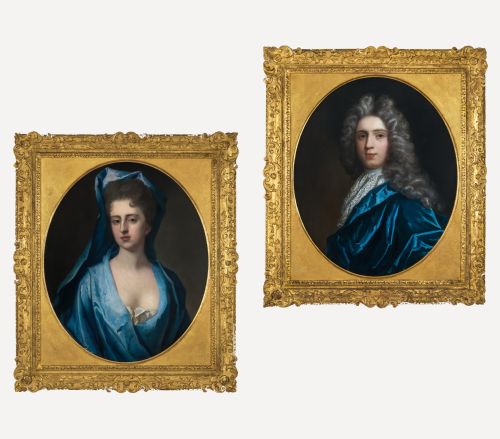
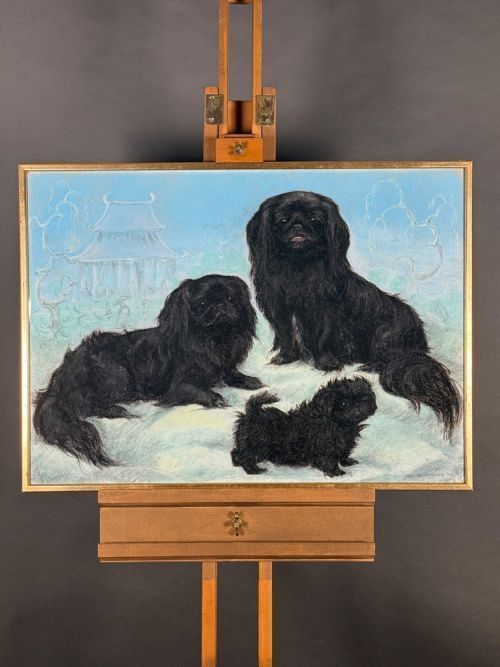
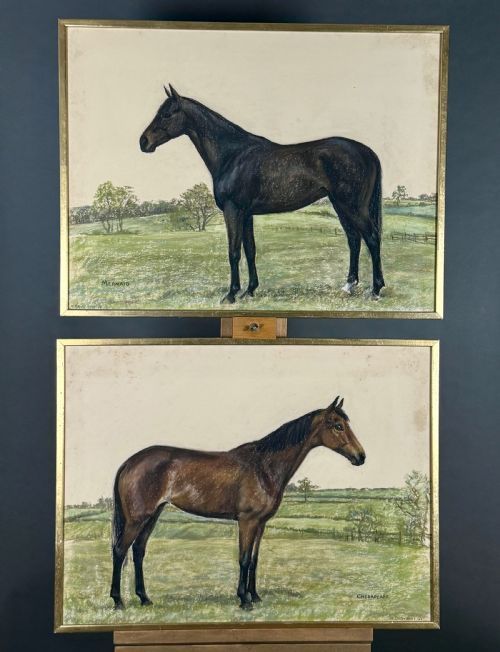
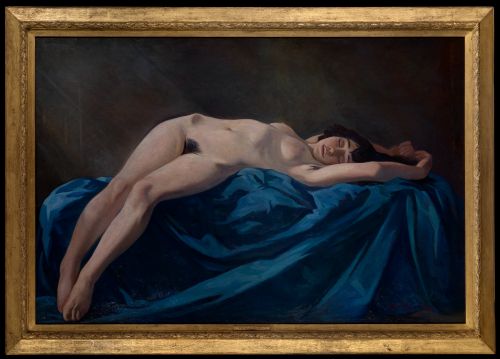
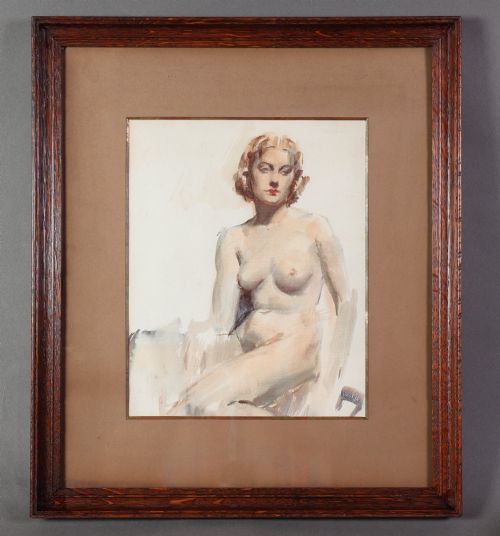
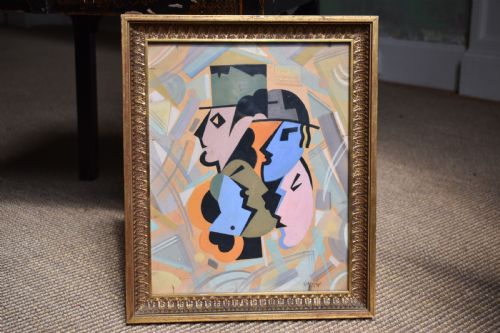
The selections available range widely in subject matter, including human figures, nudes, equestrian studies, domestic animals and self-portraits. These pieces often record the quick observations of academic artists, regional European schools and folk art traditions.
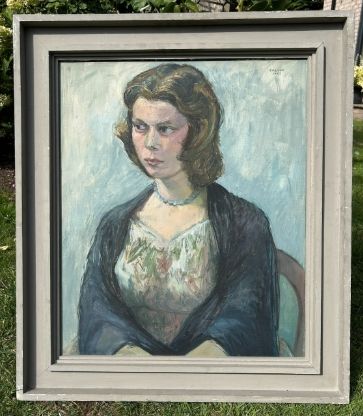
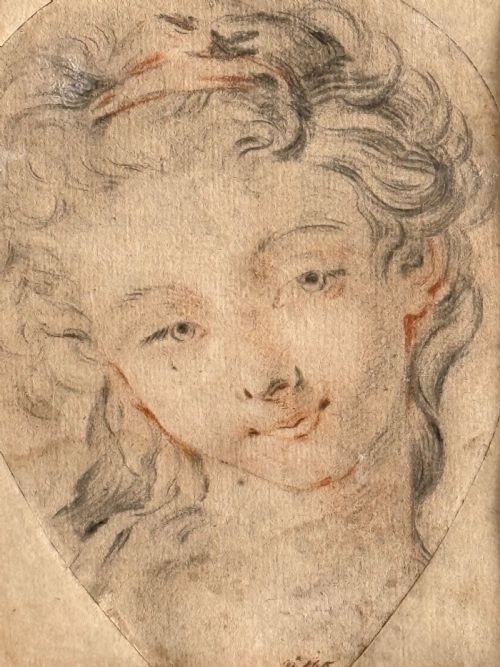
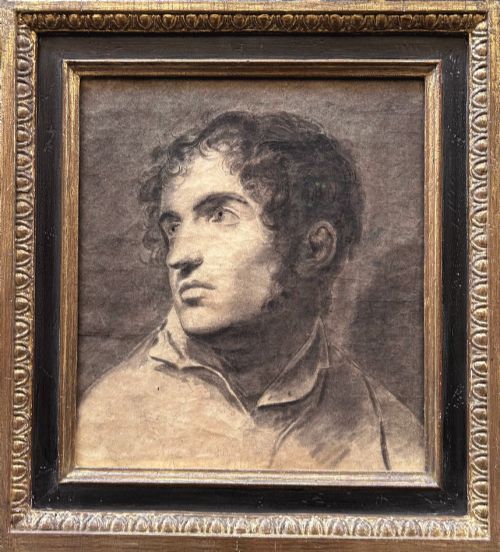
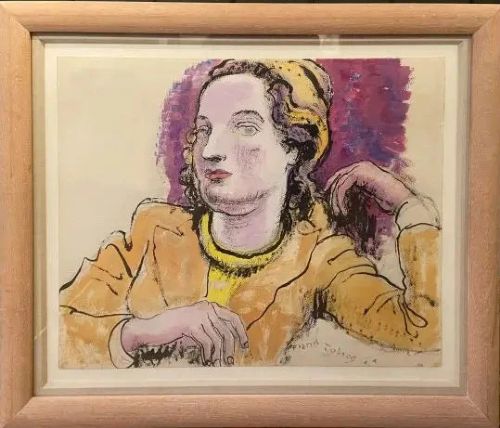
Many items present intimate depictions of named sitters, anonymous gentlemen, ladies in period bonnets or classical figures rendered in monochrome or muted palettes. They appear on various traditional supports, offering direct insight into the preparatory stages of historical fine art.
How They Were Made
Artists built these studies using oil paint, pastel, charcoal, gouache, pencil and pen and ink applied directly to canvas, wood panels, buff paper or card. The materials selected were chosen for immediacy, allowing the maker to record light and shadow quickly.
Techniques varied from academic academic realism and en grisaille monochrome to loose impressionistic strokes and naive folk art outlines. Some works utilise layered washes and ink, while others rely on the bare grain of the paper or canvas to provide mid-tones.
Antique Portrait Study Retail Price Guide 2026
Typical asking prices for portrait study among the pieces listed under this phrase on Sellingantiques today, from the lower quarter to the upper quarter. They describe what is for sale here now, not the wider market.
Listings feature paper, canvas, wood and giltwood supports spanning the seventeenth to the twentieth centuries.
What Varies in Quality
The distinction in quality rests on the confidence of the hand and the economy of line. A superior study demonstrates assured anatomical structure and expressive character with minimal hesitation, whereas lesser examples feel stiff or overly laboured.
Preservation of the original surface, pigment stability and the harmony between the subject and its secondary support dictate the standing of a piece. The strength of the composition and the clarity of the artist's intent elevate a simple preparatory exercise into a compelling standalone work.
Michael Dahl·Thomas Murray·Francois Boucher·Augustus John·William Etty·Allan Douglas Davidson·Septimus Scott
The Antique Portrait Study Glossary
- Gouache
- An opaque water-based paint that provides solid, flat areas of colour and dense highlights. It is frequently combined with pencil or watercolour on tinted paper.
- En grisaille
- A painting executed entirely in shades of grey, neutral grey or monochromatic pigments. This technique was often employed to simulate sculpture or prepare for engraving.
- Academic realisim
- A style of painting and drawing produced under the influence of European academies of art. It emphasises precise anatomical accuracy, classical proportions and polished technique.
- Pastel
- A medium consisting of powdered pigment combined with a binder and formed into a stick. It yields velvety textures and immediate colour application, though it requires protective glazing.
- Ground
- The initial preparatory coating applied to a canvas, wood panel or board before painting. It establishes the foundational tone and absorbency of the surface.
Antique Portrait Study: Frequently Asked Questions
What is the difference between a study and a finished portrait?
A finished portrait was intended as a formal, complete representation of a sitter, often commissioned for display and executed with blended details and polished backgrounds. In contrast, an antique portrait study focused purely on capturing expression, lighting or anatomy quickly.
These working pieces reveal the raw mechanics of the artist's process without the stiff formality of a final gallery commission.
How should I frame and display works on paper?
Works executed on paper, pastel or card require careful framing behind UV-protective glass to prevent fading and degradation from natural light. Mats should be utilised to keep the delicate pigment surface from touching the glazing directly.
Keeping them away from direct sunlight and damp environments ensures the charcoal, gouache or pencil lines remain stable for decades.
Why do many studies feature anonymous sitters?
Many portrait studies were created as life exercises in academies, practice sketches of family members or working models hired for a single afternoon. The artist was interested in the play of light across a cheekbone or the drape of fabric rather than preserving a specific identity.
Consequently, the names of the subjects were rarely recorded unless the drawing was a preliminary step for a documented public monument or major oil painting.
Can these pieces be dated accurately without a signature?
Dating relies heavily on the physical evidence of the materials, such as the weave of the canvas, the composition of the paper stock and the framing remnants. Stylistic clues like period hairstyles, clothing styles and the specific handling of the medium also point toward a particular decade.
Comparing unsigned works to documented pieces by regional schools helps narrow down the active period of creation.