
Dark Oak Table
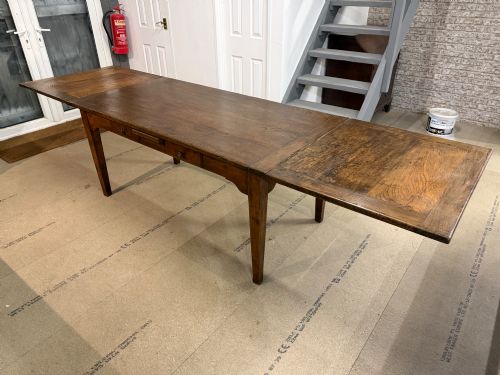
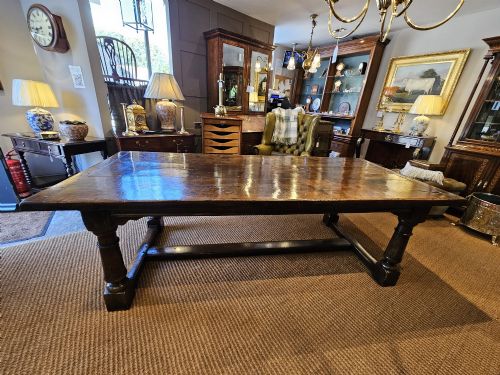
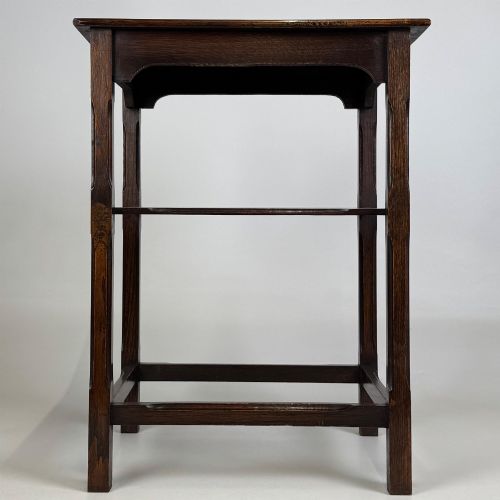
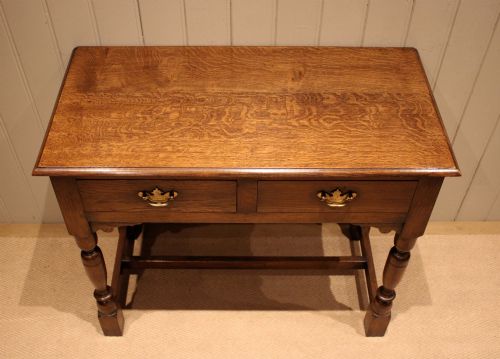
A dark oak table brings warmth and substance to a room, ranging from small gateleg dining tables to substantial refectory boards.
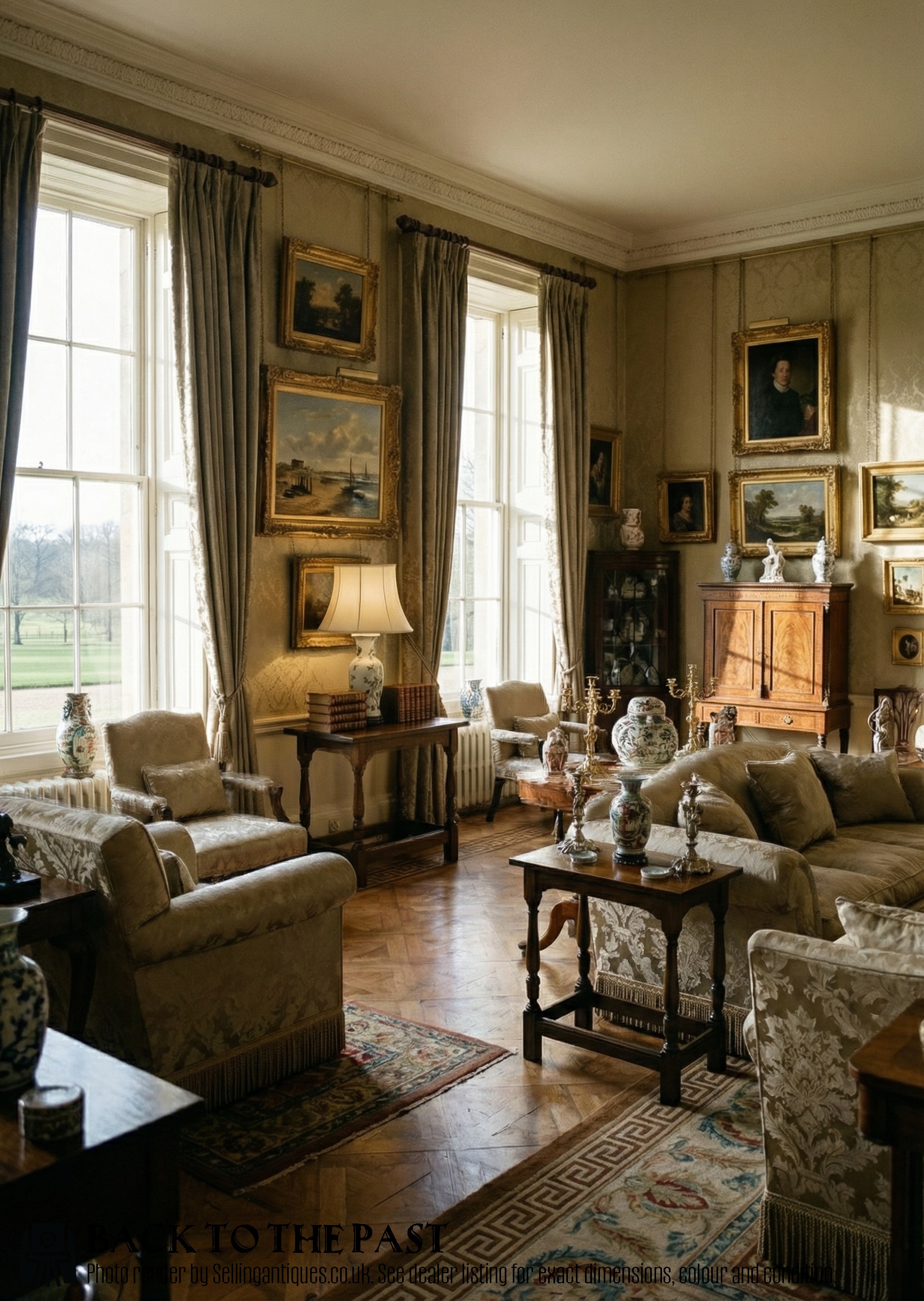
Dark Oak Table
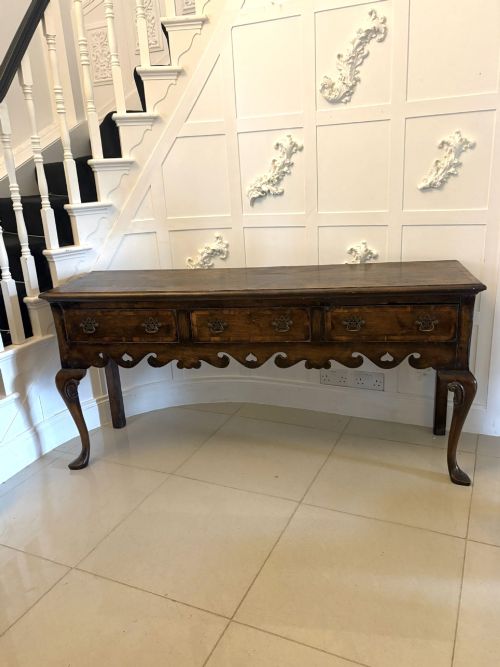
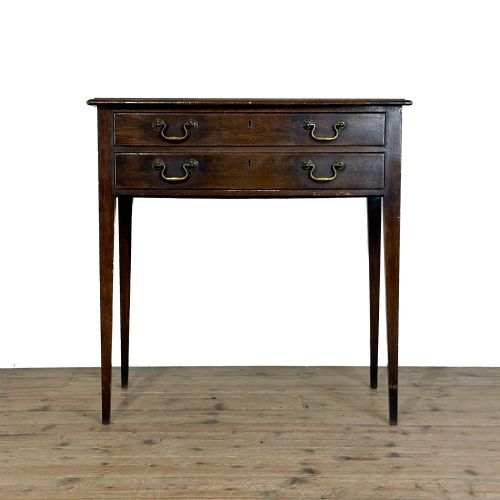
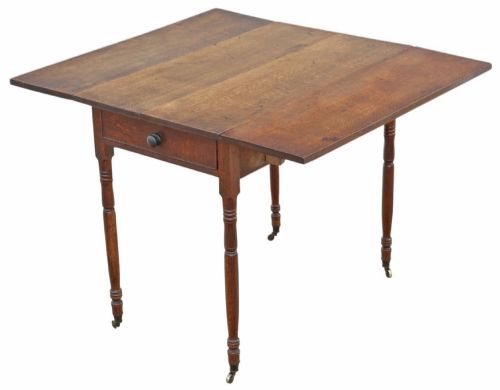
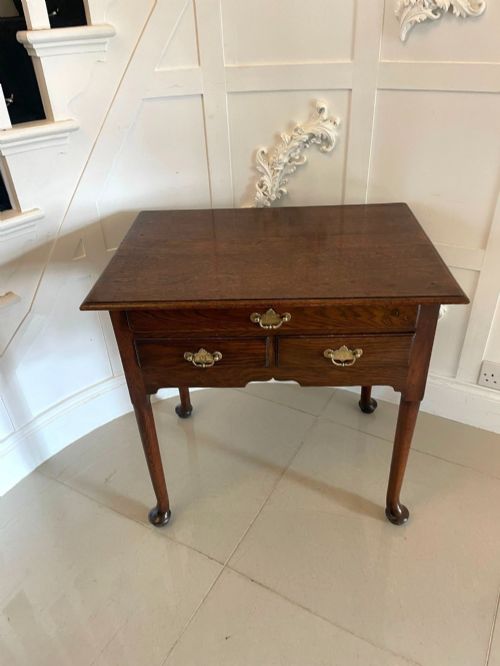
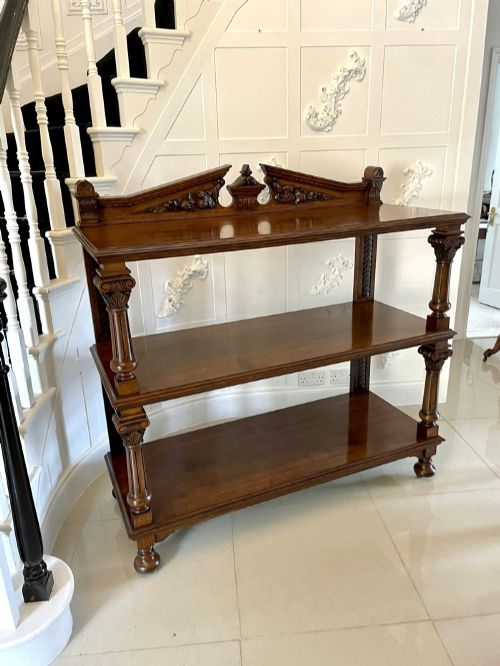
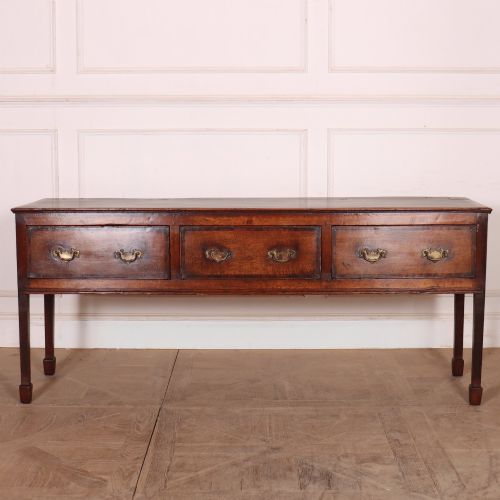
A dark oak table encompasses a broad variety of forms shaped across multiple centuries, including dining tables, side tables, coffee tables, and lowboys. When searching for a dark oak table, buyers encounter pieces spanning from the seventeenth century through to the Edwardian period and the 1930s, reflecting shifts in domestic utility.
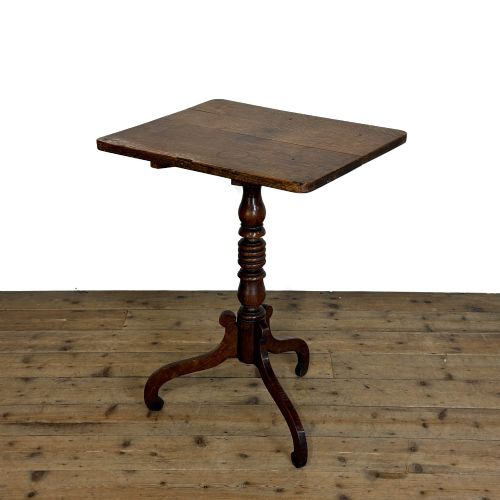
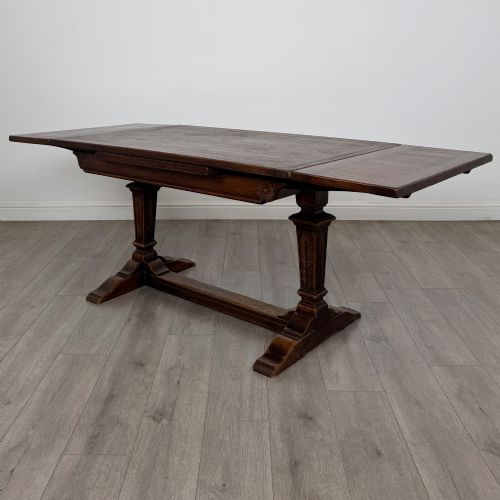
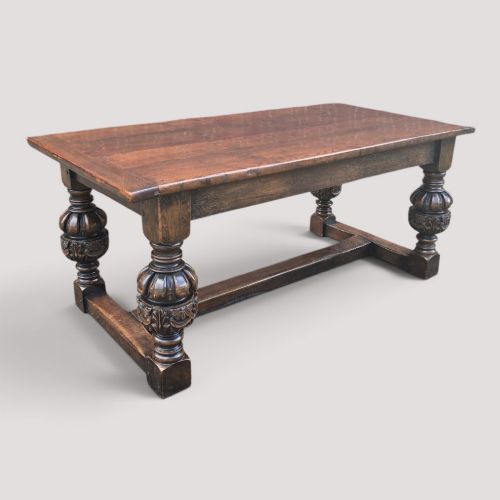
The selections available range from large refectory dining tables designed to seat ten down to compact occasional tables, plant stands, and writing desks. Gateleg dining tables and draw-leaf extending tables appear frequently alongside simpler country side tables and cricket tables.
Origins stretch across English country workshops and formal urban cabinet makers, showing styles from Georgian and Jacobean Revival to Arts and Crafts and Art Deco. Buyers are most likely to meet Edwardian and Victorian interpretations alongside Georgian forms and sturdy twentieth-century refectory boards.
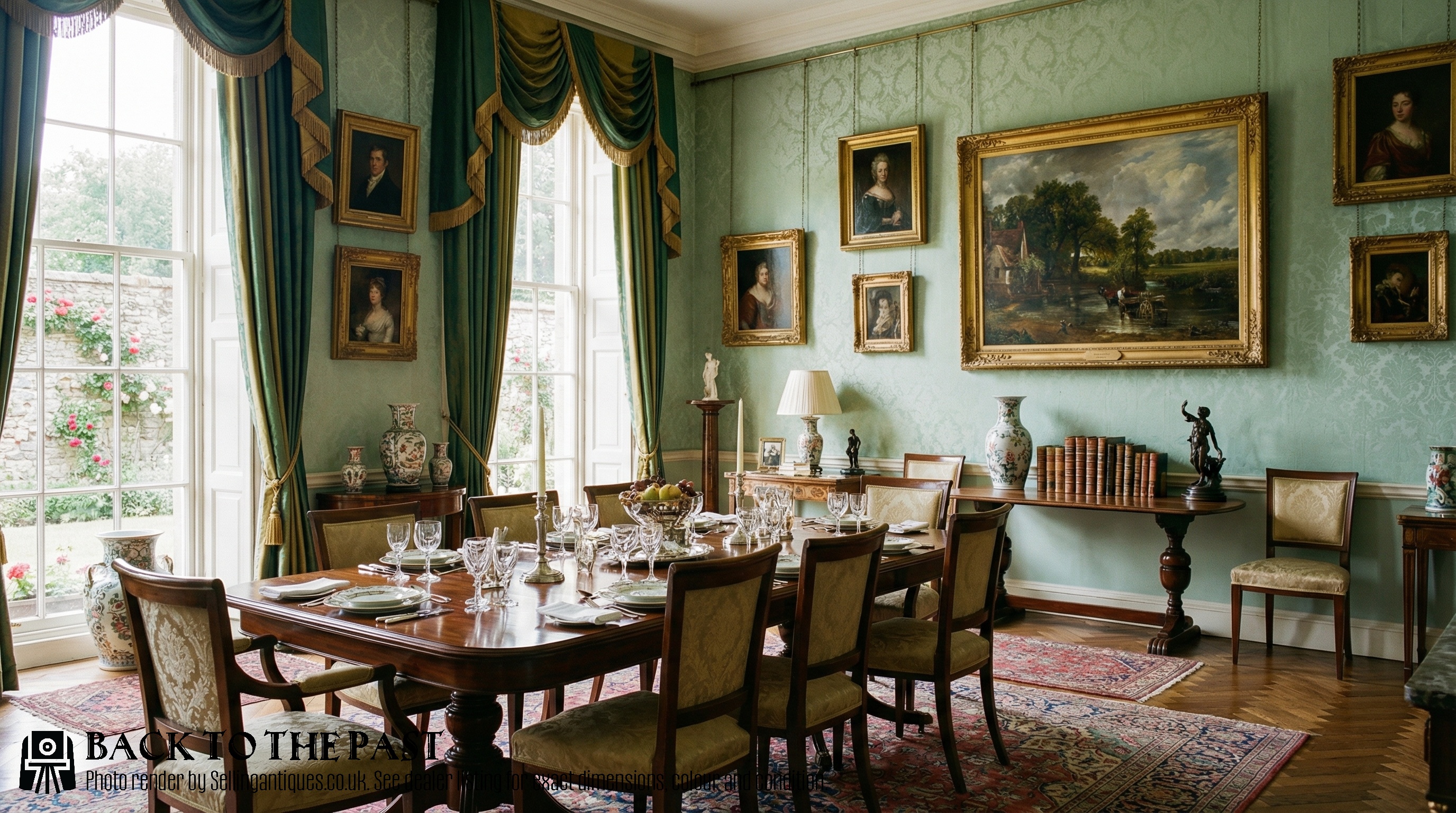
How a dark oak table was made
Makers utilised solid oak predominantly, often complemented by secondary timbers like elm and yew in country pieces, alongside brass and metal hardware. Construction relied on traditional joinery methods that gave these tables their lasting durability.
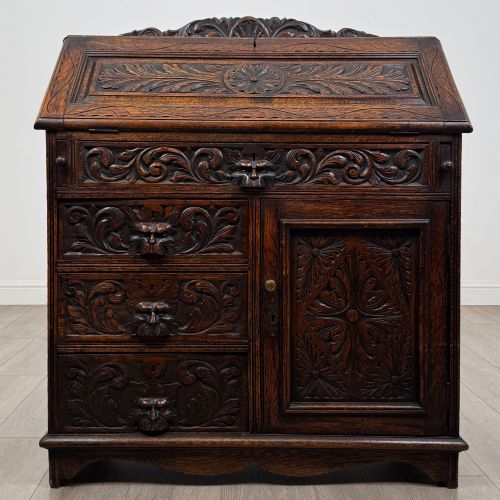
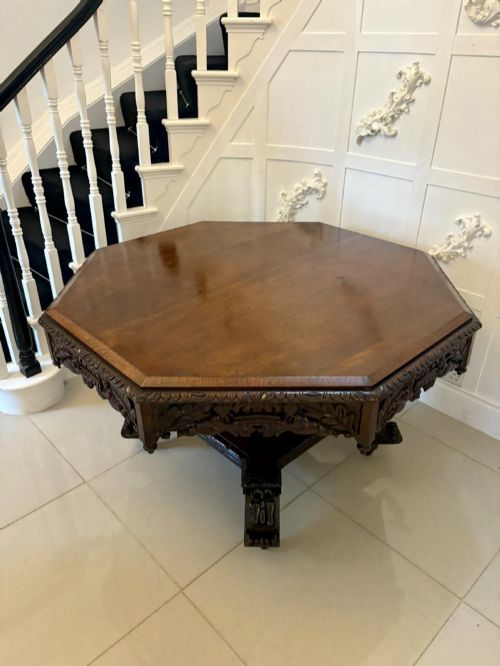
Carving and turning represent the primary decorative techniques found across the pieces, featuring elements such as linenfold panels, Green Man motifs, and barley twist legs. Surfaces were finished to highlight the deep grain and rich tone of the timber.
Dark Oak Table Retail Price Guide 2026
Typical asking prices for dark oak table among the pieces listed under this phrase on Sellingantiques today, from the lower quarter to the upper quarter. They describe what is for sale here now, not the wider market.
Carved Green Man faces peer from beneath tabletops, keeping a watchful wooden eye on centuries of dining.
What varies in quality
Quality rests in the selection of the timber and the integrity of the structural joinery, where solid oak boards show careful matching of grain and colour. Superior examples display crisp, hand-carved detailing rather than flat or mechanical ornamentation.
Proportion and balance define the upper tier of pieces, where pedestals, trestle ends, and cabriole legs are harmoniously scaled to the top. Refined edge moulding and well-executed extension mechanisms distinguish finer dining and side tables from simpler utility items.
Shapland and Petter
The Dark Oak Table Glossary
- Refectory table
- A long, narrow dining table originally used in monasteries and later adopted in domestic halls. These pieces often feature trestle ends or heavy legs joined by floor stretchers.
- Gateleg table
- A drop-leaf table with hinged flaps supported by legs that swing out like gates. This clever design allows the surface to expand for dining and fold down for storage.
- Draw-leaf table
- An extending dining table with leaves hidden beneath the main top that pull out to lengthen the surface. It provides a stable extension mechanism without loose leaves.
- Lowboy
- A small seventeenth or eighteenth-century dressing or side table with one or more drawers and cabriole or straight legs. They typically stand at waist height and served finer domestic chambers.
- Cricket table
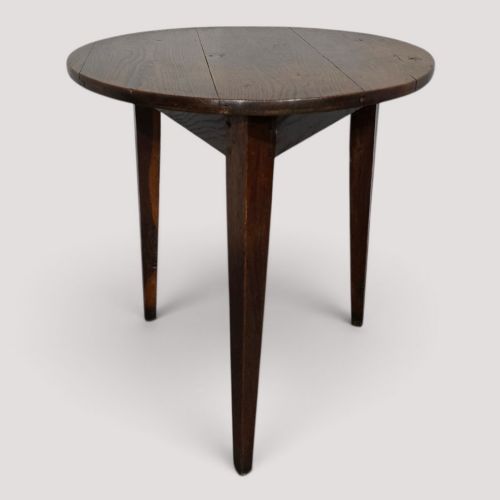
- A small, lightweight three-legged table with a round top, historically used on uneven flagstone floors. The tripod base ensures the table remains steady without rocking.
- Barley twist
- A decorative turning technique resembling a twisted rope, commonly found on the legs and stretchers of seventeenth-century and revival dining tables.
Dark Oak Table: Frequently Asked Questions
How do I seat six people comfortably?
Gateleg and draw-leaf tables offer flexible seating by expanding when guests arrive and folding down for daily space.
Refectory boards provide fixed lengths with open space underneath for chairs and benches along the sides.
Where were these tables used originally?
Dining tables and refectory boards occupied great halls and kitchens for communal meals and family gatherings.
Smaller side tables, lowboys, and occasional stands served parlours, bedrooms, and hallways for writing, reading, and display.
How do I care for solid oak furniture?
Keep the timber away from direct heat sources and sudden temperature shifts to prevent the wood from drying out or splitting.
Apply natural beeswax occasionally to nourish the grain and maintain a soft, protective sheen on the surface.
How do I distinguish a revival piece from an older one?
Examine the construction marks, timber movement, and wear patterns underneath the top and around the joints.
Revival pieces from the Victorian and Edwardian eras often borrow Jacobean or Georgian styles while utilising machine-sawn framing and distinct finishing methods.