


Dark Oak Seating
Dark oak seating brings substantial presence into a room, offering sturdy dining chairs, settle benches, and stools spanning several centuries.
Dark Oak Seating
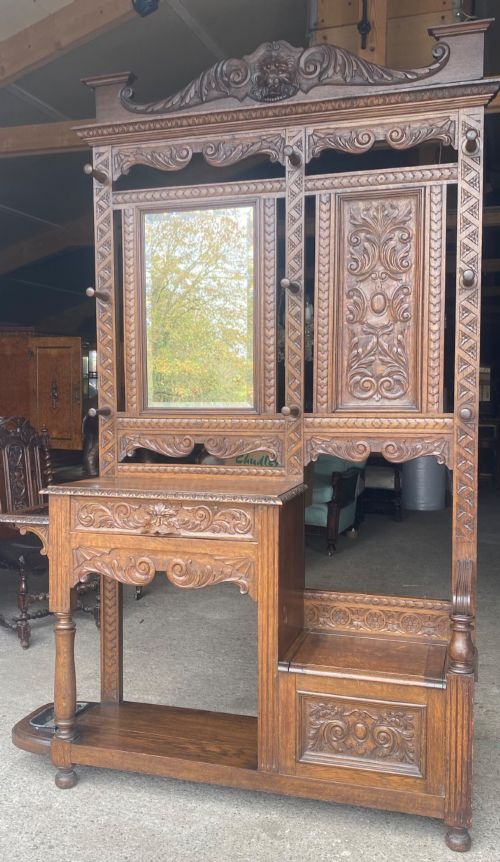
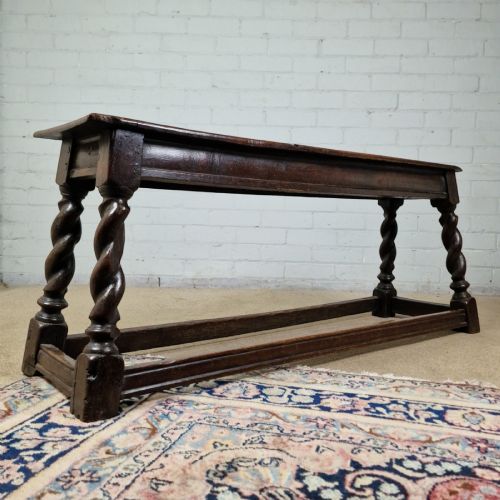
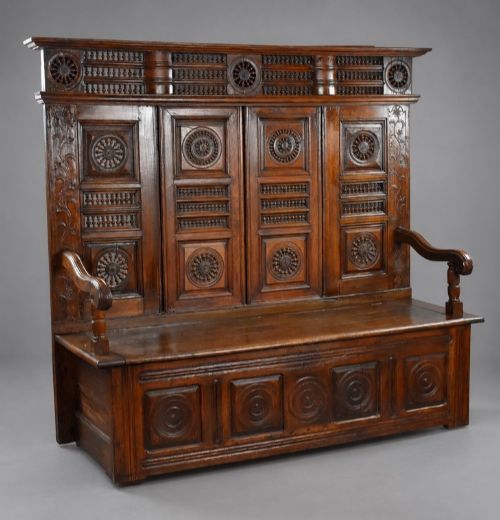
Dark oak seating encompasses items built for dining rooms, halls, and firesides, ranging from simple joint stools to large high-back box settles. The selection includes 18th-century country pieces alongside Victorian and Edwardian revival furniture.
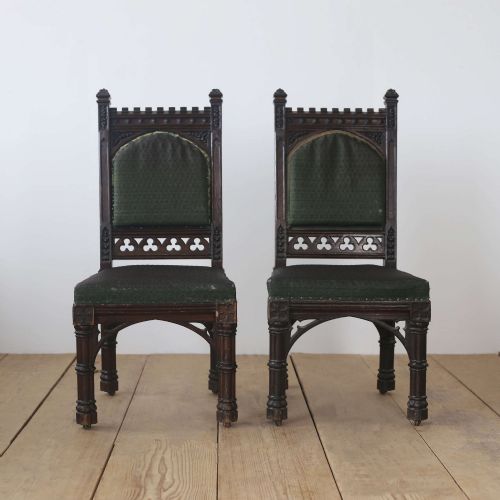
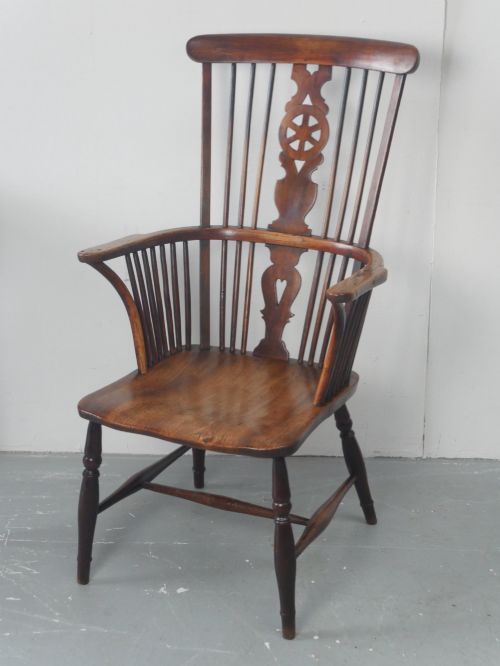
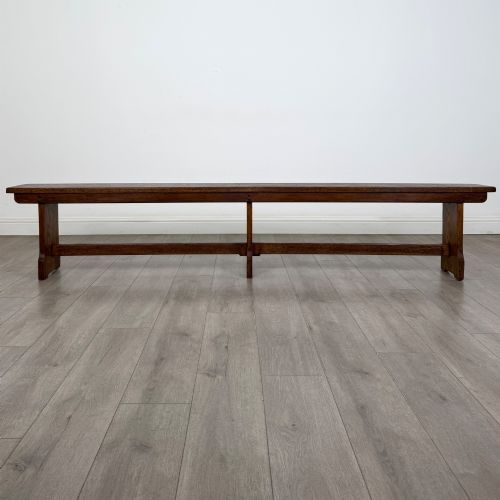
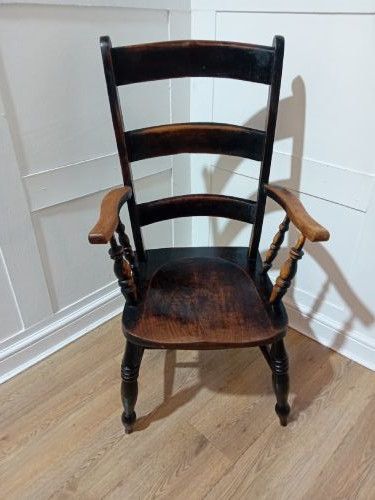
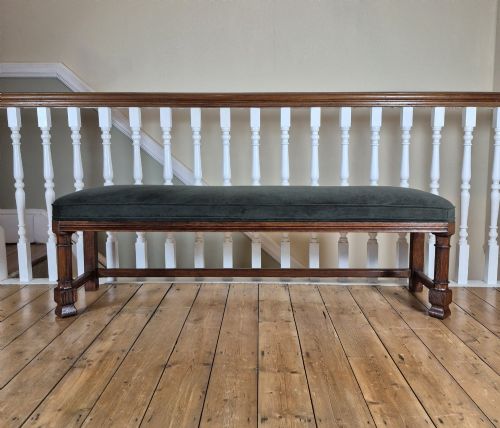
Buyers regularly encounter dining chairs, armchairs, and long benches constructed in regional styles such as Windsor and Gothic Revival. These pieces reflect domestic and tavern use across Georgian, Victorian, and early 20th-century periods.
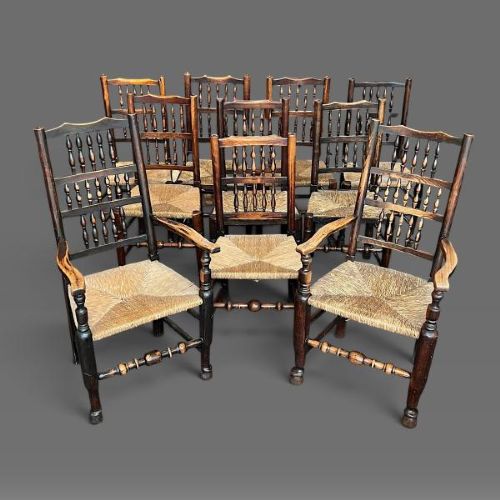
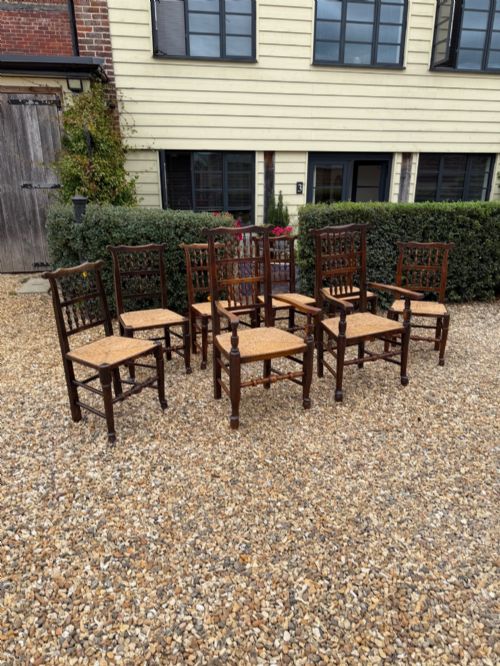
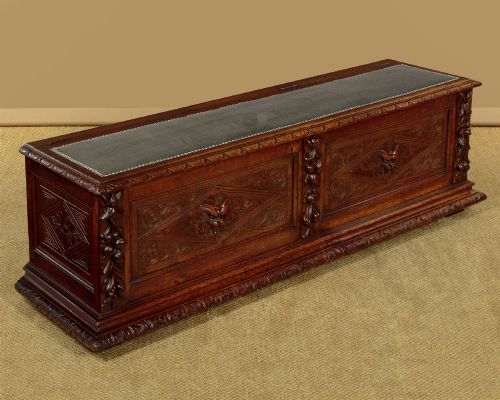
The category spans modest household items alongside larger seating arrangements like sets of eight or ten dining chairs. Forms incorporate functional elements such as box seats, lift-up lids, and folding tops.
Factors influencing quality
Quality depends upon the integrity of the original construction and the survival of early or untouched surfaces. Pieces retaining their original finish or possessing crisp, hand-carved panels demonstrate superior craftsmanship.
Proportions and structural balance separate utilitarian items from finer examples. Well-executed joinery and harmonious scaling in regional forms elevate a piece's standing.
Listings feature seating constructed across the Georgian, Victorian, and Edwardian eras, incorporating auxiliary materials like brass, leather, and rush.
The Dark Oak Seating Glossary
- Settle
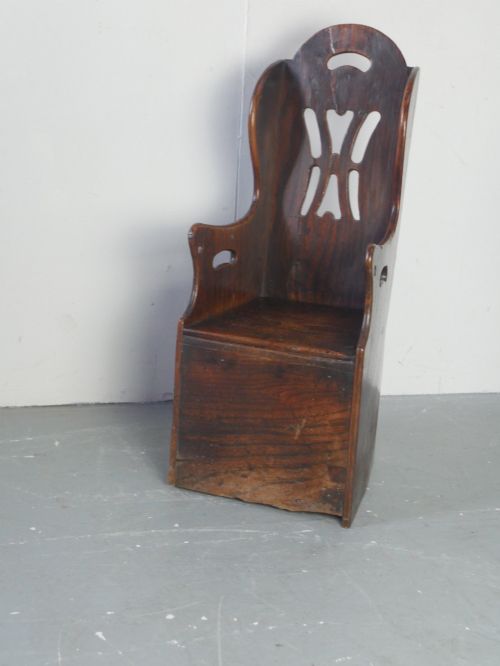
- A wooden bench with high back, solid arms, and often a storage box beneath the seat. This form provided draught protection in large, open rooms.
- Joint stool
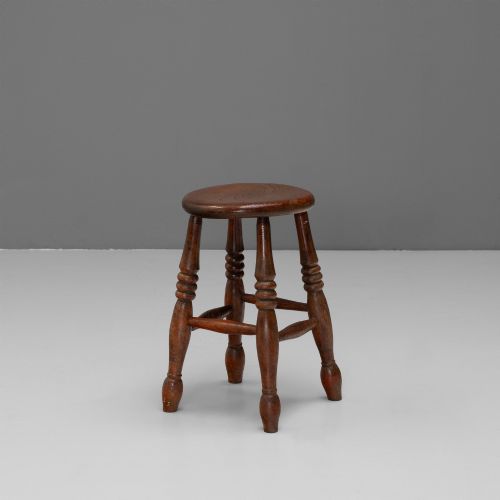
- A sturdy wooden stool constructed with pegged mortise and tenon joints. These items predated widespread chair use at dining tables.
- Windsor chair
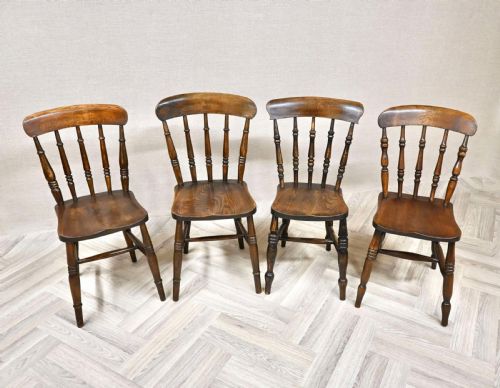
- A wooden chair featuring a solid carved seat into which legs and spindle backs are wedged. Regional variations include distinct bow-back and comb-back designs.
- Jacobean Revival
- A 19th-century style copying 17th-century decorative motifs. Pieces often feature geometric mouldings, strapwork, and heavy turnings.
- Rush seat
- A seating surface woven from dried marsh grasses. This traditional method provides a flexible and durable platform.
Dark Oak Seating: Frequently Asked Questions
How do I identify an 18th-century settle?
Look for hand-carved panels, pegged frame construction, and deep panelled box bases designed for storage. Eighteenth-century examples often display irregular timber widths and considerable weight from seasoned oak.
Examine the interior of the box seat and the underside for signs of hand-tooling and historical wear patterns that differ from later revival manufacturing methods.
Where were Windsor chairs used?
Windsor chairs served primarily in farmhouses, kitchens, and country taverns throughout the 19th century. Their robust construction suited daily domestic and commercial use.
The saddle-shaped solid seat and sturdy spindle back provided durable support in active household environments.
What is a monk's bench?
A monk's bench is a dual-purpose piece featuring a hinged top that folds down to convert a backrest into a table surface. The base frequently incorporates a box compartment for storage.
This form allowed smaller rooms to accommodate multiple functions without requiring separate tables and chairs.
How should I care for rush seats?
Keep rush-seated chairs in rooms with stable humidity to prevent the dried marsh grass from becoming brittle. Clean them gently with a dry brush rather than liquid cleaners.
Avoid placing these chairs in direct sunlight or damp areas to preserve the natural fibres over time.
Are dining chairs sold individually?
Listings include both individual chairs and matched sets numbering four, six, eight, or ten pieces. Single items often comprise hall chairs, armchairs, or child's chairs.
Larger sets generally originate from the Victorian and Edwardian periods when matching dining suites gained popularity.