







Dark Oak Rocking Chair
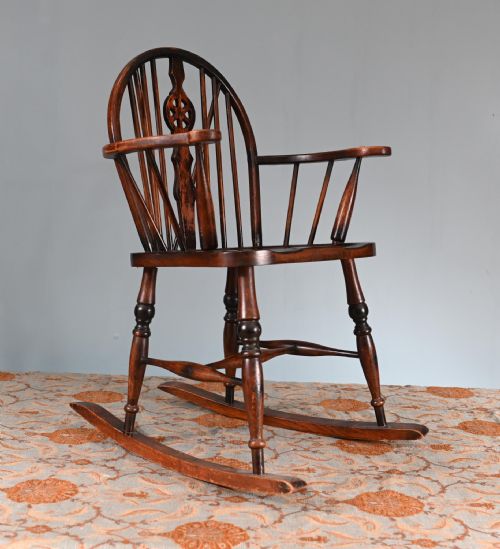
A dark oak rocking chair brings heavy grain and steady motion into a room, joining centuries of vernacular woodworking traditions.
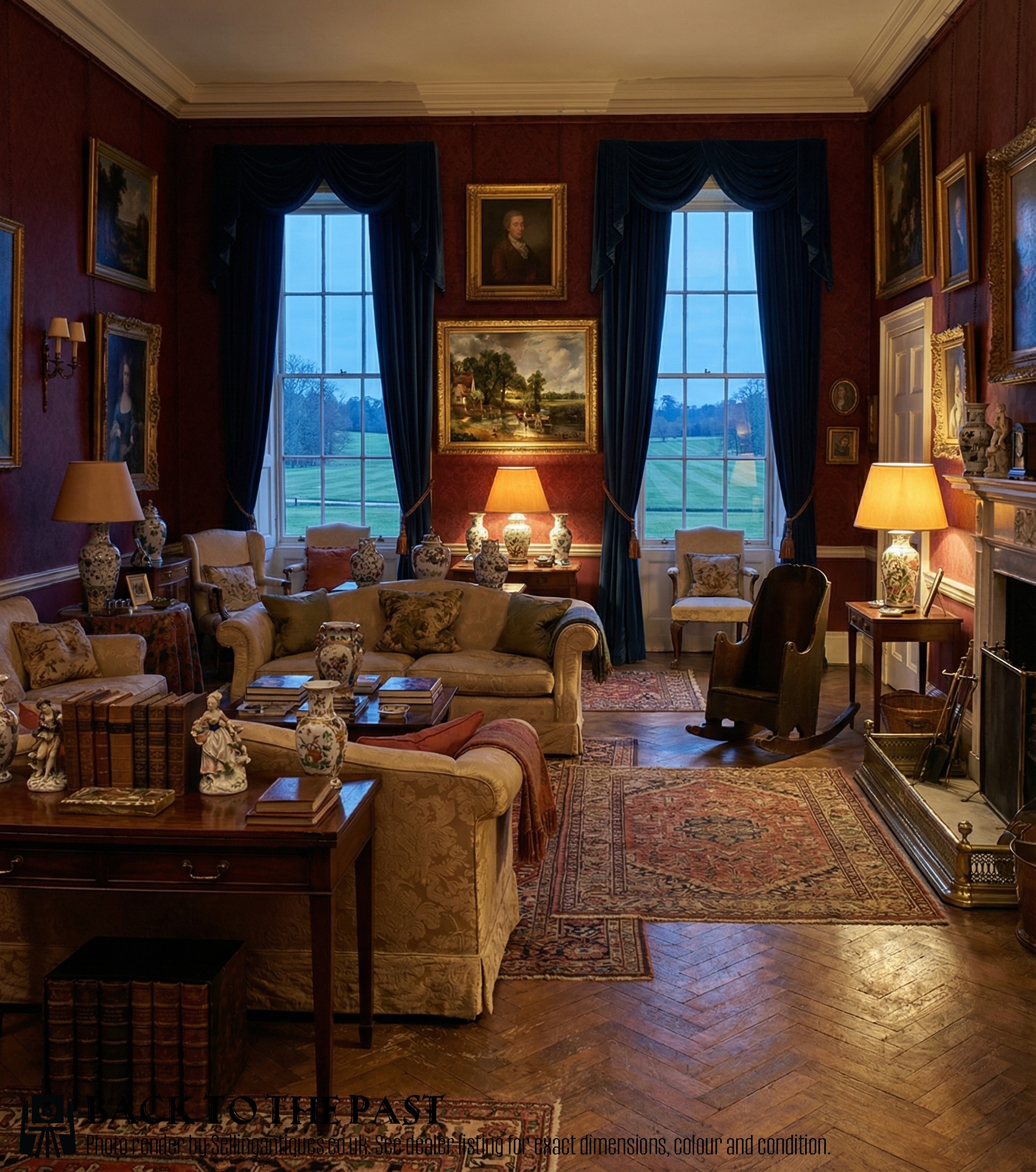
Dark Oak Rocking Chair
A dark oak rocking chair represents a sturdy branch of vernacular seating, shaped by regional makers across the eighteenth and nineteenth centuries. Buyers searching this phrase encounter substantial timber frames built for daily household use rather than formal parlours.
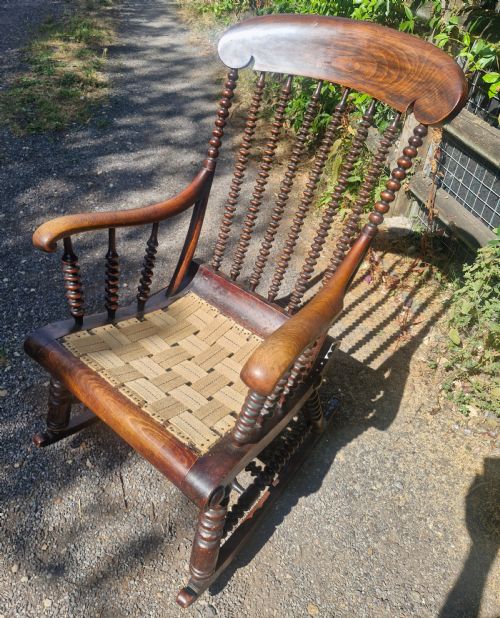
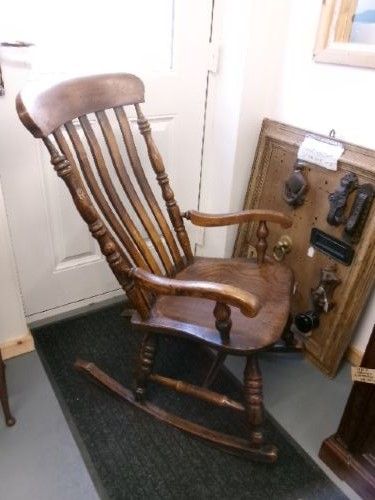
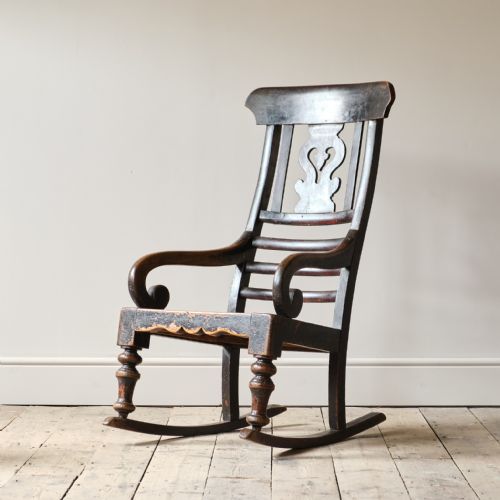
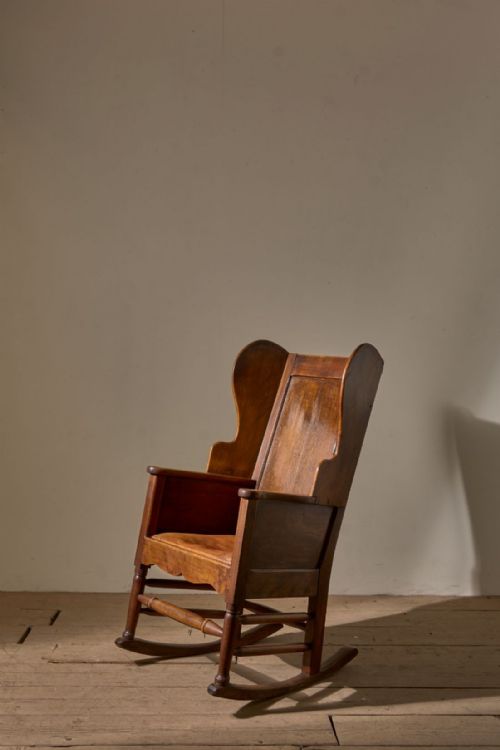
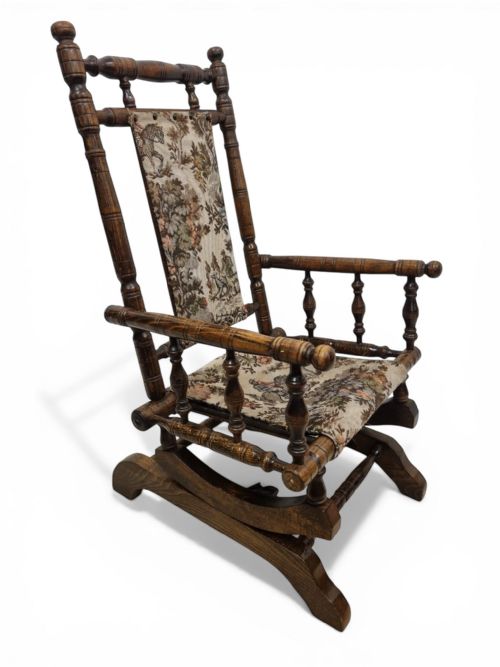
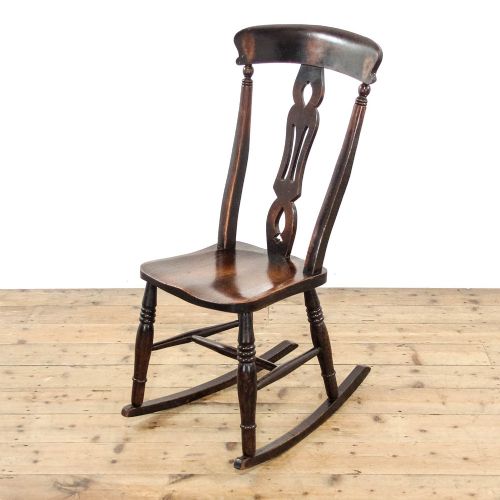
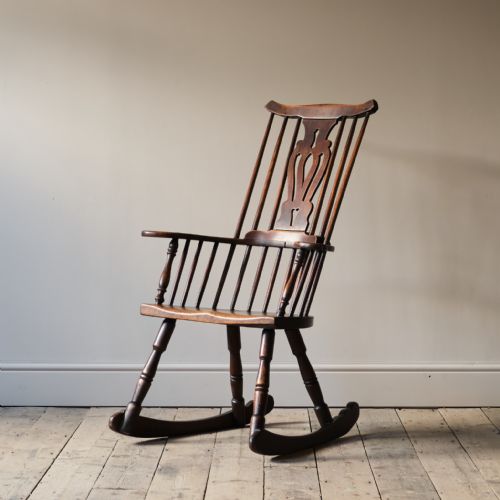
The selections available here span solid oak construction alongside related dark woods, frequently taking the form of Windsor, ladder back, or lambing chairs fitted to rocking bases. Smaller children's variants also appear alongside larger adult armchairs.
Origins stretch from Welsh country workshops to Thames Valley and Yorkshire farmhouse kitchens. These pieces show the practical hand of rural joiners working within established local traditions.
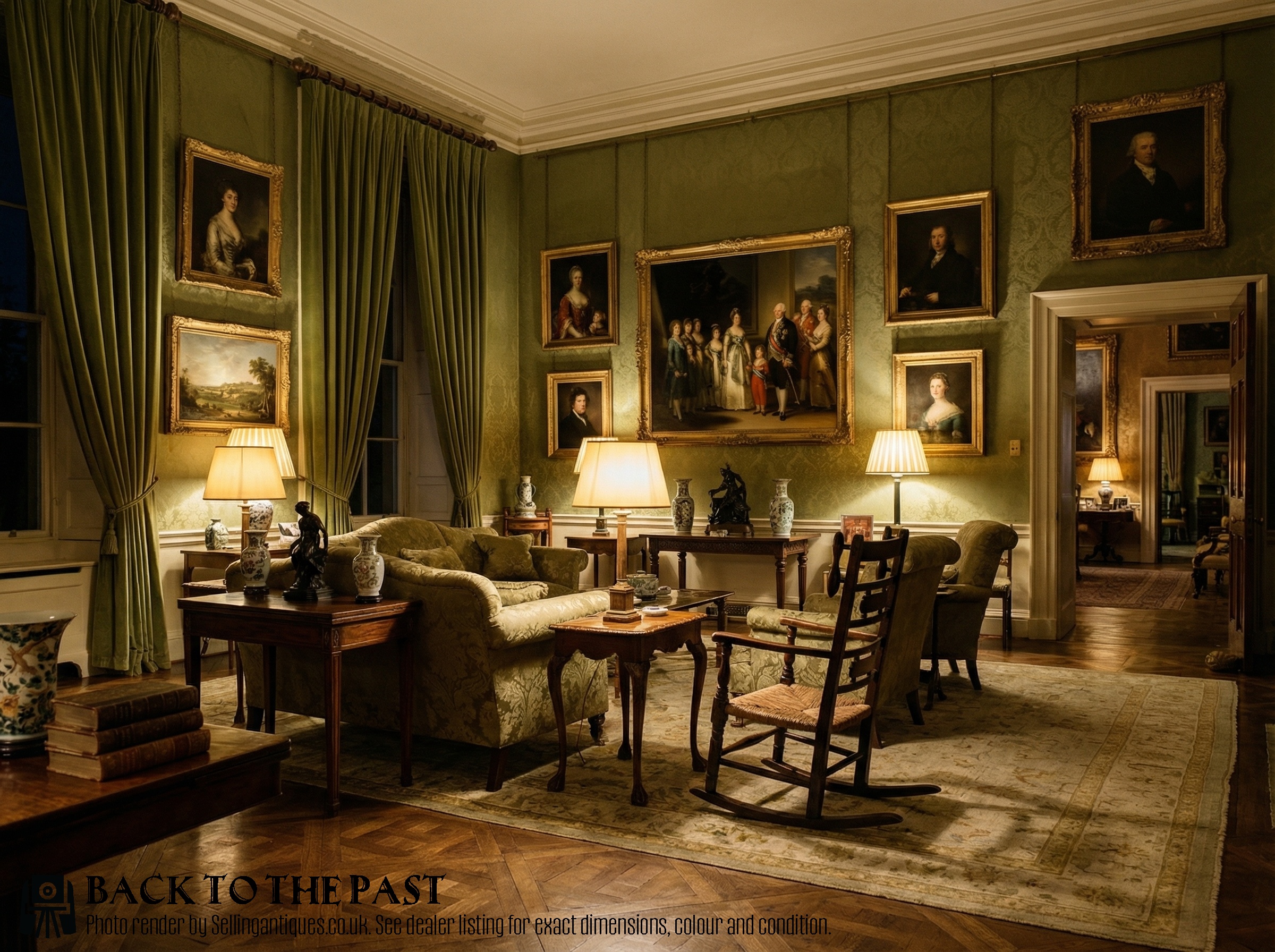
How they were made
Makers utilised native hardwoods, pairing dark oak frames with elm seats, beech spindles, and occasional birch components. Rush, cane, leather, and tapestry upholstery provide seating surfaces within these robust wooden skeletons.
Construction methods rely on traditional joinery, including turned bobbin framing, spindle backs, and steam-bent components for Windsor bows. Rockers were frequently added to earlier vernacular forms or integrated into later farmhouse designs.
Dark Oak Rocking Chair Retail Price Guide 2026
Typical asking prices for dark oak rocking chair among the pieces listed under this phrase on Sellingantiques today, from the lower quarter to the upper quarter. They describe what is for sale here now, not the wider market.
Listings feature periods spanning the 17th century through the 1930s, utilising oak, elm, beech, rush, leather, and cane.
What varies in quality
The distinction between ordinary and exceptional examples rests upon the integrity of the timber and the harmony of the regional form. Deep, untreated patination on genuine dark oak elevates a piece above timber that has suffered aggressive stripping.
Proportion and structural honesty separate honest vernacular work from later adaptations. Original rockers and undisturbed joinery command greater appreciation than chairs cobbled together from mixed periods.
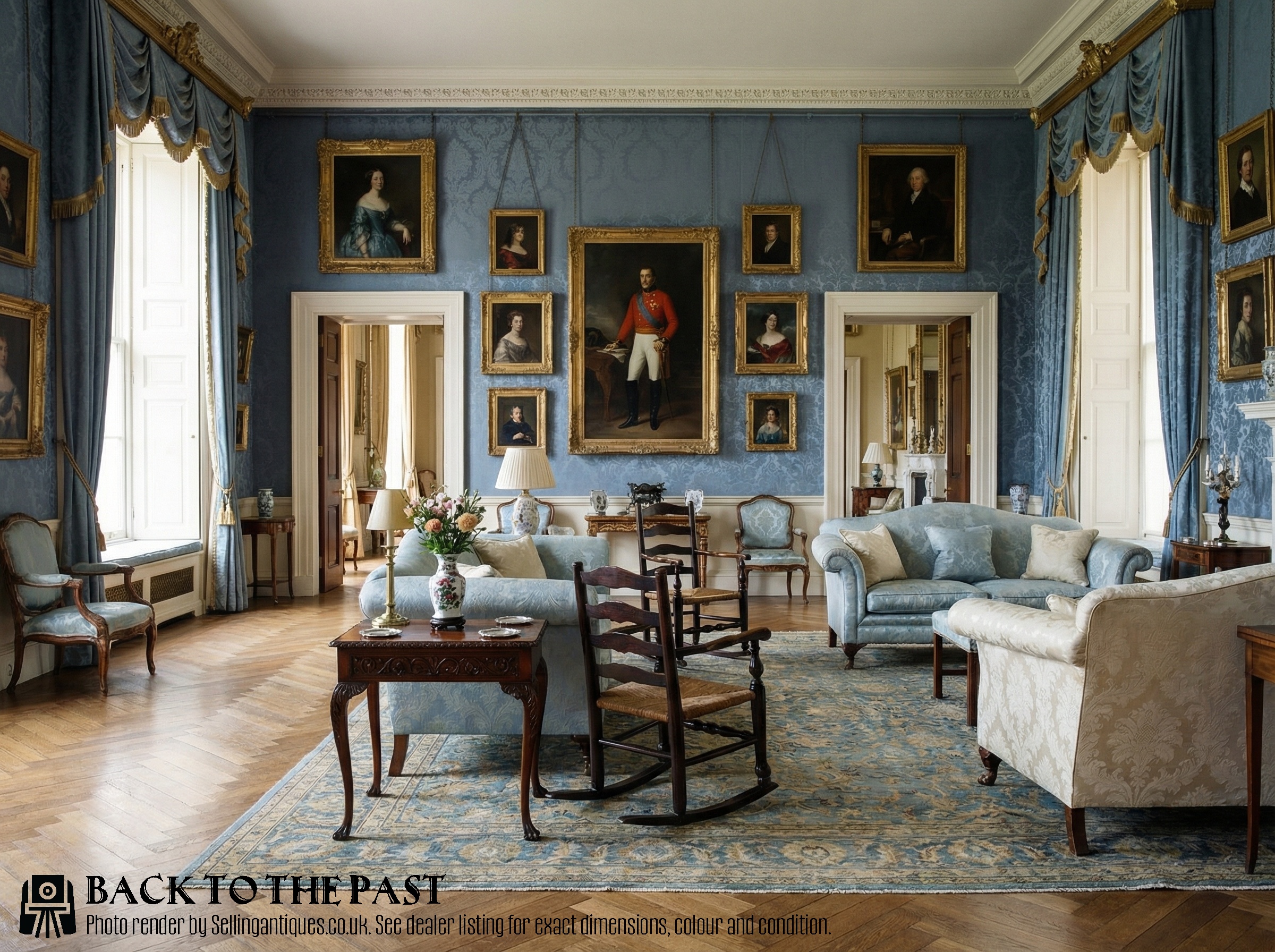
The Dark Oak Rocking Chair Glossary
- Windsor chair
- A wooden armchair featuring a saddle-shaped solid seat into which separate legs and a back are directly wedged and tenoned. These forms often incorporate bentwood hoops and spindles.
- Lambing chair
- A hooded or winged vernacular seat designed to shield the occupant from drafts near the hearth. Early examples occasionally appear mounted on rocking bases.
- Vernacular
- Everyday domestic objects built by local craftspeople using regional styles and available materials rather than following metropolitan academic designs.
- Bobbin framing
- Turned woodwork shaped to resemble a string of spools or bobbins, popular in nineteenth century country seating.
- Ladder back
- A chair back constructed from horizontal arched slats stacked between two upright posts.
Dark Oak Rocking Chair: Frequently Asked Questions
Are these rocking chairs comfortable to use daily?
Most pieces offer a firm wooden seat supported by high spindles or ladder backs. Adding a loose cushion alters neither the structure nor the historic character.
Their solid timber construction provides robust support, though the upright proportions reflect nineteenth century ergonomics rather than modern lounging.
How do I identify an eighteenth century piece?
Earlier examples display hand-cut joinery, pegged tenons, and distinct tool marks left by regional plane blades. Timber shrinkage and heavy surface patination develop naturally across generations.
Later nineteenth century versions often utilise machine turnings and standardised hardware alongside darker applied finishes.
Can I place a wooden rocker on carpet?
Wooden rockers operate smoothly on short pile rugs or bare floorboards. Thick carpets may restrict the smooth arc of the curved runners.
Placing a small protective rug underneath prevents excessive friction on antique pine or oak flooring.
What is the difference between a Windsor and a ladder back rocker?
Windsor rocking chairs utilise a solid wooden seat with bowed backrests and turned spindles. Ladder back versions rely on horizontal slats framed by straight vertical posts.
Both styles developed within rural British workshops but serve distinct aesthetic traditions.