




Antique Oak Rocker
An antique oak rocker brings a sturdy, vernacular charm to a room, offering generations of comfort through solid timber construction and traditional joinery.
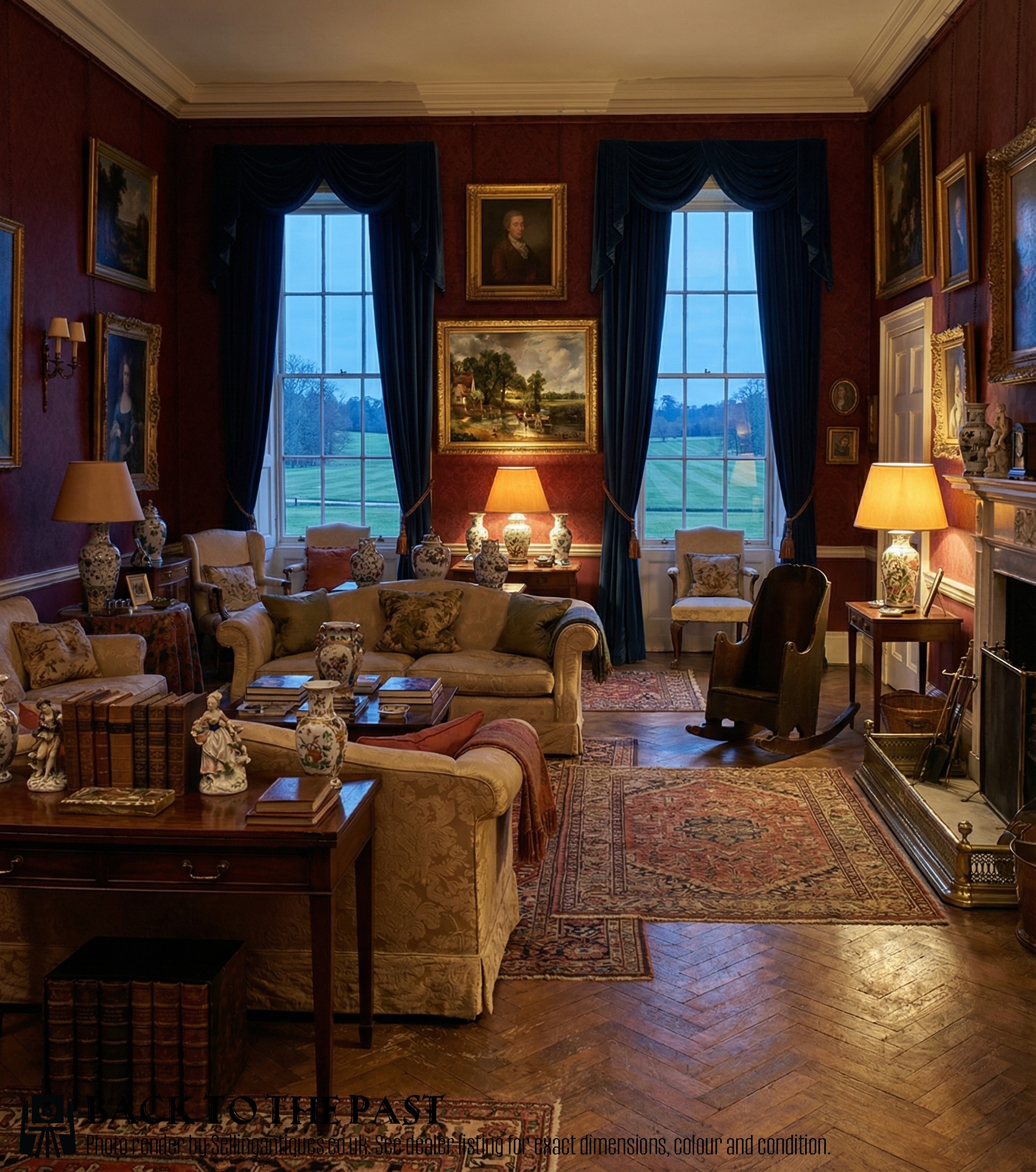
Antique Oak Rocker
An antique oak rocker encompasses a range of seating and sleeping forms, from robust Windsor armchairs to panelled nursery cradles and low fireside seats. When you search for an antique oak rocker, you encounter practical vernacular furniture shaped by regional English and Welsh traditions.
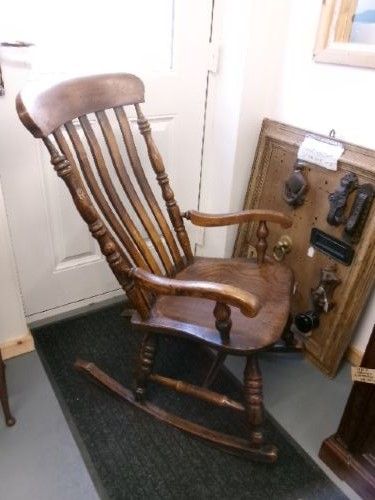
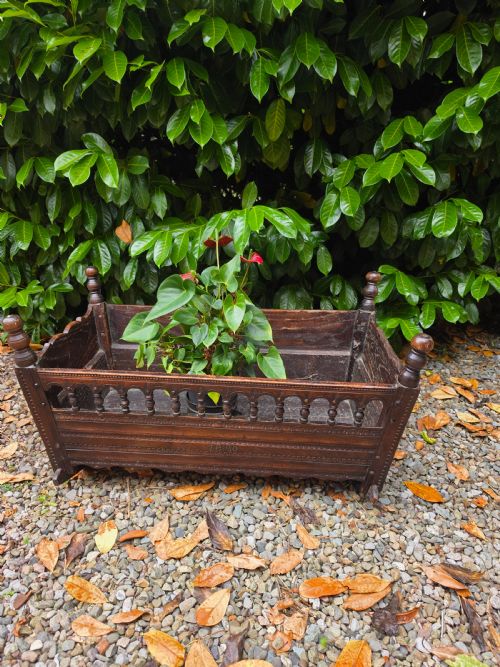
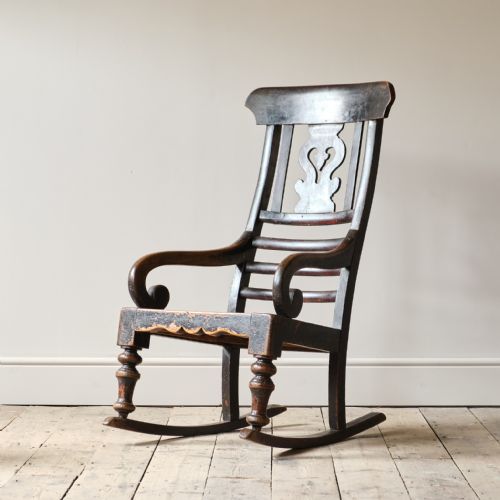
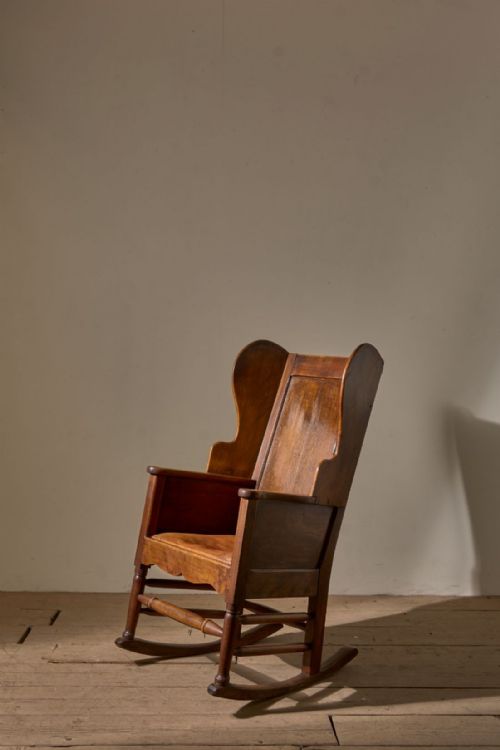
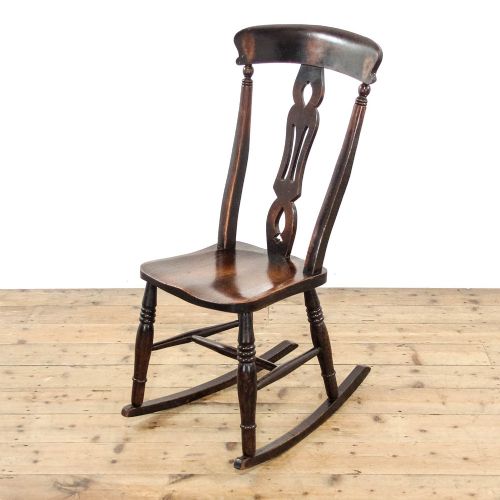
The selections span centuries, featuring seventeenth-century joined cradles, eighteenth-century ladder backs and lambing chairs, alongside nineteenth-century Windsor rocking chairs and spindle-backed pieces. Elm, beech, ash and rush frequently supplement the primary oak framework.
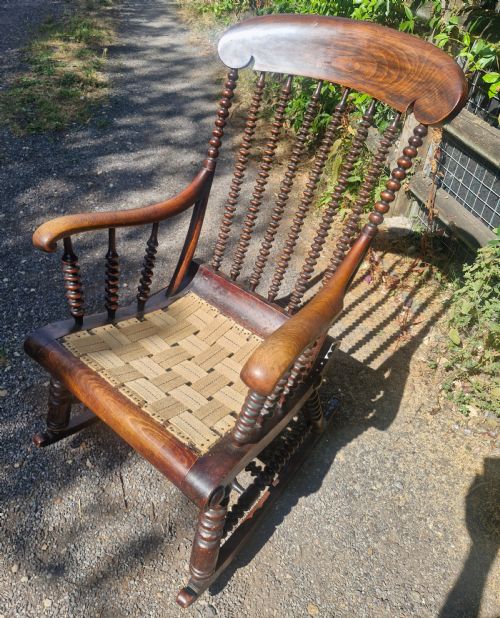
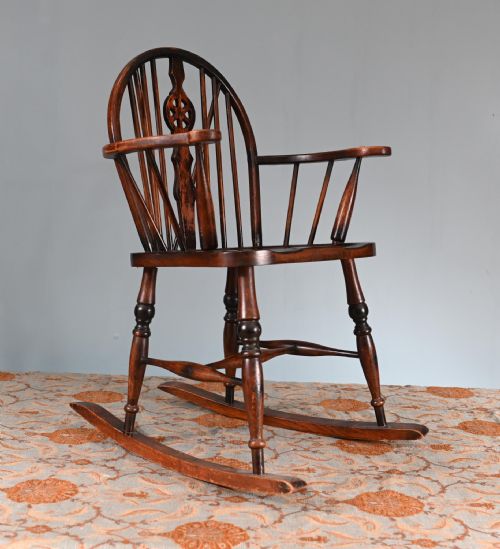
Domestic seating dominates the offerings, alongside child-sized proportions and rocking cribs intended for nursery use. Regional styles such as Yorkshire and Thames Valley variations appear alongside bobbin-framed and wheelback designs.
How they were made
Joinery relies on solid timber construction utilising oak, elm and beech, often shaped with turned spindles, bobbin frames or ladder backs. Panels are moulded or field-panelled, while seats integrate solid wood, rush or leather upholstery.
Bending and turning techniques shape the arms, crest rails and spindles of Windsor variants, anchored to thick wooden seats. Rockers are curved from matching or complementary hardwoods to provide a steady motion.
Several miniature oak rockers and cribs on this page were built to soothe generations of restless infants before the invention of clockwork.
What varies in quality
The integrity of the structural joints and the retention of original timber surfaces determine the calibre of a piece. Earlier seventeenth and eighteenth-century examples display hand-carved detailing and pegged construction that differ from later industrial production.
The harmony of proportions, particularly in vernacular chairs and smaller child-sized versions, dictates the visual success of the object. Surviving original rockers and uncompromised surface patination elevate the standing of the piece.
The Antique Oak Rocker Glossary
- Windsor chair
- A chair built with a solid wooden seat into which the legs and back spindles are direct-inserted. This form offers robust utility and appears frequently in nineteenth-century variants.
- Lambing chair
- An enclosed high-backed vernacular seat designed to shield the occupant from draughts. These pieces often incorporate storage compartments or low proportions for fireside use.
- Bobbin framing
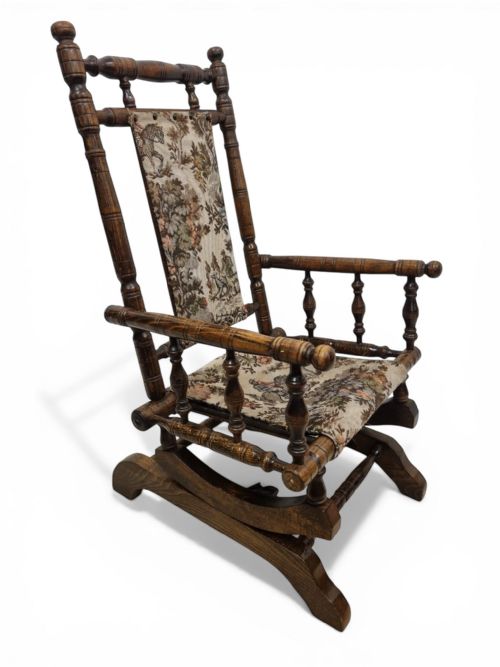
- Furniture decoration formed by turning wood on a lathe into a series of rounded spheres resembling bobbins. This technique defines specific nineteenth-century country frameworks.
- Field panel
- A wooden panel with bevelled edges raised towards the centre, fitted within a grooved frame. This method accommodates wood shrinkage in early oak furniture.
- Vernacular furniture
- Domestic items built by local craftsmen using regional materials and traditional designs rather than strict high-style pattern books. This approach characterises much country oak seating.
Antique Oak Rocker: Frequently Asked Questions
How do I date an oak rocker?
Dating relies on construction methods, tool marks, and stylistic indicators such as ladder backs or spindle arrangements. Seventeenth-century pieces typically feature pegged joinery and carved panels, whereas nineteenth-century versions often show machine-turned components.
Changes in timber selection and seat shaping also help separate Georgian country chairs from later Victorian interpretations. Comparing the stretcher placement and arm attachment offers further clues to the period of origin.
Were oak rockers used outdoors?
These chairs were strictly designed for interior domestic use, specifically in kitchens, nurseries, and firesides. The combination of oak, elm, and rush seats suited heavy household service rather than exposure to weather.
Placing them in damp environments damages the timbers and degrades the natural patination built up over centuries of indoor handling.
What is a Welsh country rocker?
A Welsh country rocker is a regionally distinct seating form, often built by local joiners using native oak and fruitwoods. These pieces include child-sized lambing chairs and vernacular armchairs tailored to domestic life in rural Wales.
Their construction frequently incorporates local turning styles and practical proportions suited to cottage interiors.
How do I care for an oak rocker?
Maintenance involves keeping the timber away from direct heat sources and sudden humidity changes that cause wood to split. A light application of appropriate wax preserves the surface sheen without building up heavy residues.
Checking structural joints periodically ensures the rocking action remains stable and prevents strain on ancient pegged connections.