




Welsh Country Seat
A welsh country seat brings vernacular comfort into a room through honest timber and unpretentious regional craftsmanship.
Welsh Country Seat
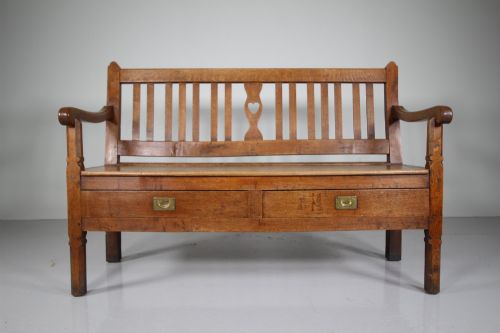
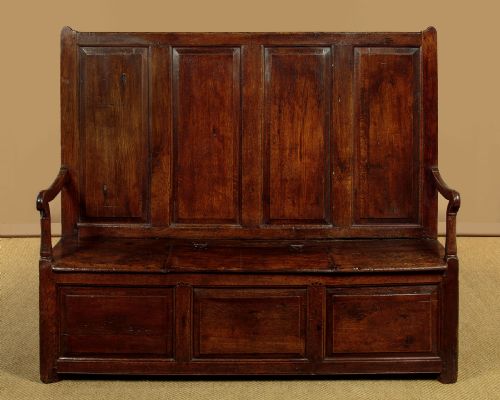
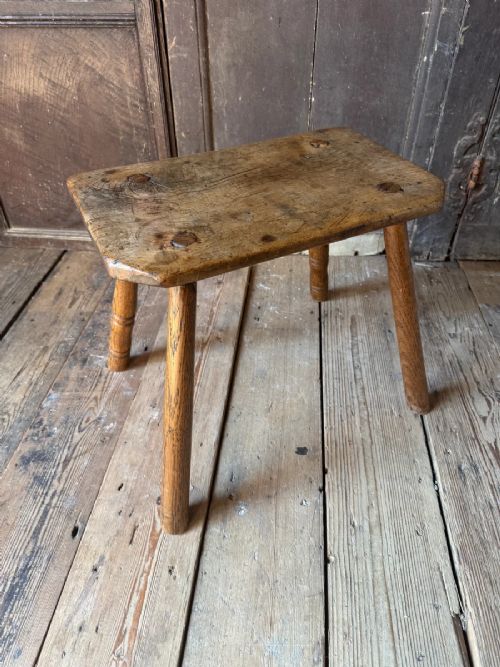
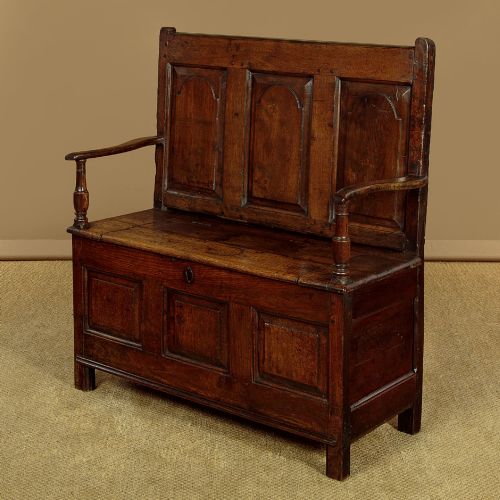
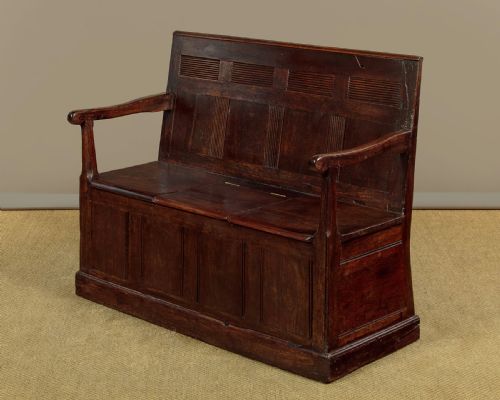
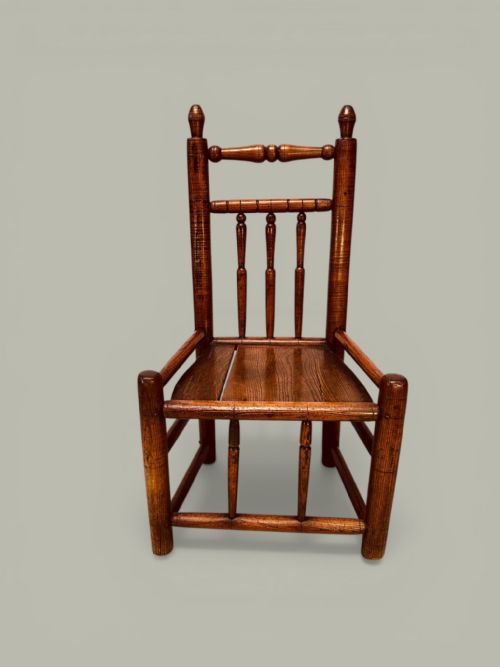
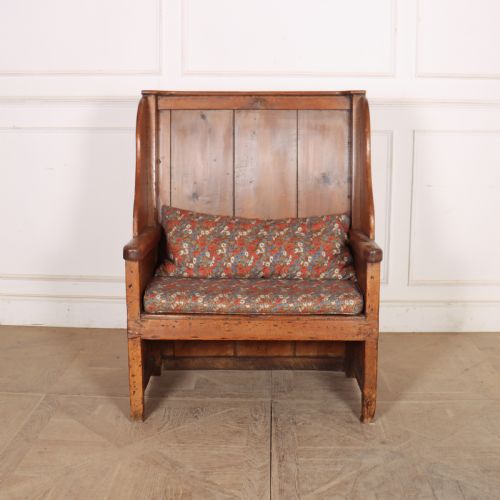
A welsh country seat encompasses forms made for everyday regional use, ranging from robust settles and benches to stick back armchairs and stools. These pieces originate primarily from eighteenth and nineteenth century domestic or tavern settings.
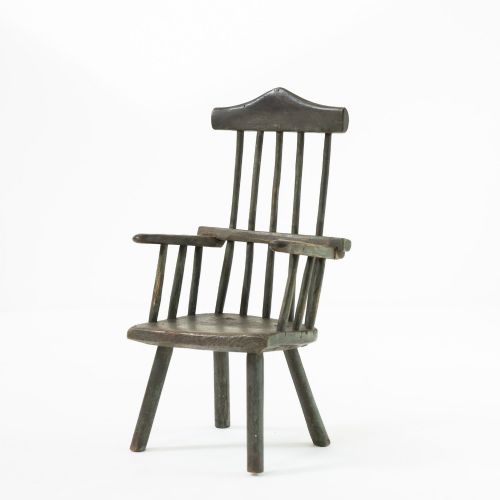
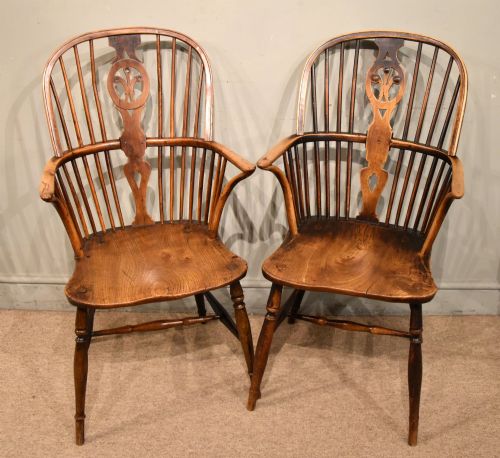
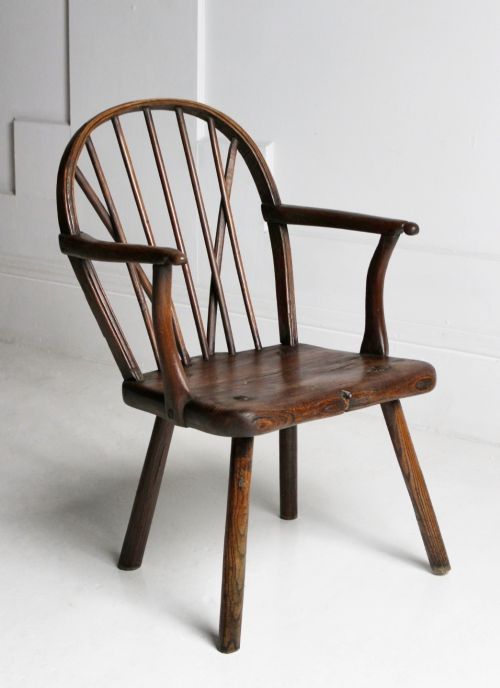
The most common examples encountered here are oak box settles, elm and ash stick back armchairs, and pine benches. Regional makers built these items using local timber to suit practical household requirements.
Makers constructed armchairs, children's chairs, and long tavern benches with distinct regional variations in the turning and spindle work. Each piece reflects the utilitarian needs of rural Welsh homes and communal spaces.
Materials and construction methods
Local timbers define these pieces, with oak, ash, elm, and pine appearing frequently across the inventory. Craftsmen matched the wood properties to the structural demands of legs, seats, and spindles.
Traditional joinery relies on pegged joints, solid plank construction, and bodging techniques where turned legs insert directly into thick slab seats. Certain items retain original painted finishes applied over the bare wood.
The listings span the eighteenth and nineteenth centuries, featuring oak, ash, elm, and pine across various vernacular forms.
Assessing quality in regional seating
Quality rests upon the harmony of the timber selection and the integrity of the original construction. Pieces retain greater merit when they preserve their untouched surface patination and early structural components without excessive timber replacement.
The sophistication of the turning on arm supports and the balance of stick back and comb back arrangements separate standard vernacular items from finer regional examples.
The Welsh Country Seat Glossary
- Box settle
- A high backed wooden bench featuring a closed storage compartment beneath the seat. This form protected occupants from drafts in domestic halls.
- Stick back
- A chair construction method where turned or cleft spindles are inserted through a solid wood seat to form the backrest.
- Vernacular
- Objects built by local craftsmen following traditional regional patterns rather than formal academic design styles. These pieces prioritize function over ornament.
- Comb back
- A Windsor chair variation where the top rail resembles the spine of a comb, often featuring extended spindles.
- Harlequin set
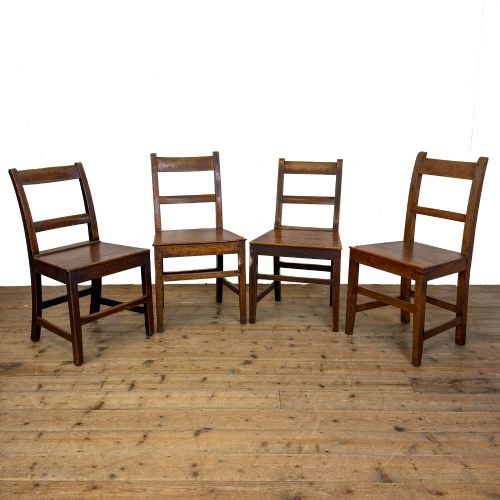
- A group of chairs sharing similar vernacular characteristics rather than originating as a single matched suite.
Welsh Country Seat: Frequently Asked Questions
What is a box settle?
A box settle is a high backed wooden bench with a built-in chest beneath the seat for storage. These pieces were designed to shield residents from cold drafts near open hearths.
In daily use, they served as both seating and enclosed storage for household blankets or provisions.
How do I care for antique oak?
Keep antique oak furniture away from direct heat sources and dramatic humidity fluctuations to prevent timber splitting. Regular gentle dusting preserves the natural wax patination.
Avoid modern silicone polishes which can damage the historic surface finish over time.
Are these chairs comfortable?
Vernacular stick back chairs were shaped to fit the human body using sculpted solid elm or ash seats. While they lack modern upholstery, their ergonomic wooden contours offer surprising support.
Adding a simple loose cushion can increase comfort for prolonged sitting.
What is vernacular furniture?
Vernacular furniture refers to objects made by local rural craftsmen using traditional regional designs. These pieces utilise readily available local woods without adhering to metropolitan fashion.
Every item reflects the specific practical requirements of the community where it was built.
How old is my chair?
Dating relies on examining construction marks, tool traces, timber shrinkage, and the style of the spindle turning. Eighteenth century examples often display broader plank construction and hand- cleft wood.
Comparing joint types and wear patterns helps narrow down the period of manufacture.