
Dark Oak Hall Seat
A dark oak hall seat commands the entrance with robust timber and centuries of carved presence.
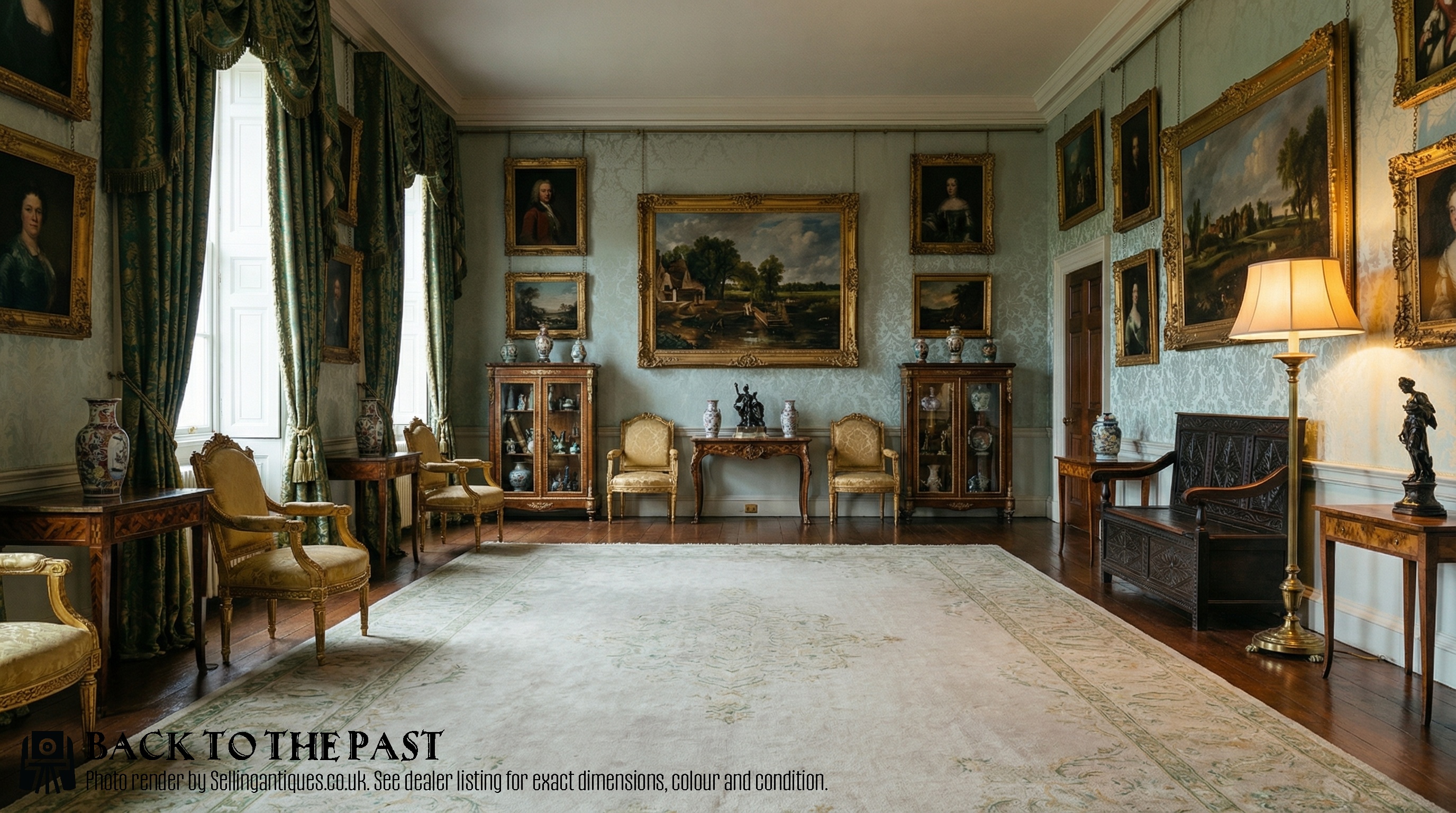
Identifying dark oak hall seat
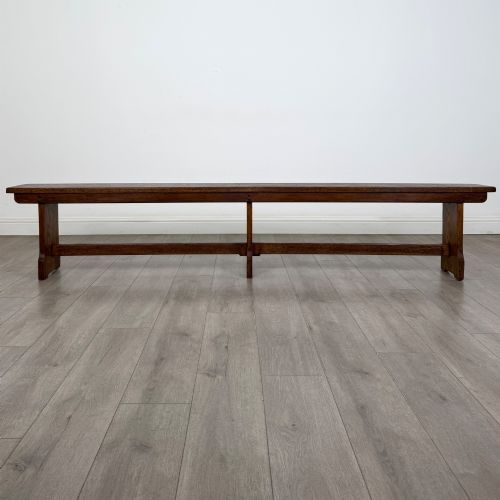
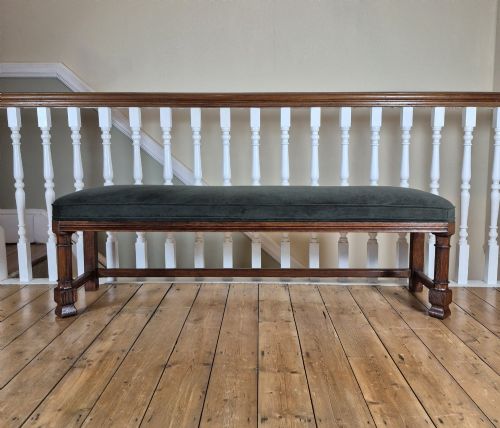
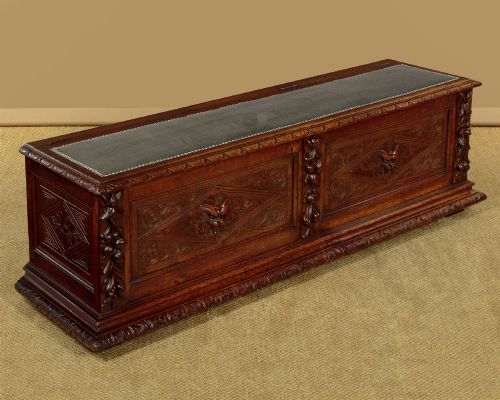
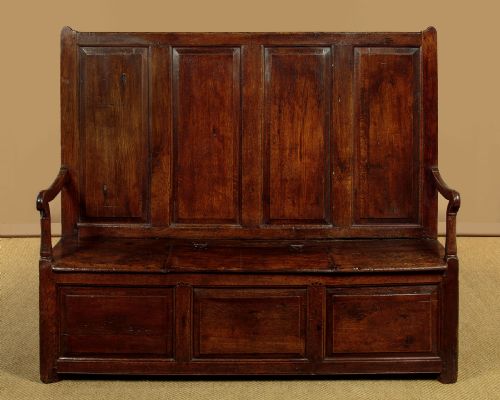
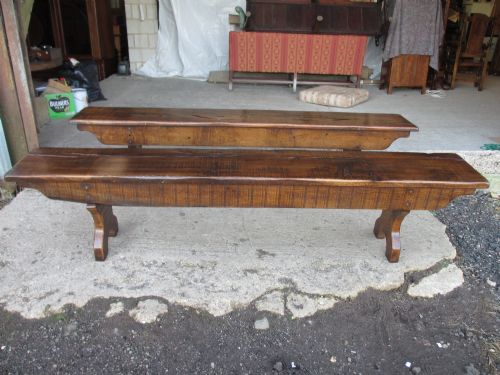
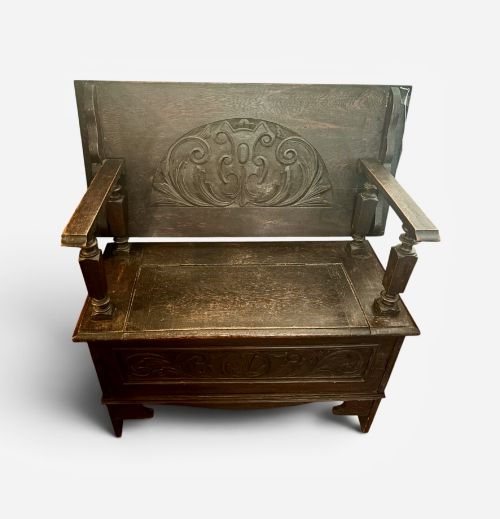
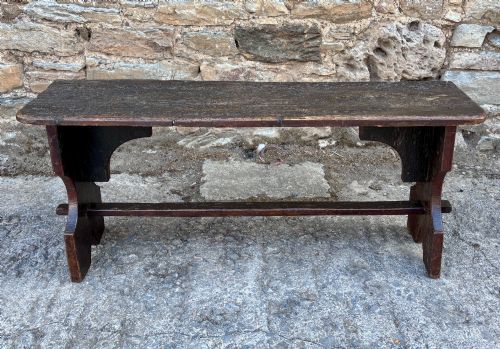
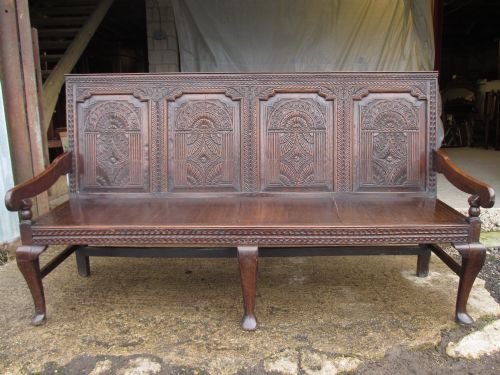
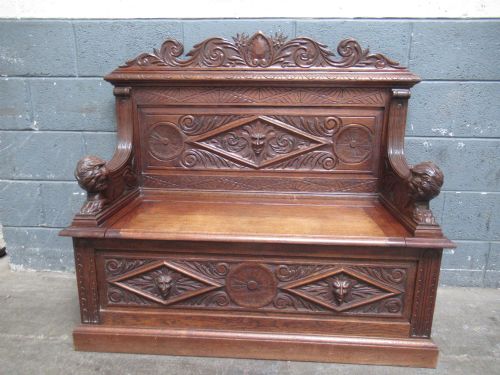
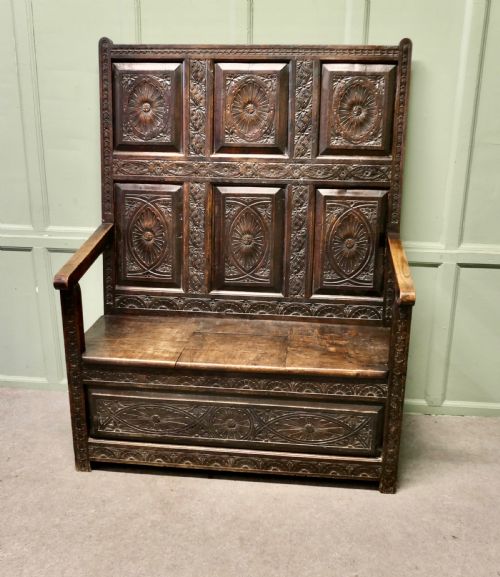
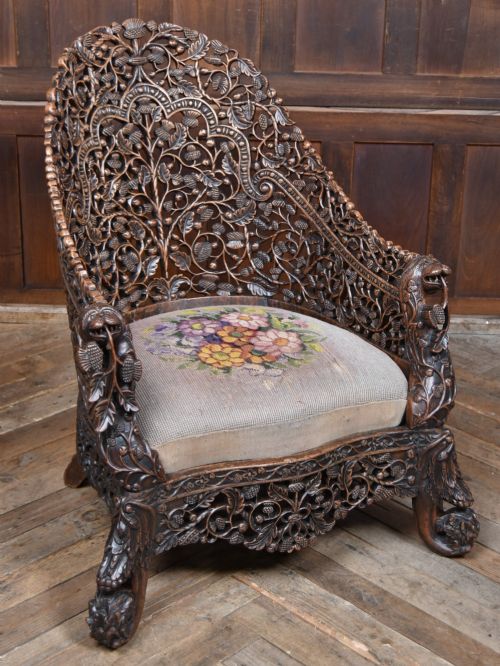
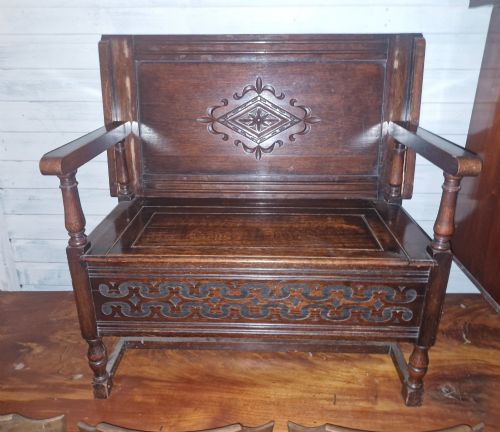
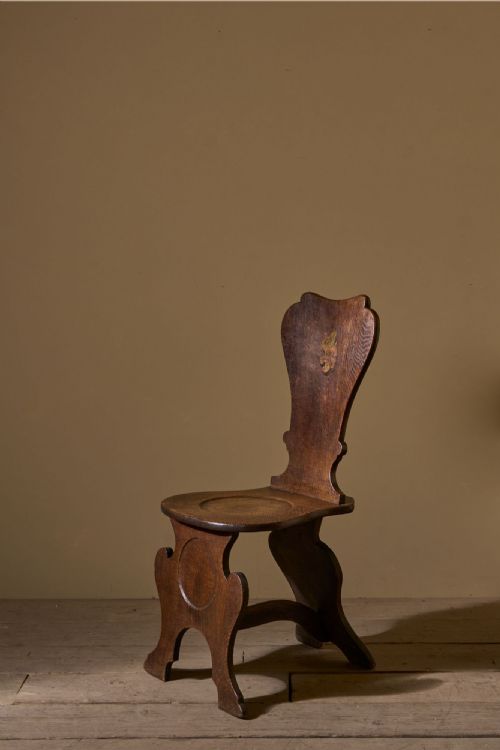
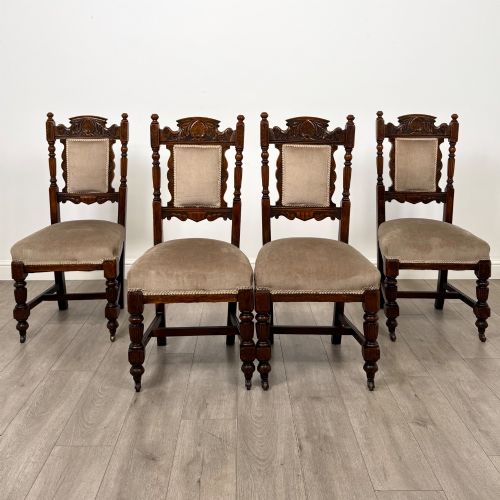
A dark oak hall seat brings substantial presence to an entranceway, combining heavy timber with functional utility. When exploring a dark oak hall seat, buyers encounter forms that range from settles and benches to dual-purpose stands incorporating stick holders and lift-up lids.
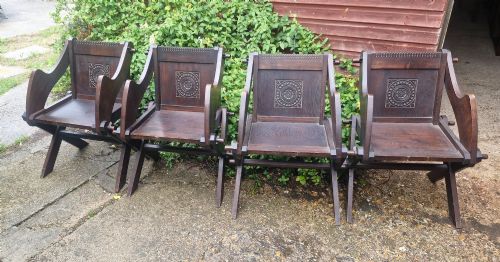
The pieces appearing on this page span the eighteenth century, the Victorian era, and around nineteen hundred. Surviving examples showcase regional country workmanship alongside revival movements like Jacobean, Gothic, and Arts and Crafts.
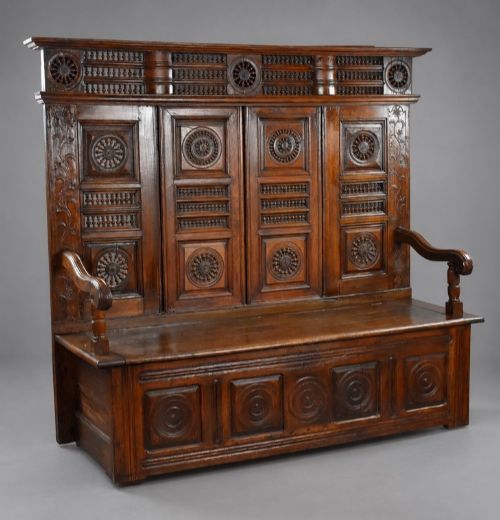
The most common formats feature high panelled backs, solid planked seats, and integrated storage compartments beneath. Many incorporate carved ornamentation reflecting historical revivals popular in British cabinet making.
Construction and Materials
Makers utilised solid oak boards for the main structural elements, chosen for its strength and rich grain pattern. Joinery relies on traditional methods such as mortise and tenon joints secured with wooden pegs.
Carving is executed directly into the solid timber using gouges and chisels to create strapwork, foliate motifs, and linenfold panels. Iron hardware, including hinges and coat hooks, provides durable functional reinforcement.
Retail Price Guide 2026
Typical UK retail prices for dark oak hall seat, calculated from the Sellingantiques database of over a million retail prices indexed since 2003. This retail price guide relies exclusively on Sellingantiques data; no external sources or auction records are used, so the figures do not describe the wider market.
Some hall seats double as umbrella silos, ensuring muddy walking sticks have a proper dark oak home.
Assessing Quality
The distinction between standard utility pieces and finer examples rests upon the crispness and depth of the timber carving. Hand-chiselled detailing executed with proportion demonstrates superior workshop standards compared to mechanised or later surface embellishments.
Timber selection and ageing dictate visual depth, where dense quarter-sawn oak displaying natural medullary rays creates a superior surface texture. Integrated functions, such as balanced lidded boxes and well-forged ironwork, elevate the integrity of the piece.
The Dark Oak Hall Seat Glossary
- Settle
- A wooden bench with a high back, solid arms, and often a storage box beneath the seat. This form dates back to medieval times and provided draught protection in large halls.
- Monks bench
- A convertible piece of furniture featuring a pivoting back that folds down to form a table top over a seat box. This dual-purpose design is rooted in vernacular domestic history.
- Strapwork
- A carved ornament resembling flat interlaced bands or leather straps, commonly found on Elizabethan and Jacobean revival furniture. It creates geometric patterns across panels and friezes.
- Quarter-sawn
- Timber cut radially from the tree log to produce distinctive grain patterns known as medullary rays. This method yields more stable boards less prone to warping.
- Foliate
- Decorative carving modelled upon leaves, vines, and flowers. It is a defining feature of Gothic and Arts and Crafts ornamentation.
Frequently Asked Questions
How do I date a dark oak hall seat?
Dating relies on examining construction techniques, tool marks, and the specific style of carving present on the timber. Hand-cut joinery and authentic patination point towards earlier periods.
Revival pieces from the nineteenth century often imitate earlier motifs but reveal machine assistance and different hardware styles upon closer inspection.
Where should I place a hall seat?
These pieces suit entrance halls, porches, or wide corridors where their substantial depth and vertical backs can be fully appreciated. They offer practical utility for resting items while establishing a strong historical focal point.
Placement should avoid direct sunlight and intense heat sources to protect the solid oak timber from drying and splitting.
How do I care for antique oak?
Maintain the timber by applying a traditional beeswax polish occasionally to nourish the grain and protect the surface. Avoid using silicone-based sprays which can build up and damage the patina over time.
Keep the environment stable by minimising drastic humidity fluctuations within the room.