
Dark Oak Buffet Cabinet
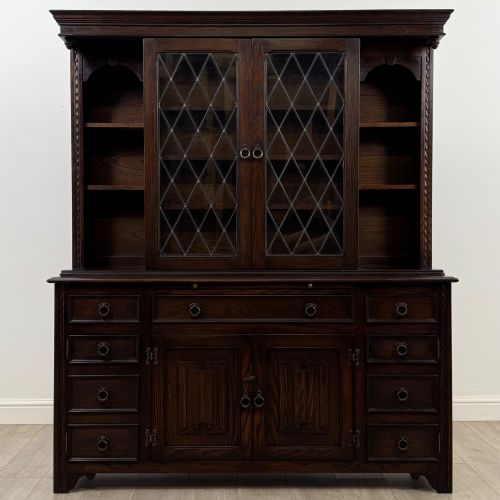
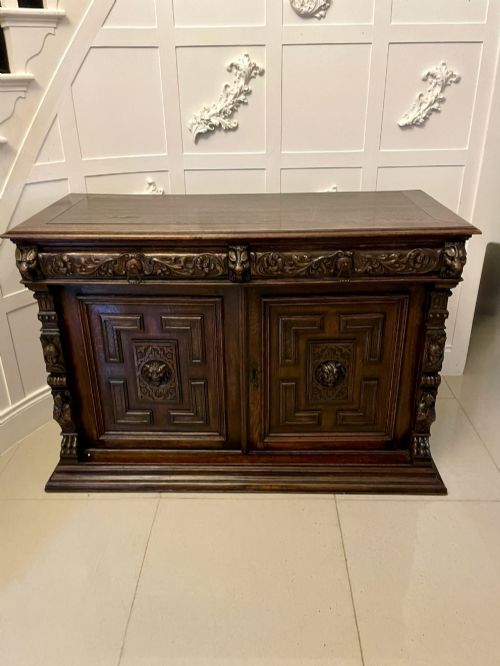
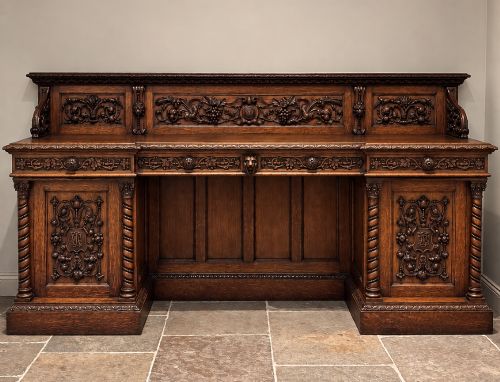
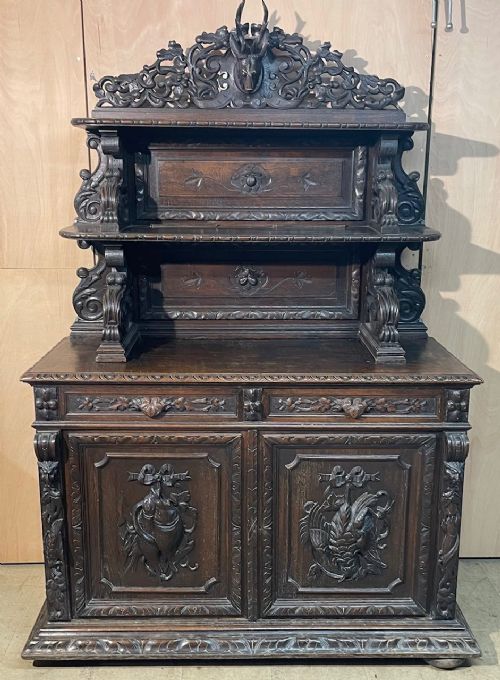
A dark oak buffet cabinet grounds a dining room with substance, offering substantial storage and rich historical character.
Dark Oak Buffet Cabinet
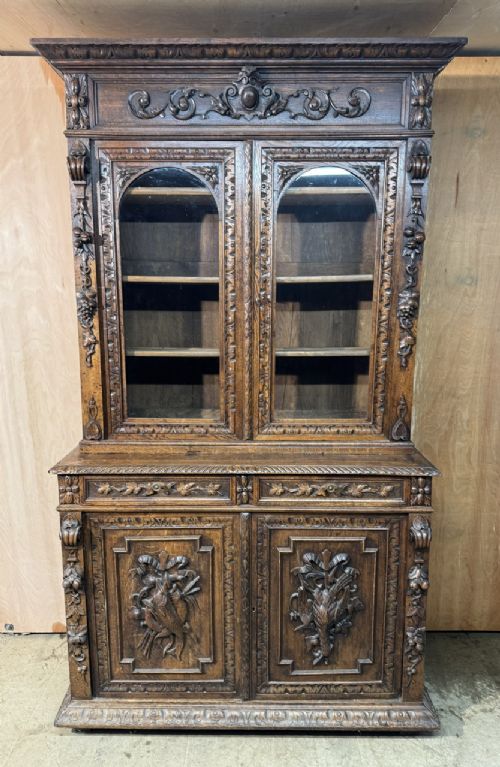
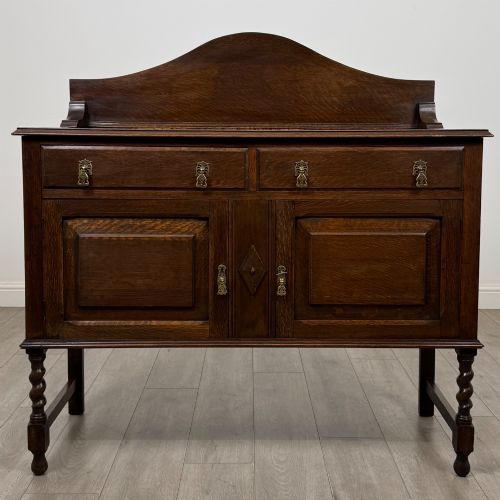
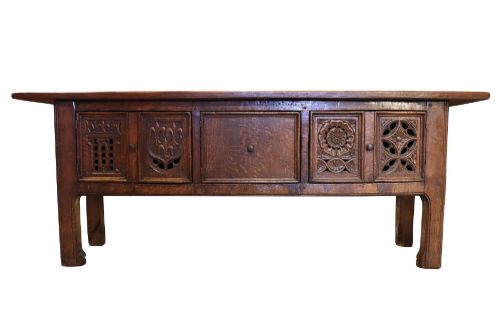
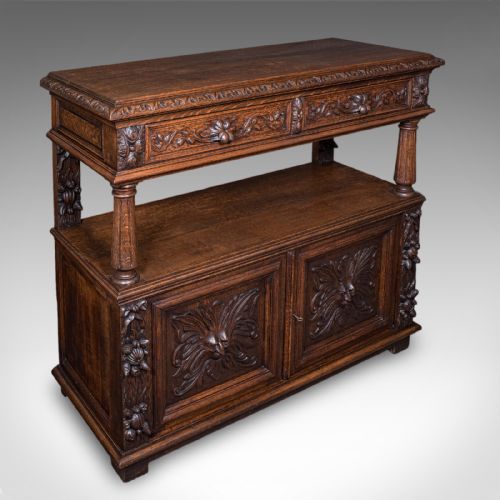
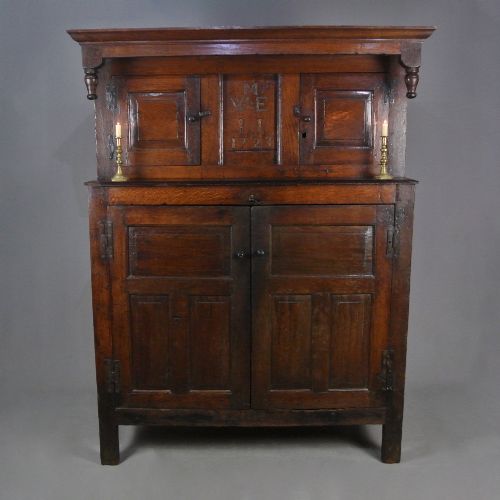
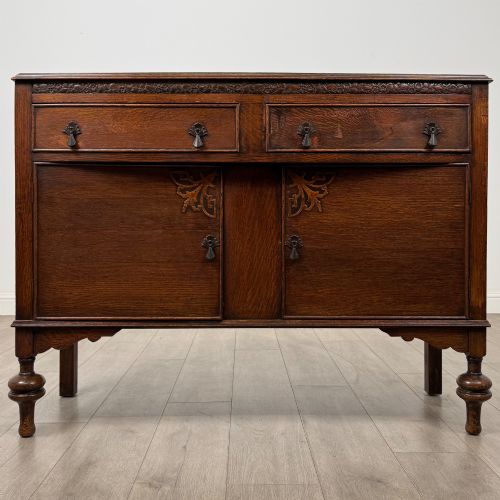
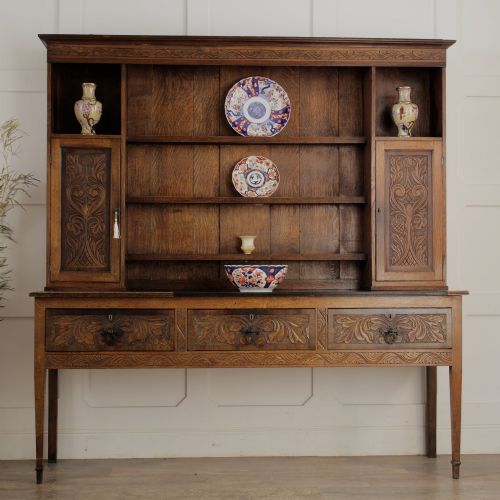
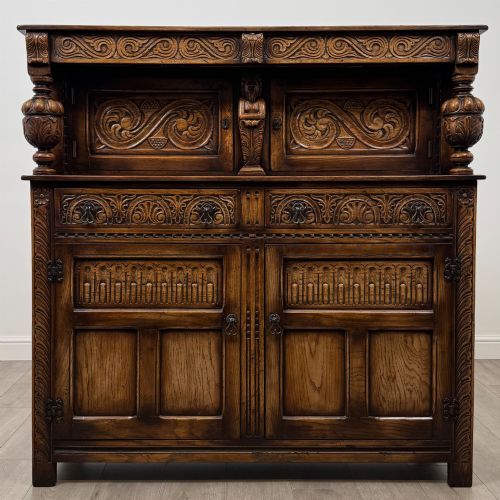
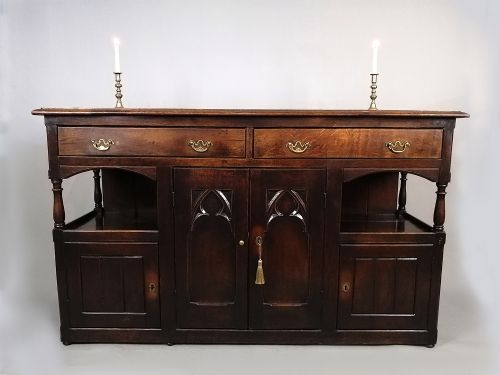
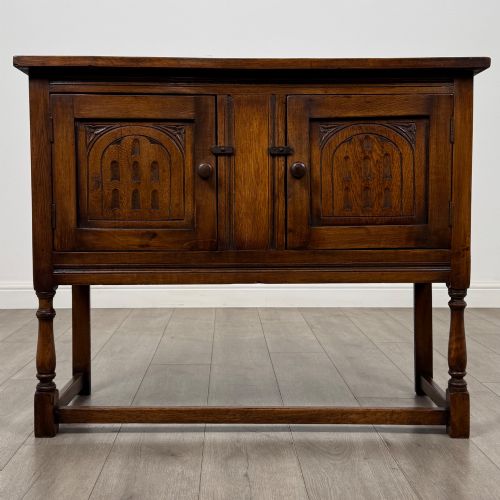
A dark oak buffet cabinet encompasses a range of heavy storage furniture, including sideboards, court cupboards, and dresser bases. These pieces emerge across periods from the seventeenth century through the Edwardian era, spanning styles such as Jacobean Revival, Gothic Revival, and French Provincial.
Buyers encountering this search phrase most frequently meet Edwardian and Victorian interpretations, alongside robust nineteenth-century French hunting cabinets and eighteenth-century dresser bases. The primary timber is oak, occasionally accompanied by walnut or fruitwood, reflecting centuries of domestic utility and formal dining traditions.
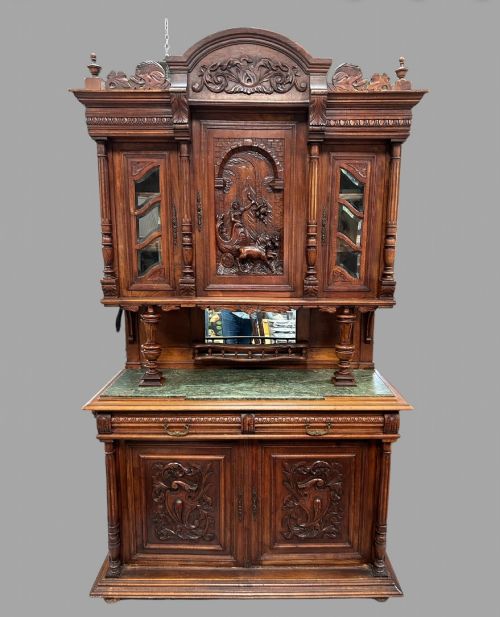
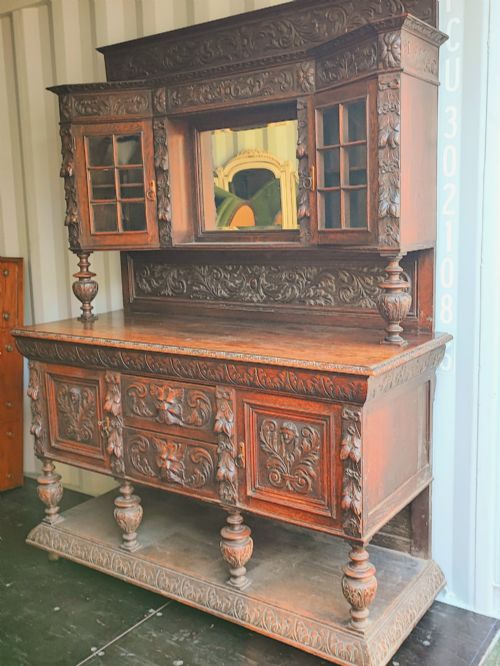
Forms vary from narrow proportions to imposing breakfront arrangements, incorporating mirror backs, display sections, and substantial cupboard doors. Whether built as a court cupboard or a server, each piece balances architectural presence with practical storage.
Materials and construction
The construction relies fundamentally on solid oak, selected for durability and strength, frequently enriched with walnut or fruitwood in specific regional pieces. Joinery traditions dictate the stability of these large carcases, utilising pegged joints and heavy framing.
Carving defines the surface detail across many examples, ranging from geometric strapwork to deep relief scenes, barley twist turnings, and Gothic tracery. Metal elements such as brass and iron hinges, handles, and locks provide both structural reinforcement and functional closure.
Secondary materials like glass and mirror glass appear in later display variations and mirror-back sideboards, while lead occasionally secures glazing. Surface finishes develop through age, preserving patinas built up over generations of use.
Listings span seventeenth-century court cupboards to Edwardian display cabinets, all executed primarily in solid oak.
Evaluating standard and distinction
The distinction between standard examples and exceptional pieces rests upon the crispness and depth of the carved ornament. Master carvers delivered crisp relief work and balanced proportions, whereas lower tiers show repetitive or shallow tooling.
Integrity of timber and surface condition dictate lasting appeal. Pieces retaining original patinas and untouched structural elements outrank those with extensive timber replacement or unsympathetic modern alterations.
Architectural cohesion elevates certain forms, particularly where Gothic, Renaissance Revival, or Jacobean elements are executed with proportion and restraint rather than heavy-handed assemblage.
The Dark Oak Buffet Cabinet Glossary
- Court cupboard
- A traditional enclosed piece of furniture used for storing food and plate, typically featuring a recessed upper section supported by pillars.
- Barley twist
- A type of turning shaped like a spiral helix, popular in seventeenth-century furniture and revived during the Victorian and Edwardian periods.
- Dresser base
- A low cabinet fitted with drawers and cupboards below, originally serving as a food preparation and storage surface in large kitchens.
- Gothic Revival
- A style drawing inspiration from medieval architecture, characterised by pointed arches, tracery, and quatrefoil motifs.
- Patina
- The surface sheen and colour acquired by wood and metal through age, handling, and regular polishing.
- Renaissance Revival
- An eclectic nineteenth-century style incorporating classical motifs, heavy cornices, and bold relief carving derived from sixteenth-century models.
Dark Oak Buffet Cabinet: Frequently Asked Questions
What is a dark oak buffet cabinet used for?
These pieces serve primarily as heavy dining room storage for crockery, linen, and glassware, while the top surface functions as a serving area during meals.
Historically, similar cupboards held food and plate, evolving into display and storage furniture for formal interiors.
How do I date a dark oak buffet cabinet?
Dating relies on examining construction methods, timber movement, and stylistic details such as hardware, joinery marks, and carving motifs.
Early pieces from the seventeenth century show hand-pegged frames and distinct panel construction, while Victorian and Edwardian versions often incorporate machine-cut elements and revival styling.
Are these cabinets heavy?
Solid oak construction and substantial dimensions mean these pieces possess considerable weight, requiring careful placement and adequate clearance in a room.
Many examples feature separate upper and lower sections, such as court cupboards and dresser bases, which assist with transport.
How do I care for dark oak furniture?
Maintenance involves regular dusting with a soft cloth and occasional application of traditional beeswax to nourish the timber and protect the patina.
Direct sunlight and sudden temperature changes should be avoided to prevent the oak from drying out or splitting.