



Carved Wooden Hutch
These carved wooden hutch examples bring substantial storage and historic craftsmanship to any room through centuries-old timber work.
Carved Wooden Hutch
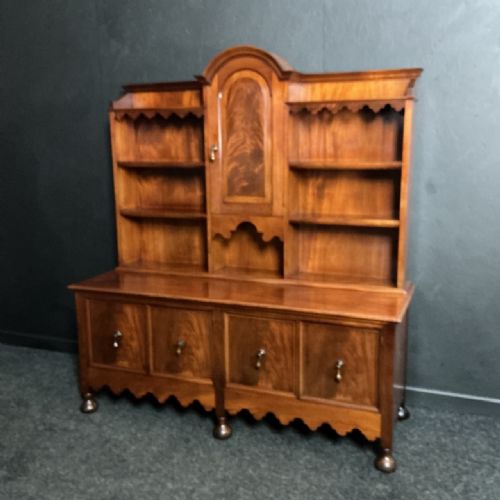
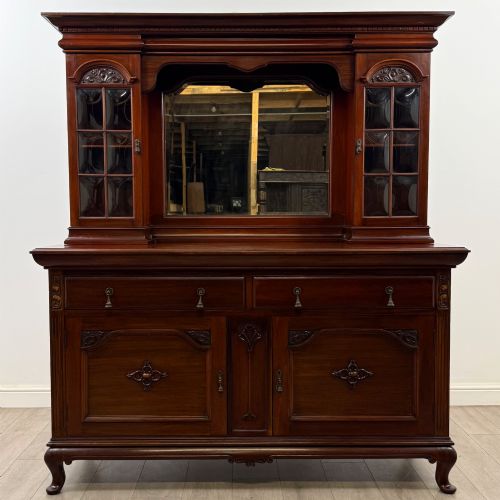
A carved wooden hutch represents a diverse grouping of historic storage furniture, incorporating dressers, cupboards, sideboards and cabinets found across the centuries. Buyers searching for a carved wooden hutch encounter pieces ranging from early sixteenth-century Gothic designs to robust oak cottage furniture and Edwardian mahogany creations.
The pieces appearing in this category span various regional traditions, including English country, French provincial, and Arts and Crafts movements. Oak remains the predominant timber, though mahogany, walnut, cherrywood, and pine also appear across different eras.
Forms vary significantly, encompassing two-part dressers, buffet tables, and panelled cupboards. Each variant provides practical shelving or enclosed storage alongside traditional decorative carving.
How they were made
Construction relies heavily on solid oak and mahogany, worked with traditional joinery techniques appropriate to periods spanning from the sixteenth to the twentieth century. Carpenters utilised panels, frames, and hand-carved details to build robust storage furniture designed for daily utility.
Surface decoration frequently involves relief carving, panel moulding, and occasional painted finishes on regional pieces. Brass hardware and iron elements provide structural support and functional fastenings on doors and drawers.
Carved Wooden Hutch Retail Price Guide 2026
Typical asking prices for carved wooden hutch among the pieces listed under this phrase on Sellingantiques today, from the lower quarter to the upper quarter. They describe what is for sale here now, not the wider market.
Among the sturdy oak and mahogany timberwork, a solitary night watch holder quietly waits to guard the hours of the night.
What varies in quality
Quality differences emerge in the depth and crispness of the hand-carving applied across the timber surface, distinguishing basic regional items from more ambitious workshops. The selection of cabinet wood, such as figured mahogany or quarter-sawn oak, further defines the visual standard of an individual piece.
The integrity of original construction, including the survival of period brass handles, glass panes, and structural timber joints, dictates the historical standing of each hutch or dresser.
The Carved Wooden Hutch Glossary
- Hutch
- A cabinet or storage piece featuring enclosed shelving or cupboards, frequently elevated on a base or table structure. This form provides both display space and concealed storage.
- Dresser
- A multi-tiered furniture piece combining lower cupboards or drawers with upper display shelving for tableware. These items form a major part of the available wooden storage selection.
- Buffet
- A low sideboard or cabinet traditionally utilised for serving food and storing dining utensils. French provincial examples often showcase distinctive regional carved panels.
- Gothic
- An early architectural and decorative style characterised by flamboyant tracery and vertical emphasis. Sixteenth-century examples display these intricate carved motifs.
Carved Wooden Hutch: Frequently Asked Questions
What periods do these pieces span?
The selection covers items from the sixteenth century through to the Edwardian era and the early twentieth century. This includes seventeenth-century joined oak, Georgian and George III designs, and nineteenth-century folk art.
Each period brings distinct construction methods and decorative styles, reflecting the prevailing woodworking traditions of its time.
Which woods are most common?
Oak is the primary timber found across these listings, appearing in country pieces, dressers, and revival cabinets. Mahogany and walnut also feature prominently in later or more formal items.
Additional materials include pine, cherrywood, and occasional applications of brass and iron for hardware and fittings.
How do dressers differ from cupboards?
Dressers typically combine lower storage cupboards or drawers with open upper shelves designed for displaying ceramics or pewter. Cupboards and armoires focus primarily on enclosed vertical storage behind panelled doors.
Both forms utilise traditional joinery and surface carving to establish their visual character.
Are these pieces purely decorative?
These items were built for practical domestic storage, offering substantial shelf space, drawers, and cabinet compartments. They function effectively in modern interiors for organising tableware, books, or household items.
The robust timber construction ensures they remain entirely suitable for daily use.