




Mid 19th Century Buffet
A mid 19th century buffet brings serious architectural presence and deep timber tones to a dining room, combining practical storage with grand nineteenth-century craftsmanship.
Mid 19th Century Buffet
A mid 19th century buffet functions as a substantial serving piece and storage unit, frequently appearing under related forms such as sideboards, chiffoniers, and servers. These items anchor a dining room or hallway with capacious cupboards and surface space designed for entertaining.
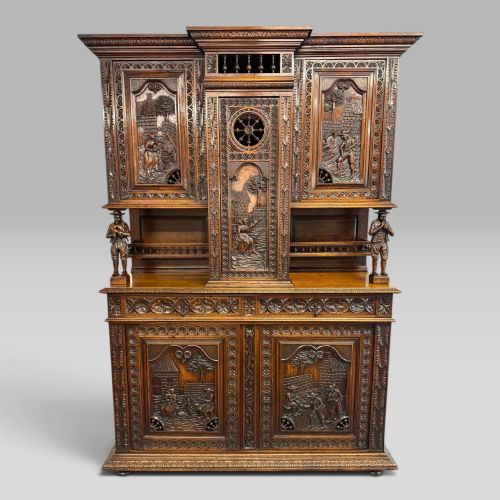
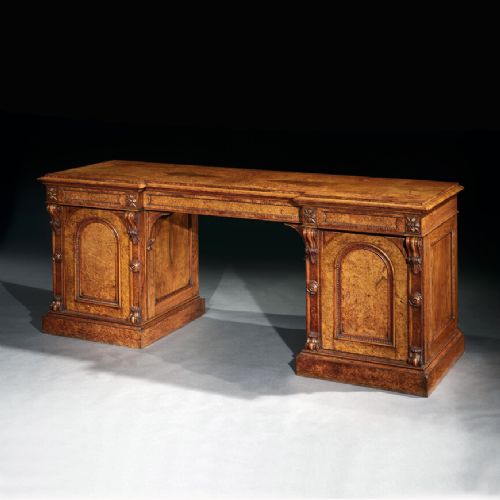
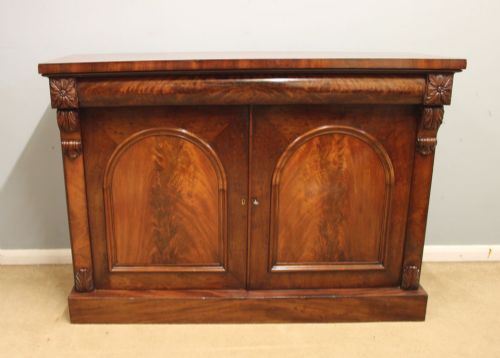
The pieces catalogued here span Victorian British workshops and continental centres, embracing styles from Scandinavian country restraint to elaborate Renaissance Revival and Gothic carving. The most common manifestations on this page are mahogany pedestal designs and birch or pollard oak buffet sideboards.
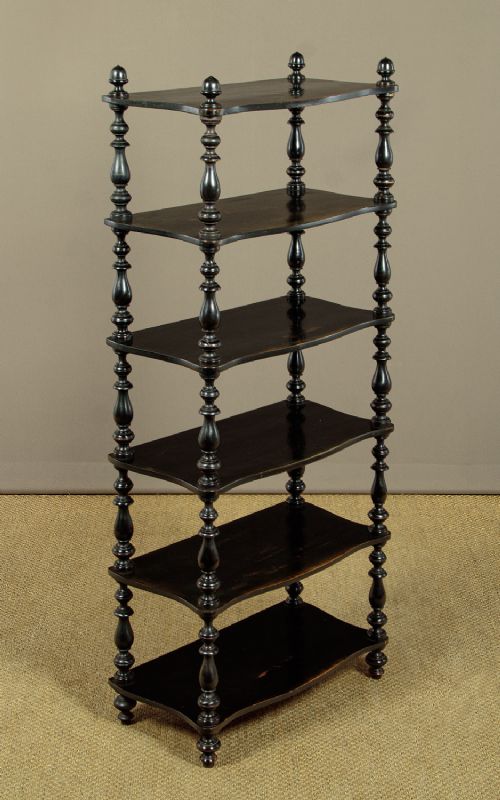
Makers of this era utilised heavy timber carcases to create imposing silhouettes intended for formal display. Whether configured as a three-tier etagere or a mirrored chiffonnier, each piece reflects the domestic ambitions of the nineteenth-century household.
How they were made
Cabinet makers built these pieces using solid timber carcases of mahogany, oak, walnut, and rosewood, frequently enhanced by figured veneers like pollard oak, palisander, and birch. Secondary timbers such as pine provided structural framing for internal shelves and backing boards.
Surface ornamentation relied on deep hand carving, architectural mouldings, and turned brass hardware. Glass panels appeared in doors and shelving units, while ebonising techniques transformed common woods into striking display pieces.
Mid 19th Century Buffet Retail Price Guide 2026
Typical asking prices for mid 19th century buffet among the pieces listed under this phrase on Sellingantiques today, from the lower quarter to the upper quarter. They describe what is for sale here now, not the wider market.
Several pieces include tiered etageres built specifically for displaying heavy Victorian tea services without wobbling.
What varies in quality
The calibre of a mid 19th century buffet rests heavily on the selection of timber veneers and the crispness of its carved elements. Superior examples display continuous grain matching across drawer fronts and doors, whereas lesser pieces rely on plain surfaces and simpler applied mouldings.
Construction methods also dictate grade, distinguishing robust carcases with dovetailed drawer boxes from simpler nailed assemblies. Original brass mounts, sound structural integrity, and well-fitted doors separate exceptional architectural statements from standard utility items.
The Mid 19th Century Buffet Glossary
- Buffet
- A sideboard or serving table designed for holding food, tableware, and drinks during formal meals. It typically incorporates enclosed cupboards and display surfaces.
- Chiffonier
- A compact sideboard popular during the Victorian period, usually featuring enclosed lower cabinets and a raised superstructure with shelves or a mirror.
- Pollard Oak
- Timber taken from trees that have been pollarded, producing a dense, highly figured grain pattern prized for decorative furniture veneers.
- Palisander
- A heavy, dark tropical hardwood akin to rosewood, utilised for high-end cabinet facings and luxury finishes during the nineteenth century.
- Pedestal Sideboard
- A large dining room furnishing featuring a central table section flanked by two heavy pedestal cupboards resting on a shared plinth base.
Mid 19th Century Buffet: Frequently Asked Questions
How do I style a buffet?
Position the piece against a principal dining room wall where it can function as both a focal point and a serving station during meals.
Layer the top surface with ceramics, silver, or lamps to break up the vertical mass of the timber.
What is a chiffonier?
A chiffonier is a specific type of nineteenth-century cabinet that combines enclosed lower storage with a raised tier or mirrored back.
These pieces were typically scaled for smaller parlours and dining rooms compared to massive pedestal sideboards.
How do I care for mahogany?
Maintain the timber by dusting regularly with a soft, dry cloth and avoiding placement near direct heat sources or strong sunlight.
Apply a traditional beeswax polish sparingly to nourish the grain and preserve the rich patina of the wood.
Are these pieces solid wood?
Most nineteenth-century buffets utilise a combination of solid structural timbers and decorative wood veneers applied over stable secondary woods.
This technique allowed cabinet makers to display dramatic grain patterns like pollard oak and rosewood across large expanses.
How do I identify Victorian style?
Victorian furniture is characterised by substantial proportions, dark woods, and revivals of earlier historical periods such as Gothic and Renaissance.
Look for heavy mouldings, turned supports, and functional compartments tailored to nineteenth-century domestic life.