
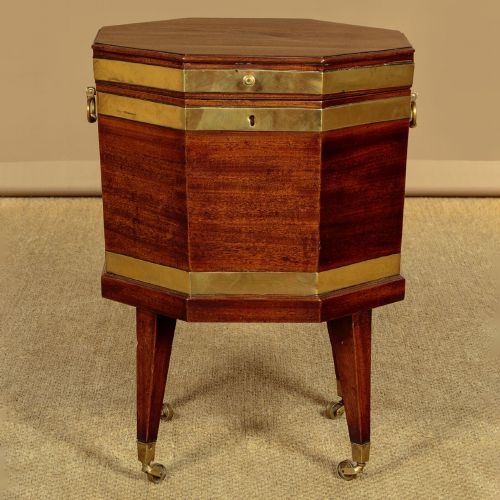
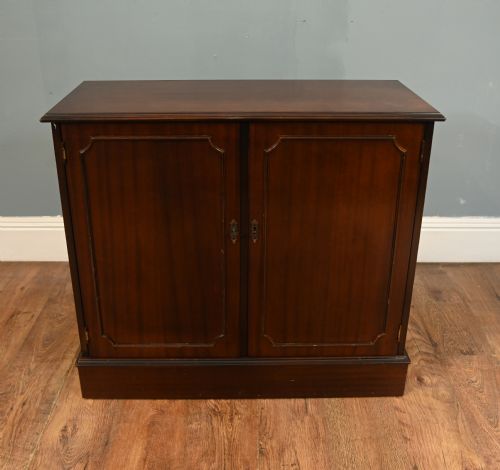


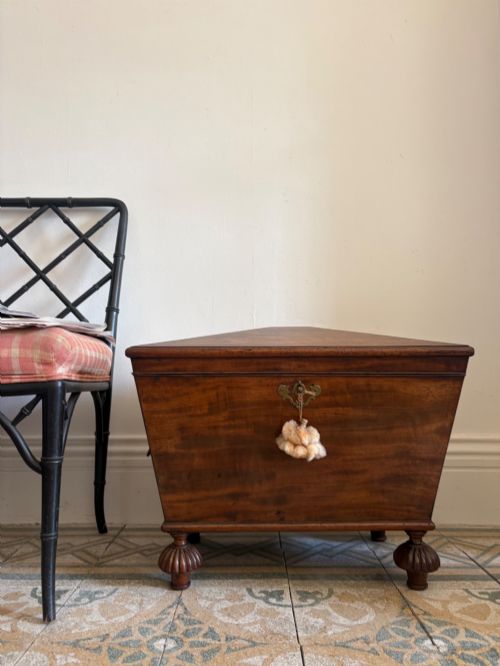


Dark Mahogany Wine Chest
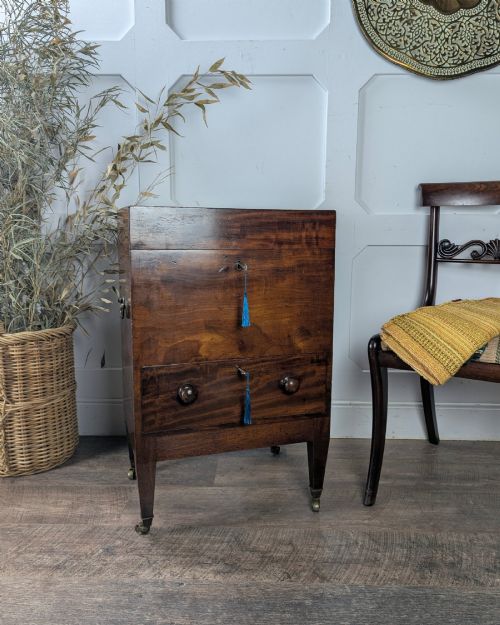
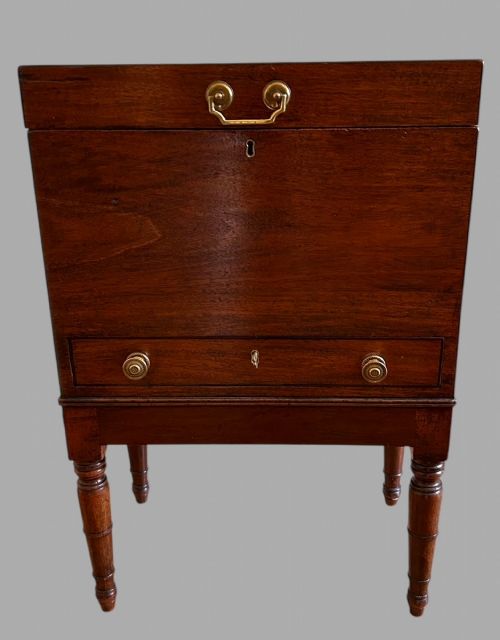
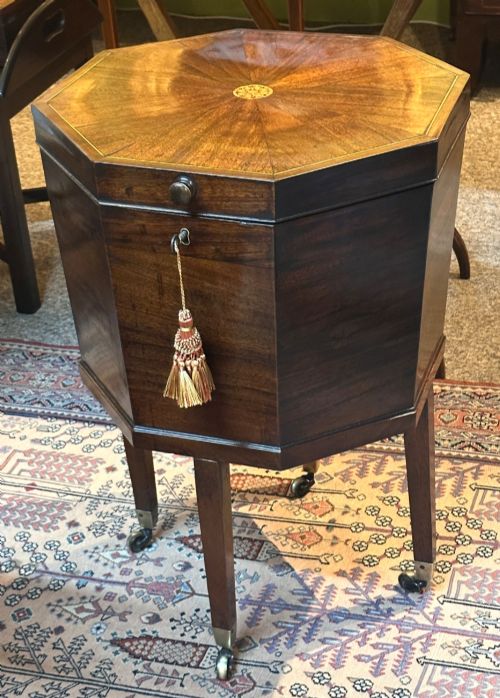
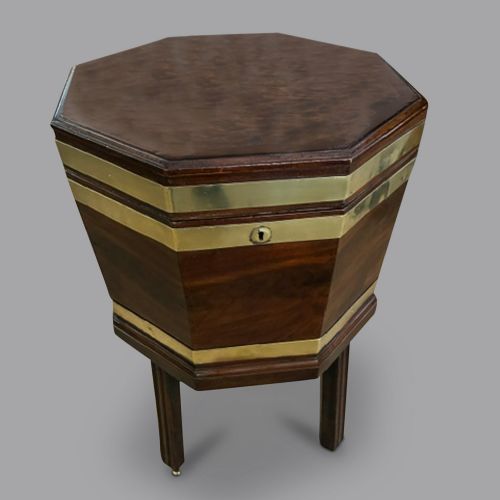
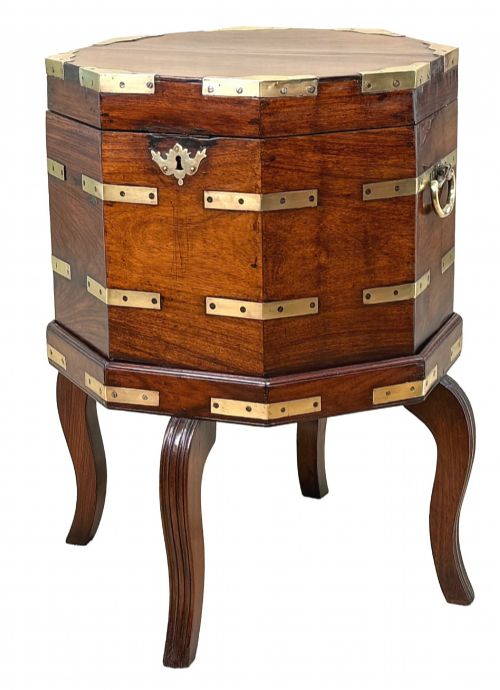
A dark mahogany wine chest holds bottles securely while adding substantial presence to a dining room or library.
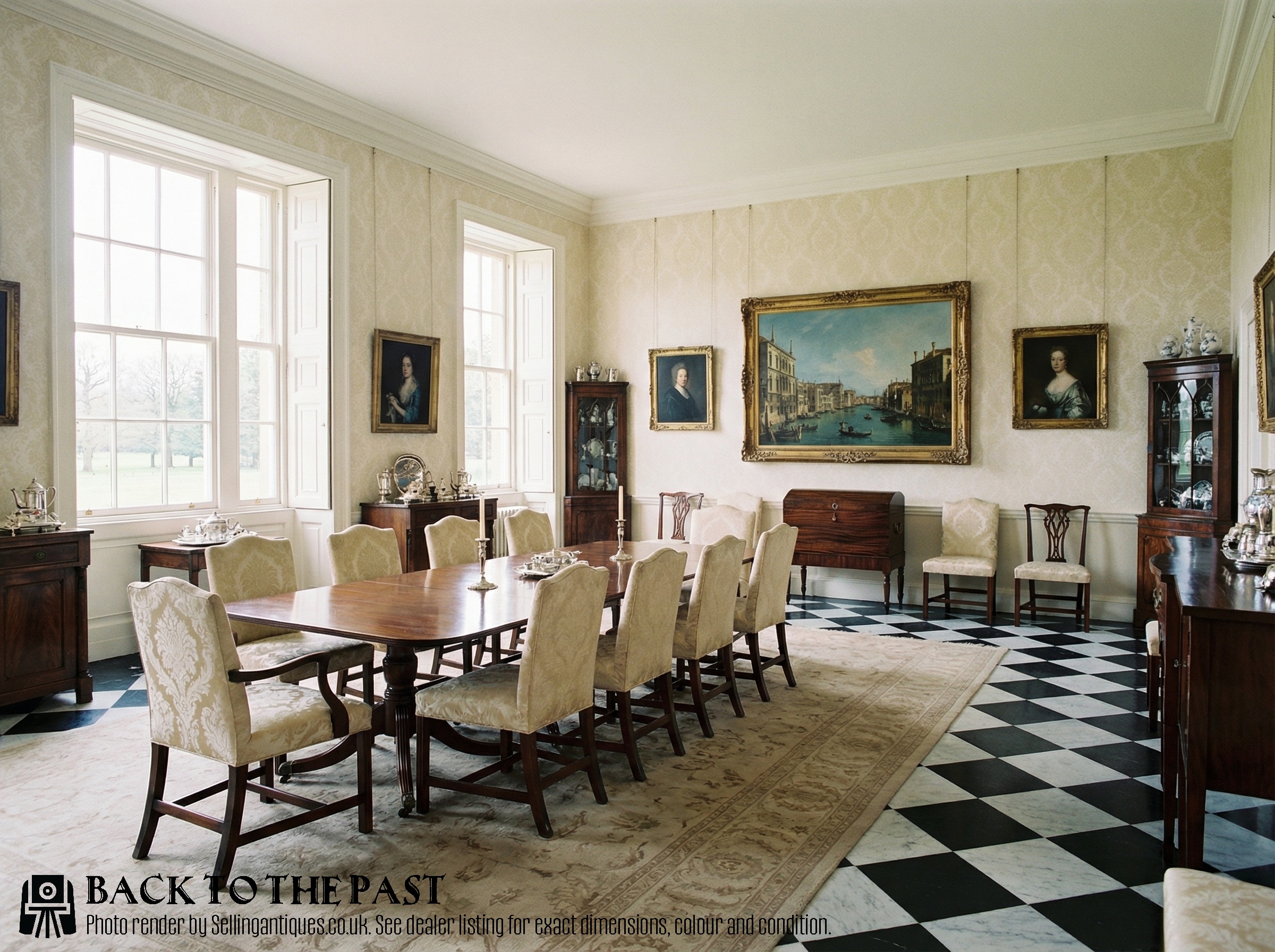
Dark Mahogany Wine Chest
A dark mahogany wine chest, commonly catalogued as a cellarette or wine cooler, functions as a specialised storage piece for bottles and decanters. Buyers searching this phrase encounter forms spanning the Georgian, Regency, William IV, and Victorian periods.
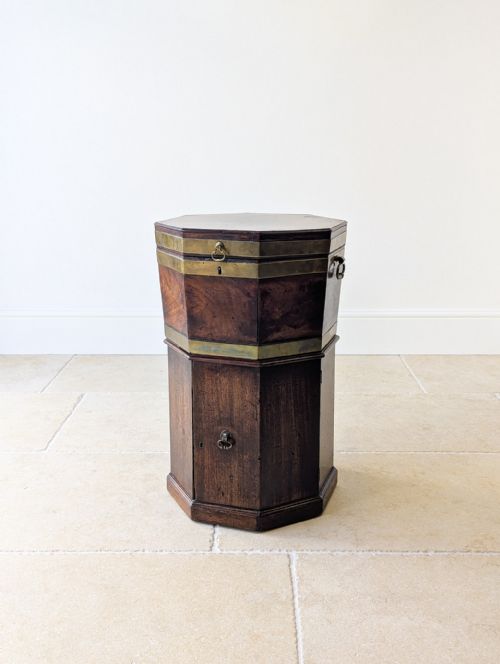
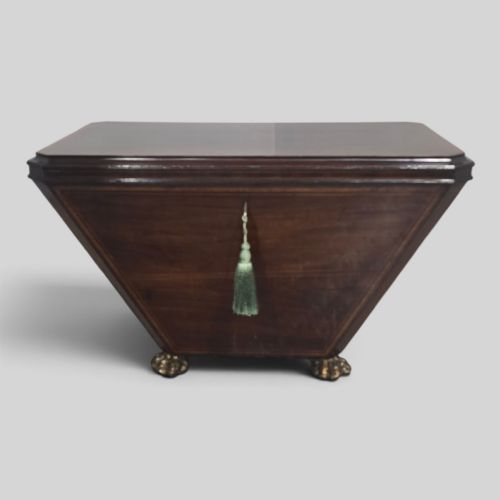
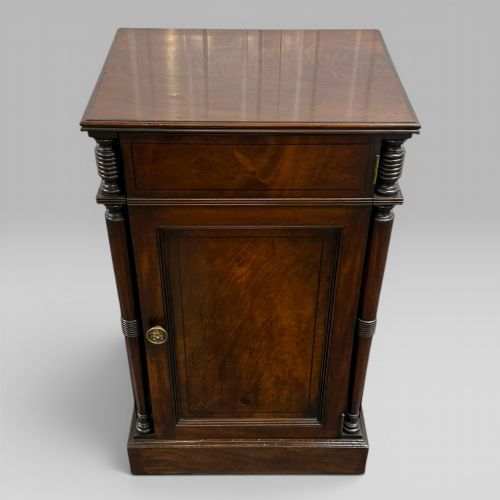
The pieces on this page appear predominantly as freestanding octagonal boxes, sarcophagus shapes, and occasional side cabinets. Georgian and Regency examples dominate the selection, often retaining interior fittings for individual bottles.
Makers and designers working in these styles produced practical containers that sat beneath sideboards or beside dining tables. The fundamental purpose remains temperature regulation and secure containment for fine vintages.
How they were made
Cabinet makers utilised solid mahogany and flame mahogany veneer applied to sturdy carcases. Brass banding frequently reinforces the structural joins and adds a distinct decorative contrast against the dark timber.
Interior construction often incorporates lead linings designed to hold ice for chilling bottles, alongside wooden dividers built to separate individual containers. Metal mounts, brass handles, and occasionally ormolu details complete the assembly.
Some nineteenth-century cellarettes doubled as makeshift plate-warmers, keeping food hot while the wine stayed cold.
What varies in quality
Quality separates ordinary storage boxes from exceptional pieces through the selection of figured mahogany veneers and the precision of satinwood inlay. The crispness of carved details, such as paw feet or reeded moulding, indicates the skill level of the workshop.
Survival of internal lead linings and original brass hardware elevates a piece significantly. Maker attribution to known firms like Gillows or Edwards and Roberts distinguishes standard vernacular items from documented commission work.
Edwards and Roberts·Gillows·Gillingtons·Freemans of Norwich·Thomas Feetham
The Dark Mahogany Wine Chest Glossary
- Cellarette
- A lockable container used for storing and cooling wine before service at the dining table. These boxes often feature internal dividers.
- Sarcophagus form
- A heavy, monumental shape resembling an ancient stone coffin with a gabled lid, popular during the Regency period. This profile maximised internal capacity for bottle storage.
- Flame mahogany veneer
- Timber sliced from the point where a branch joins the main trunk, displaying a distinctive flamelike grain pattern. Cabinet makers reserved this expensive veneer for primary display surfaces.
- Brass-bound
- Construction reinforced with heavy brass bands secured by screws around the perimeter of the chest. This technique provided structural strength for heavy timber containers.
- Padouk
- An exotic hardwood with a deep reddish-brown tone utilised in specific colonial pieces. It offered durability and resistance to warping.
Dark Mahogany Wine Chest: Frequently Asked Questions
How were cellarettes used historically?
Servants filled the internal lead compartments with ice and water to chill wine before dinner service. The heavy lids kept the contents cool and protected.
After meals, the lockable chests secured expensive vintages from household staff. They sat discreetly beneath sideboards until needed.
Where should I place a wine chest today?
These chests function effectively as freestanding side tables in a dining room, living area, or hallway. Their finished mahogany surfaces allow placement away from walls.
The deep interiors provide practical storage for blankets, board games, or contemporary bottle collections. They anchor a room with traditional wood tones.
How do I identify a Regency wine chest?
Regency examples frequently display monumental sarcophagus shapes with carved paw feet, bold moulding, and heavy brass ring handles. The timber often shows rich grain patterns.
Proportions during this period tend to be heavier and more architectural than earlier Georgian designs. Ornate brass lion masks and classical motifs frequently adorn the corners.