
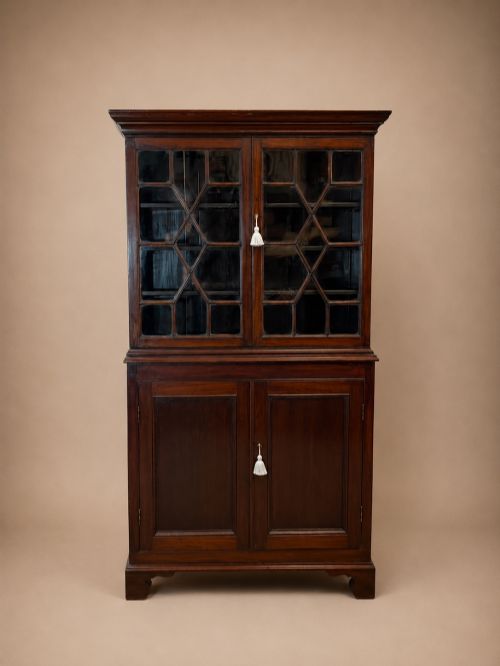
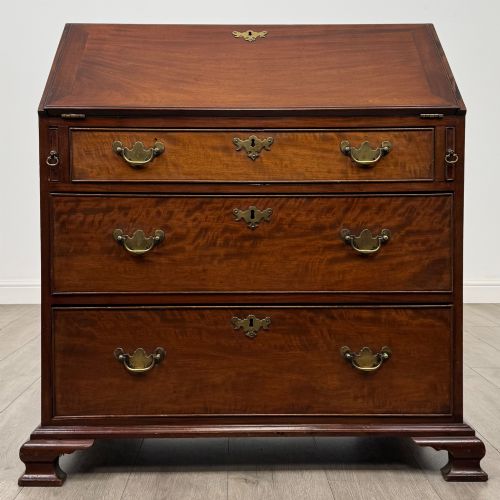
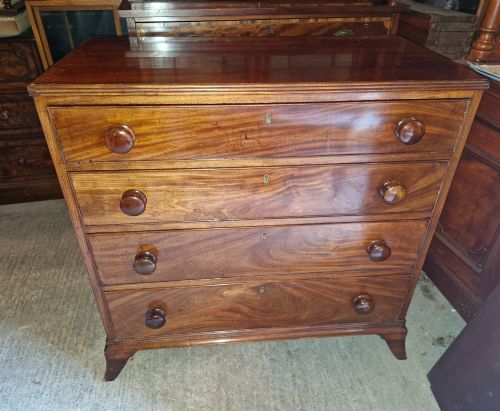
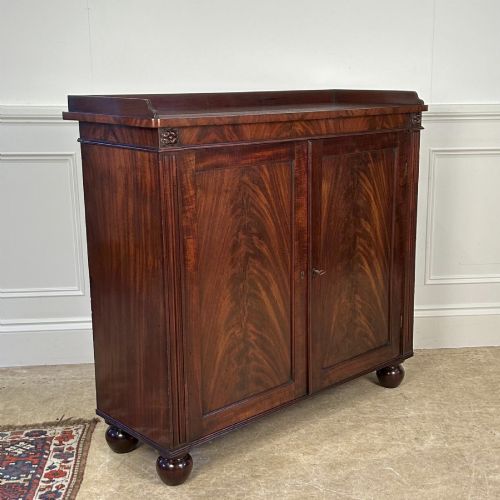
Dark Mahogany Bureau Cabinet
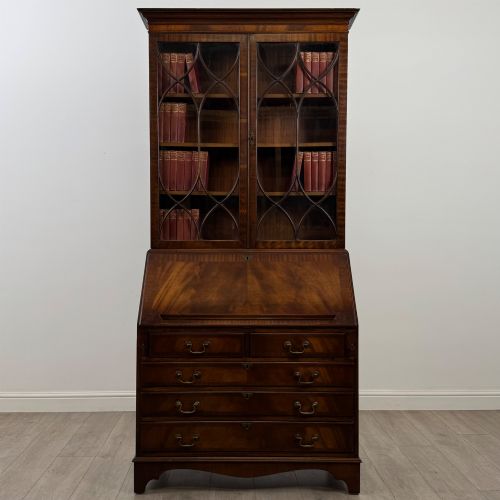
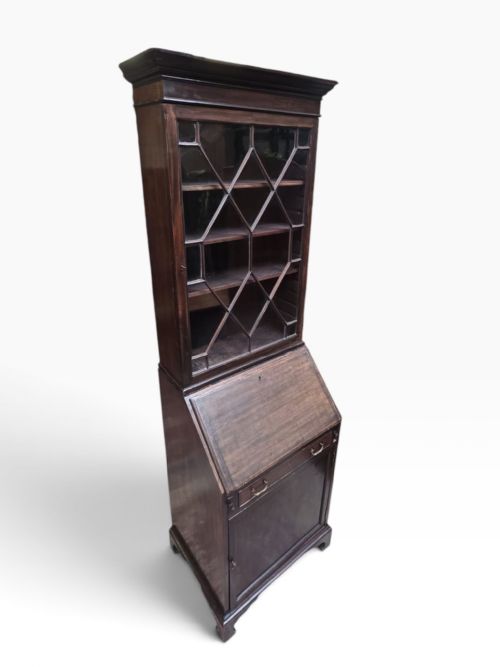
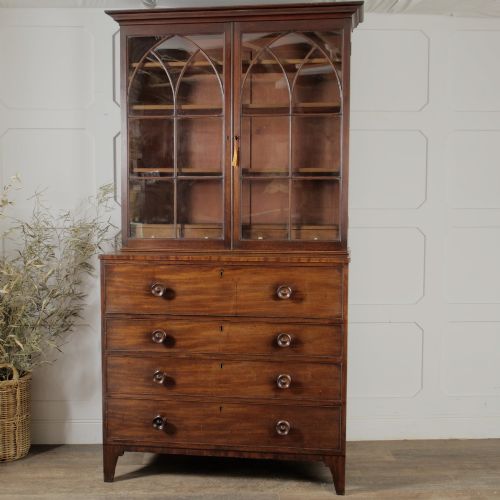
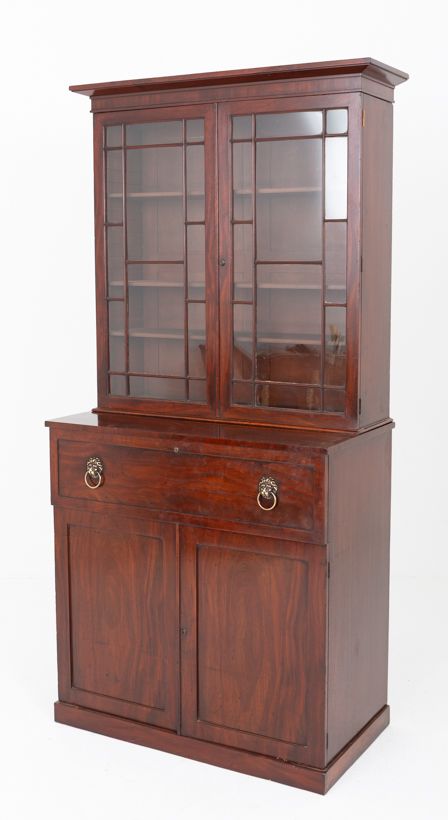
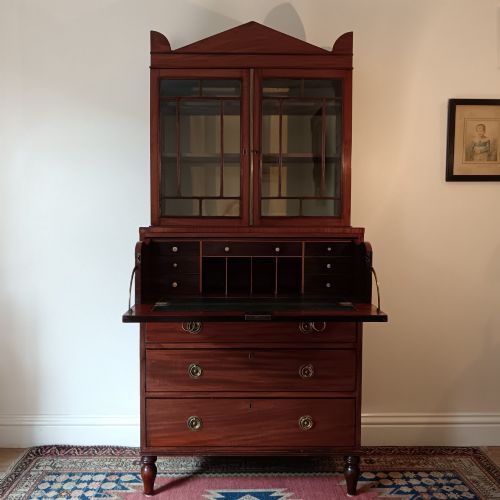
A dark mahogany bureau cabinet combines a fitted writing desk and a bookcase behind panelled or glazed doors, offering practical storage for books and papers.
Dark Mahogany Bureau Cabinet
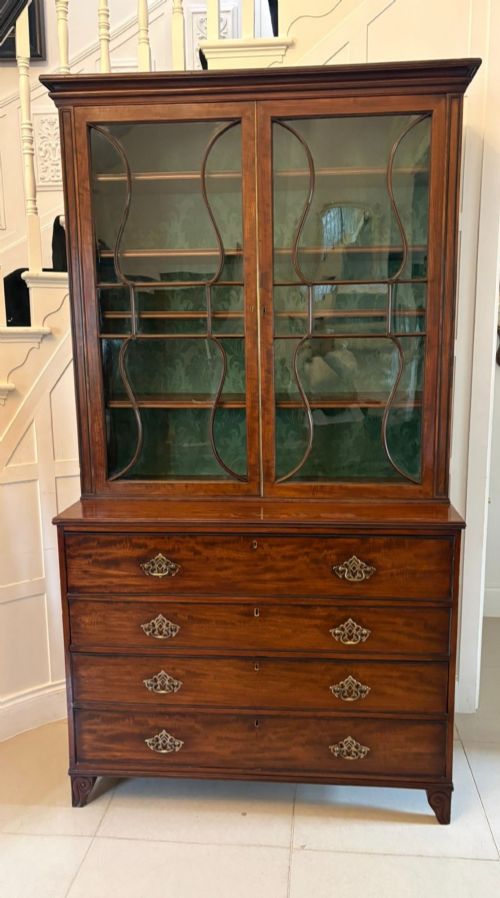
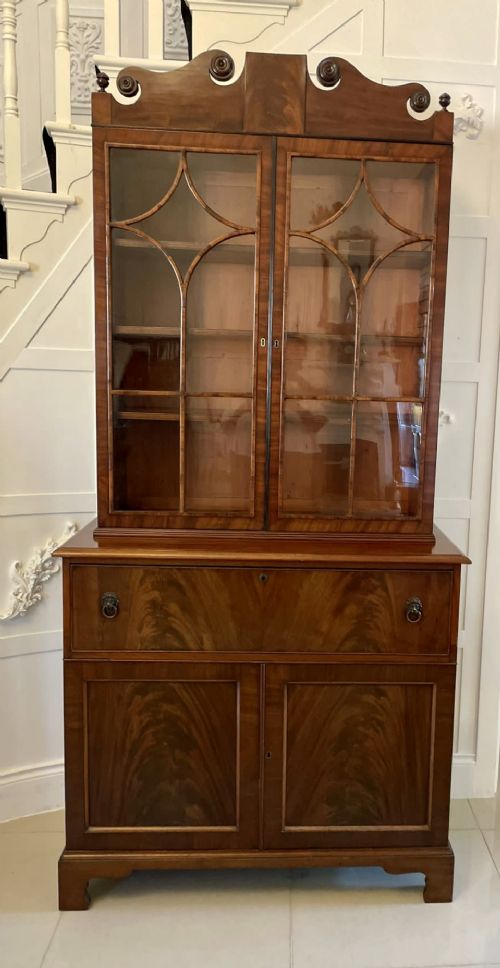
When searching for a dark mahogany bureau cabinet, collectors encounter a range of large freestanding furniture primarily spanning the eighteenth and nineteenth centuries. These items combine a lower writing section with an upper shelving unit, frequently described in listings as bureau bookcases or secretaire cabinets.
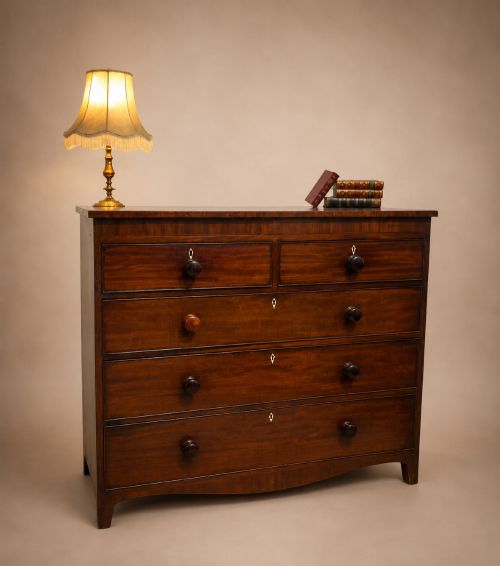
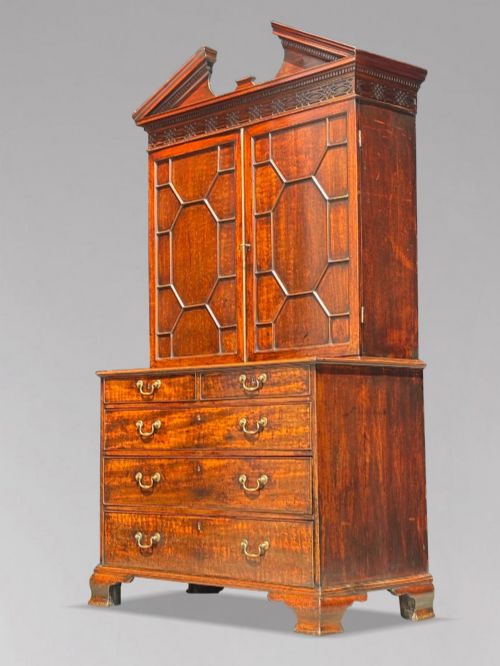
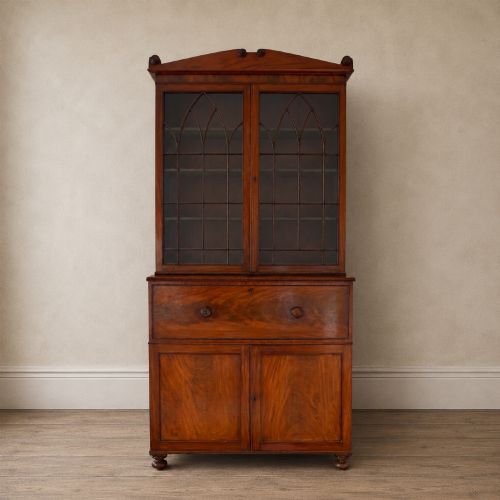
The pieces appearing on this page originate predominantly from the Georgian, Regency, and Victorian periods. Forms vary from tall glazed library bookcases to compact dwarf cabinets and fitted desks.
Makers and workshops of the eighteenth and nineteenth centuries constructed these cabinets to serve as both display furniture for libraries and private workspaces for correspondence.
How they were made
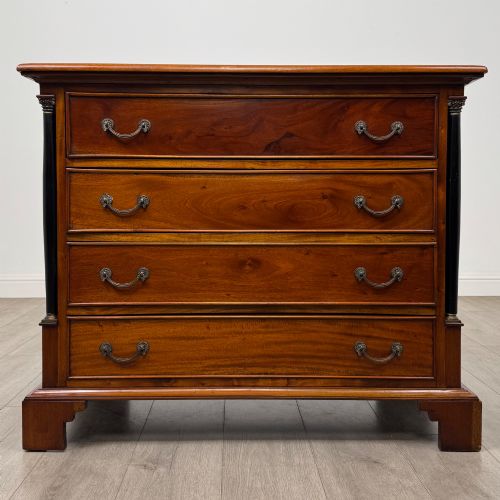
Cabinet makers utilised dense timbers such as solid mahogany and flame mahogany veneer, often pairing them with secondary woods like oak for internal drawer linings. Structural components frequently incorporated brass hardware, glazed upper doors, and occasionally inlaid details or ebonised wood highlights.
Writing compartments contained pigeonholes and small drawers formed around a central drop-front desk or pull-out secretaire drawer lined with leather. Upper sections relied on fitted shelves enclosed by timber-framed glass panels, while lower sections often incorporated panelled doors or stacks of graduated drawers.
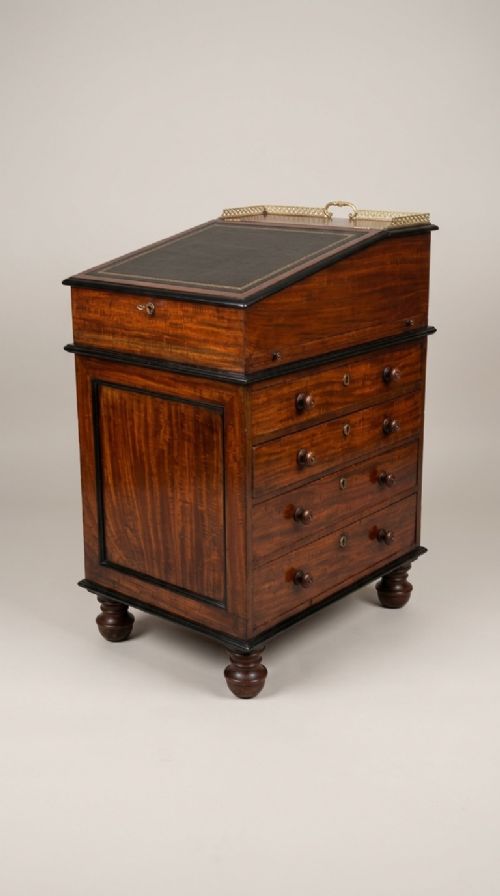
Object types associated with this search include bureau bookcases, secretaire bookcases, kneehole desks, and Davenport writing tables.
What varies in quality
The calibre of a dark mahogany bureau cabinet depends largely on the choice of timber figure, such as well-matched flame mahogany veneers, and the crispness of internal drawer construction. Finer examples display meticulous attention to dovetail joints, original brass handles, and balanced proportions across both upper and lower sections.
Secondary elements like the clarity of the glass in the upper doors and the complexity of the fitted interior distinguish standard workshop production from pieces attributed to notable cabinet makers.
Thomas Chippendale·Gillows
The Dark Mahogany Bureau Cabinet Glossary
- Secretaire
- A cabinet or desk featuring a pull-out drawer with a drop front that conceals a fitted writing space. This mechanism allows the piece to function as a desk without disrupting the exterior appearance of a chest or bookcase.
- Astragal glazed
- A method of dividing glass panes in cabinet doors using slender wooden strips known as astragals. This technique creates geometric patterns across the upper bookcase section.
- Flame mahogany
- A veneer cut from the fork of a mahogany tree where the branches join the trunk. It produces a distinctive flickering flame-like grain pattern highly prized by period cabinet makers.
- Davenport
- A compact writing desk typically featuring a sloping desktop and a bank of side drawers. These smaller writing pieces appeared during the Regency and Victorian eras.
- Pigeonhole
- A small open compartment within a desk interior designed for sorting letters and documents. These compartments often sit above miniature drawers inside the fall-front of a bureau.
Dark Mahogany Bureau Cabinet: Frequently Asked Questions
What is a bureau cabinet?
A bureau cabinet is a dual-purpose item of furniture featuring a lower section configured for writing and an upper section designed for storing books or display items.
These pieces typically enclose the writing surface behind a fall-front flap or a pull-out secretaire drawer.
How do I date a mahogany cabinet?
Dating involves examining the construction methods, timber selections, and stylistic details present in the piece. Georgian examples often display rectilinear proportions and bracket feet, whereas Regency and Victorian pieces introduce heavier mouldings and different handle styles.
Secondary woods used inside drawer linings also help determine the period of manufacture.
Are the secretaire drawers lockable?
Most period secretaire drawers and fall-front desks incorporate working brass locks to secure confidential papers and writing materials. Original locks and matching keys add to the historical integrity of the furniture.
Owners historically used these locks to protect correspondence and account books.
How should I care for antique mahogany?
Antique mahogany benefits from stable room temperatures away from direct sunlight and heat sources to prevent the timber and veneer from splitting. Regular dusting with a dry, soft cloth maintains the finish without needing heavy polishes.
Leather writing surfaces require occasional gentle conditioning to keep the material supple.