
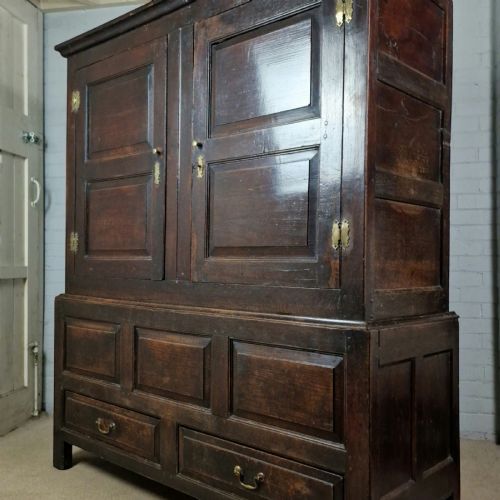
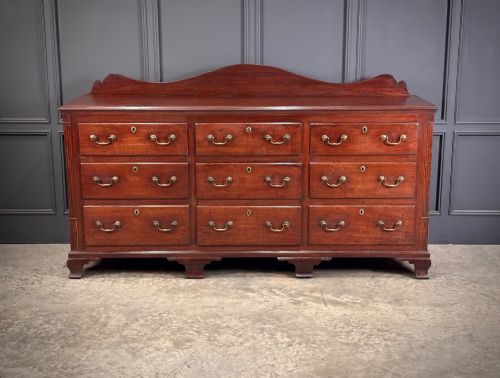
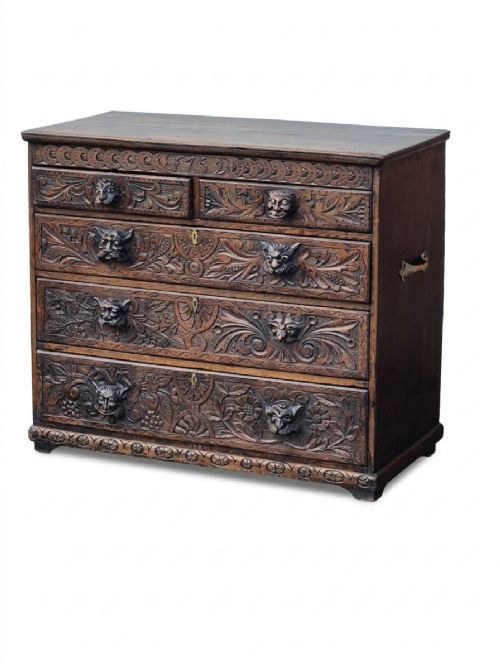
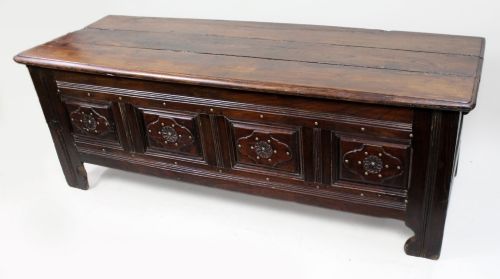
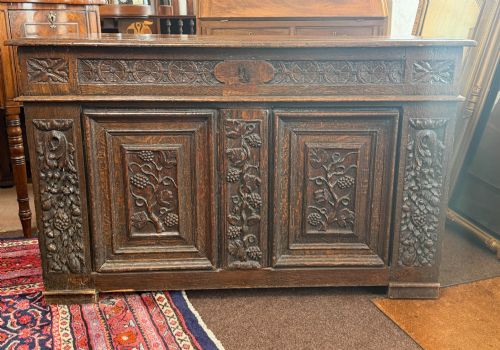
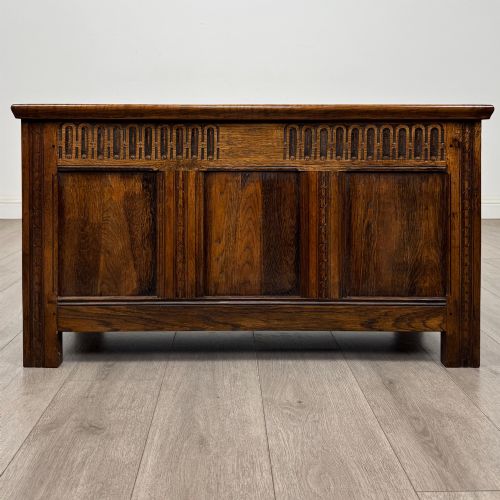
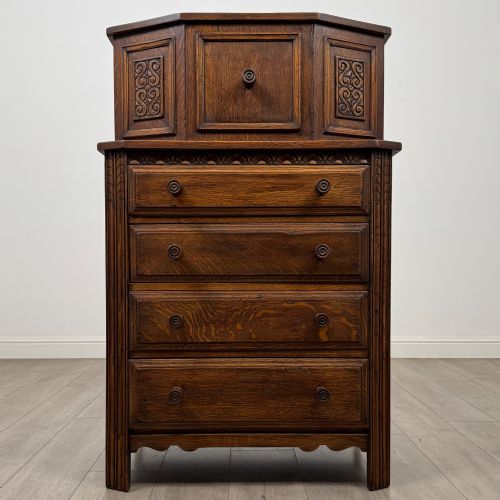
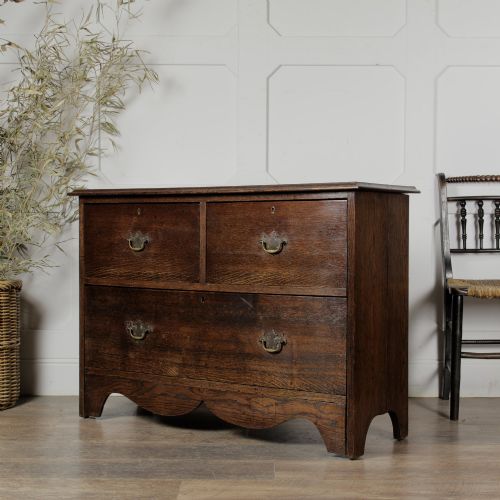


Dark Carved Chest
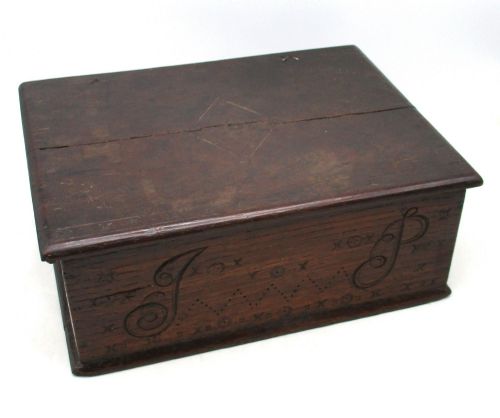
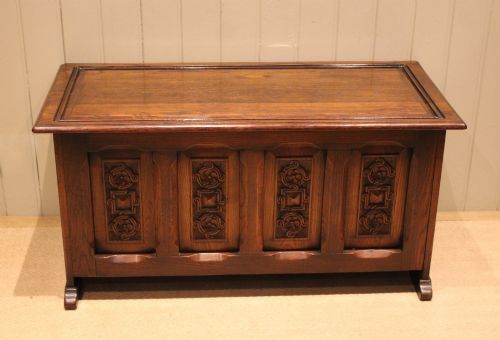
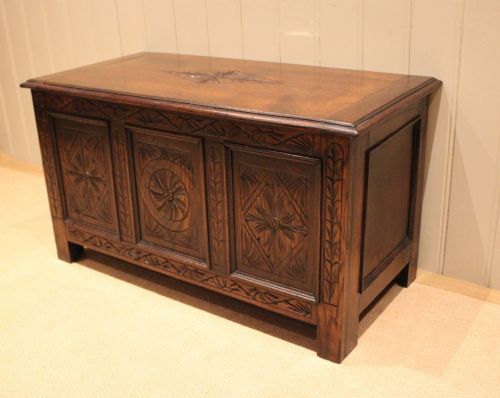
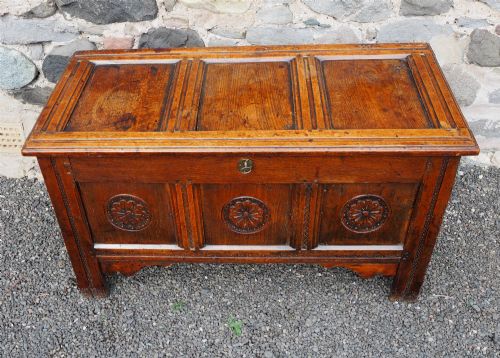
When you search for a dark carved chest, you step into centuries of sturdy storage shaped by hand from native timber.
Dark Carved Chest
A dark carved chest serves as a robust storage piece, encompassing centuries of domestic utility from early coffers to later drawers. When hunting for a dark carved chest, you will most frequently encounter solid timber examples dating from the seventeenth century through the Edwardian era.
These pieces emerge in various forms, including panelled coffers, blanket boxes, and mule chests. The lineage stretches from early provincial trunks to later revival pieces bearing deep relief work.
Makers designed these items to hold precious linens, documents, and household goods safely. The enduring appeal lies in the rich patination of the dark wood and the tactile relief of the carving.
How they were made
Cabinet makers built these pieces predominantly from solid oak, utilising heavy planks joined by traditional mortise and tenon construction. Iron hinges, brass lock plates, and metal fittings secure the lids and drawers.
Workmen employed hand chisels and gouges to carve geometric patterns, foliage, and grotesque figures directly into the dense timber. Subsequent polishing and waxing over generations deepened the natural colour of the wood.
Materials span native oak and mahogany alongside supplementary brass and iron hardware.
What varies in quality
The depth and crispness of the chisel work separate standard utility items from exceptional examples. Sharp, well-defined motifs demonstrate superior artisan skill compared to soft or shallow tooling.
The integrity of the original timber structure and the retention of period hardware dictate the standing of a piece. Examples that retain their authentic boarded lids and primary structure without excessive timber replacement hold greater historical integrity.
The Dark Carved Chest Glossary
- Coffer
- A heavy wooden chest traditionally used for storing valuables or documents. These pieces often feature boarded lids and panelled construction.
- Linenfold
- A style of carving that mimics folded fabric, frequently seen on Tudor and Jacobean panels. This technique creates a textured surface across wooden doors and chest fronts.
- Mule chest
- A storage chest fitted with one or more drawers at the base beneath the main compartment. This form bridges the gap between the traditional coffer and the chest of drawers.
- Grotesque
- An ornate style of decorative painting and sculpture consisting of Rappelling figures, foliage, and mythical beasts. Victorian interpretations often brought dramatic flair to dark timber furniture.
- Panelling
- A construction method using vertical stiles and horizontal rails to frame inset wooden boards. This technique allows timber to expand and contract naturally without warping.
Dark Carved Chest: Frequently Asked Questions
What did people store inside a dark carved chest?
Households utilised these sturdy vessels for safekeeping valuable textiles, woollen blankets, and family documents.
Heavier coffers also served to secure silver plate and trading coins away from damp floors and intruders.
How can I tell a seventeenth century chest from a revival piece?
Early pieces display tool marks from hand pit-sawing and lack the uniform precision of later machinery.
Examining the underside, rear panels, and joint pegs often reveals the age of the timber and construction methods.
How do I care for dark oak furniture?
Keep wooden surfaces away from direct heat sources and sudden humidity changes to prevent the timber from splitting.
Apply a traditional beeswax polish occasionally to nourish the grain and maintain the deep surface patination.
What is the difference between a coffer and a trunk?
A coffer is traditionally constructed with heavy panelled timber framing designed for domestic security and storage.
Trunks often served travel purposes and frequently incorporated external leather or metal reinforcement for transport.