





Colonial Ebonised Furniture
Colonial ebonised furniture brings dark, striking woods and intricate regional craftsmanship straight from distant trade routes into your rooms.
Colonial Ebonised Furniture
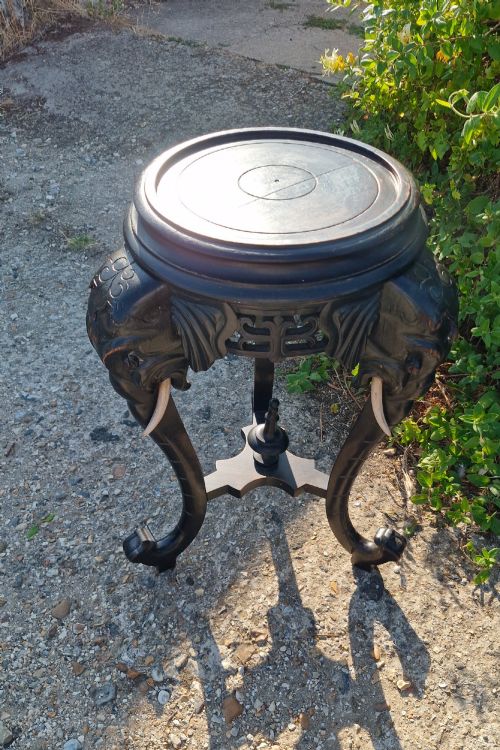
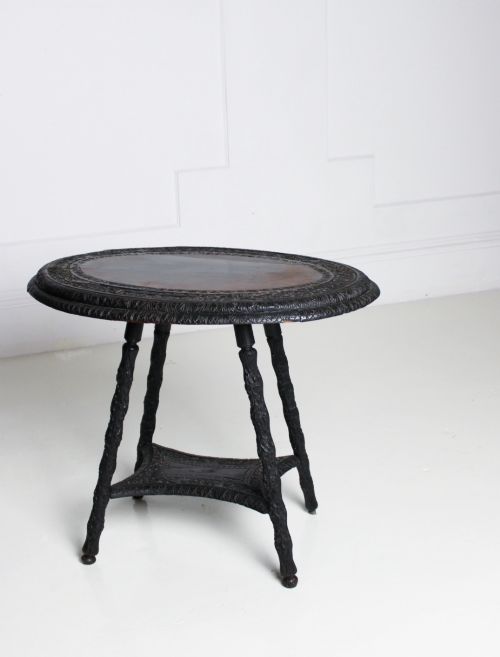
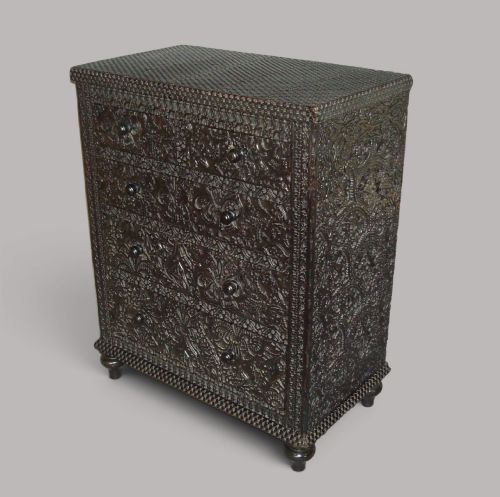
Colonial ebonised furniture encompasses darkly stained or naturally black timber furnishings created during overseas expansion and trade. When you search for colonial ebonised furniture, you encounter pieces designed in distant territories using exotic materials and imported European forms.
The selections on this page span the nineteenth century, including Victorian, Regency, and earlier 1800 markers. You find side tables, chests of drawers, dining chairs, display cabinets, and cabinets on stands.
Origins stretch across Anglo-Indian, Dutch Colonial, Portuguese Baroque, Spanish Baroque, and Victorian military campaign styles. Many items incorporate regional interpretations of European designs adapted by local carvers.
What varies in quality
Quality rests on the crispness of the carving and the depth of the dark timber finish. Pieces featuring detailed bone inlay or carefully fitted tortoiseshell panels stand apart from simpler variants.
Construction methods and the integrity of regional joinery dictate the durability of each cabinet, chair, or table. Finer examples retain their original surface treatments and intricate structural elements.
Colonial Ebonised Furniture Retail Price Guide 2026
Typical asking prices for colonial ebonised furniture among the pieces listed under this phrase on Sellingantiques today, from the lower quarter to the upper quarter. They describe what is for sale here now, not the wider market.
The Colonial Ebonised Furniture Glossary
- Ebonised wood
- Timber treated or stained to imitate genuine ebony. This dark finish was widely applied to various dense hardwoods during the nineteenth century.
- Specimen wood
- Furniture constructed from a mosaic of different decorative timbers. These woods display contrasting natural colours and grain patterns.
- Cabinet on stand
- A freestanding storage cabinet raised on a separate supporting base or frame. This form allowed makers to elevate heavy casework.
- Military campaign
- Portable furniture designed for easy dismantling and transport by officers on duty. These pieces typically feature recessed brass handles and sturdy protective corners.
Colonial Ebonised Furniture: Frequently Asked Questions
What defines colonial ebonised furniture?
These pieces combine dark ebonised finishes or dense black timbers with distinct regional craftsmanship from nineteenth-century trade territories. They reflect a blend of European forms and local decorative techniques.
Makers utilised woods like ebony and rosewood, often incorporating bone or tortoiseshell details to create striking furnishings.
How do I identify different styles?
Styles range from Anglo-Indian and Dutch Colonial to Portuguese and Spanish Baroque influences. Look at the carved motifs, structural proportions, and regional inlay work.
Comparing the specific wood types and decorative accents helps pinpoint the likely origin of each piece.
Where were these pieces used?
Colonial administrators, merchants, and military officers used these furnishings in homes and administrative outposts abroad. They brought durable yet decorative styles into tropical and overseas residences.
Later, many of these items returned to Europe with families who had lived and served overseas.
How should I care for dark wood surfaces?
Keep ebonised and ebony furniture away from direct sunlight and sudden temperature shifts to protect the dark finish. Dust gently with a dry or slightly damp cloth.
Avoid harsh chemical polishes that can damage historic surface treatments and delicate inlay materials.