


Dark Canvas Portrait Painting
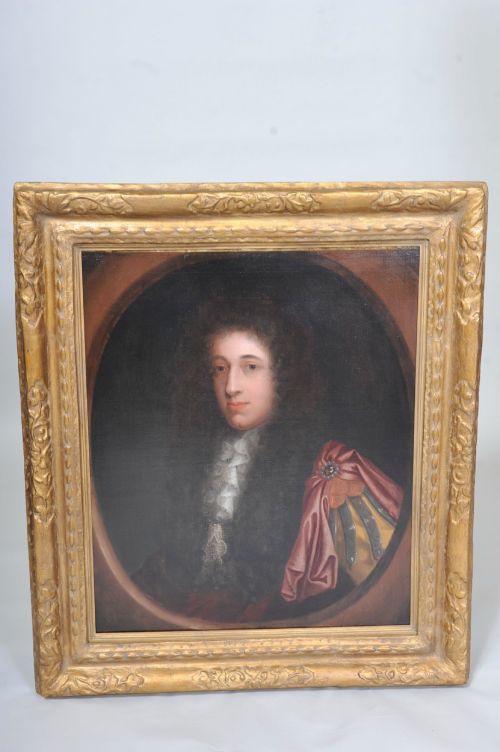
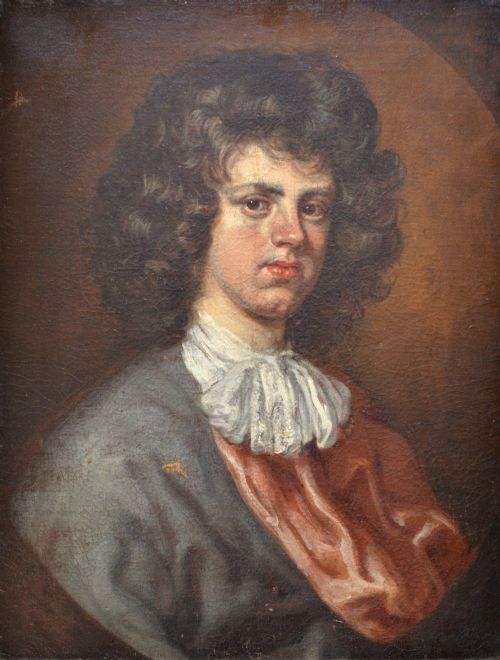
A dark canvas portrait painting brings deep mood and historic presence to a room, offering rich shadows and striking character studies.
Identifying dark canvas portrait painting works
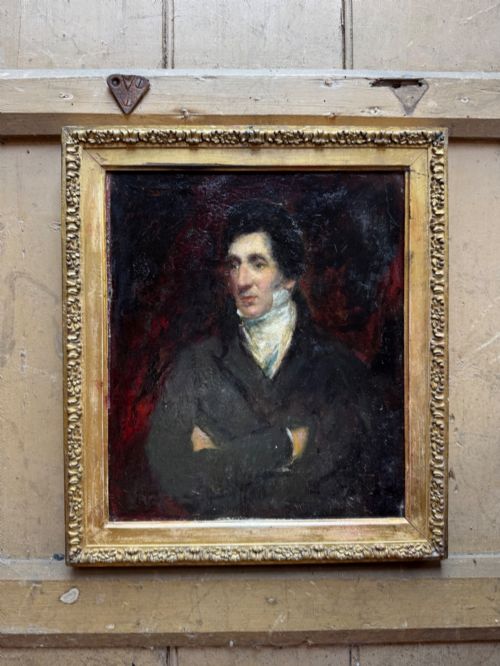
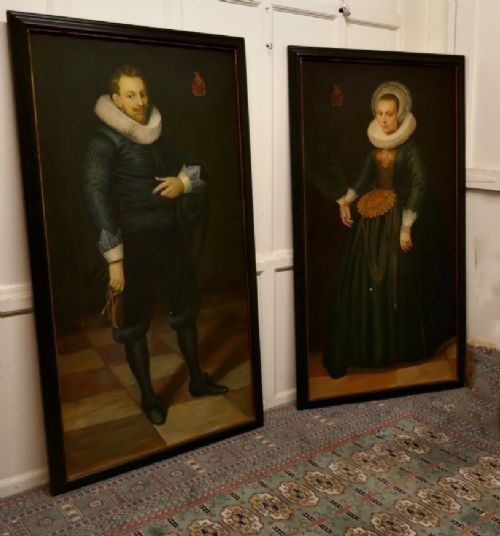
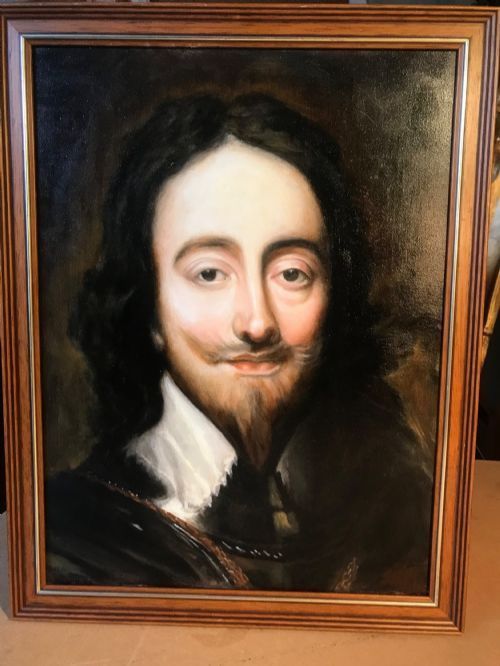
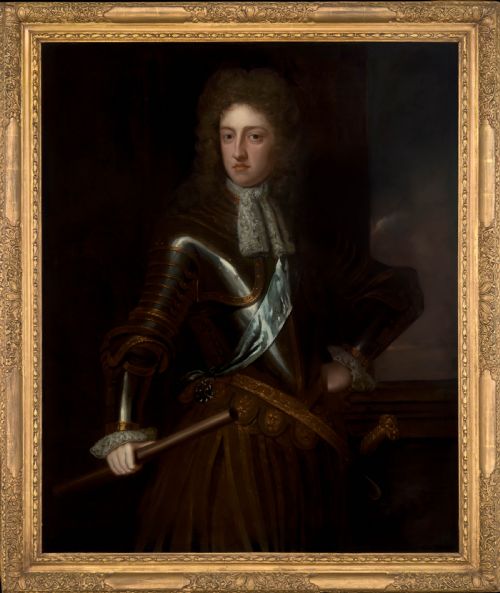
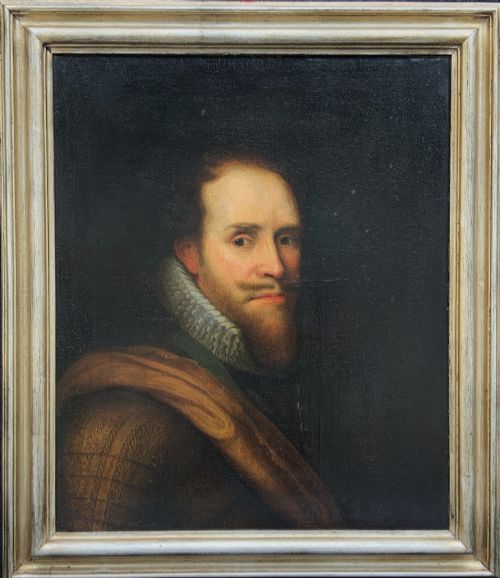
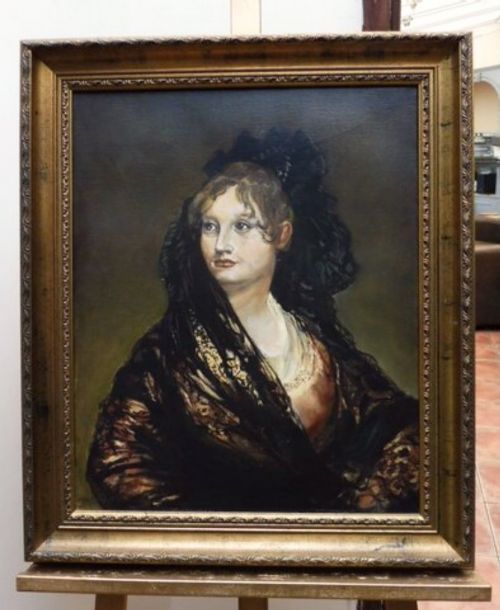
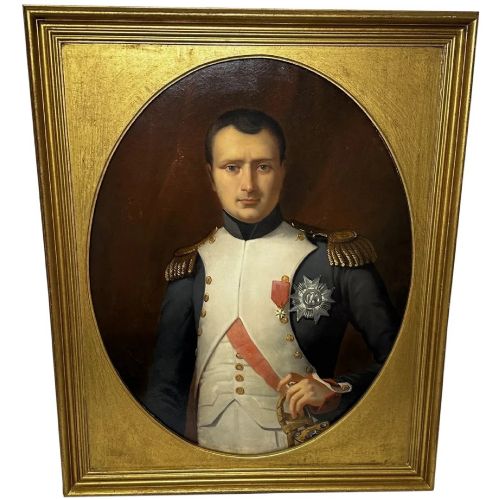
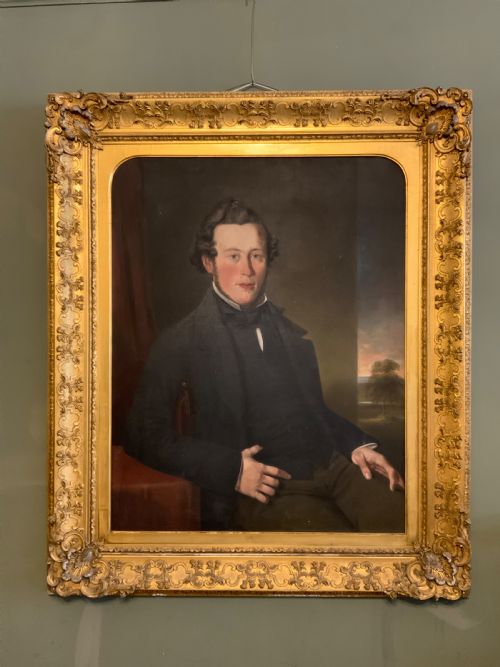
A dark canvas portrait painting captures figures from past centuries against moody, shadowed backgrounds using traditional oil techniques. These works range across the eighteenth century and nineteenth century, including Victorian pieces.
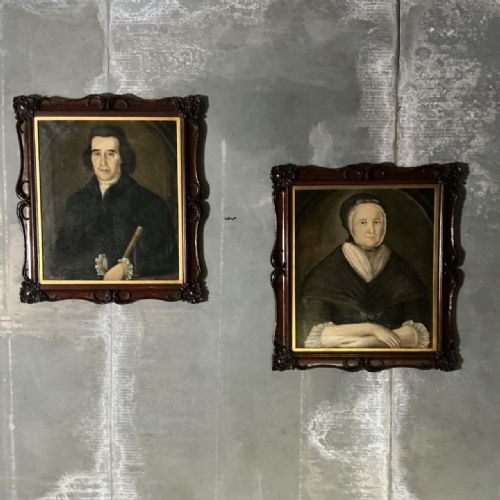
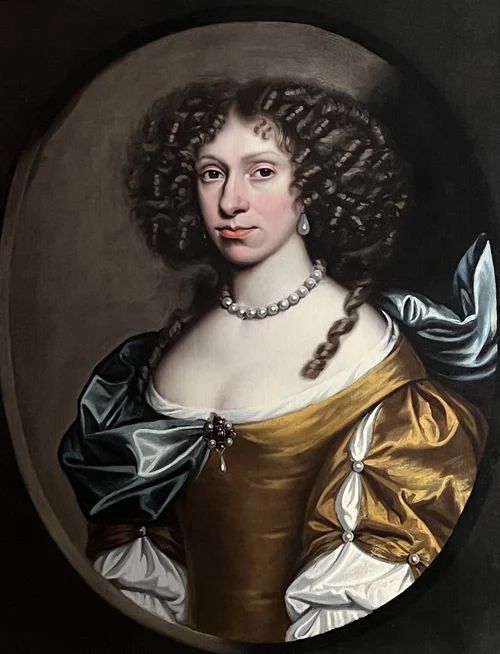
The subjects depicted include gentlemen, clergymen, and nobility, often painted in styles such as Flemish Baroque and nineteenth century Romanticism. Surviving examples demonstrate the enduring appeal of deep tonal palettes and dramatic lighting.
Buyers encounter oil paintings on canvas framed in wood and giltwood, reflecting diverse European origins from British to Venetian circles. Each dark canvas portrait painting offers a direct window into historical portraiture.
Materials and construction
Makers applied oil paint directly onto stretched canvas surfaces, building up rich layers of pigment to achieve deep shadows and luminous highlights. This traditional medium allowed artists to work slowly, blending tones to create subtle transitions across the subject's face and clothing.
Finished works were typically housed in wooden frames, frequently enhanced with gold leaf and giltwood to complement the dark tones of the painting within. The combination of durable canvas and stable oil binders ensured these portraits survived across centuries.
Retail Price Guide 2026
Typical UK retail prices for dark canvas portrait painting, calculated from the Sellingantiques database of over a million retail prices indexed since 2003. This retail price guide relies exclusively on Sellingantiques data; no external sources or auction records are used, so the figures do not describe the wider market.
Even grumpy nineteenth century clergymen look distinguished when framed in gleaming giltwood.
Assessing visual quality
Quality rests in the handling of light and shadow, where superior brushwork defines facial structure and fabric with depth rather than flat darkness. Masterful control of tone distinguishes ambitious academic or follower pieces from simpler decorative works.
The sophistication of the sitter's presentation and the integrity of the original canvas and stretcher frames elevate a piece. Provenance, such as royal collections or exhibition history, marks the upper tier of these historical portraits.
Bertram Priestman RA·August Heinrich Riedell·Pieter Van Bleeck
The Dark Canvas Portrait Painting Glossary
- Oil paint
- A slow-drying medium consisting of pigments suspended in a drying oil, typically linseed. This allowed artists to blend tones seamlessly and achieve deep, rich colours.
- Giltwood
- Wood carved and covered with a thin layer of gold leaf or gold paint. It provides a bright, reflective border that contrasts with dark painted canvases.
- Flemish Baroque
- A Northern European artistic movement characterised by vigorous movement, dramatic lighting, and rich colour palettes. Works in this tradition emphasise strong emotional presence.
- Provenance
- The documented history of ownership of an artwork. A clear lineage helps verify the authenticity and background of historic portraits.
Frequently Asked Questions
Where should I hang a dark canvas portrait painting?
Choose a wall away from direct sunlight and strong heat sources to protect the canvas and oil paint from cracking and fading. Stable indoor humidity levels prevent warping in both the canvas and the wooden frame.
Atmospheric lighting, such as a dedicated picture light, enhances the deep shadows and rich tones characteristic of these works.
How do I identify the period of a portrait?
Clothing styles, hairstyles, and framing techniques offer primary clues for dating historical portraits alongside any recorded provenance. Canvas preparation and stretcher construction also provide physical evidence of age.
Comparing brushwork and compositional style to known academic standards helps narrow down the century of creation.
What does attribution to a circle mean?
Attribution to a follower or circle indicates the work was produced by an artist closely associated with a master's studio or working in their distinct style. These pieces reflect the techniques and aesthetic of a well-known painter without being their direct hand.
Such works offer collectors access to high-tier artistic traditions from specific historical periods.