


Dark Brown Games Table
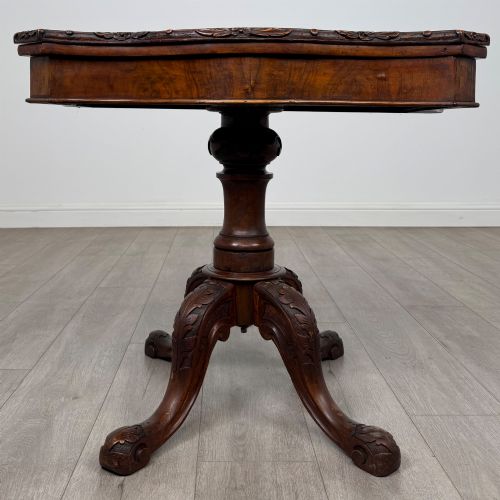
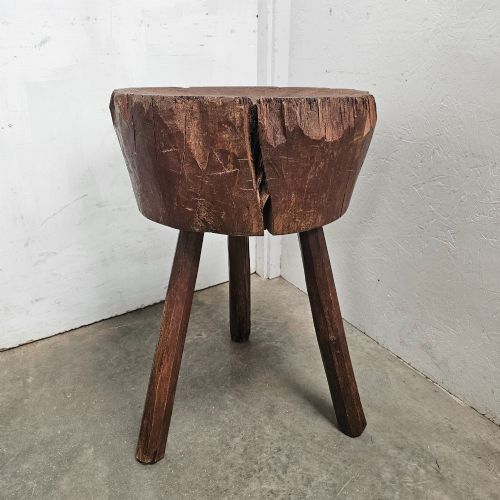
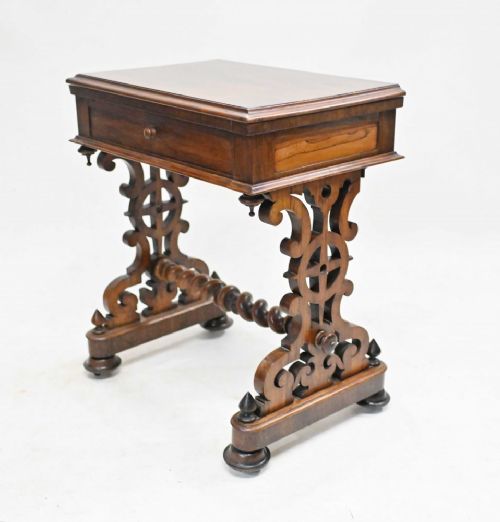
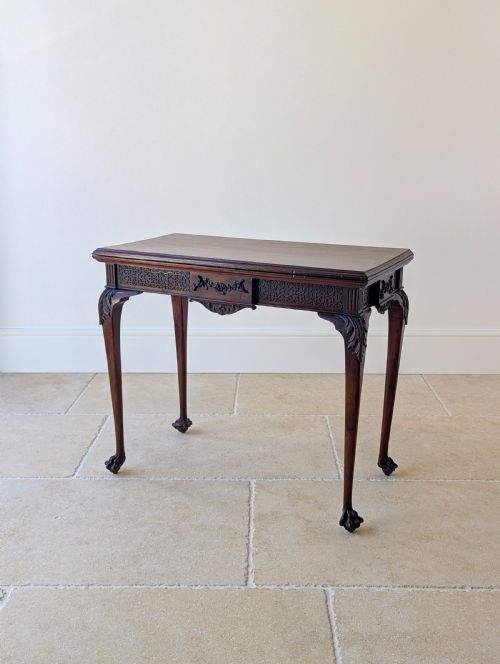
A dark brown games table provides a folding surface for play, built in mahogany, rosewood, walnut and oak across Georgian and Victorian periods.
Dark Brown Games Table
A dark brown games table brings centuries of social pastimes into a modern room through folding timber surfaces designed for cards, chess or backgammon.
You meet mahogany and rosewood examples most often on this page, spanning George II, George III, Regency and Victorian eras alongside Edwardian pieces.
Many items double as tea tables or occasional side tables, utilising fold-over tops and concealed storage compartments to save space when not in use.
How they were made
Cabinetmakers constructed these tables from dense timbers like mahogany, walnut and rosewood, often figuring the grain for visual depth on the folding top.
Brass mounts, hinges and inlaid details reinforced the structural joins and supported pivoting leaves designed to rotate and unfold.
Listings feature timbers including mahogany, rosewood, walnut and oak across Georgian, Regency and Victorian periods.
What varies in quality
Quality rests in the crispness of the carved mouldings, the selection of figured timber veneers and the original patina built upon the wood over generations.
The precision of the folding mechanism and the stability of the support base, whether a pedestal, lyre or cabriole leg, determine the standard of the piece.
Gillows·William Trotter·George Bullock
The Dark Brown Games Table Glossary
- Card table
- A folding table designed specifically for playing card games, featuring a baize or timber playing surface when opened.
- Fold-over top
- A hinged table top that doubles the surface area when unfolded and rested upon a pivoting leg or gateleg frame.
- Demi-lune
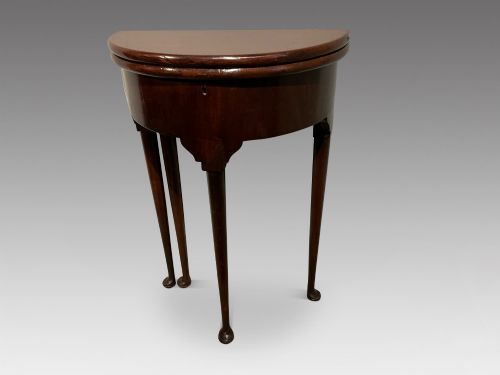
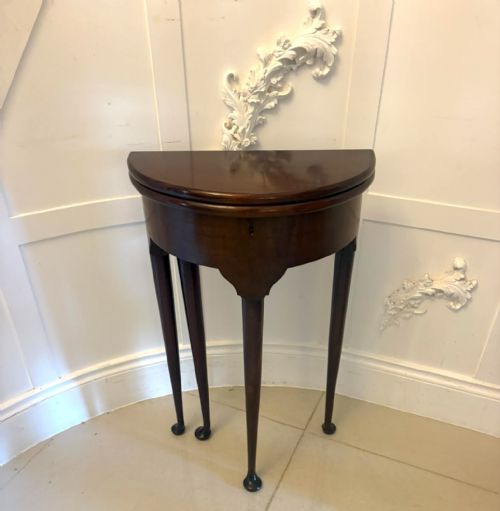
- A half-moon shape common in side and card tables designed to sit flush against a wall when closed.
- Patina
- The surface sheen and colour developed on antique timber through decades of handling, polishing and natural ageing.
- Serpentine
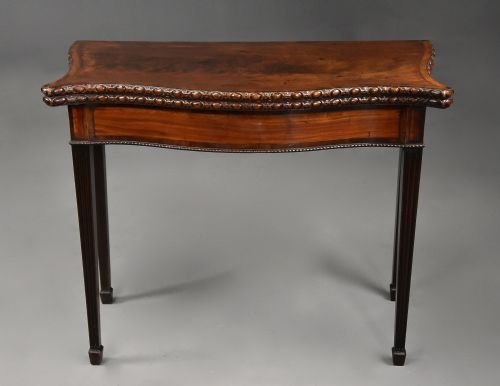
- A gently curved table edge featuring alternating concave and convex sweeps, popular in Georgian and Victorian cabinetmaking.
Dark Brown Games Table: Frequently Asked Questions
How do I use a folding games table daily?
These pieces adapt easily as lamp tables or occasional side furniture when the leaves remain closed against the wall.
Opening the top reveals a generous surface suitable for board games, writing or displaying objects.
What is the difference between a tea table and a games table?
Tea tables typically feature plain timber tops designed to hold porcelain, while games tables often incorporate lined interiors for cards or inlaid boards for chess.
Many examples perform both functions depending on the period and the specific design of the folding leaf.
How do I date a mahogany games table?
Dating relies on observing the leg styles, such as cabriole legs with pad feet for George II pieces or slender tapered legs for George III examples.
Cabinetmaking techniques, timber choices and brass hardware styles also help pinpoint whether a piece originates from the Georgian, Regency or Victorian era.
Where should I place a rosewood games table?
Position the closed table against a hallway or living room wall as a console or demi-lune side table to showcase the figured grain.
Keep the timber away from direct heat sources and strong sunlight to protect the rich brown rosewood finish.