


Dark Brown Bureau
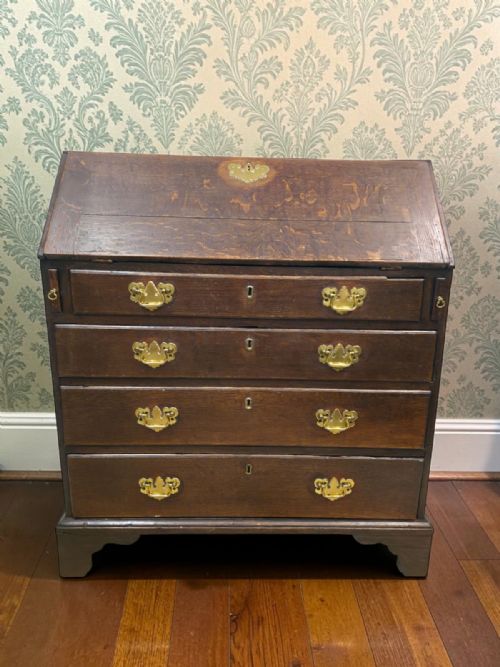
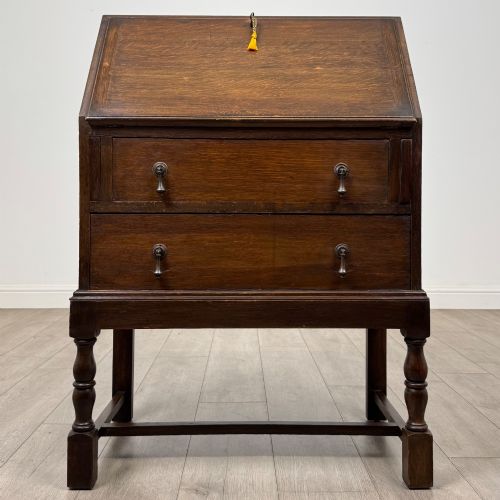
A dark brown bureau provides a practical writing surface paired with concealed compartments, appearing across periods from the seventeenth century to the twentieth.
Dark Brown Bureau
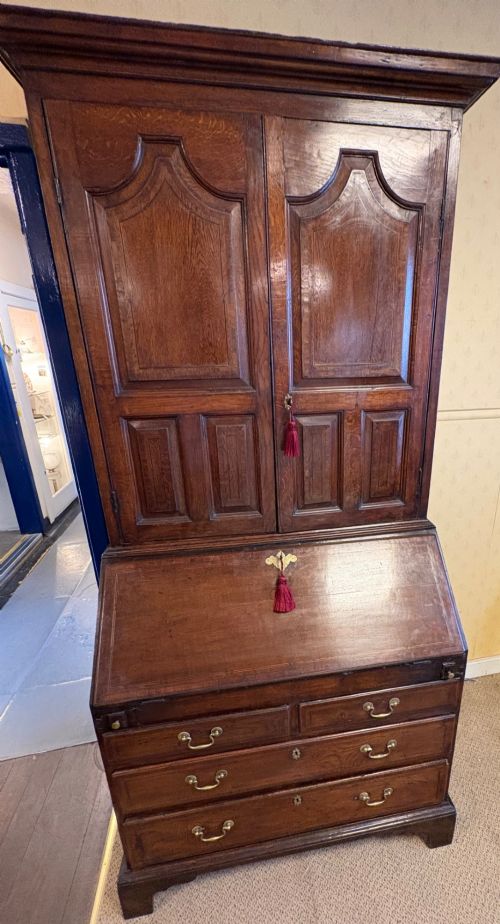
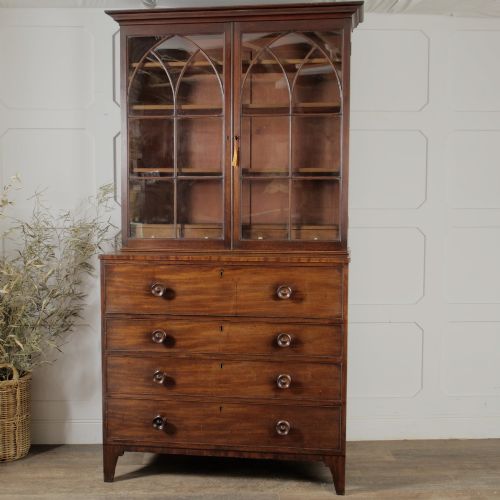
A dark brown bureau encompasses fall-front writing desks, secretaire bookcases, and bureau bookcases designed for domestic correspondence and document storage.
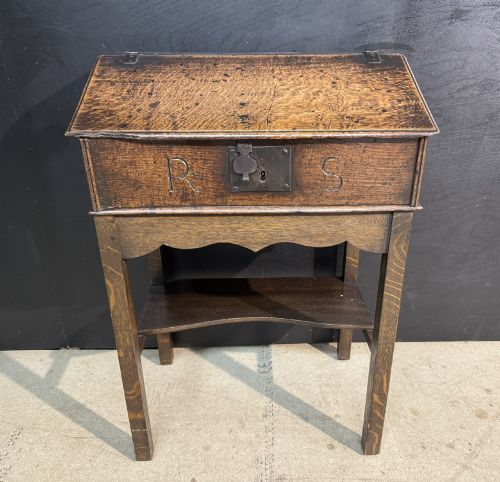
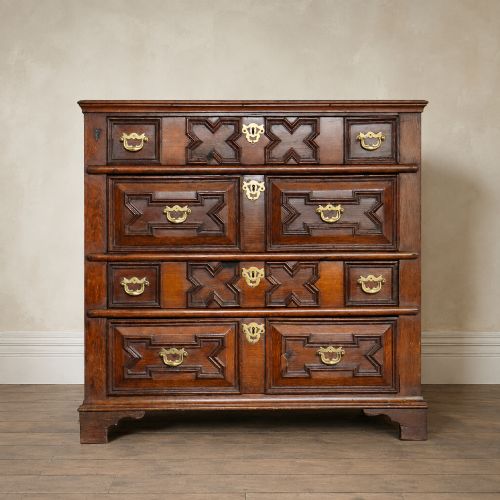
The pieces on this page span the seventeenth, eighteenth, and nineteenth centuries, alongside Edwardian and 1920s examples.
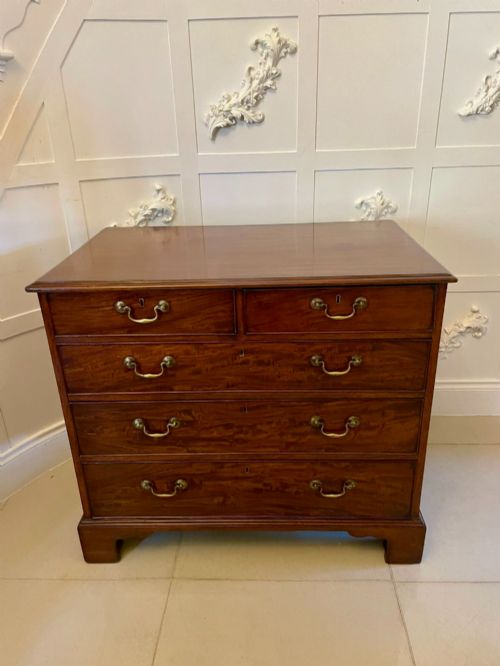
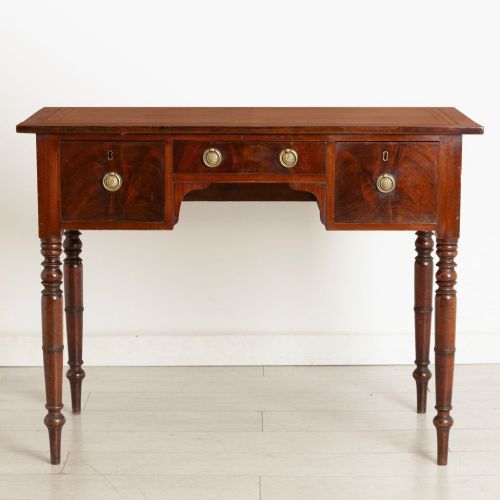
Oak and mahogany dominate the forms, supplemented by writing slopes, chests of drawers, and cylinder desks sharing similar dark tones.
Judging quality
Distinctions in quality arise from timber selection, the crispness of mouldings or carved elements, and the retention of original handles and leather inserts.
Proportion and structural balance separate standard utilitarian pieces from finer cabinetwork produced in Georgian and Regency workshops.
The complexity of internal fittings, such as stepped drawers within a bureau bookcase, indicates the original ambition of the maker.
Listings span from the seventeenth century through the Edwardian era, featuring oak, mahogany, and pine with brass and leather details.
The Dark Brown Bureau Glossary
- Bureau
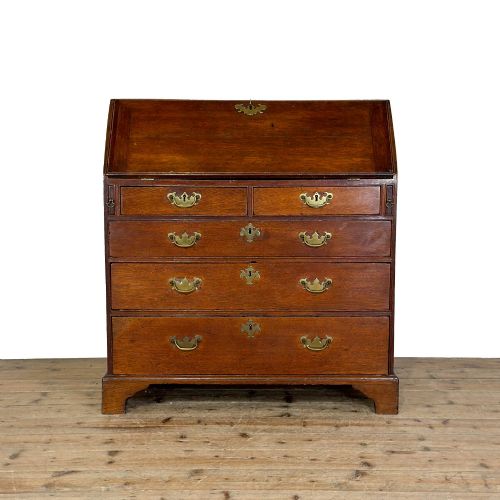
- A desk featuring a sloping hinged flap that opens to reveal compartments and small drawers for writing. Early examples date to the seventeenth and eighteenth centuries.
- Secretaire bookcase
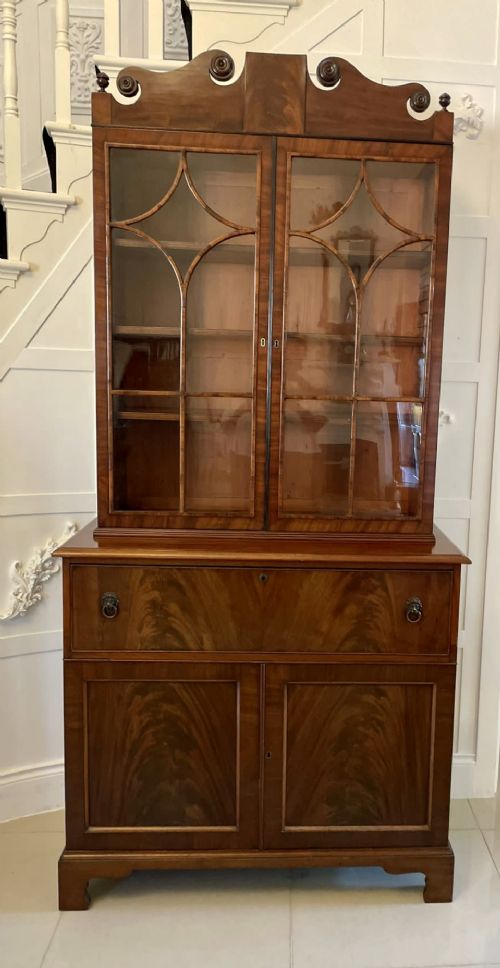
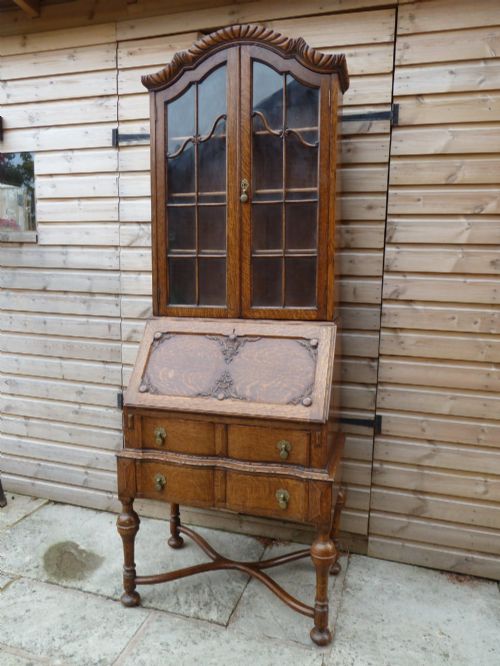
- A tall cabinet combining a bookcase top with a fitted writing drawer or drop-front desk section. These units frequently appear in mahogany from the Regency and Victorian periods.
- Fall front
- A hinged writing flap that lowers to a horizontal position for use. It conceals the interior pigeonholes and drawers when closed.
- Step interior
- A tiered arrangement of small internal drawers within a bureau. This feature allows for the organised storage of papers and correspondence.
- Scumble paint
- A decorative translucent paint finish applied over a base coat to imitate wood grain. It appears on pine pieces from the turn of the twentieth century.
Dark Brown Bureau: Frequently Asked Questions
How do I use a bureau daily?
Lower the hinged fall-front flap to create a stable writing surface while keeping stationery organised in the internal pigeonholes.
Close the flap when not in use to conceal writing materials and maintain a tidy room.
What is a secretaire bookcase?
A secretaire bookcase combines upper shelving for books with a pull-down or drop-front writing desk compartment in the middle section.
These combination pieces offer both display space and a concealed workspace within a single tall cabinet.
How can I tell the period?
Examine the primary timber, hardware style, and construction methods to determine the era of manufacture.
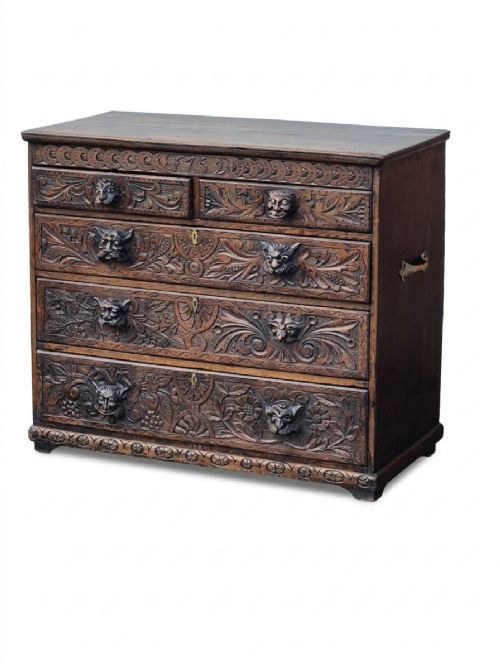
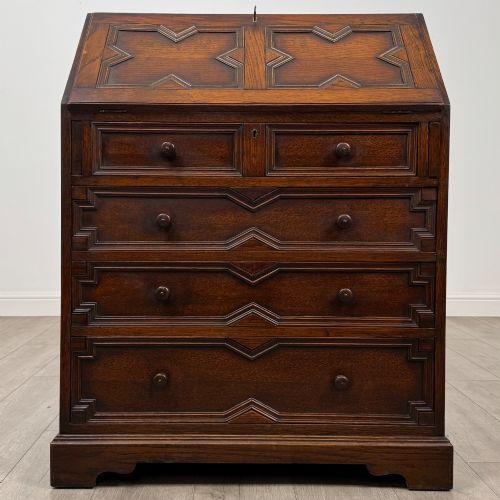
Seventeenth-century examples often feature geometric oak mouldings and carvings, while Georgian and Regency pieces rely on refined mahogany proportions.
What wood types are used?
Oak and mahogany form the vast majority of the listings, supplemented by occasional pine finished in brown scumble paint.
Secondary materials include brass for handles and locks, leather for writing surfaces, and glass for bookcase doors.