

Dark Brown Accent Chair
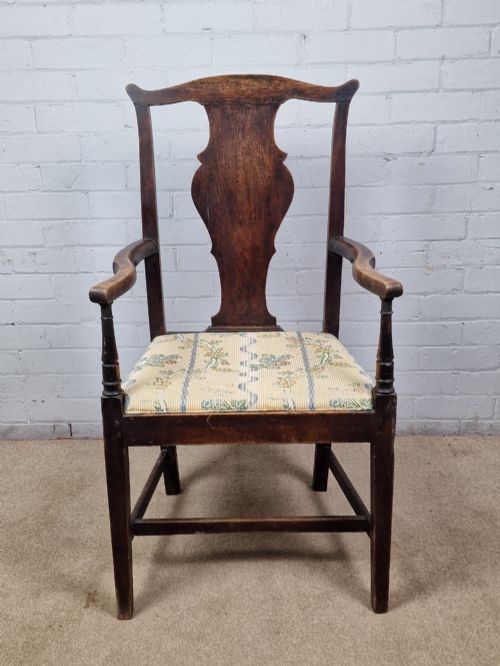
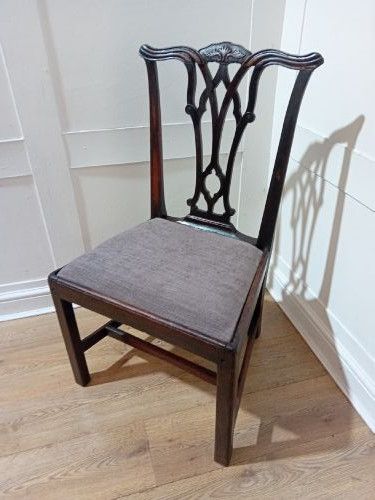
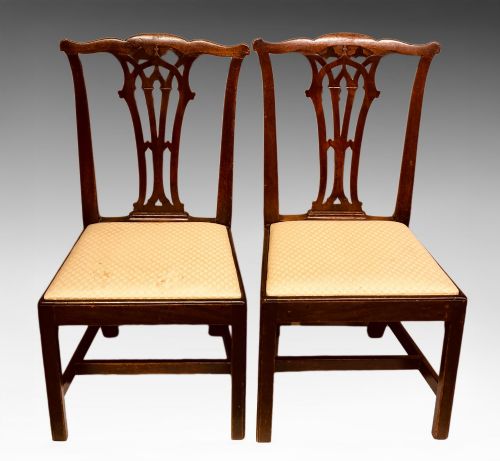
These dark brown accent chair examples combine period timber frames and rich upholstery to anchor a room with substance.
Dark Brown Accent Chair
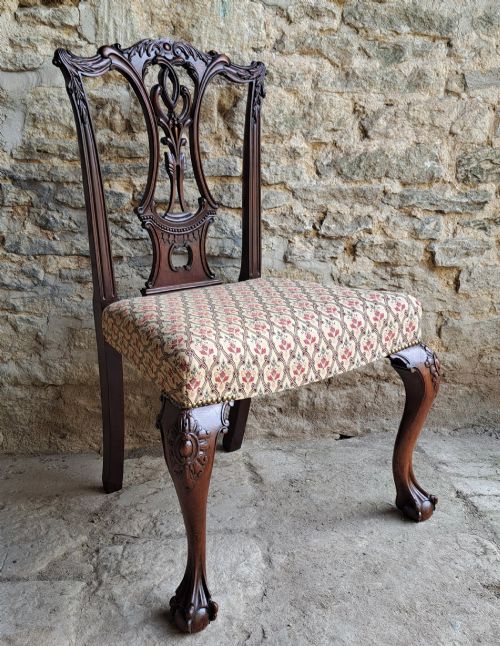
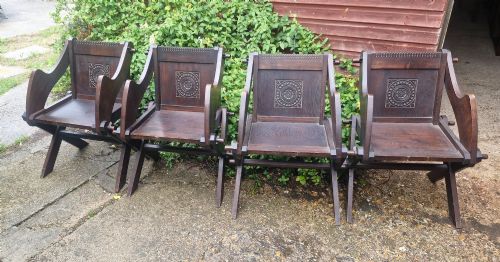
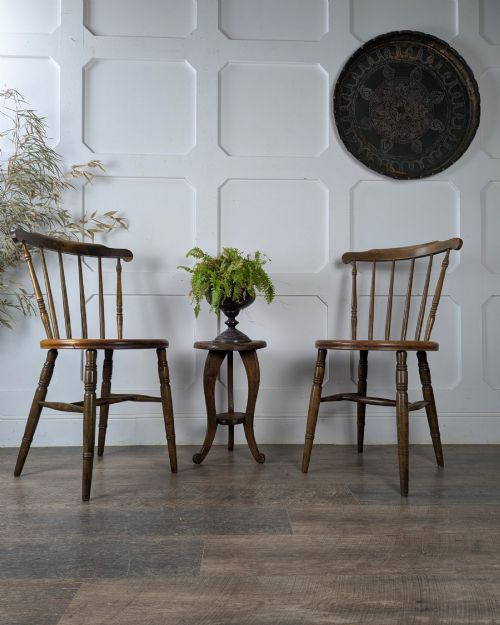
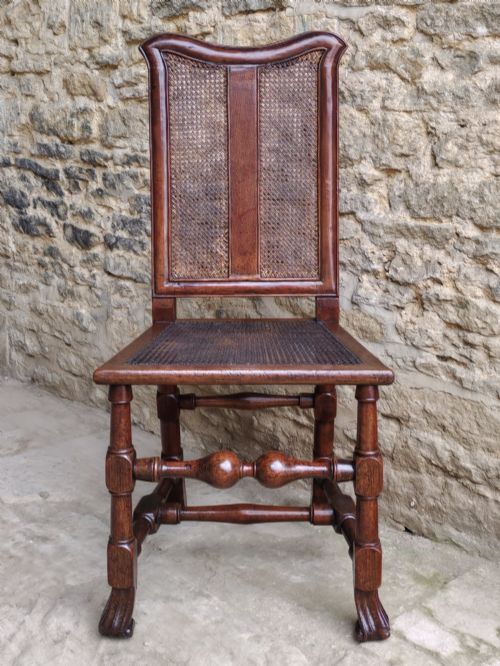
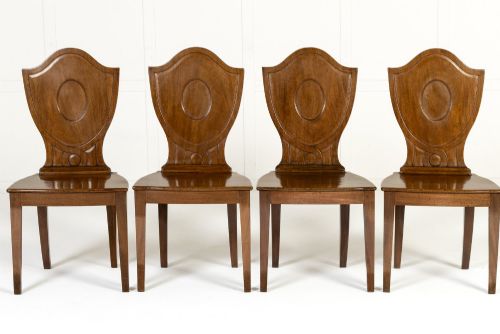
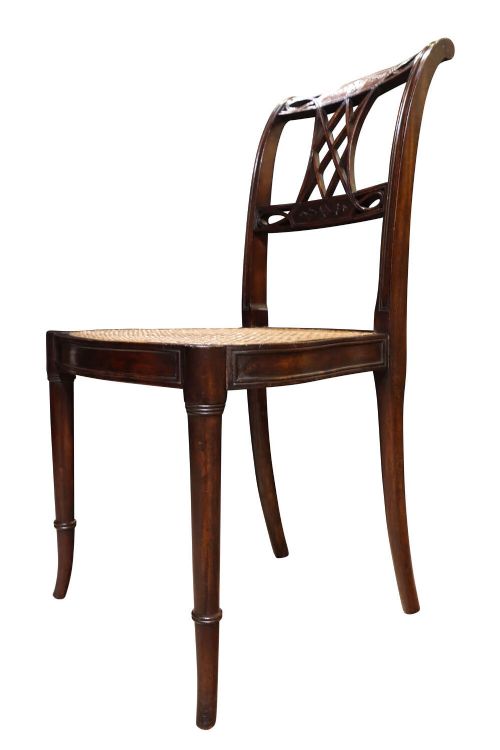
A dark brown accent chair brings historic timber tones and practical seating together, drawing from centuries of cabinet-making traditions. When searching for a dark brown accent chair, buyers encounter diverse forms ranging from solid oak wainscot seats to mahogany side chairs and low bedroom designs.
The selection spans centuries of design, encompassing Georgian mahogany frames, Victorian leather armchairs, and Edwardian spindle-back seating. Walnut, oak, and mahogany provide the deep brown foundations that define these pieces.
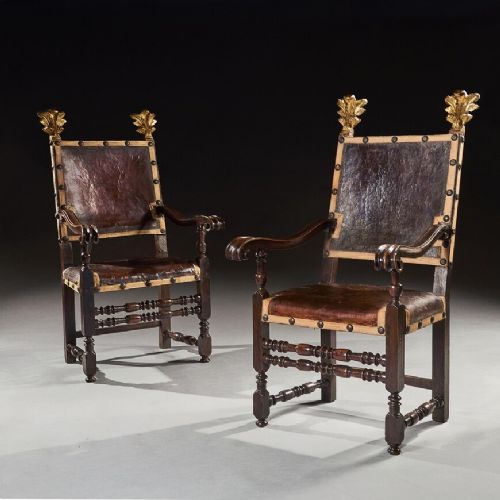
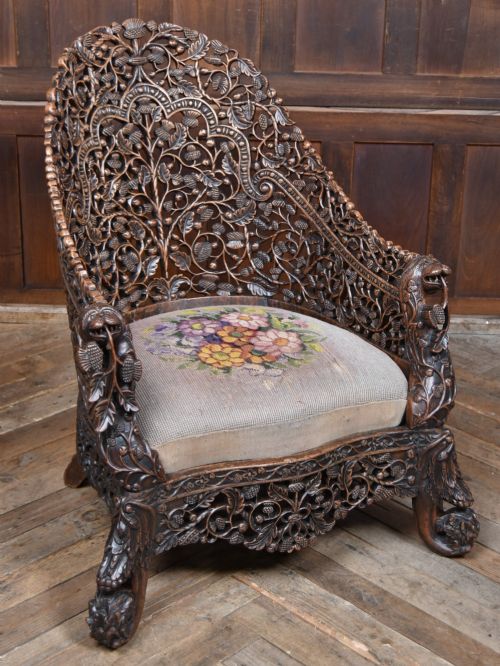
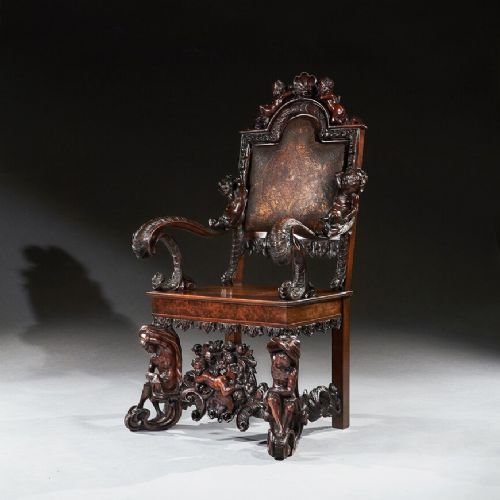
Makers utilised rich natural woods and dark finishes to create focal points within domestic spaces. Pieces vary from simple country windsor chairs to ornate revival styles influenced by Chippendale and Italian Baroque traditions.
Materials and construction methods
Makers constructed these chairs primarily using dense hardwoods such as oak, mahogany, walnut, and elm. These timbers were selected for their structural strength and deep natural colour.
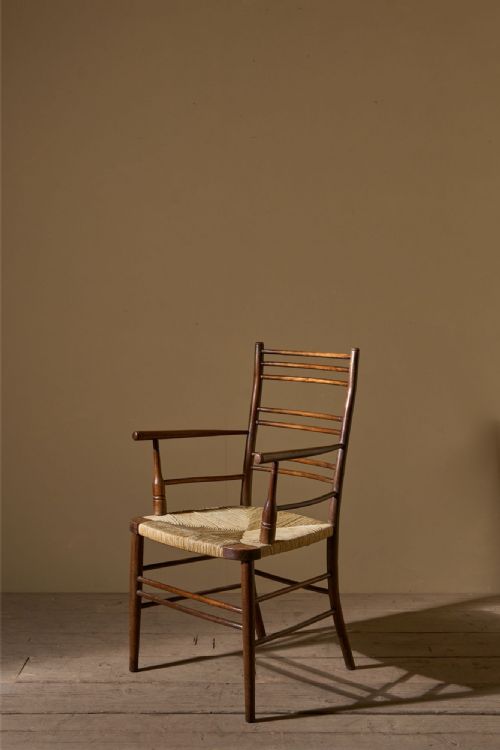
Joinery methods relied on traditional mortise and tenon joints, complemented by turned spindles, carved details, and occasional brass or ormolu mounts. Seats incorporated fitted wooden panels, woven rush, cane, or upholstered leather.
Surface treatments involved natural wax, polish, and oil finishes that emphasised the dark grain of the wood. Carving, parquetry, and parcel-gilding added decorative depth to walnut and kingwood frameworks.
Spinning chairs were built low to the floor so village women could work their drop spindles without getting tangled in yarn.
Distinctions in quality and execution
Quality rests in the crispness of the timber carving and the integrity of the original joinery. Fine examples demonstrate precise hand-carved ornamentation and balanced proportions that reflect rigorous workshop standards.
The choice of materials dictates the standing of the piece, with exhibition-grade walnut and finely figured mahogany achieving greater refinement than utility grades. Original surface patination and intact structural components elevate the status of older seating.
Andrea Brustolon·E W Godwin
The Dark Brown Accent Chair Glossary
- Turner's chair
- A sturdy chair constructed from turned wooden posts and rails, often featuring a triangular seat. This form dates back to medieval traditions and saw revival periods during the nineteenth century.
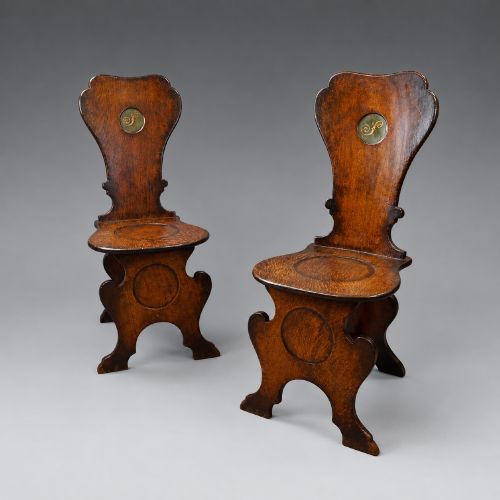
- Hall chair
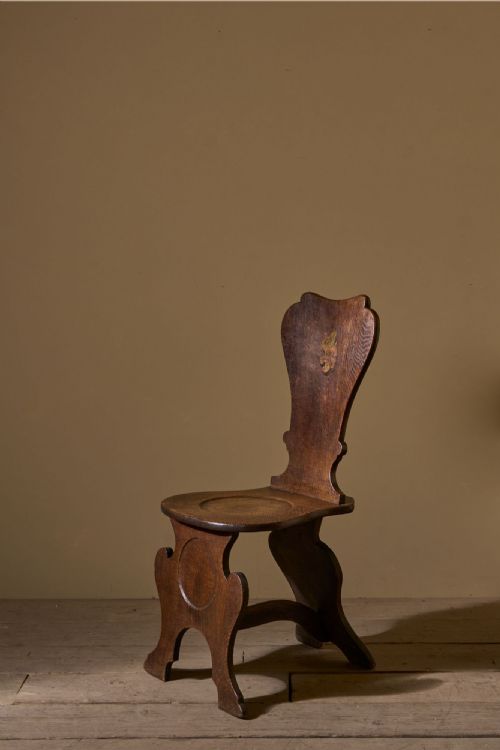
- A rigid wooden seat designed for an entrance hallway, frequently featuring a carved or painted family crest on the back. These chairs prioritised formal appearance over cushioned comfort.
- Windsor chair
- A wooden seat featuring a heavy saddle-shaped wooden base into which radial spindles and legs are wedged. Elm and ash were common timbers used for this vernacular form.
- Parquetry
- A geometric mosaic of wood pieces used for decorative surfacing on furniture. Craftsmen applied contrasting timber veneers to tabletops and chair backs.
- Carver chair
- An armchair designed in a similar style to a set of dining side chairs, usually positioned at the head of a table. The term distinguishes the armed seat from its companion side chairs.
Dark Brown Accent Chair: Frequently Asked Questions
How do I date a wooden chair?
Dating relies on examining tool marks, timber choice, and construction techniques visible beneath the frame. Joinery methods changed significantly from hand-sawn eighteenth-century joints to later industrial manufacturing.
Secondary woods and wear patterns around the feet also provide reliable clues regarding the exact period of manufacture.
Where should I place an accent chair?
These chairs function effectively in corners, libraries, or bedrooms where a distinct timber profile adds architectural weight. Their dark wood tones complement neutral wall colours and traditional interiors.
Pairing a historic armchair with simpler modern furnishings creates a balanced contrast within a living space.
Are rush and cane seats durable?
Woven rush and cane provide resilient seating surfaces when maintained with proper humidity levels and gentle cleaning. Original woven elements require careful use to prevent snapping.
Many period pieces retain their historic woven panels, while others have undergone professional re-weaving over time.