
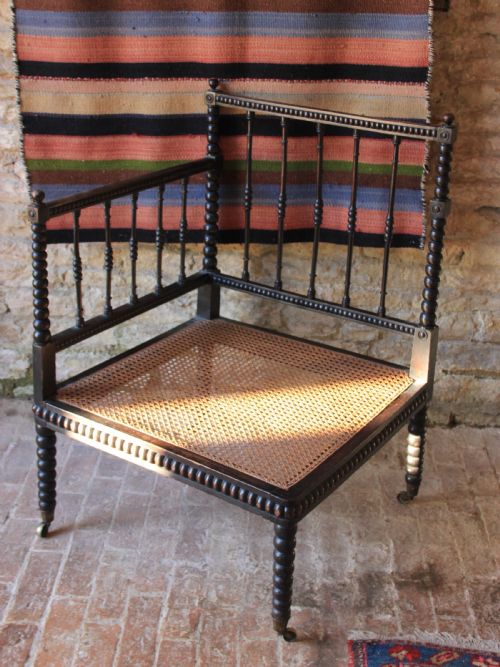
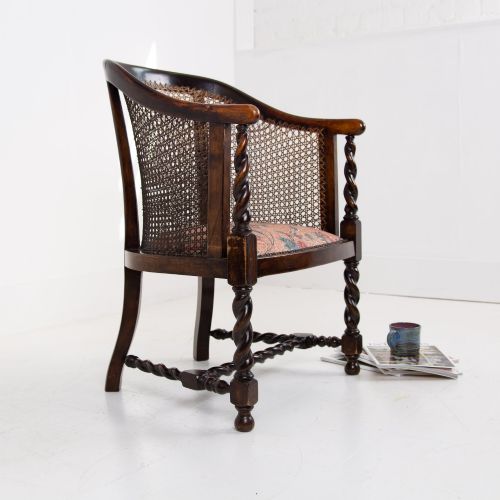
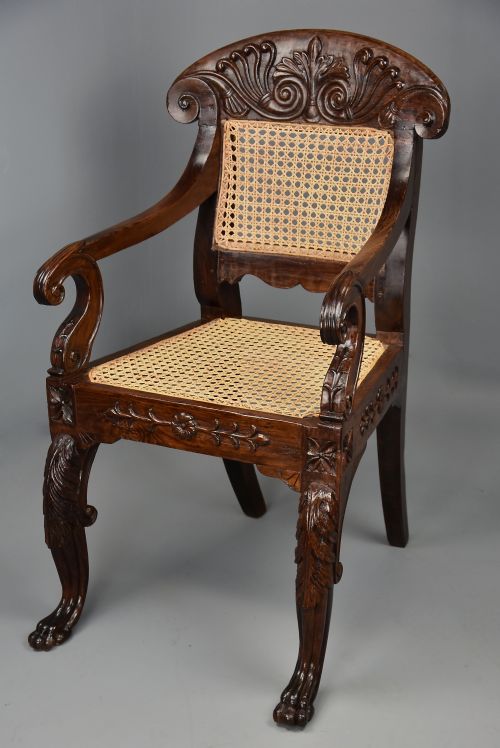
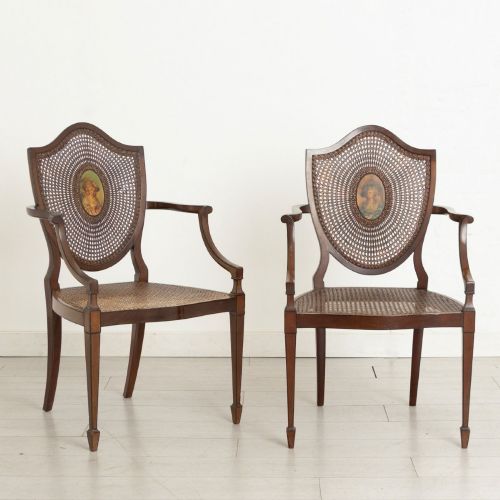


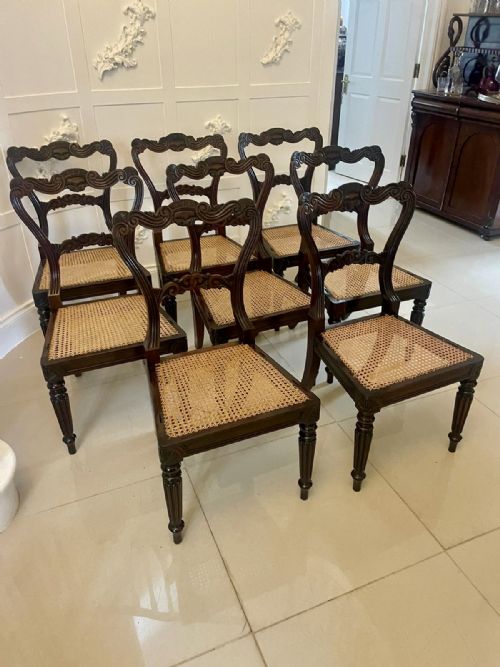
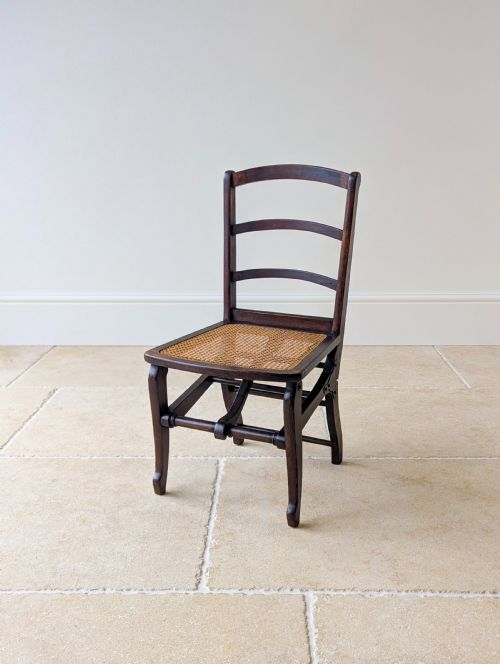
Dark Wood Cane Chair
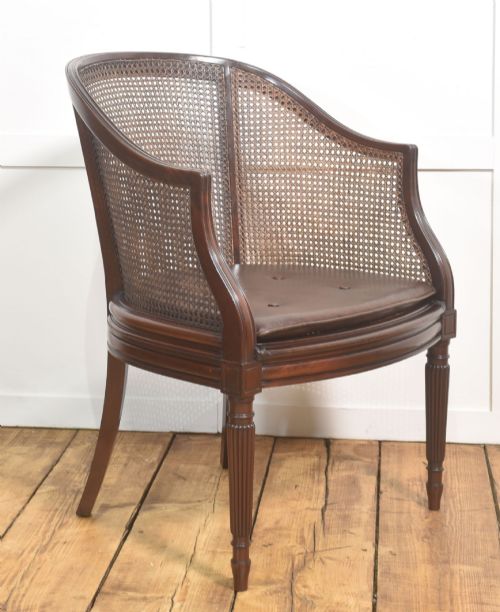
A dark wood cane chair brings warmth and texture to a room through rich timber frames and woven seating.
Dark Wood Cane Chair
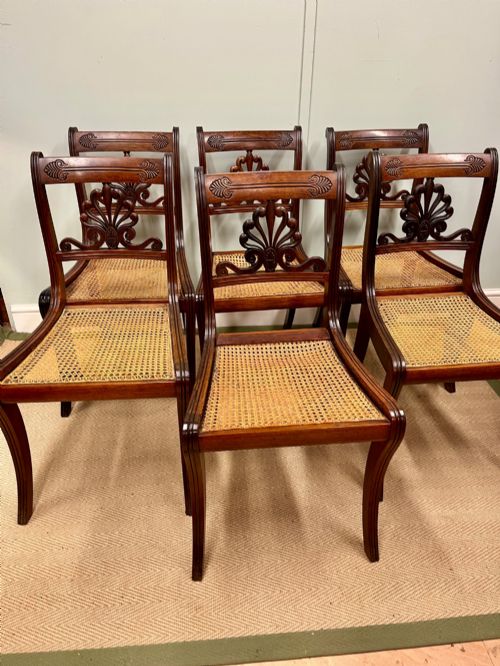
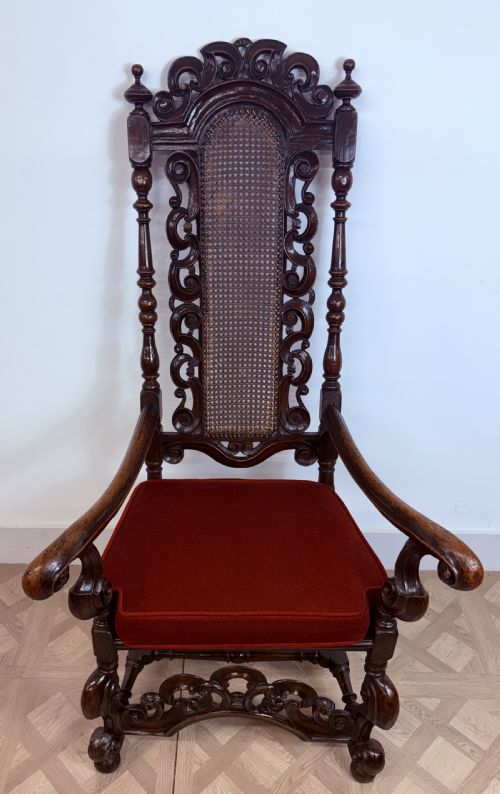
The pieces on this page span the Georgian, Regency, Victorian, and Edwardian periods, alongside revival styles like Jacobean and Carolean. Dining chairs appear individually and in sets, while armchairs and bergères provide deeper comfort with woven backrests.
Makers utilised both native hardwoods and exotic timbers, sometimes applying simulated finishes or brass inlay to elevate the design. These chairs serve functional seating roles while displaying the distinct cabinetry traditions of their respective eras.
Materials and Construction
Makers built the frames of these chairs using dense hardwoods like mahogany, rosewood, oak, and beech, often selecting dark natural grain or applying painted and simulated rosewood finishes. Joinery relied on traditional techniques such as mortise and tenon to ensure rigid stability across dining chairs, rocking chairs, and armchairs.
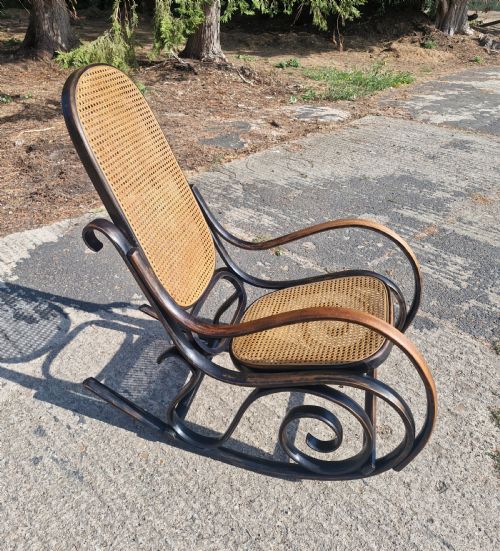
Cane panels and seats were hand-woven through pierced holes along the wooden rails, providing a flexible and breathable surface. Additional decorative elements included brass inlay, hand-carved details, turned bobbin framing, and bentwood steam-forming for specialised rocking and bistro forms.
Dark Wood Cane Chair Retail Price Guide 2026
Typical asking prices for dark wood cane chair among the pieces listed under this phrase on Sellingantiques today, from the lower quarter to the upper quarter. They describe what is for sale here now, not the wider market.
Listings feature dining chairs in sets alongside individual armchairs, rocking chairs, and folding campaign seats across the nineteenth and early twentieth centuries.
Assessing Quality and Craftsmanship
Quality rests in the selection and preparation of the timber, where dense grain and well-matched sets of dining chairs indicate superior workshop output. Finishes applied to the wood, from original painted decoration to polished rosewood, show the care taken during initial production.
The condition and execution of the woven cane work separate standard examples from finer pieces, particularly where intricate bergère panels follow the curves of an armchair. Frame construction integrity, visible in tight joints and precise turning, dictates how well a chair survives centuries of daily use.
Gillows·Thonet
The Dark Wood Cane Chair Glossary
- Cane
- A material derived from the peeled stem of the rattan palm, woven into open mesh patterns for chair seats and backrests. It offers a resilient, supportive surface that flexes with weight.
- Bergère
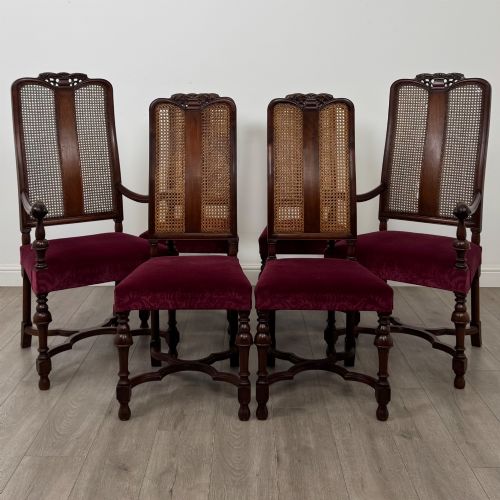
- An enclosed upholstered or caned armchair with solid wooden sides, originating in France during the eighteenth century. These chairs often feature rounded backs and cane panels on both back and arms.
- Carver
- An armchair designed to match a set of single dining chairs, traditionally placed at the head of a dining table. They feature supportive armrests integrated into the upper frame.
- Bobbin
- A style of furniture turning that resembles a string of spools or bobbins joined end to end. This decorative turning technique appears on the uprights and legs of seventeenth-century revival and nineteenth-century pieces.
- Campaign chair
- Portable folding furniture designed for military officers and travellers during the nineteenth century. These chairs utilise hinged frames and collapsible parts for ease of transport.
Dark Wood Cane Chair: Frequently Asked Questions
How do I identify a Regency period chair?
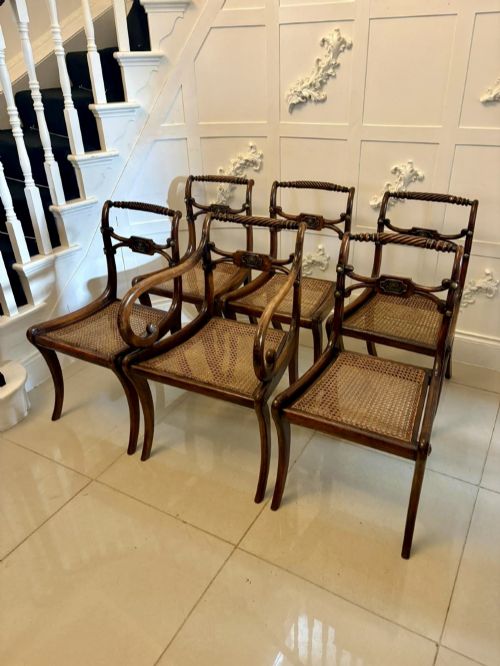
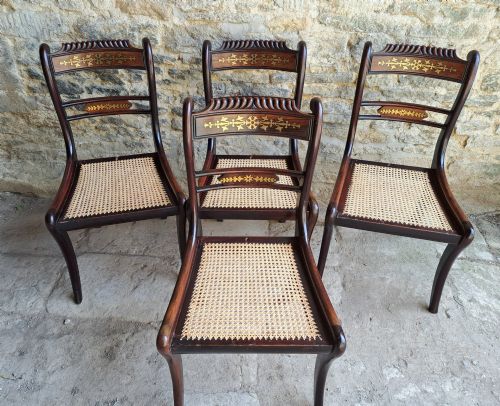
Regency chairs often display classical influences, incorporating dark timbers like rosewood, brass inlay, and simulated wood finishes.
Look for sabre legs, carved rope details, and refined proportions that reflect the early nineteenth-century neoclassical taste.
Can I use a cane seated chair every day?
Historic cane seats possess surprising strength and flexibility, making them suitable for regular seating if treated with care.
Avoid placing excessive localized weight on the mesh, and maintain humidity levels to keep the natural rattan from becoming brittle.
How should I clean antique cane?
Dust cane panels gently with a soft brush to remove debris from the woven interstices.
Periodically wipe the cane with a damp cloth and allow it to dry completely to maintain moisture in the natural fibres.