


Carolean Period Accent Chair
A carolean period accent chair brings robust seventeenth-century craftsmanship and dynamic carved detail into any room.
Carolean Period Accent Chair
A carolean period accent chair connects your interior directly to the late seventeenth century, specifically spanning the Restoration and Charles II eras. When you search for a carolean period accent chair, you encounter sturdy side chairs, open armchairs, and wainscot forms produced from the seventeen hundreds backward into the mid-century. Walnut, oak, and beech dominate these survivals, frequently paired with cane inserts or early textiles.
Most examples appearing on this page date from the seventeenth century, incorporating regional British craftsmanship such as joined oak construction from South Yorkshire. You will also discover occasional pieces reflecting the Carolean taste produced slightly later, including painted walnut versions from distant regions. These seating options served formal and domestic spaces alike, functioning today as striking focal points.
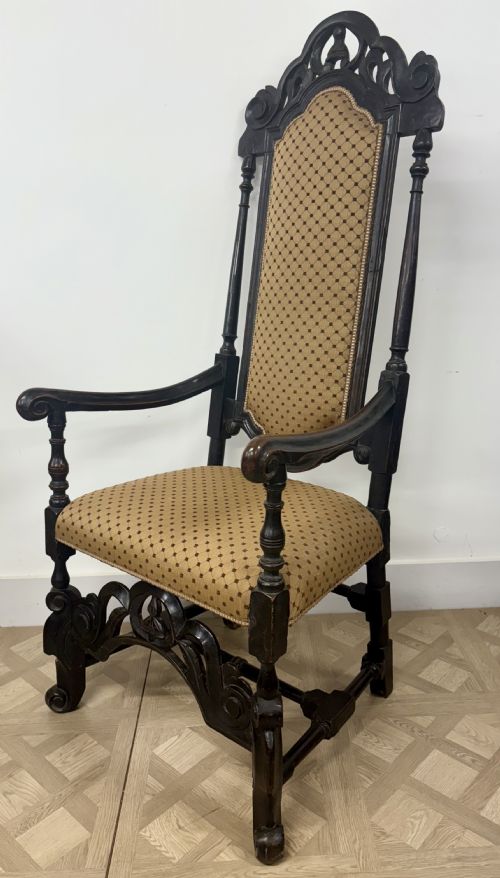
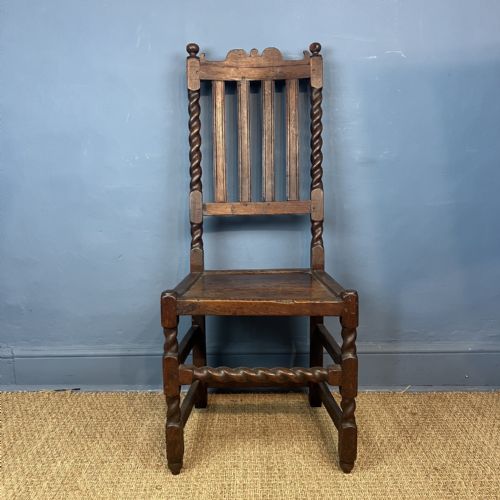
The silhouettes rely heavily on turned supports, carved cresting rails, and high backs designed to display status. Whether configured as a sturdy side chair or an open armchair, each piece demonstrates the transition from heavier Jacobean proportions to lighter, more ornate Restoration aesthetics. Identifying the correct period involves looking closely at the timber choice and the depth of the hand-carved motifs.
Materials and construction
Cabinetmakers of the seventeenth century relied on solid native timbers, predominantly oak and walnut, complemented by beech for specific turned components. These woods were joined using traditional pegged mortise and tenon joints designed to withstand decades of heavy daily use. Surfaces were often left with a natural waxed finish or occasionally painted, depending on regional workshop practices.
Caning was frequently integrated into backs and seats to offer lighter weight and decorative texture alongside solid wooden panels. Skilled carvers decorated the crest rails and stretchers with pierced foliage, scrolls, and crown motifs characteristic of the Restoration style. Every component was shaped by hand using drawknives, chisels, and lathes, leaving subtle tool marks visible upon close inspection.
Listings feature pieces spanning the seventeenth and eighteenth centuries, constructed primarily from oak, walnut, and beech with cane and textile elements.
Factors determining quality
The standard of carving defines the distinction between standard provincial output and exceptional metropolitan craftsmanship. Finer chairs exhibit deeply undercut foliage, crisp scrollwork, and symmetrical turning on the legs and stretchers, whereas lesser pieces show shallower, more hurried chisel work.
Integrity of the timber and the survival of original structural joints heavily influence desirability. Pieces retaining their primary oak or walnut frames without extensive timber replacement command greater appreciation among collectors focused on authentic seventeenth-century domestic seating.
The Carolean Period Accent Chair Glossary
- Carolean
- Pertaining to the reign of King Charles II from sixteen sixty to sixteen eighty-five, characterised by lavish carving, scrolled details, and French influence.
- Cane
- Strips of rattan woven into a tight mesh pattern to form lightweight backrests and seat panels on seventeenth-century chairs.
- Joined oak
- Furniture constructed using interlocking mortise and tenon joints secured with wooden pegs rather than metal nails or modern glues.
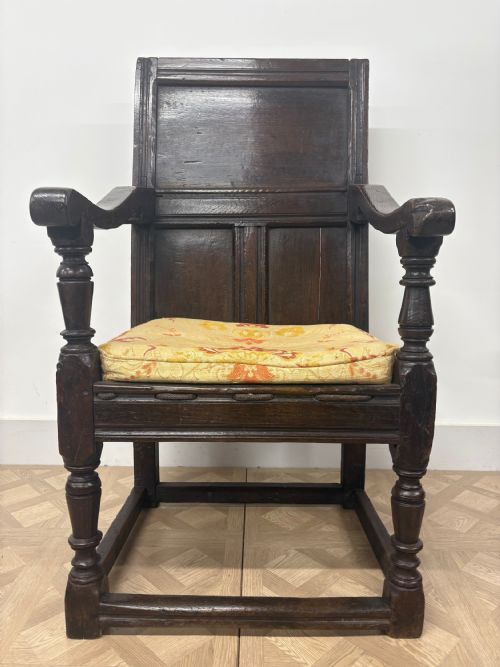
- Wainscot armchair
- A heavy, solid wooden armchair featuring panelled backs and substantial armrests, popular during the early seventeenth century.
- Back stool
- An early term for a chair without arms, essentially a padded or wooden seat with a vertical backrest.
Carolean Period Accent Chair: Frequently Asked Questions
How do I identify a genuine carolean period accent chair?
Examine the timber species, construction methods, and tool marks visible on the underside and frame. Genuine seventeenth-century examples utilise native woods like oak and walnut joined with pegged mortise and tenon joints.
Look for the characteristic high carved back and turned stretchers associated with the Restoration era. Comparing the depth and crispness of the hand-carving against known period benchmarks helps confirm authenticity.
Were these chairs used at dining tables?
Seventeenth-century seating arrangements differed significantly from modern domestic habits. Side chairs and armchairs were often placed against chamber walls rather than gathered permanently around dining tables.
Dining was frequently conducted using benches or stools, while individual armchairs and side chairs were reserved for heads of households or honoured guests. Their placement along walls contributed to the architectural dignity of a room.
How should I care for caned seating?
Caned panels require moderate humidity to prevent the natural rattan material from becoming brittle and snapping. Avoid placing these chairs near direct heat sources or modern radiators.
Clean the cane gently using a soft brush to remove dust, and occasionally wipe it with a damp cloth to maintain flexibility. Weight should be distributed evenly, avoiding standing on the seat.
What is the difference between Jacobean and Carolean styles?
Jacobean furniture, spanning the early seventeenth century, typically displays heavier proportions, geometric strapwork, and robust rectangular framing. It reflects a more austere aesthetic.
Carolean furniture emerges later in the century during the reign of Charles II, introducing lighter forms, extensive pierced carving, rich scrolling, and caned panels. The overall visual impression shifts from solid architectural mass to dynamic ornamentation.