



Cut Glass Tumbler
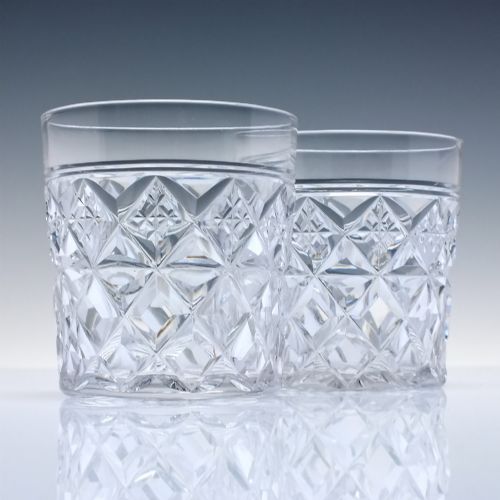
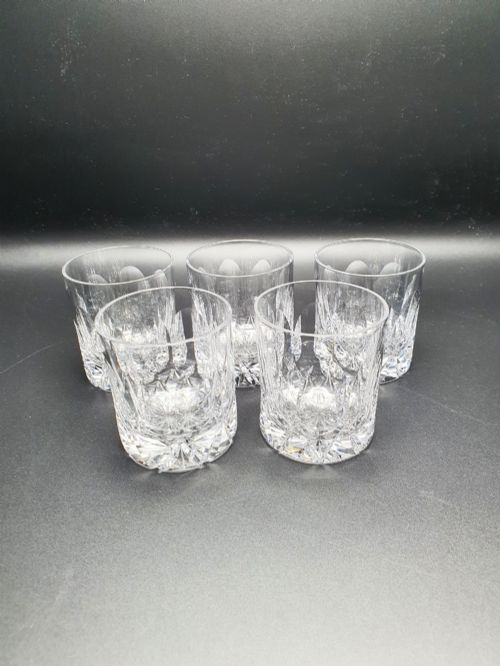
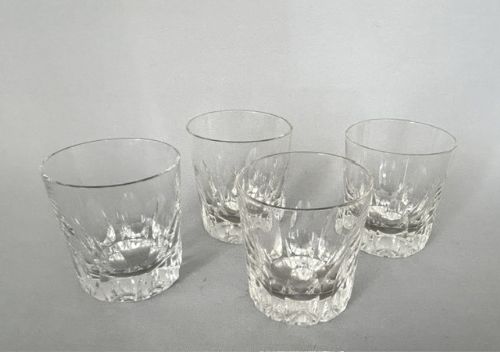
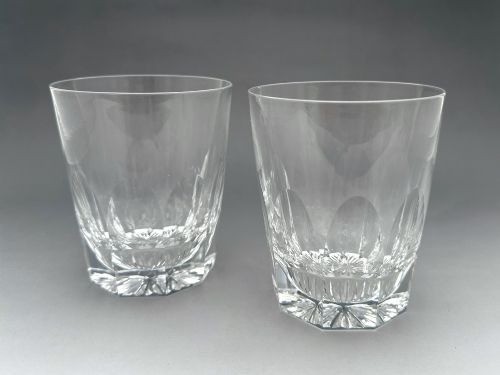
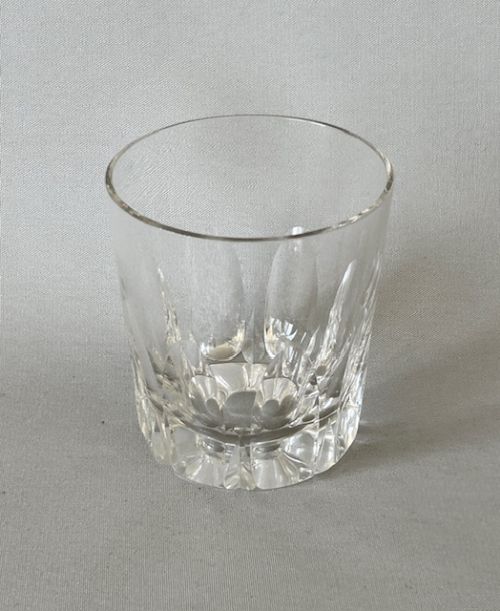
These cut glass tumbler pieces are heavy, brilliant drinking vessels fashioned to catch the light on a nineteenth-century sideboard.
Cut Glass Tumbler
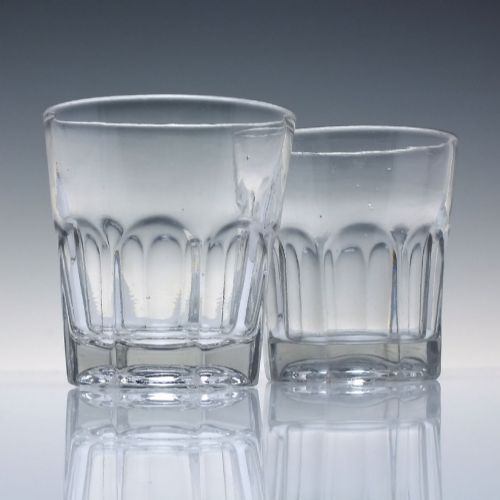
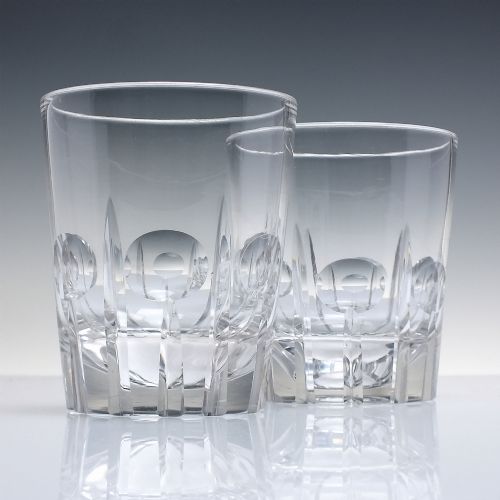
A cut glass tumbler is a sturdy drinking vessel designed without a stem or handle, sitting flat on its base. The form appears across the Victorian, Georgian and Edwardian eras, as well as the 1930s Art Deco period.
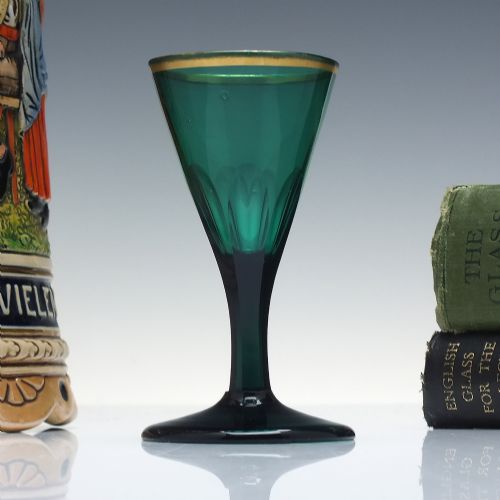
Most examples found here are robust whisky tumblers, cordial glasses or larger ceremonial beakers intended for daily use or special gatherings. They range from small sets of four to massive individual pieces.
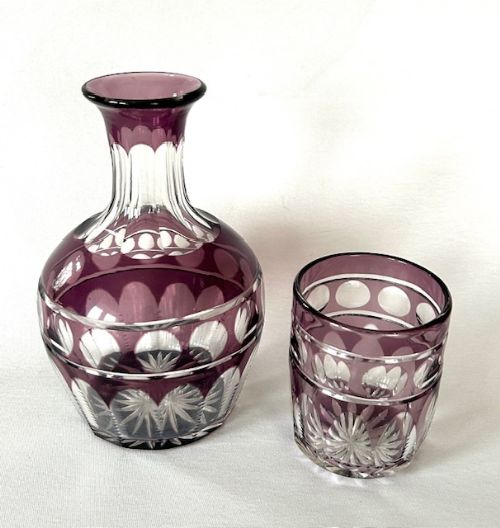
Makers shaped these objects in clear glass, lead crystal, ruby flash glass and amethyst glass. Many feature deep wheel engraving alongside traditional geometric cutting.
How they were made
Craftsmen blew molten glass into metal moulds or free-hand before cooling the material for subsequent cutting. Heavy lead glass and clear crystal provided the necessary depth for deep facets.
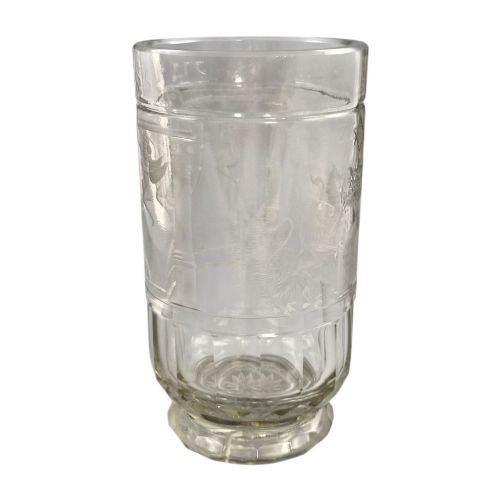
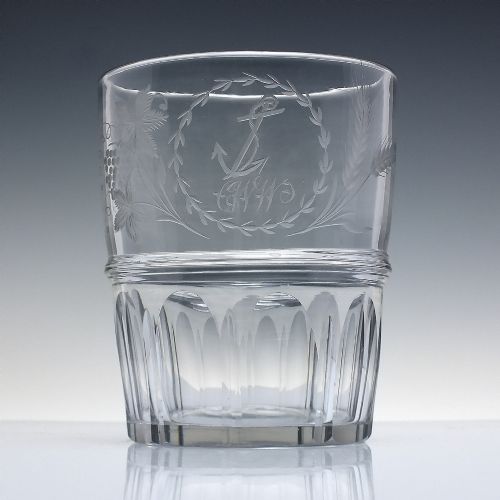
Glaziers then applied wheels of stone, iron or copper to grind patterns into the surface. Engravers finished the pieces with intricate motifs like Masonic symbols or portraits using finer wheels.
Cut Glass Tumbler Retail Price Guide 2026
Typical asking prices for cut glass tumbler among the pieces listed under this phrase on Sellingantiques today, from the lower quarter to the upper quarter. They describe what is for sale here now, not the wider market.
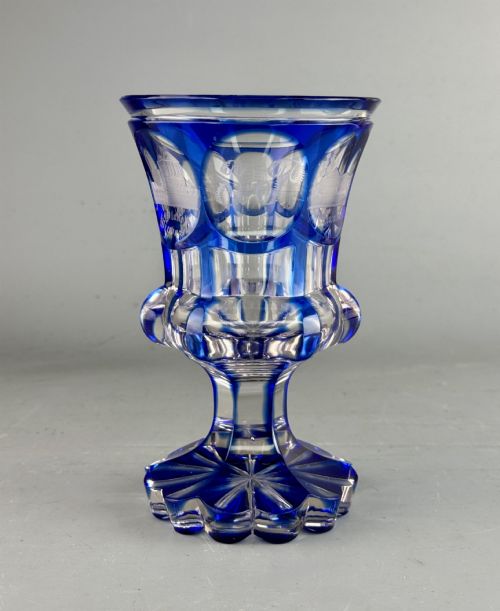
Some nineteenth-century drinkers required a massive ceremonial beaker engraved with Masonic symbols to properly enjoy their evening.
What varies in quality
Quality rests in the weight of the metal and the crispness of the wheel-cut edges. Superior pieces show sharp facets that catch the light cleanly without softening or blurring.
The choice of material alters the character, with dense lead crystal offering a sharper ring and deeper refraction than standard glass. Engraved details require steady skill to maintain proportion across the surface.
The Cut Glass Tumbler Glossary
- Lead crystal
- Glass containing lead oxide, which increases the weight, clarity and refractive index of the material. This composition allows for deeper and sharper cutting.
- Ruby flash glass
- Colourless glass coated with a thin outer layer of red glass before cutting. The wheel cuts through the red layer to reveal clear glass beneath.
- Wheel engraving
- A technique using small rotating wheels fed with abrasive grit to carve detailed designs into the glass surface. It creates shallow matte lines rather than deep facets.
- Flip glass
- A tall cylindrical drinking vessel with a slightly flared rim, popular in the Georgian period. It was used for serving beer, cider or mixed drinks.
Cut Glass Tumbler: Frequently Asked Questions
What is a cut glass tumbler used for?
These vessels served primarily as heavy drinking glasses for spirits like whisky or cordial at the dining table. Larger examples functioned as ceremonial beakers or part of decanter sets.
Today they suit everyday use or display, offering a tactile connection to nineteenth-century dining habits and interior styling.
How do I tell Victorian from Georgian tumblers?
Georgian pieces often display simpler, hand-blown forms with lighter facet cutting or early wheel engraving. Victorian examples tend to be heavier with denser geometric patterns and sharper lead crystal.
Examining the base and the weight of the glass helps distinguish the heavier nineteenth-century styles from earlier work.
Are these glasses safe to use?
Most antique tumblers remain entirely functional for holding drinks, provided they are handled with care. Hand washing in warm water preserves the historic surface and prevents damage to the rim.
Avoid thermal shock by keeping them away from extreme temperature changes or modern dishwashers.
What does flash glass mean?
Flash glass consists of a clear base vessel dipped into a molten batch of coloured glass, such as ruby or amethyst. This creates a thin outer skin of colour over clear material.
When the artisan cuts through the coloured layer, the clear glass underneath shows through in sharp contrast.