


Cut Glass Jar
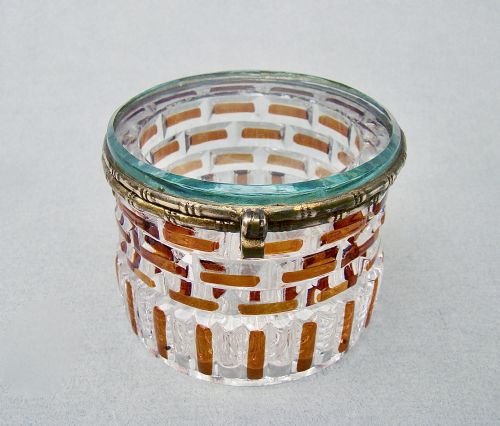
A cut glass jar combines heavy refraction with fitted metal mounts, turning functional storage into a display of period craftsmanship.
Cut Glass Jar
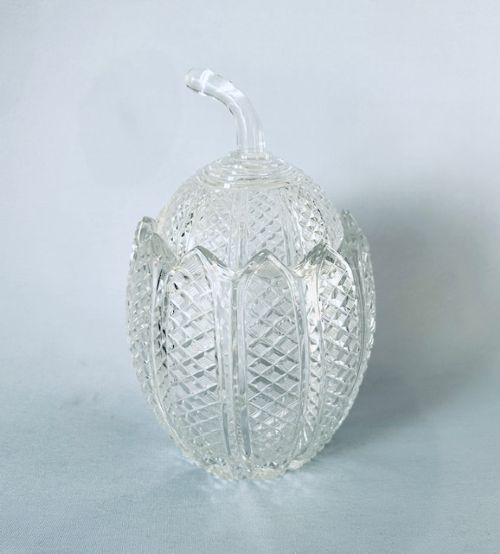
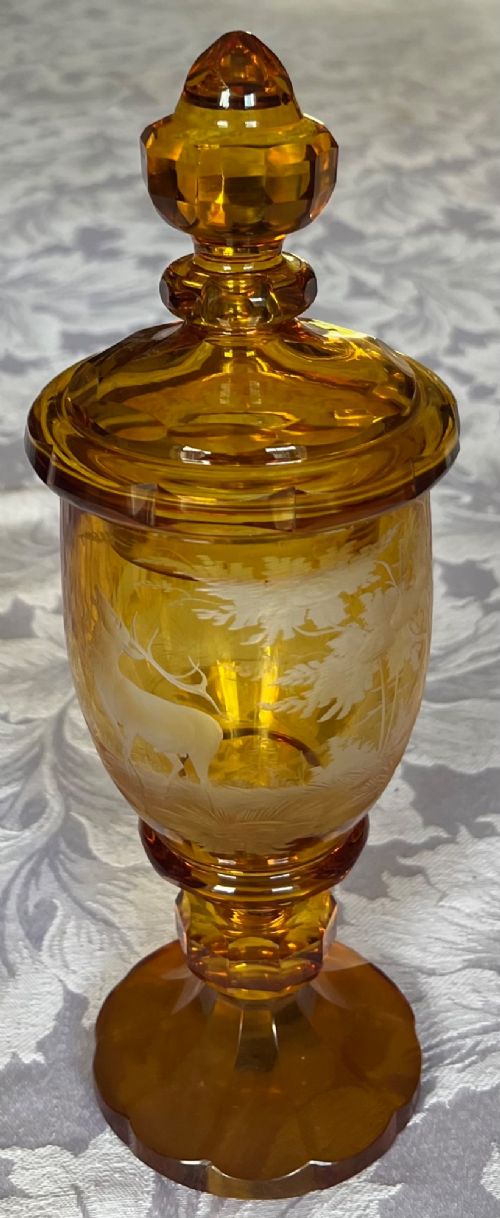
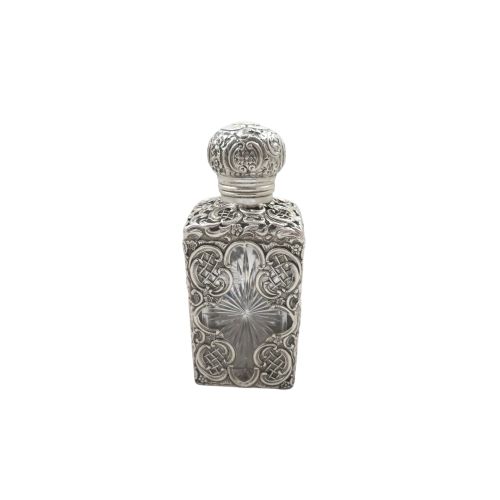
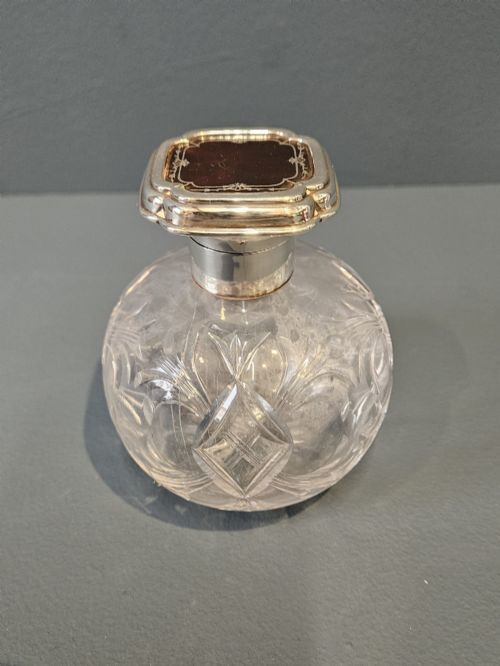
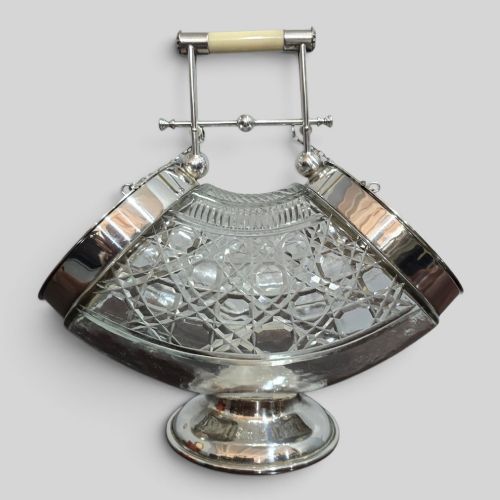
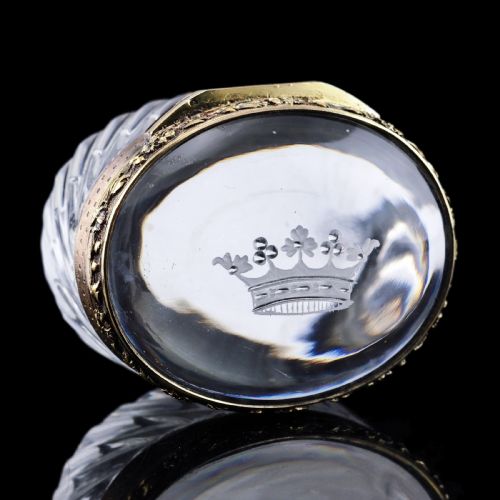
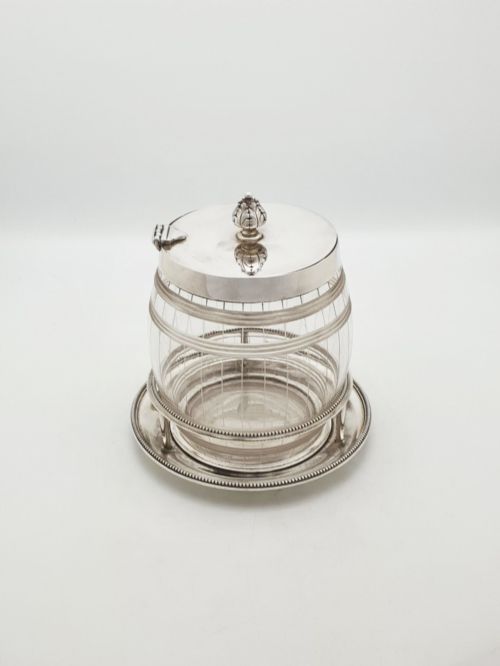
A cut glass jar spans domestic and dressing table storage, appearing as biscuit barrels, scent bottles, trinket boxes, vanity jars, and preserve pots. The domestic forms often feature sturdy handles and stands, while the vanity pieces rely on compact proportions for daily toilette use.
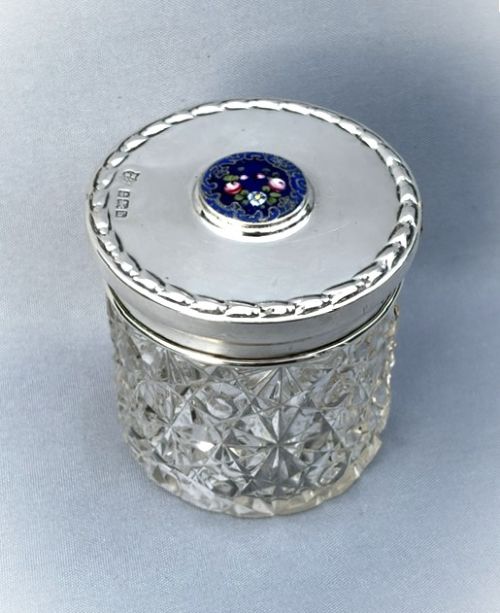
The pieces on this page originate across the Georgian, Victorian, Edwardian, and Art Deco periods. Buyers frequently encounter Edwardian and Art Deco examples fitted with silver, silver plate, or enamel mounts from British assay offices alongside continental European makers.
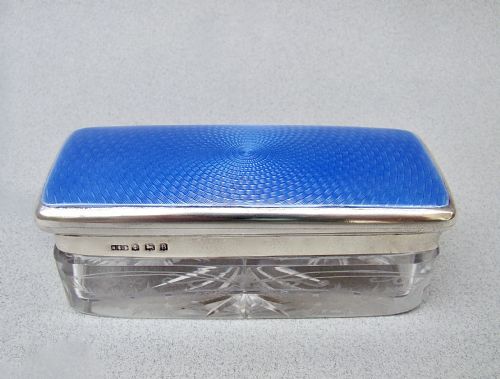
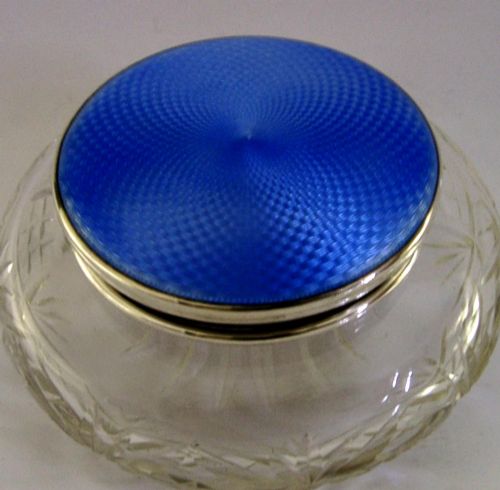
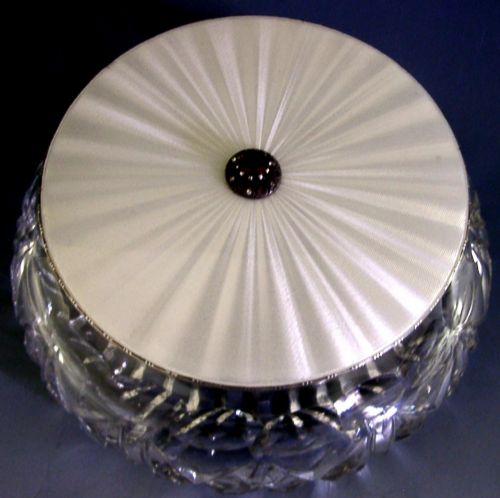
Earlier Georgian and 19th Century iterations display deep hand-cutting and substantial metal lids, whereas the 1920s and 1930s bring coloured guilloche enamel and streamlined geometric silhouettes.
Materials and Technique
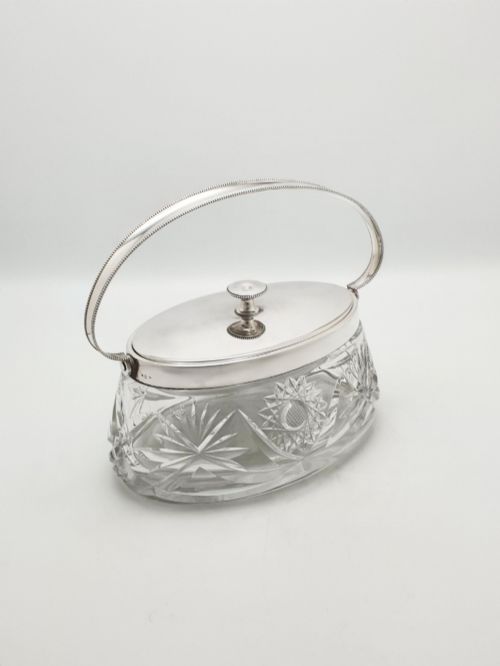
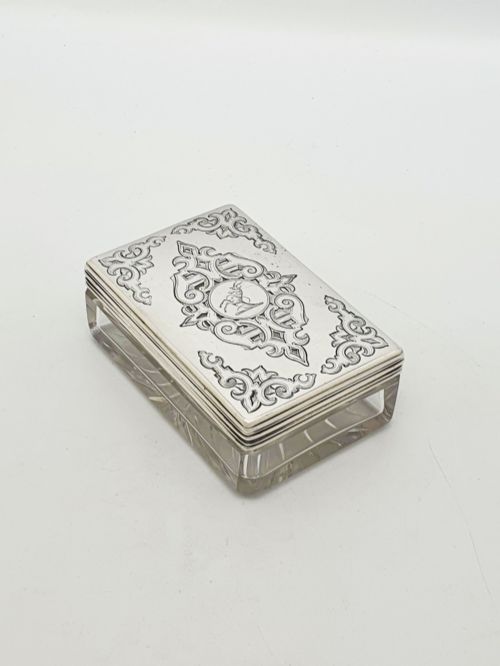
Makers formed the vessels from heavy lead crystal or cut glass, applying wheel-cutting to create facets, hobnail patterns, and flutes that catch the light. This heavy glass body was then paired with sterling silver, silver plate, or brass mounts secured around the rim or neck.
Many lidded jars incorporate supplementary decorative elements such as tortoiseshell, enamel, or gilding set into the metal covers. Artisans utilised hinged mechanisms and screw threads to attach sterling silver, silver gilt, and tortoiseshell tops firmly to the glass bases.
Victorian biscuit barrels occasionally feature ferocious heraldic dragon finials guarding the shortbread.
Assessing Quality
Quality rests upon the depth and crispness of the wheel-cut facets on the glass body, where sharper edges indicate superior handcrafting. The weight of the lead crystal and the clarity of the material distinguish robust workshop production from lighter moulded alternatives.
On the mounted examples, the gauge of the sterling silver or the precision of the guilloche enamel lid elevates the piece. Maker attribution and the integration between the metal collar and the glass rim further separate standard domestic items from high-end commissions.
Henry Clifford Davis·Baccarat·Elkington·WMF·Posen·Georg Adam Scheid·R. Comyns
The Cut Glass Jar Glossary
- Hobnail cut
- A dense diamond-shaped facet pattern carved into the surface of the glass. It creates a textured exterior that maximises light refraction.
- Guilloche enamel
- Translucent enamel layered over engine-turned metalwork. It produces repeating geometric patterns visible beneath coloured glass coatings.
- Biscuit barrel
- A covered container designed for storing dry biscuits or confectionery at the dining table. These typically incorporate swing handles and ceramic or glass bodies with metal lids.
- Scent bottle
- A small container utilised for perfumes and volatile oils, fitted with a secure stopper or hinged cap. They often feature sterling silver collars and faceted glass bodies.
- Dressing table jar
- A vanity container intended for holding powders, pins, or cosmetics on a bedroom dressing chest. Their lids frequently display hallmarks alongside enamel or tortoiseshell inserts.
Cut Glass Jar: Frequently Asked Questions
How were these jars originally used?
These vessels served diverse domestic functions, ranging from holding preserves and biscuits at the dining table to storing cosmetics and perfumes on bedroom dressing tables. Many functioned as vanity items for daily grooming routines.
Larger containers accommodated dry foodstuffs or sweetmeats, while smaller lidded pots secured pins, trinkets, and scented oils.
How do I identify the period of a jar?
Dating relies on a combination of glass-cutting styles, mount materials, and metal hallmarks. Georgian and early 19th-century pieces feature heavy hand-cut facets and simpler metal collars.
Edwardian and Art Deco examples often incorporate stamped hallmarks on sterling silver lids, along with coloured enamel or tortoiseshell details that reflect early twentieth-century design tastes.
Are the metal lids usually hallmarked?
Sterling silver lids on British pieces commonly feature full sets of hallmarks denoting the assay office, date letter, and maker's mark. These stamps help pinpoint the exact year of manufacture.
Continental European pieces and silver-plated examples may carry alternative maker marks, numerical purity stamps, or regional stamps instead of traditional British hallmarks.
How should I clean cut glass and silver?
The glass components respond well to warm water and mild detergent, followed by thorough drying to maintain clarity and sparkle. Avoid abrasive scrubbers that might scratch the surface.
Silver mounts require a dedicated polishing cloth to remove tarnish, taking care to keep polish away from any enamel, tortoiseshell, or glass surfaces adjacent to the metal.
Can I use these for food today?
Preserve jars, biscuit barrels, and honey pots function effectively for serving dry goods or condiments. Historic lead crystal is generally safe for short-term food contact.
Items intended for cosmetics, such as scent bottles and vanity jars, are best reserved for display due to historic residues and delicate internal stoppers.