


Antique Sweetmeat Jar
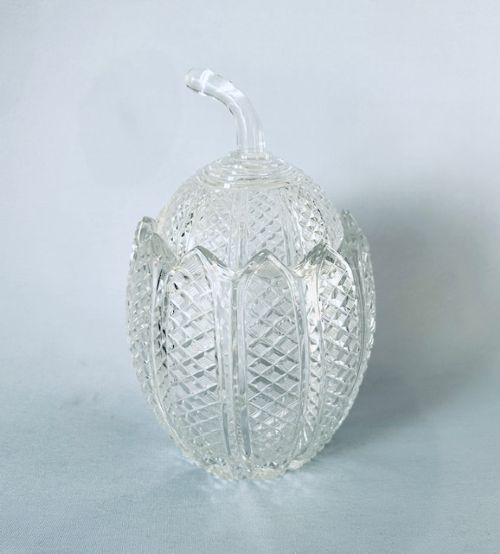
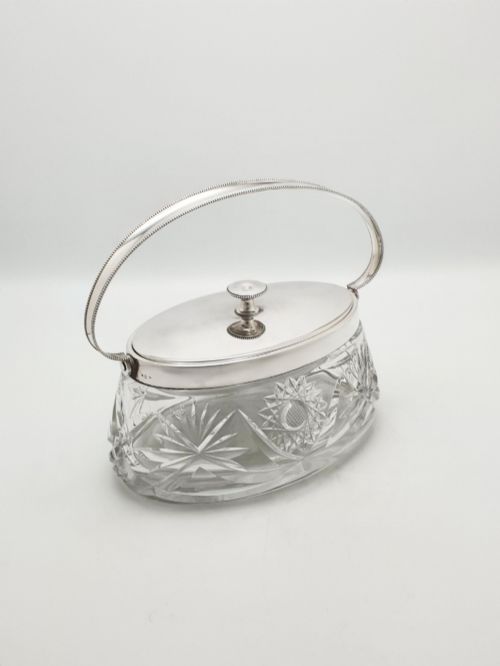
An antique sweetmeat jar brings sparkling cut glass and refined silver into a room to hold confectionery or biscuits with genuine period elegance.
Antique Sweetmeat Jar
When you search for an antique sweetmeat jar, you encounter a selection of lidded glass vessels, biscuit barrels, storage jars, and covered bowls originating from the Georgian, Victorian, and Edwardian eras. These pieces range from substantial cut crystal centrepieces with silver mounts to delicate latticinio glass sugar bowls and cranberry glass biscuit jars.
How they were made
Makers shaped these containers using heavy lead crystal and clear glass, employing deep cutting techniques to produce faceted surfaces that catch the light. Coloured glass variants incorporate techniques such as latticinio cane work with blue rims and rich cranberry hues.
Metal components utilise silver plate, sterling silver, and Dutch silver for swing handles, rims, and covers. Firms such as WMF and William Comyns applied detailed metalwork and plating to house the glass bodies.
Listings feature items from the Georgian, Victorian, and Edwardian eras, spanning from the mid-nineteenth century to nineteen hundred.
What varies in quality
The standard of a piece depends largely upon the depth and crispness of the glass cutting, where sharper facets and heavier lead crystal indicate superior manufacture. The weight of the vessel and the clarity of the metal or glass matter immensely.
Mounts and hardware also distinguish the range, as substantial silver-plated or solid silver mounts by known makers demonstrate a higher grade of artistry than simpler fittings.
Baccarat·William Comyns·WMF
The Antique Sweetmeat Jar Glossary
- Sweetmeat jar
- A covered glass vessel traditionally used for serving sweet confections, nuts, or preserved fruits. These containers often feature decorative cut patterns and fitted lids.
- Latticinio glass
- A decorative glass technique involving opaque white or coloured glass threads embedded within clear glass. This method creates delicate lace-like patterns inside the walls of bowls and jars.
- Cranberry glass
- A rich red transparent glass coloured with gold chloride during production. It appears frequently in Victorian tableware and storage containers.
- Biscuit barrel
- A covered ceramic or glass jar designed for storing dry biscuits on the dining table. Many examples incorporate metal swing handles and plated rims.
- Cut crystal
- High-purity glass containing lead oxide that is hand-cut with geometric patterns. The lead content increases the refractive index, giving the material a bright sparkle.
Antique Sweetmeat Jar: Frequently Asked Questions
What is an antique sweetmeat jar used for?
These vessels originally held small sweet confections, candied fruits, or nuts for guests after a meal. Today, they function as decorative containers or display pieces.
Their lidded designs keep contents protected while adding a decorative focal point to a sideboard or mantelpiece.
How do I identify a Victorian sweetmeat jar?
Victorian examples often feature heavy cut glass or crystal bodies paired with ornate silver-plated mounts or swing handles. Look for deep wheel-cut geometric patterns.
The styles reflect the Victorian preference for substantial, highly polished tableware and functional decorative objects.
What is latticinio glass?
Latticinio glass is a decorative technique featuring fine white or coloured glass threads encased within transparent glass. It creates intricate striped or looped patterns.
This method dates back centuries and appears on continental European pieces such as sugar bowls and covers.