
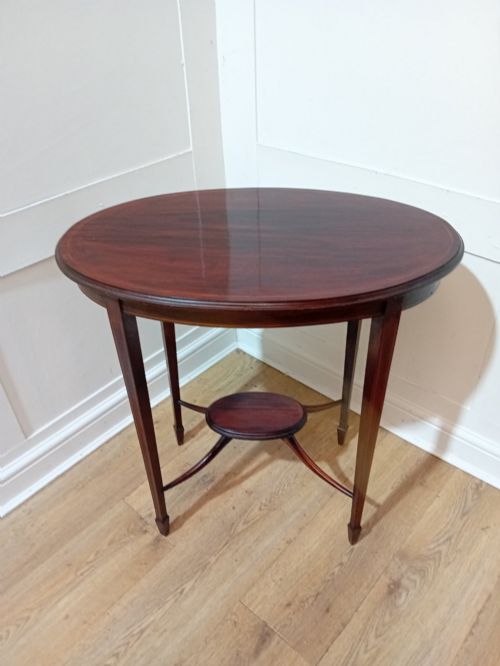
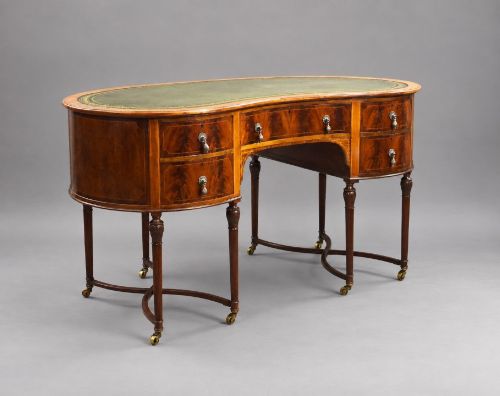
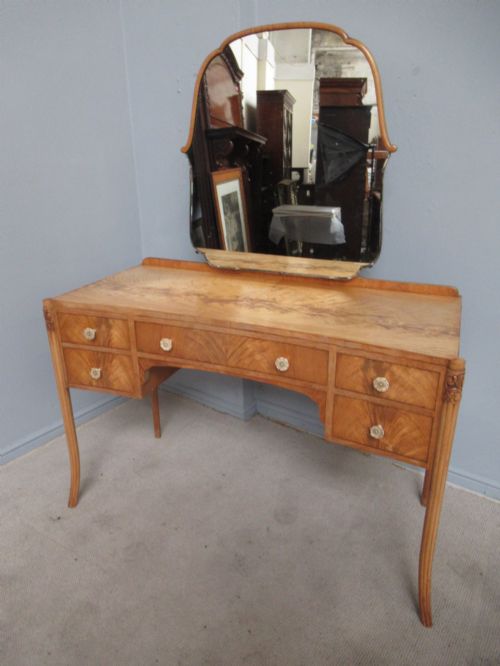
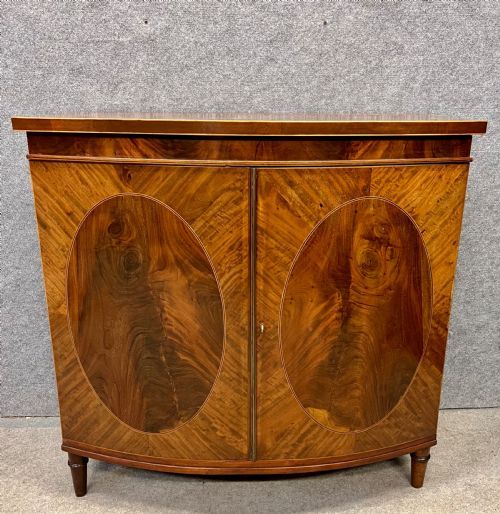

Curved Mahogany Table
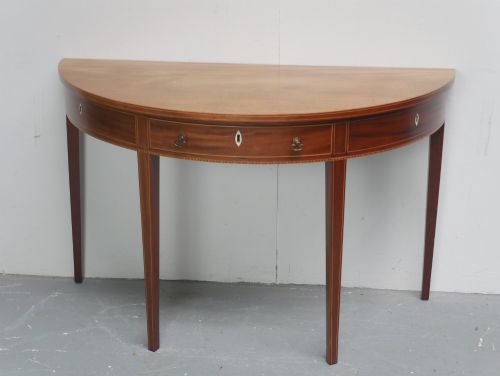
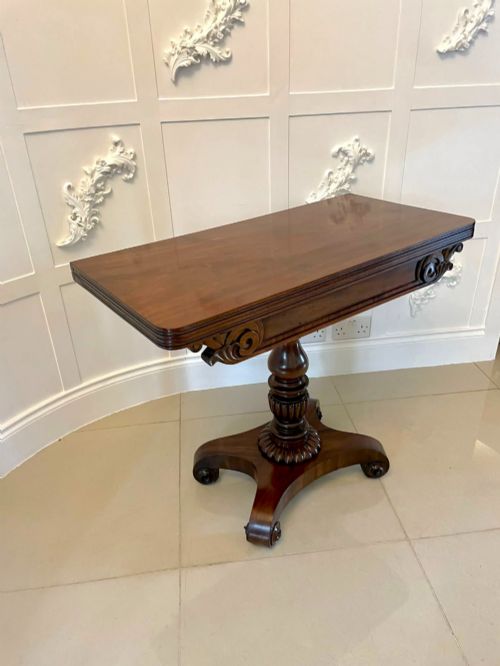
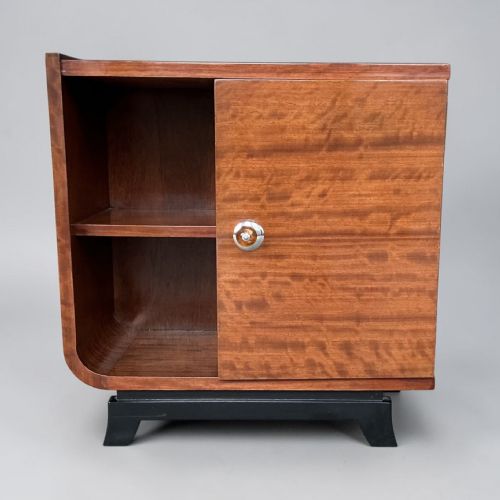
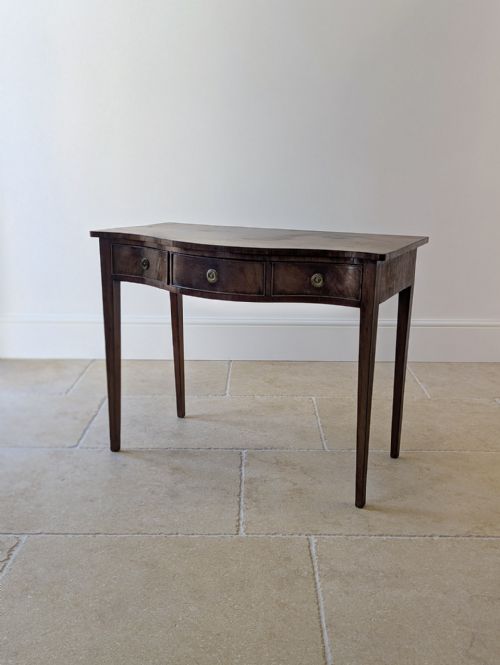
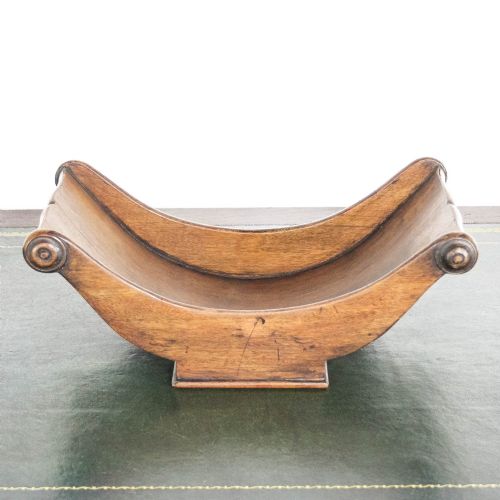
A curved mahogany table offers fluid lines and rich timber tones, bringing grace and practical surface space to a room.
Curved Mahogany Table
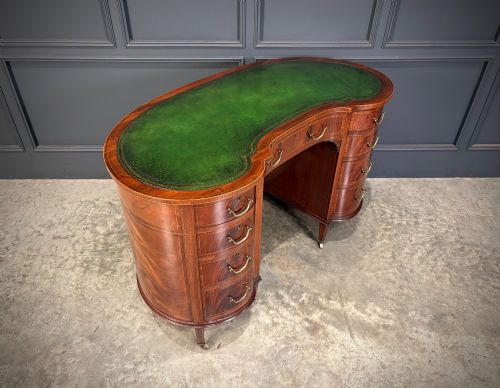
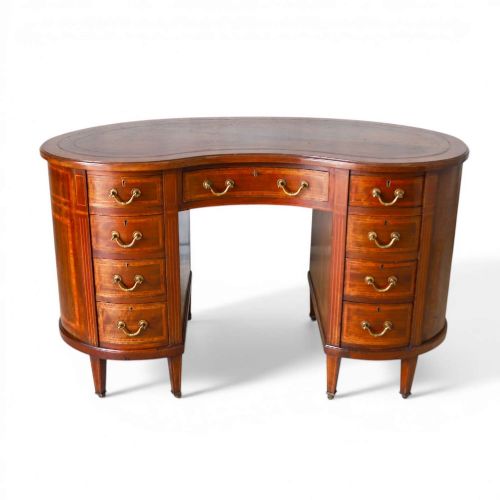
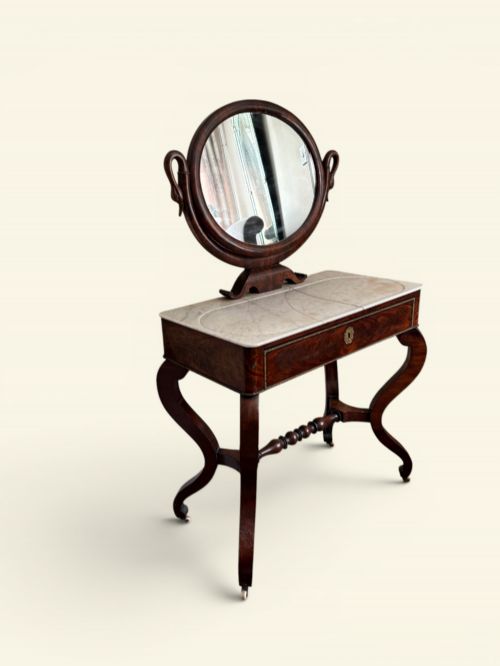
The selection on this page leans heavily towards Edwardian writing desks, Georgian side tables, and nineteenth-century occasional pieces. These items serve varied domestic functions, functioning as functional writing surfaces, sideboards, or display stands within domestic interiors.
How they were made
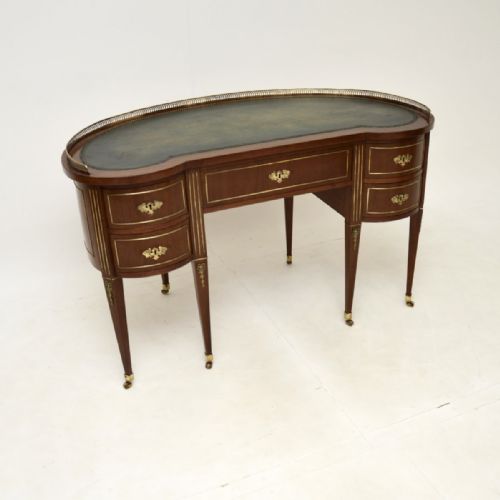
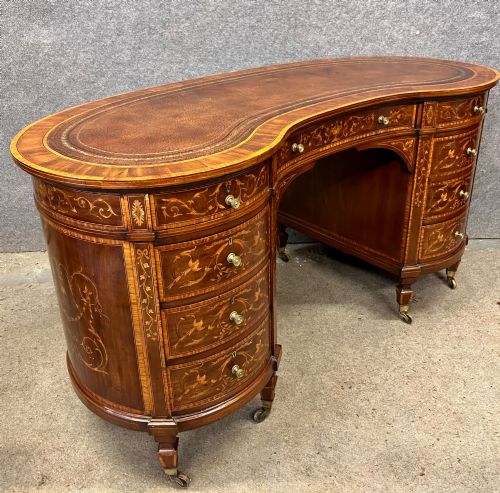
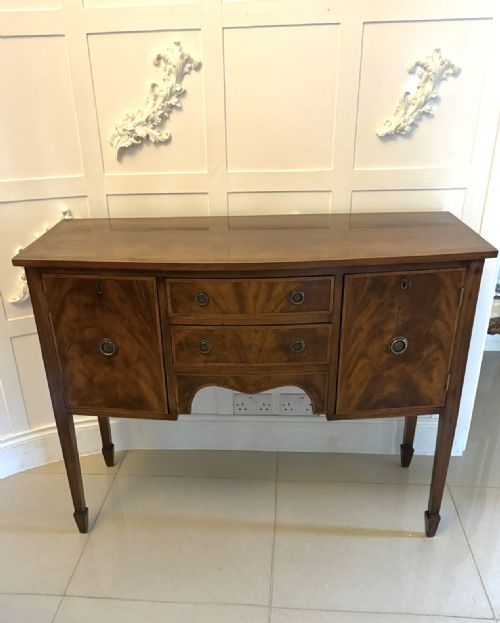
Cabinet makers utilised solid mahogany and flame mahogany veneers over secondary timbers, often shaping the wood to achieve bowed, serpentine, or kidney outlines. Surfaces frequently incorporate satinwood inlay, ebony stringing, or brass mounts to accentuate the curved silhouettes.
Many writing desks and tables feature inset leather tops, sometimes tooled with gold leaf, alongside fitted drawers constructed with traditional joinery. Ormolu mounts and marble tops appear on select continental pieces from the nineteenth century and the Art Deco period.
Listings feature mahogany paired with brass, leather, satinwood, glass, ormolu, and flame mahogany across multiple centuries.
What varies in quality
Quality in these pieces is dictated by the selection of timber figures, such as highly figured flame mahogany, and the precision of the curved joinery. Superior examples display seamless veneering around tight radii and harmonious grain matching across the curved surfaces.
The refinement of secondary decorative elements, including hand-tooled leather, delicate satinwood inlay, and finely cast ormolu or brass mounts, distinguishes higher-grade pieces from simpler commercial production.
François Linke·Wolfe & Hollander
The Curved Mahogany Table Glossary
- Demi-lune
- Having the shape of a half-moon or semicircle. These tables fit flush against a wall and function as side tables or cabinets.
- Kidney-shaped
- Describing a curved top resembling a kidney bean. This form is particularly common among writing desks and tables from the Edwardian period.
- Serpentine
- A line or surface that curves outward and then inward, creating an undulating front. This profile appears frequently on eighteenth and nineteenth-century sideboards and desks.
- Flame mahogany
- A veneer cut from the fork of the mahogany tree where the branch joins the trunk. It displays a distinctive, fiery pattern.
- Ormolu
- Gilded bronze used for decorative mounts on furniture. It adds ornate detail to nineteenth-century tables and cabinets.
Curved Mahogany Table: Frequently Asked Questions
What periods are these tables from?
The pieces span several centuries, including Georgian, Regency, Victorian, and Edwardian eras, alongside later twentieth-century examples up to the 1930s.
Earlier pieces often feature classical proportions and fine timber figuring, while later Edwardian and Art Deco items demonstrate diverse revival styles and alternative decorative finishes.
How do I use a kidney desk?
A kidney desk provides an ergonomic workspace with a concave curve at the front, allowing the user to sit close to the centre while drawers remain within reach on either side.
They function well as freestanding pieces in the middle of a room, as the curved backs are often finished with polished mahogany veneers.
What is flame mahogany?
Flame mahogany is a highly decorative wood veneer derived from the junction where a tree branch meets the main trunk. The cutting process reveals an undulating grain pattern that resembles flickering flames.
Cabinet makers used this figure on prominent surfaces like desk lids, table tops, and drawer fronts to create visual depth.
Are these tables solid mahogany?
While some structural components and mouldings are carved from solid mahogany, many curved surfaces utilise fine mahogany veneers laid over a stable secondary timber core.
Veneering allowed makers to apply striking wood grains like flame mahogany to complex curved forms without risking the wood cracking as it aged.