


Crown Derby Hand Painted
Crown derby hand painted pieces bring together fine porcelain and intricate brushwork, offering the collector centuries of skilled English ceramic artistry.
Crown Derby Hand Painted
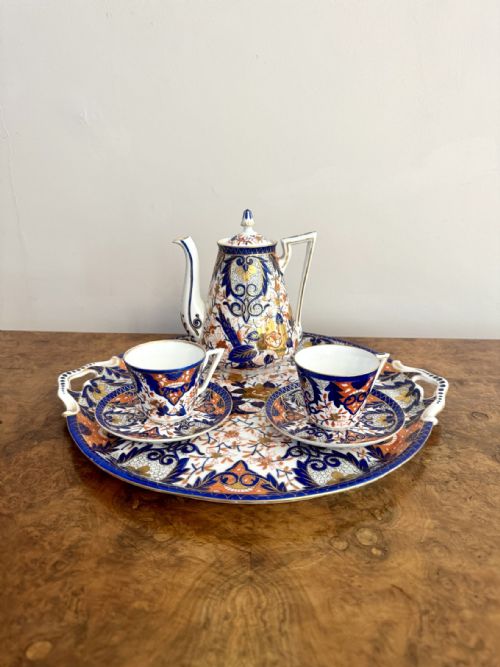
Buyers frequently discover traditional forms such as teacups and saucers, coffee sets, and porcelain mugs alongside ornamental pieces like figures and centrepieces. These items reflect the shifting aesthetic tastes of the Victorian, Regency, and Edwardian periods while maintaining a distinct lineage of craftsmanship.
How they were made
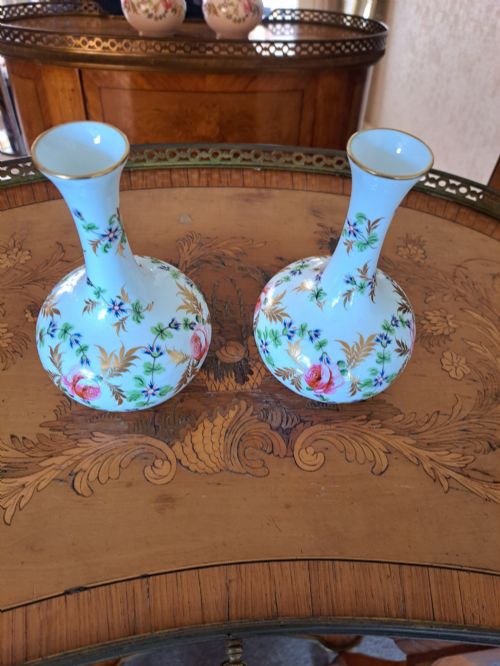
The creation of these items relies fundamentally on fine porcelain and bone china bodies, shaped into vessels, figures, and plates before undergoing initial firing. Artisans then apply detailed hand painting, often incorporating floral decoration, topographical scenes, and figurative subjects directly onto the glazed ceramic surface.
Gilding forms an essential final stage in the manufacturing process, with gold leaf and gilt highlights carefully brushed onto rims, handles, and borders to accentuate the painted motifs and provide a rich contrast.
Even ancient Roman gods occasionally needed a touch of British china, as proven by porcelain figures of Zeus and Jupiter hand-painted with gilt.
What varies in quality
Quality in these ceramics rests heavily upon the skill of the artist and the complexity of the brushwork. Pieces featuring detailed topographical views or signed artwork by notable painters demonstrate a higher tier of craftsmanship than standard floral patterns.
The crispness of the porcelain moulding, the preservation of the gold leaf and gilding, and the depth of the hand-painted palette distinguish exceptional examples from simpler production pieces.
John Ford·Darlington·Albert Gregory·F Garnett
The Crown Derby Hand Painted Glossary
- Imari
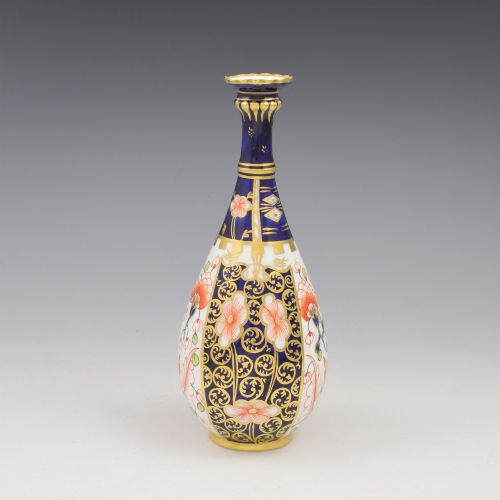
- A distinct decorative style characterised by rich underglaze blue, iron-red, and copious gold gilding, frequently seen on Victorian porcelain. This traditional aesthetic draws heavy inspiration from Japanese import wares of an earlier era.
- Bone china
- A type of soft-paste porcelain incorporating bone ash, resulting in a strong, highly translucent ceramic body. It became a standard material for fine British tableware and ornamental vessels.
- Gilt
- A thin layer of gold applied to the surface of the porcelain to provide metallic highlights. This technique enhances decorative borders, handles, and painted scenes.
- Cabinet plate
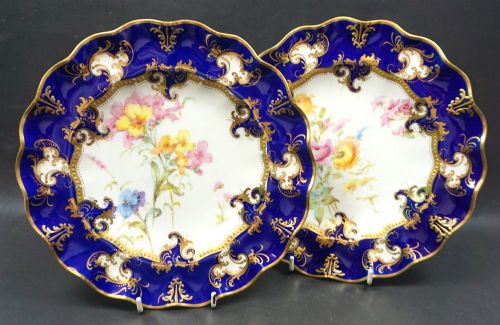
- A decorative ceramic plate intended for display in a cabinet or on a wall rather than for daily dining use. These pieces often showcase intricate hand-painted artwork and elaborate gilding.
Crown Derby Hand Painted: Frequently Asked Questions
How do I date crown derby porcelain?
Dating these ceramics involves examining the factory marks stamped or painted on the base, which changed across different historical reigns and periods.
Style, form, and the specific palette of the hand painting also provide strong clues to whether a piece originates from the Georgian era or later Victorian times.
What is the bloor period?
The Bloor period refers to the era when Robert Bloor managed the Derby porcelain works during the early nineteenth century. Pieces from this time often include specific figural works and distinctive hand-painted details.
Collectors prize items from this stretch for their robust forms and characteristic glaze treatments.
Are these pieces safe to use daily?
Most antique porcelain of this age is intended for display or careful occasional handling rather than everyday use. Hand-painted surfaces and delicate gold leaf can wear down with frequent washing and modern detergents.
Gentle cleaning with warm water and a soft cloth helps preserve the painted scenes and gilt highlights over time.
How do signed pieces differ from unsigned ones?
Signed pieces bear the personal mark or signature of the specific artist who executed the hand-painted decoration, such as a landscape or floral study. Unsigned items were typically painted by anonymous factory decorators working within standard workshop patterns.
Signed works often reflect individual artistic flair and tend to attract greater interest from specialist collectors.