


Crested Rococo Mantle Mirror
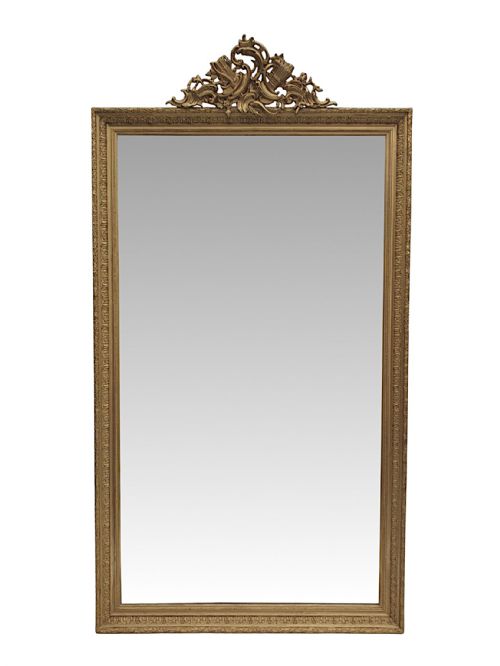
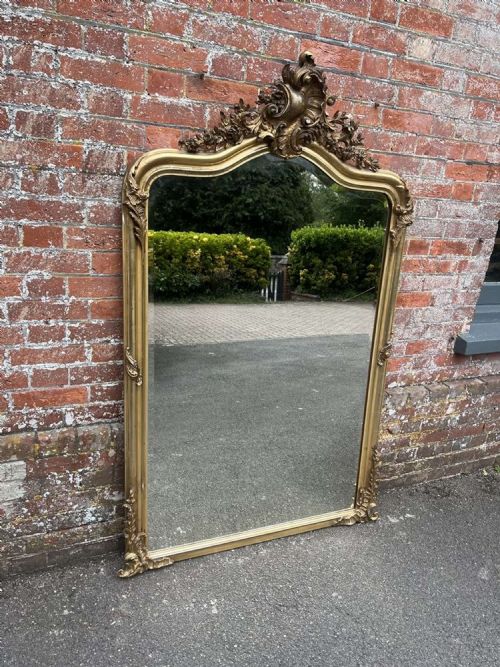
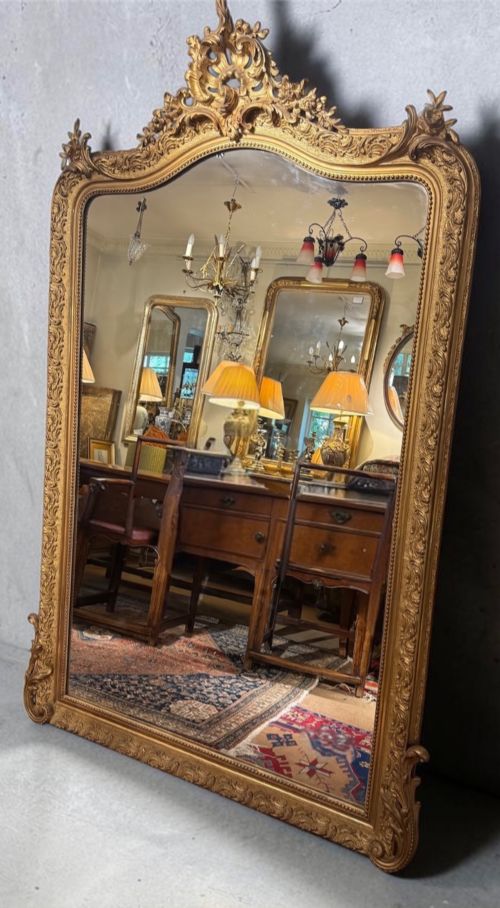
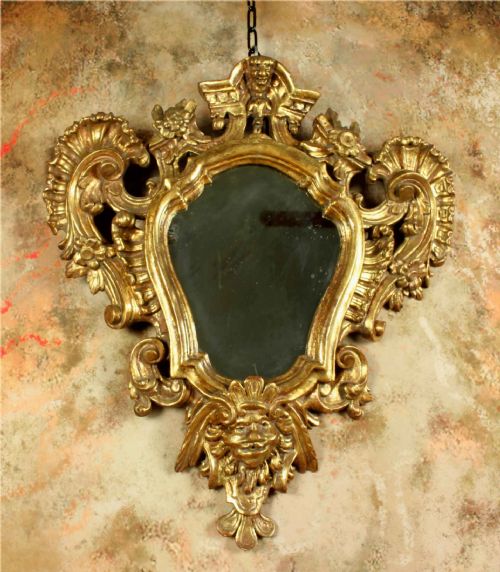
A crested rococo mantle mirror brings sculptural energy to a room, combining asymmetrical scrolls with grand scale.
Crested Rococo Mantle Mirror
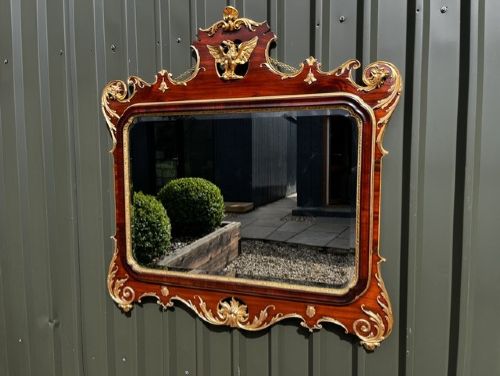
A crested rococo mantle mirror is a substantial looking glass designed to sit above a fireplace or hang upon a principal wall. These frames appear in styles such as French Rococo Revival, Chippendale, and Victorian, spanning from the eighteenth century into the early twentieth century.
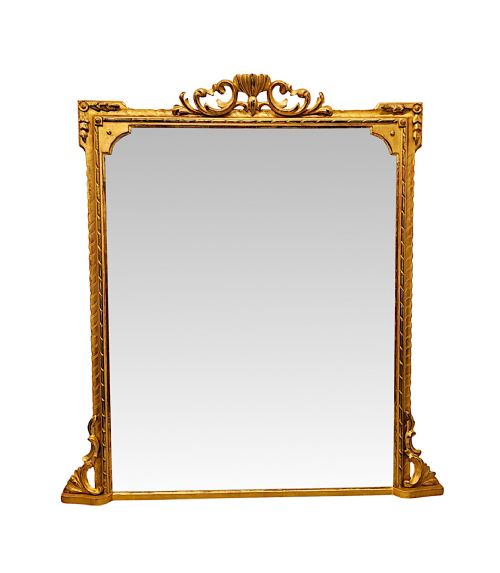
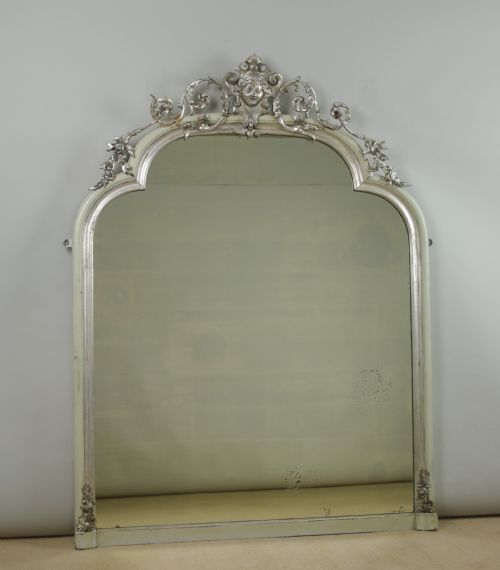
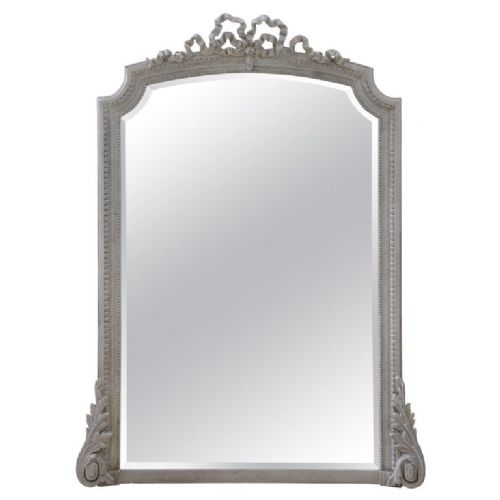
The most common version met on this page is the nineteenth century overmantel mirror, often fashioned with a shaped or arched top and a central cartouche. Examples originate from English, French, and Italian workshops, displaying wall mirror and overmantel formats.
Makers utilise varied silhouettes including oval, rectangular, and shaped frames adorned with cresting. Pieces range from grand giltwood statements to painted and silvered finishes.
How they were made
Artisans constructed these frames using carved wood, mahogany, walnut, and composition mouldings built over timber carcases. Many surfaces received layers of gesso before being finished in gold leaf, painted pigments, or silvered treatments.
Carving techniques created the characteristic scrolls, foliage, and central cartouches associated with the rococo style. Giltwood and gesso work required precise hand application to achieve the reflective and textured details seen on these frames.
Some nineteenth-century frames hide traces of vibrant red clay beneath their gold leaf, revealed only where centuries of light dusting wore the surface thin.
What varies in quality
The depth and crispness of the hand carving separate standard production from superior examples. Finishes also differ significantly, ranging from simple painted surfaces to original distressed gold leaf applied over gesso and carved timber.
Structural integrity of the heavy wooden carcase and the retention of the original mirror plate influence the character of the piece. Superior items preserve their authentic cresting and proportional balance without heavy modern intervention.
The Crested Rococo Mantle Mirror Glossary
- Overmantel mirror
- A large looking glass specifically proportioned to hang on the wall directly above a fireplace mantelpiece. These pieces often feature wide horizontal or vertical formats designed to reflect light across a room.
- Gesso
- A plaster-like mixture applied to wood frames to create a smooth surface for gilding or painting. Artisans mould and carve this material to produce intricate decorative relief details.
- Cartouche
- An ornamental panel or tablet, often resembling a rolled-up piece of parchment, placed centrally on the crest of a frame. This sculptural element frequently anchors the asymmetrical designs of rococo mirrors.
- Giltwood
- Timber that has been coated with thin sheets of gold leaf. This finish provides the bright, reflective quality characteristic of formal antique mirrors.
- Rococo Revival
- A nineteenth-century design movement that reinterpreted the curved, shell, and scroll motifs of the eighteenth-century French style. This aesthetic dominates the exuberant crests and frames found in this collection.
Crested Rococo Mantle Mirror: Frequently Asked Questions
How do I hang a heavy overmantel mirror?
These large frames require secure fixing directly into wall studs or masonry using heavy-duty brackets suited to the weight of wood and glass. Professional installation is essential given the substantial mass of carved timber and gesso.
Position the mirror at a height that allows it to anchor the space above a fireplace or console table safely. Ensure the hanging wire or integrated fixing points distribute the load evenly.
Are these mirrors suitable for everyday use?
These pieces function practically as wall and mantle looking glasses while serving as significant decorative focal points in a room. Their reflective glass brightens darker corners and adds a sense of depth to living spaces.
Clean the glass gently using a soft cloth and mild cleaner, avoiding moisture contact with the gilt or painted wooden frames. Regular dusting preserves the intricate surface details of the gesso and carved elements.
How can I tell the period of a mirror?
Examine the construction methods visible on the reverse of the wooden carcase, including joinery and fixings. Eighteenth-century and nineteenth-century pieces exhibit hand-carved details and material patination distinct from later reproductions.
The style of the crest, the composition of the gesso, and the silvering technique on the glass plate provide further clues to the manufacturing era. French and English pieces often carry distinct regional carving traits.